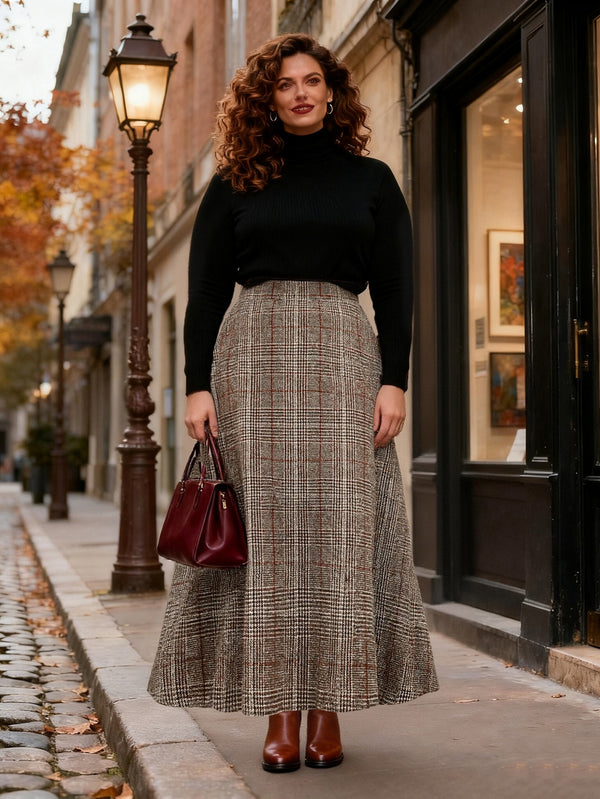
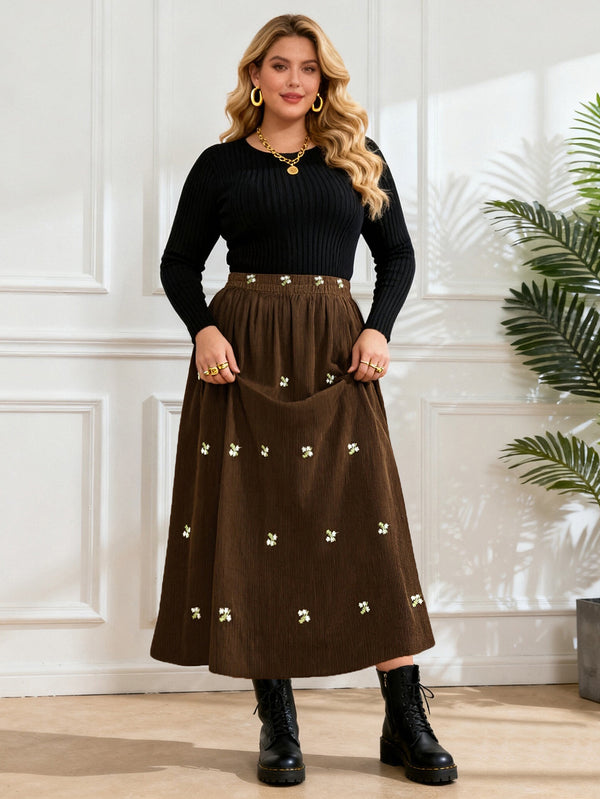
Christmas compression socks with patterned dresses can make a holiday outfit feel playful, personal, and easy to put together. If you already love florals, checks, or dots, you do not have to put them away to enjoy a festive sock motif. The useful question is how the patterns relate to each other: their colors, their scale, and the space between them. Your calf size does not decide which prints you are allowed to wear.
This guide focuses on combining patterns in outfits for plus-size women, with practical ways to check the dress hem, sock cuff, and shoes together. These are styling ideas, rather than promises about a particular product. Compression suitability, pressure level, and wearing duration need individual consideration; ask a qualified healthcare professional when you need guidance, especially for circulation concerns or extended wear. A festive design does not establish whether compression is appropriate for you.
Start with a shared color instead of a matching set
Lay the dress beside the socks somewhere with clear, natural light. Look at the background colors first, then at the smaller details. A navy dress with ivory dots and burgundy socks with ivory snowflakes have an obvious connection: ivory appears in both. The navy and burgundy do not need to match. That single repeated color gives two different patterns something in common without making the outfit look like a coordinated costume.
Choose the connection you actually enjoy seeing. It could be a deep green leaf in a floral dress, a cream line running through a check, or a red dot in a scattered print. Hold the sock beside that detail and see whether you like the conversation between them. Exact shade matching is optional. A warm cream beside a cool white can look deliberate if you prefer a softer, mixed palette.
If identifying every color feels overwhelming, narrow the decision to the largest areas. Ask whether the dress background and sock background look appealing together. A charcoal dress and wine-colored socks create a quiet foundation even if their smaller motifs differ. A bright red dress and emerald socks create a stronger contrast. Neither choice depends on making your body appear smaller. Choose the amount of contrast that fits your taste.
Accessories can reinforce the connection, but they do not all need to participate. With an ivory detail repeated across the dress and socks, a plain cream cardigan already gives the eye a familiar color to return to. Your bag and shoes can stay simple. You do not need another holiday motif on your earrings, scarf, and handbag unless that abundance is part of the look you want.
A practical way to compare choices is to make two small groups on the bed: dress, socks, and one plain layer in each. Keep the dress the same and swap the socks between the groups. Notice whether your favorite version comes from a repeated accent, similar background colors, or an unexpected contrast. This makes the decision about garments you own rather than a shopping list. If neither combination appeals, put the dress beside a plain sock and identify what you miss. That observation can guide the next pattern you try.
Let the dress print and sock motif have different scales
Pattern scale means the size of the individual shapes and the space around them. Medium dots on a dress look different from tiny snowflakes on a sock, even when both use ivory. That difference can help each pattern remain readable. Try looking at the outfit from across the room as well as close up: one view shows the whole combination, while the other shows the details you enjoy.
There is no body-size rule that assigns small prints to one woman and large prints to another. A bold floral can be beautiful on wide hips, and a delicate scattered pattern can be equally lovely. Here, changing scale is simply an experiment in how two garments work together. If both prints are large and you love the result, you have not failed a styling test.
Consider spacing as well as motif size. A tightly packed floral and a densely patterned sock can create a lively, continuous effect. The same dress beside a sock with widely spaced stars leaves more visual pauses. Choose the second combination if you want each print to stand out separately. Choose the first if a richly patterned outfit feels more expressive. Comfort and personal preference remain the deciding factors.
Fabric finish changes the effect too. A matte printed dress beside a smooth knit sock can feel relaxed, while a dress with a slight sheen adds another visible texture. Check those finishes in ordinary room lighting rather than relying only on a product image. If shiny fabric makes the outfit busier than you want, try a matte cardigan as the connecting layer. You can change the texture without abandoning the colors or prints that attracted you. There is no need to replace every part of an otherwise enjoyable outfit.
Stripes and checks offer another starting point because they introduce a different kind of shape. A dress with broad, simple checks can sit beside a small snowflake repeat without the patterns competing for identical territory. If you feel uncertain, take a quick outfit photo and change only the socks. Comparing two complete looks is often more useful than trying to imagine the final effect while holding separate garments.

Use the hem and cuff to decide how much pattern shows
A dress hem determines how much of the sock becomes part of the outfit. With a knee-length dress, the sock pattern can be a visible feature. With a longer hem, it can appear mainly when you move or sit. Neither arrangement needs to follow a prescribed gap between dress and cuff. Try the combination on your own body and choose the amount of visible pattern you enjoy.
Check the view while seated as well as standing. Some dress hems rise, and some skirts fall differently over the knees. A sock cuff that appears hidden in a standing mirror can become a clear horizontal detail at a table. That is useful information for styling, rather than a problem to correct. If the reveal feels good, keep it; if you want less contrast, try a darker background color.
For an outfit you expect to wear mainly at a table, use a chair similar in height to the one you find comfortable. Let the skirt settle naturally instead of pulling it into position for a photo. Look at the sock pattern alongside the portion of dress that remains visible. A combination that feels subtle while standing can become more expressive while seated. This check helps you choose the effect intentionally, and it also shows whether the dress needs so much adjusting that another comfortable option would be easier.
Choose the sock length from its intended fit, rather than stretching a knee-high pair toward a preferred hem. Arrange the heel and foot as the manufacturer directs, then check where the top naturally sits. Folding or rolling the cuff to create a decorative band can change how the garment feels. If the pair does not sit as intended, revisit the sizing and product guidance instead of styling around discomfort.
A dress lining or textured hem can also meet the sock when you walk. Notice whether the fabric glides, catches, or repeatedly pulls at the cuff. A little room for movement is more useful than a perfectly staged mirror pose. You can choose another dress, adjust an outer layer, or use a different pair of socks. The outfit should accommodate you without requiring constant attention to your knees.
Try three complete patterned-dress combinations
Navy dots with burgundy snowflake socks
Start with a navy dress scattered with medium ivory dots. Add deep burgundy socks with a small ivory snowflake motif, a plain cream cardigan, and black loafers. The repeated ivory connects the prints, while the dark backgrounds keep the overall palette settled. The cardigan supplies an area without pattern. This combination suits a relaxed indoor gathering when you want the socks to be visible without becoming the only feature.
Check the cardigan length against the dress, particularly when sitting. A short cardigan can leave the skirt shape clear; a longer open style can create a softer frame around the dress. Both work on a plus-size body. Choose the cut that gives your arms and waist comfortable movement. The illustrated outfit shows a color relationship, so use actual listings to confirm available patterns, measurements, and garment details.
Soft checks with a small festive repeat
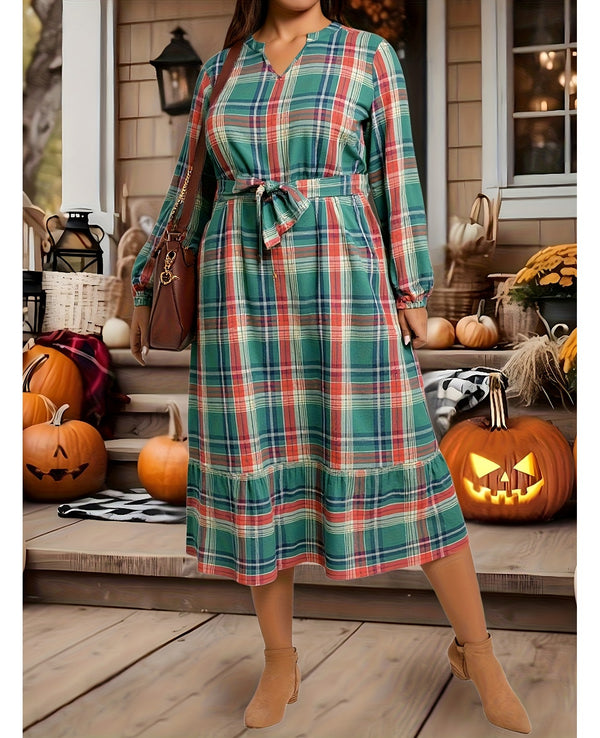
Try a dress with broad navy-and-cream checks beside dark red socks carrying a small cream motif. The dress uses straight lines, while the socks add a different shape. A plain navy jacket can bring the outfit together without another print. If the dress has a busy collar or decorative buttons, keep the necklace optional so you can decide which details you most want to notice.
For a quieter variation, choose socks whose background sits close to the darker check. The motif then becomes a detail you discover nearby. For a stronger variation, keep the red background visible below the hem. Compare those choices in the same shoes, with the same outer layer. Holding the rest of the outfit steady makes it easier to identify what you like about each version.
Dark florals with an echoed leaf color
A dark floral dress with burgundy flowers and muted green leaves offers several possible sock colors. Choose one existing color instead of introducing a new palette: burgundy with a cream motif feels connected, while deep green can emphasize the leaves. A plain charcoal cardigan and simple black shoes leave room for the floral and festive patterns. The print does not need to be small or discreet to look intentional.
Before buying for any of these combinations, browse the actual Christmas compression socks collection and compare the visible design with your dress. These outfits are inspiration, not a claim that every illustrated colorway is stocked. Check each product's own information, including its measurements and care instructions. If the pattern you like lacks a suitable fit, another combination deserves your attention.
Keep the shoes and extra layers comfortable
Loafers give a patterned-dress outfit a straightforward finish, but only if the shoe accommodates the sock. Try the complete pairing indoors where the return policy permits. Notice the toe area, the heel, and the top of the shoe while standing and walking. A familiar shoe can feel different with a different sock thickness. Do not assume a festive pair will behave exactly like the thin socks already in your drawer.
Plain shoes provide a useful pause between patterns. Black loafers can sit quietly beneath navy, burgundy, and cream, while a deep brown pair brings a warmer note. Decorative buckles are optional. If you prefer a patterned shoe as well, look at the whole outfit and decide whether the extra detail adds something you enjoy. There is no requirement to limit yourself to a fixed number of prints.
For winter layers, test the way fabrics meet rather than adding them automatically. A heavy dress, thick socks, and a warm cardigan can feel different indoors from outdoors. Choose a removable outer layer when that suits the setting. Avoid stacking another tight sock or hosiery layer over compression to adjust the color; ask the manufacturer or a qualified healthcare professional about layering when you need individual guidance.
A spare pair of ordinary socks can offer an outfit option if you decide compression is not comfortable or suitable. Changing your plans is allowed. Shoes and layers should make the gathering easier to enjoy, rather than turn getting dressed into a test of endurance. You can retain the shared-color idea with a different sock construction and still have an outfit that feels thoughtfully assembled.

Put fit before the final decorative detail
A beautiful print cannot compensate for an unsuitable fit. Read the individual size chart rather than choosing by clothing size or an assumed plus-size label. Where the chart requests them, compare ankle and calf measurements, foot size, and leg length. Measure both legs without pulling the tape tight. If the measurements do not fit a single listed size, ask for product-specific guidance instead of forcing the closest option.
When comparing the plus-size compression sock options, look for the information you need to make that decision. A collection name does not establish the fit or suitability of every pair. Check the individual listing and contact the seller when details are missing. Your body does not need correcting because a particular garment's chart does not describe it.
With the outfit on, check that the sock lies smoothly and the cuff is not folded. Pain, numbness, or other concerning discomfort is a reason to remove the garment and seek qualified advice rather than continue the styling experiment. Do not select a pressure level from an outfit photograph. Discuss compression strength, circulation questions, or extended wearing plans with a qualified healthcare professional who can consider your circumstances.
Finish with a simple clothing check: can you sit comfortably, move your arms, and walk in the shoes? Does the dress fabric catch the socks? Is the pattern combination enjoyable when you see the whole outfit? Save a photo if you want to recreate it, then follow the garment labels for washing and storage. The successful result is an outfit you can enjoy wearing, with details you chose for yourself.
Frequently asked questions about patterned-dress outfits
Can I mix Christmas sock motifs with a floral dress?
Yes, as a styling choice. Start by repeating one color across the dress and socks, then compare the size and spacing of the prints. A floral dress with a small festive repeat can feel connected without matching exactly. Check the individual sock's fit and suitability separately from its appearance.
Do plus-size women need to avoid large dress prints?
No. Your body size does not determine which print scale you can enjoy. Large flowers, small dots, and broad checks are all options. Compare the dress with the actual sock pattern and choose the relationship you like, whether that creates a quiet combination or a bold contrast.
Should my shoes match the sock background?
They do not have to. A plain neutral shoe can connect several colors, while a contrasting shoe can become another feature. Check shoe volume and comfort with the intended socks. If the pairing feels cramped, change the shoe or garment rather than sacrificing comfort for a color match.
Can I fold the cuff to show less sock pattern?
Keep compression socks arranged according to their manufacturer instructions, with the cuff smooth rather than folded for decoration. Adjust the dress length or choose another suitable sock if you want a different amount of pattern visible. Ask for qualified guidance if fit or wearing comfort remains uncertain.