Die Football-Saison schleicht sich immer so schnell an. Eine Woche tragen Sie noch Sandalen, und in der nächsten stehen Sie um neun Uhr morgens auf einem Schotterparkplatz und sehen Ihren eigenen Atem. Die besten Plus-Size-Outfits für den Spieltag sind nicht um ein perfektes Oberteil herum aufgebaut – sie sind als System konzipiert, das Sie von einem sonnigen Tailgate über vier Stunden auf einer kalten Metalltribüne und zurück zu einem dunklen Parkplatz ohne eine einzige unangenehme Strecke dazwischen trägt.
Dieser Leitfaden ist für Frauen in den US-Größen 14 bis 32, die so auftreten möchten, wie sie sind: temperamentvoll, gepflegt und wirklich warm. Alles unten geht von realen Bedingungen aus – Beton unter den Füßen, Wind im Rücken und keine Möglichkeit, nach Hause zu laufen und sich umzuziehen. Kein geliehenes Herren-Jersey erforderlich.

Warum der Spieltag einen eigenen Outfit-Plan verdient
Die meisten Ratschläge behandeln ein Footballspiel als eine einzige Anziehungsentscheidung. Das ist es nicht. Der Spieltag ist eine Abfolge von sehr unterschiedlichen Umgebungen, und das Outfit, das in der einen funktioniert, wird in der anderen aktiv versagen.
Der Temperaturschwank zwischen Tailgate und Stadion ist das eigentliche Problem
Ein Kickoff im September kann bei 23 °C auf einem sonnigen Parkplatz beginnen und bei 9 °C unter Stadionlichtern enden. Den größten Teil dieser Schwankung erleben Sie im Stehen. Beim Tailgate bewegen Sie sich in direkter Sonne und es ist wärmer, als die Vorhersage vermuten ließ. Auf den Sitzen sind Sie unbeweglich, von der oberen Tribüne beschattet und fangen Wind ein, der durch den Umlauf strömt. Dann geht die Sonne im dritten Viertel unter. Ein einziges Kleidungsstück kann nicht alle drei Momente abdecken; eine Stapel dünner Kleidungsstücke kann es.
Sie sind viel länger auf den Beinen, als Sie denken
Rechnen Sie es ehrlich zusammen: Parken und Hineinlaufen, zwei Stunden Tailgating, eine Sicherheitskontrolle, der Umlauf, dann über drei Stunden Stehen bei jedem wichtigen Spielzug. Ein typischer Spieltag dauert sechs bis acht Stunden. Das verändert das ganze Outfit. Ihre Schuhe sind wichtiger als Ihr Oberteil, und Ihr Bund ist wichtiger als Ihre Ohrringe. Alles, was in der ersten Stunde zwickt, wird in der sechsten Stunde wirklich weh tun.
Tribünen sind kälter und härter als jeder Stuhl, den Sie besitzen
Aluminium verhält sich wie eine Kühlplatte und entzieht Ihrem Körper Wärme viel schneller als Luft. Auf einer nackten Bank bei 10 °C zu sitzen, fühlt sich dramatisch kälter an als bei gleichem Wetter zu stehen, und Betonreihen sind kaum besser. Das macht das Stoffgewicht über Ihrem Gesäß und Ihren Oberschenkeln zu einer Komfortfrage, nicht zu einer Stilfrage – und es macht ein Stadionkissen oder eine zusammengefaltete Decke zu einem der wertvollsten Dinge, die Sie mitnehmen können.
Erstellen Sie ein Schichtensystem, nicht ein einzelnes Outfit
Schichten bedeutet nicht einfach „eine Jacke tragen“. Ein funktionierendes System hat drei Aufgaben – Schweiß von der Haut ableiten, warme Luft einschließen, Wind abhalten – und jede erhält ihr eigenes dünnes Teil. Drei leichte Schichten sind besser als eine schwere Jacke, denn Sie können sie einzeln ausziehen.
Schicht eins: eine Basis, die Feuchtigkeit reguliert
Ihre Basisschicht liegt direkt auf der Haut und ihre einzige Aufgabe ist es, Sie trocken zu halten. Sie werden beim Tailgate schwitzen und dann drei Stunden lang still sitzen, und feuchte Baumwolle in einem kalten Stadion ist der schnellste Weg, die ganze Nacht zu frieren. Wählen Sie ein langärmeliges T-Shirt aus einer Kunstfaser-Mischung, Merino oder einem Modal-lastigen Strick. Es sollte eng, aber nicht komprimierend sitzen und lang genug sein, damit es beim Anheben der Arme nicht verrutscht.
Schicht zwei: Isolierung, die Sie ohne Aufsehen entfernen können
Dies ist Ihr Sweatshirt, Fleece, Flanell oder eine gesteppte Weste, und das entscheidende Merkmal ist, dass es sich öffnen lässt. Eine halbe, ganze Reißverschluss- oder Knopfleisten-Schicht kann belüftet oder ausgezogen werden, während Sie zwischen zwei Personen auf einer Bank eingeklemmt sind. Ein Pullover-Hoodie kann das nicht, weshalb viele von uns überhitzen und dann frieren. Wenn Sie eine Mid-Layer für den Spieltag besitzen, dann machen Sie es zu einem Fleece mit Reißverschluss in Teamfarben.
Schicht drei: Eine Hülle, die Wind und Nieselregen abhält
Wind ist das, was ein kaltes Spiel wirklich ruiniert. Ein dünner, ungefütterter Windbreaker oder eine packbare Regenjacke fügt fast kein Volumen hinzu, verändert aber die gefühlte Temperatur enorm und lässt sich klein zusammenpacken. Wenn Regen auch nur möglich ist, wählen Sie eine mit Kapuze, da die meisten Stadien keine Regenschirme erlauben.
Passen Sie Ihre Schichten so an, dass sie tatsächlich übereinander passen
Das ist der Schritt, den die meisten Anleitungen überspringen. Kaufen Sie jede Schicht in der gleichen Größe, und die äußeren werden sich, einmal gestapelt, eng über Brust, Rücken und Oberarme ziehen. Behalten Sie Ihre Basisschicht in Ihrer wahren Größe, aber geben Sie der Mittelschicht und der Hülle an den Schultern und Ärmeln zusätzlichen Platz – oft nur in diesen beiden Teilen eine Nummer größer. Testen Sie den vollständigen Stapel zu Hause und strecken Sie sich direkt über den Kopf.
Warum Leggings die Arbeitspferde des gesamten Systems sind
Wenn Sie einen Teil dieses Outfits sorgfältig zusammenstellen, dann ist es die untere Hälfte. Leggings lassen sich unter einem Rock tragen, in Stiefel stecken, dehnen sich, wenn Sie Tribünenstufen erklimmen, und kneifen nie, wenn Sie drei Stunden sitzen. Eine gut gewählte dicke, blickdichte Plus-Size-Leggings übertrifft Jeans in fast allen Spieltagbedingungen – aber die Details sind wichtig.
Blickdichte ist nicht verhandelbar
Sie werden sich bücken, Stufen steigen und auf gestuften Sitzen sitzen, wobei Leute direkt hinter Ihnen sind. Leggings, die den Spiegeltesst zu Hause bestehen, bestehen möglicherweise den Stadiontreppen-Test bei hellem Nachmittagslicht nicht. Achten Sie auf ca. 280–360 g/m², oder Beschreibungen wie „Doppelstrick“, „gebürstet“ oder „hochdicht“. Der Heim-Check: Dehnen Sie den Stoff vor einem Fenster fest über Ihre Handfläche. Wenn Sie Ihre Hautfarbe hindurchlesen können, ist er zu dünn.
Rise: Immer volle Abdeckung wählen
Ein hoher Bund, der auf oder knapp über Ihrer natürlichen Taille sitzt, ist die beste Passform-Entscheidung für den Spieltag. Er bleibt an Ort und Stelle, wenn Sie sich auf eine Bank fallen lassen, schließt die kalte Lücke an Ihrem unteren Rücken und erspart Ihnen das Zupfen am Bund jedes Mal, wenn Sie aufstehen. Mid-Rise-Paare, die sich auf dem Sofa gut anfühlen, neigen dazu, unter einem Mantel und einem Taschenriemen herunterzurutschen.
Roll-down des Bundes und wie man ihn tatsächlich stoppt
Das Herunterrollen des Bundes tritt auf, wenn der Bund zu schmal für die Aufgabe ist oder der Stoff dehnbar ist, aber nicht ausreichend zurückspringt. Drei Lösungen, nach Wirkung geordnet. Wählen Sie einen breiten Bund, vier Zoll oder mehr, da ein zwei Zoll breiter Bund jedes Mal knittert und sich faltet. Verkleinern Sie nicht die Größe in der Hoffnung auf einen festeren Halt – ein zu kleiner Bund wird von Ihrem Körper nach unten gedrückt, anstatt ihn zu halten. Und bevorzugen Sie eine geklebte Naht oder einen inneren Zwickel gegenüber einem einfachen Gummizug.
Beurteilen Sie die Innenbeinlänge im Sitzen
Leggings, die im Stehen Ihren Knöchel streifen, rutschen beim Sitzen mit angewinkelten Knien zwei oder drei Zoll nach oben, und die Lücke zwischen Saum und Stiefel ist genau der Ort, an dem kalte Luft eindringt. Wenn Sie zwischen zwei Längen schwanken, nehmen Sie die längere. Sparen Sie sich verkürzte und 7/8-Längen für die Sportbar, kombiniert mit hohen Socken.
Oberschenkelreiben, ehrlich angesprochen
Sechs Stunden Gehen auf Beton bei warmem Wetter verursacht bei vielen Körpern Scheuern, und das sagt nichts über Sie aus. Lange Leggings lösen das Problem vollständig, indem sie eine glatte Schicht zwischen den Hautoberflächen legen; mittelhohe Shorts tun dasselbe unter einem Rock oder Kleid. Balsam hilft als Backup, aber Stoff ist über einen langen Tag zuverlässiger. Wählen Sie Flatlock- oder geklebte Nähte, da eine dicke, erhabene Innennaht, die stundenlang an einer Stelle reibt, ihre eigene Reizung erzeugt.
Fleecegefüttert versus Standardgewicht
Fleecegefütterte Leggings sind ausgezeichnet bei Temperaturen unter etwa 7 °C und zu warm darüber, und Sie können sie nicht mitten im Spiel ausziehen, behandeln Sie sie also als Verpflichtung. Für eine unsichere Wettervorhersage ist eine schwerere Leggings über einer dünnen Thermoleggings klüger – bei extremer Kälte marginal weniger gemütlich, aber viel nachsichtiger, wenn der Nachmittag mild wird.
Jenseits von Leggings: Röcke, Kleider und Overalls
Leggings sind die Basis, nicht die ganze Garderobe. Viele von uns wünschen sich mehr Form oder mehr Eleganz, besonders für eine Sportsbar oder einen warmen Nachmittag zu Beginn der Saison.
Die Rock-über-Strumpfhosen-Formel
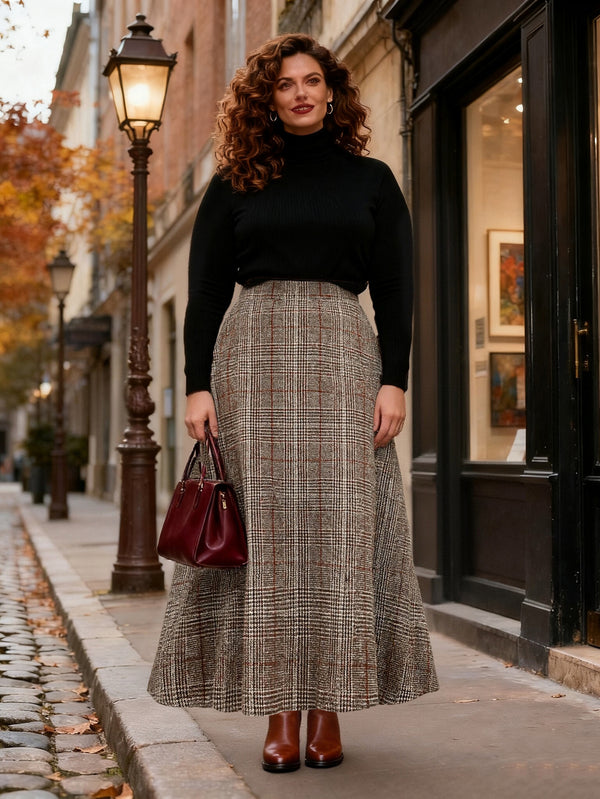
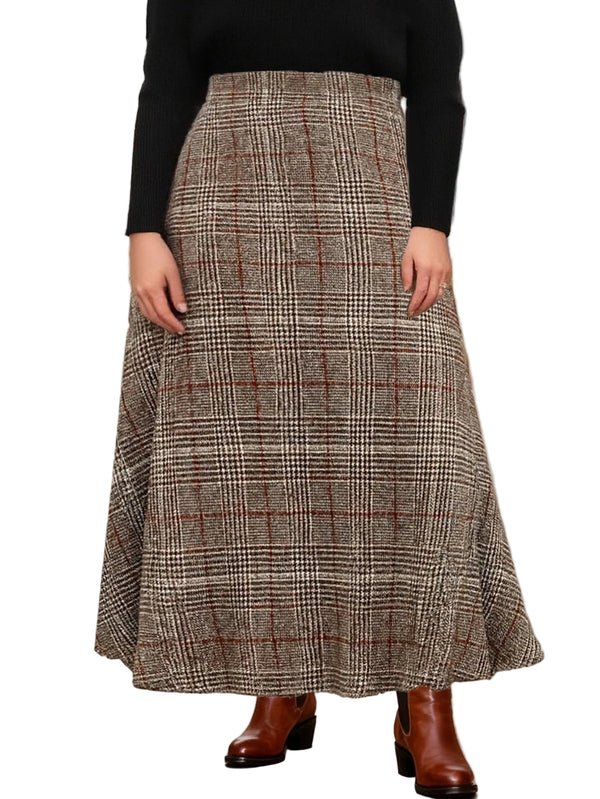
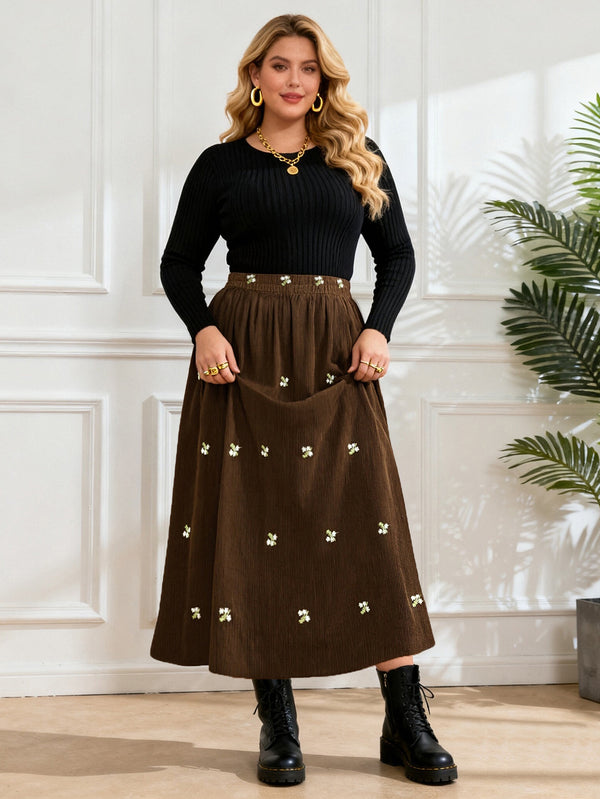
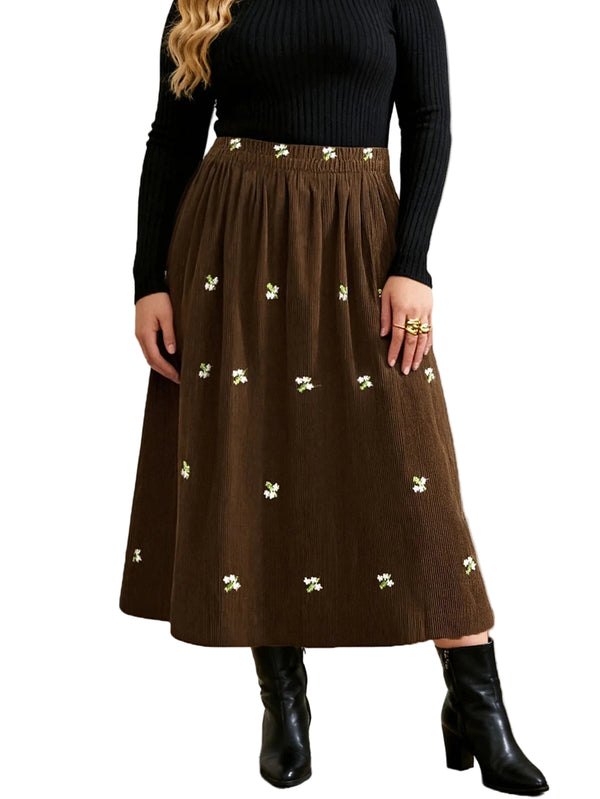
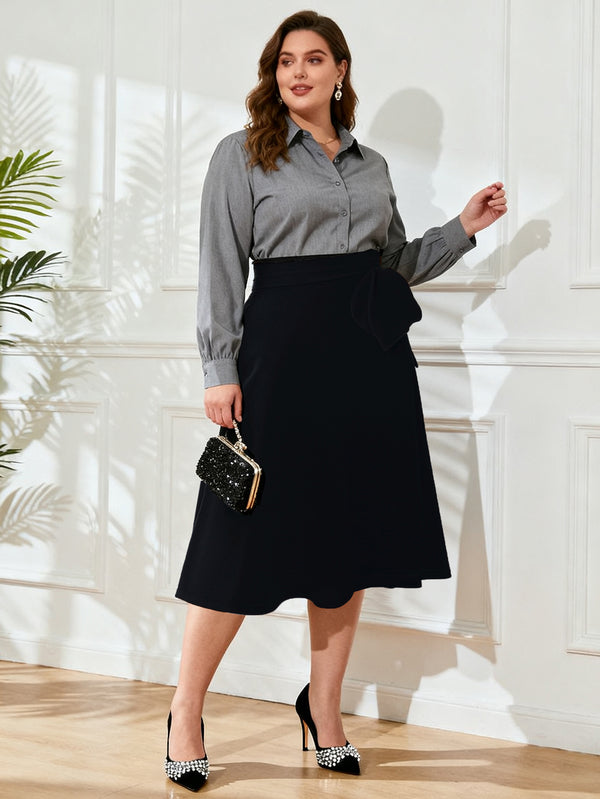
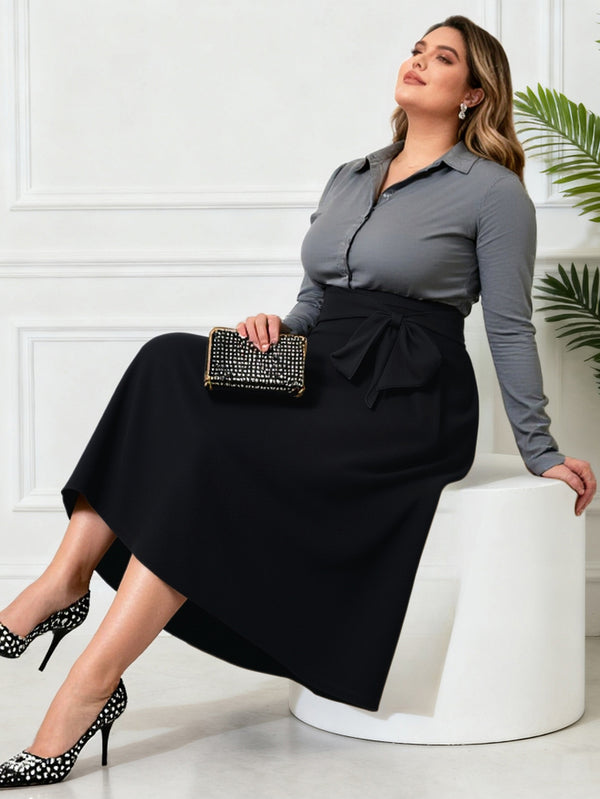
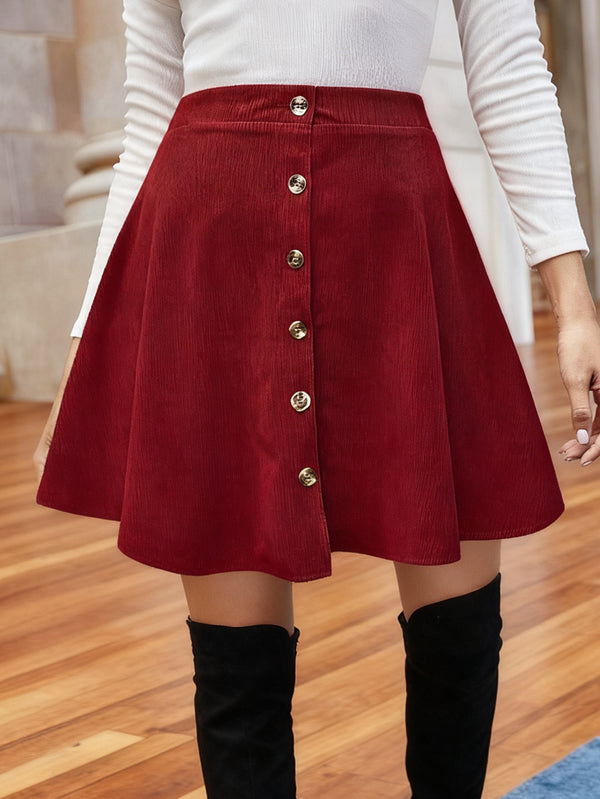
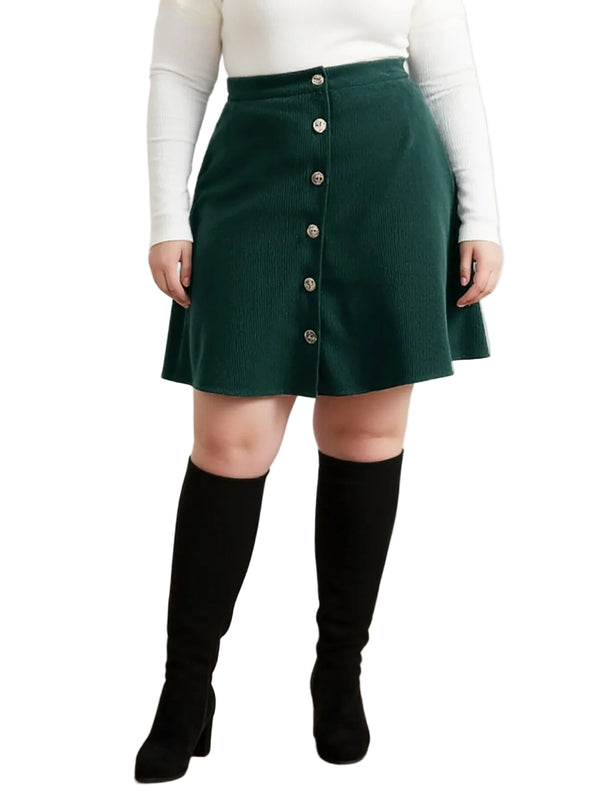
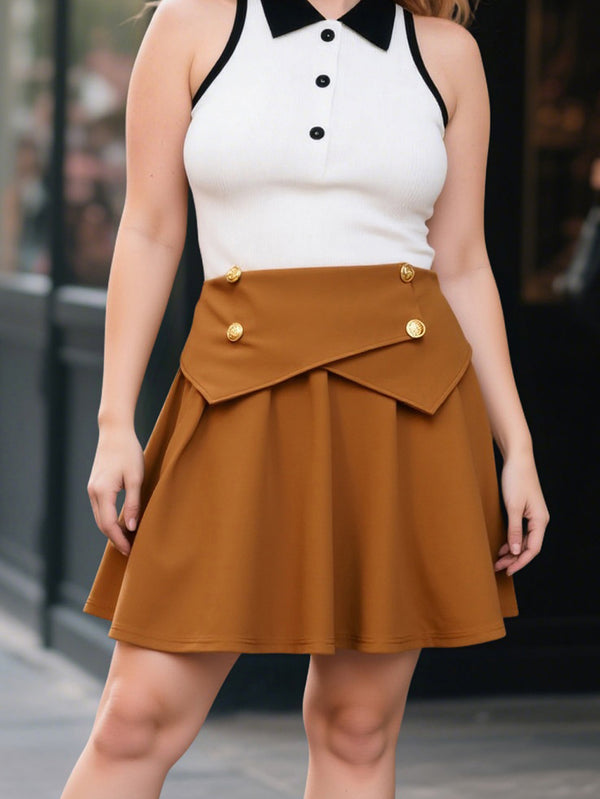
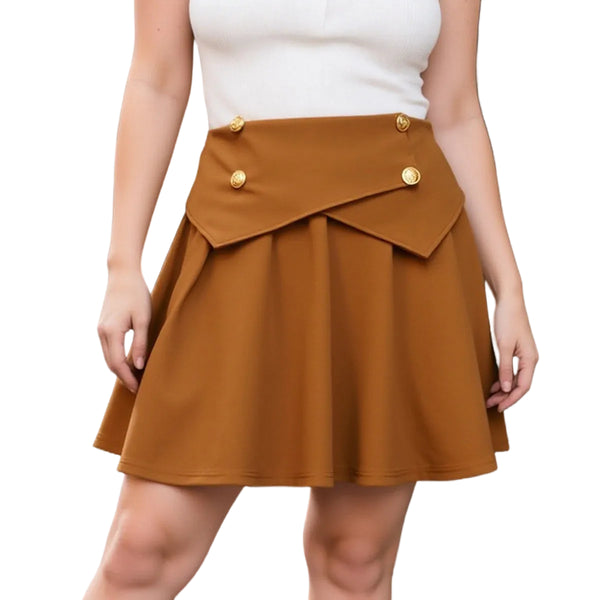
Ein Strick- oder Cordrock über blickdichten Strumpfhosen ist der zuverlässigste Look bei kühlem Wetter. Es wirkt durchdachter als Leggings allein, und zwei Schichten sind wärmer als eine Jeans. Wählen Sie einen Strick- oder elastischen Bund, damit das Sitzen bequem bleibt, und überprüfen Sie die Länge im Sitzen – alles, was hochrutscht, wird Sie den ganzen Tag lang anpassen lassen. A-Linien- und gerade Midiformen eignen sich beide gut für Tribünen.
Ein Strickkleid mit echten Strumpfhosen darunter
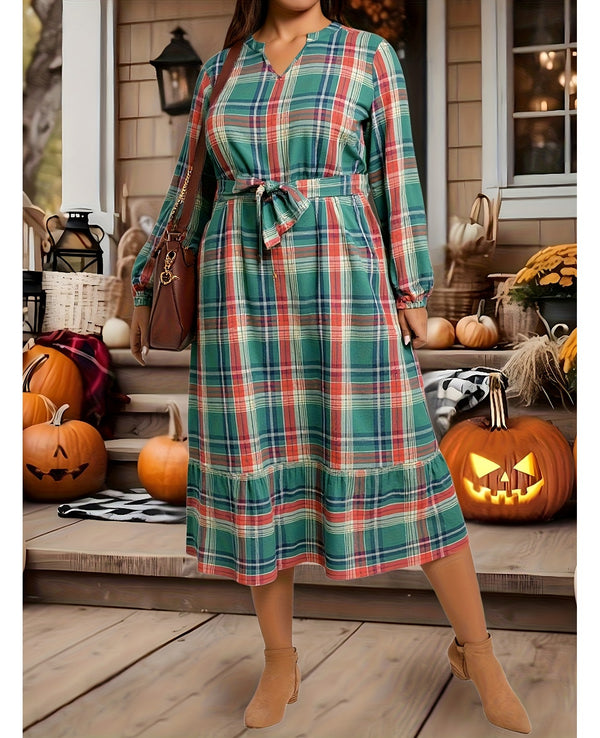
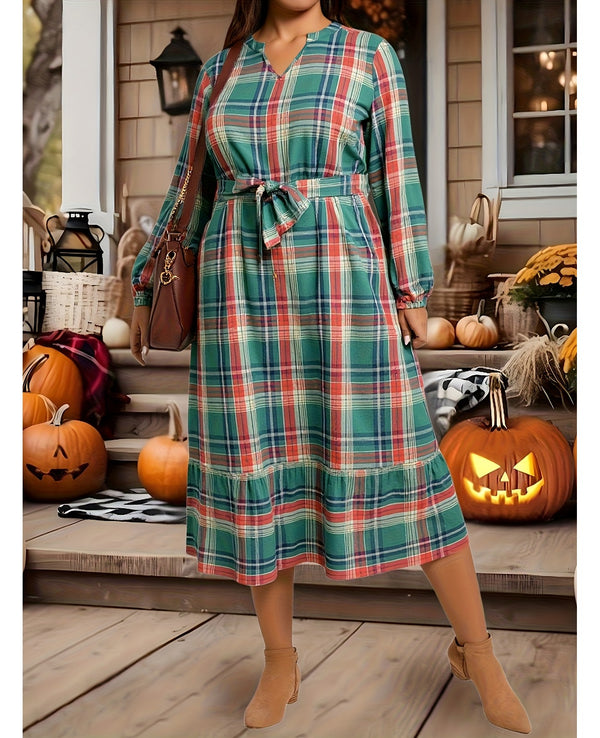
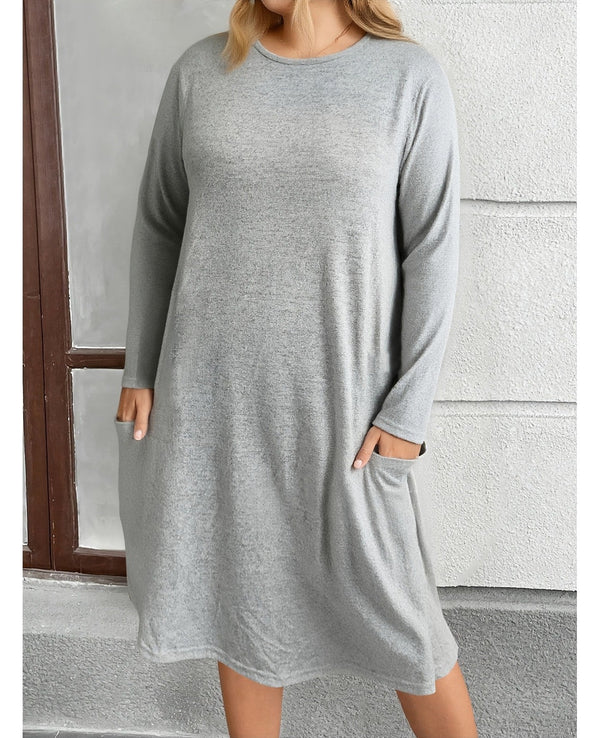
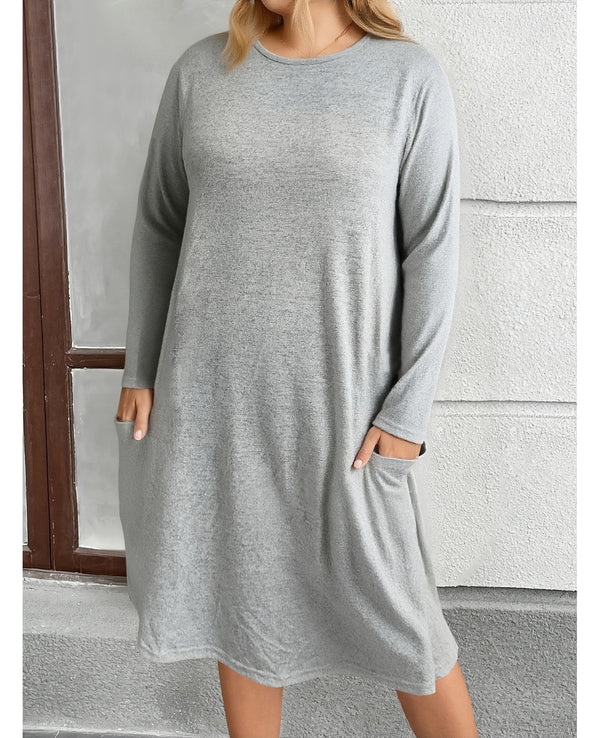
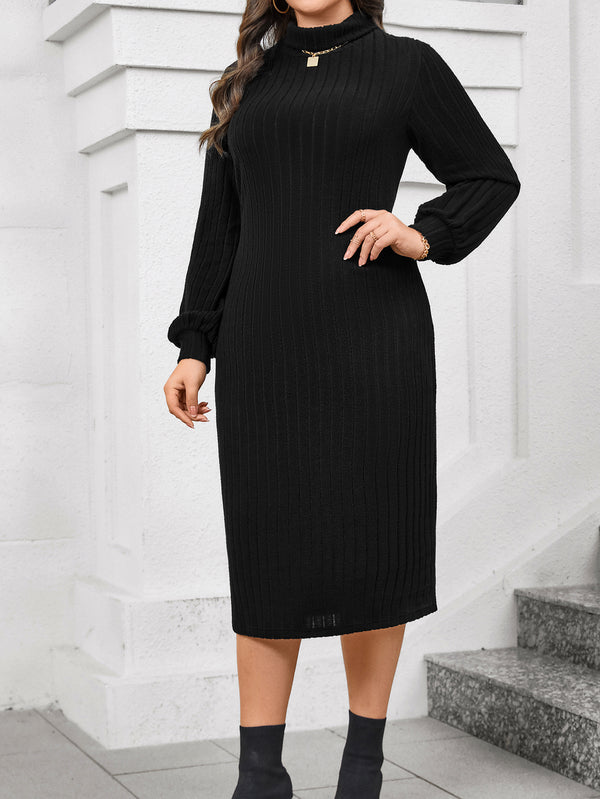
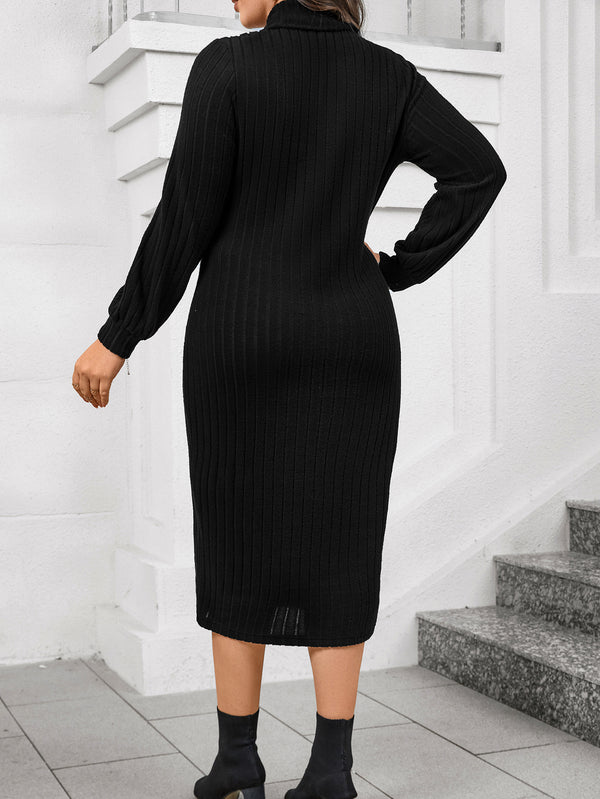
Ein Strickkleid ist das Nächstbeste zu einem mühelosen Outfit für kalte Spieltage, solange Sie die Strumpfhose ernst nehmen. Durchsichtige 20-Denier-Strumpfhosen sind dekorativ; Sie wollen 80 Denier oder dicker, oder fleecegefüttert, wenn es wirklich kalt ist. Fügen Sie hohe Stiefel und einen langen Cardigan oder ein Shacket hinzu, und Sie haben einen fertigen Look aus drei Entscheidungen.
Jumpsuits und Overalls: die All-in-One-Option
Overalls sind ein wirklich großartiges Kleidungsstück für den Tailgate. Sie lassen sich über alles schichten, der Latz wärmt die Brust, die Taschen erweisen sich als nützlich, und verstellbare Träger sorgen dafür, dass die Passform mit einem oder drei Hemden darunter funktioniert. Strick- oder Twill-Jumpsuits erfüllen dieselbe Aufgabe mit einer eleganteren Linie. Die einzige echte Vorsichtsmaßnahme ist die Badezimmerlogistik während eines sechsstündigen Stadiontages – das sollte man abwägen, bevor man sich festlegt.

Teamfarben ohne das übergroße Herren-Trikot
Sie müssen sich nicht entscheiden, ob Sie Ihr Team unterstützen oder etwas tragen möchten, das Ihnen tatsächlich gefällt. Behandeln Sie Teamfarben als Palette statt als Uniform.
Neutral beginnen, Farbe oben hinzufügen
Bauen Sie das Fundament in Schwarz, Anthrazit, Creme oder Denim auf und lassen Sie dann die Teamfarben in der Nähe Ihres Gesichts und in Ihren Accessoires leben. Schwarze Leggings mit einem scharlachroten Reißverschluss-Fleece oder cremefarbene Leggings mit einem marineblauen Flanell wirken unverkennbar als Teamgeist, bleiben aber viel tragbarer als Farbe von Kopf bis Fuß. Das bedeutet auch, dass der größte Teil Ihres Outfits bereits in Ihrem Kleiderschrank ist und im November wieder getragen wird.
Verwenden Sie ein grobes 60-30-10-Verhältnis
Borgen Sie sich das Designer-Verhältnis: etwa sechzig Prozent neutral, dreißig Prozent Ihre primäre Teamfarbe, zehn Prozent Akzent. Für ein grün-goldenes Team sind das schwarze Leggings und Stiefel, ein grünes Sweatshirt und eine goldene Mütze und Socken. Das Ergebnis wirkt absichtlich statt verkleidet.
Socken und Accessoires leisten überraschende Arbeit
Die günstigste Art, Teamfarben zu treffen, ist an den Knöcheln und am Kopf. Gestreifte oder farblich abgesetzte Crew-Socken in Ihren Teamfarben, die über einem Stiefel hervorblitzen, signalisieren genau das, was Sie wollen, kosten einen Bruchteil eines Trikots und halten Ihre Füße auf kaltem Beton warm. Fügen Sie eine Mütze, einen Schal, einen Haargummi oder eine Nagellackfarbe hinzu, und Sie sind voll im Geist, ohne ein einziges großes Kleidungsstück zu kaufen.
Wenn Sie das Trikot lieben, stylen Sie es bewusst
Nichts davon spricht gegen Trikots – nur gegen das Tragen eines unförmigen als Standard. Tragen Sie es als Schicht mit Absicht: über einem figurbetonten Langarm-Base-Layer, vorne halb in einen hohen Bund gesteckt, Ärmel hochgeschoben, Leggings und Stiefel darunter. Oder wählen Sie eine Nummer kleiner und fügen Sie einen Gürtel hinzu. Das Kleidungsstück ist nicht das Problem; das Problem ist, es das ganze Outfit verschlucken zu lassen.
Schuhwerk und Socken für über fünf Stunden auf Beton
Das ist der Teil, den die Leute am meisten bereuen. Beton ist unnachgiebig, Stadien haben Treppen, und auf dem Rückweg zum Auto gibt es kein Sitzen.
Wählen Sie einen Schuh mit echter Zwischensohle
Dämpfung ist das A und O. Ein stützender Sneaker, ein Stiefel mit Profilsohle und gedämpftem Fußbett oder ein Wanderschuh mit echter Fußgewölbestütze hält Sie bis zur siebten Stunde bequem. Flache Canvas-Sneaker, dünne Ballerinas und hartbesohlte Modestiefel werden das nicht. Wenn Sie Orthesen tragen, bringen Sie diese mit und wählen Sie einen Schuh mit herausnehmbarer werkseitiger Einlegesohle, damit sie richtig sitzen.
Platz für Schwellungen lassen
Füße schwellen an einem langen Tag im Stehen an, besonders bei warmem Wetter. Schuhe, die um neun Uhr morgens perfekt passen, können im vierten Viertel eine Nummer zu klein wirken. Lassen Sie im Zehenbereich Platz, oder wählen Sie eine halbe Nummer größer und gleichen Sie den Spielraum mit dickeren Socken aus. Schnürsenkel ermöglichen es Ihnen, die Dinge später am Tag zu lockern; Slip-Ons tun das nicht.
Stiefel: Was zu beachten ist, was zu vermeiden ist
Für kalte Spiele ist ein wasserdichter Stiefel mit Profilsohle und isoliertem Futter ideal, da Parkplätze oft Schotter und Matsch statt Pflaster sind. Überprüfen Sie den Schaftumfang vor dem Kauf, wenn Sie kräftigere Waden haben – viele Stiefel sind schmal geschnitten, und eine Weitschaftoption ist über Leggings wesentlich bequemer. Verzichten Sie ganz auf Absätze; Stadiontreppen sind steil, uneben und oft nass.
Socken als Ausrüstung betrachten
Die richtige Socke ist Dämpfung, Feuchtigkeitsregulierung und Isolierung zugleich. Vermeiden Sie dünne Baumwolle, die Schweiß speichert und dann kalt wird. Suchen Sie nach gepolsterten Baumwollmischungen, Merinowolle oder Performance-Stricksocken mit verstärkten Fersen und Zehen. Die Crew-Höhe ist der Sweet Spot, da sie die Lücke zwischen Leggingssaum und Stiefelschaft abdeckt, genau dort, wo kalte Luft eindringt.
Das Zwei-Socken-System für wirklich kalte Spiele
Bei Temperaturen unter etwa 2 °C tragen Sie eine dünne Innensocke unter einer dickeren, gepolsterten. Die Schichten gleiten aneinander statt an Ihrer Haut, was Blasen verhindert, und die eingeschlossene Luft isoliert besser als eine sehr dicke Socke. Stellen Sie sicher, dass Ihre Stiefel Platz für beide haben – ein komprimierter Fuß wird kälter, nicht wärmer, weil die Blutzirkulation eingeschränkt ist.
Zwei komplette Outfits, Ihre Tasche und die Reinigung
Hier ist alles oben Genannte in Formeln zusammengefasst, die Sie direkt übernehmen können. Passen Sie eine Variable nach der anderen an Ihre Wettervorhersage an.
Die Warmwetterformel, ca. 18–27 °C
Beginnen Sie mit High-Rise-Leggings aus einem atmungsaktiven mittelschweren Strick oder einem Strick-Midi-Rock mit mittelhohen Shorts darunter. Fügen Sie ein eng anliegendes, halb eingestecktes Teamfarben-T-Shirt hinzu. Tragen Sie darüber ein leichtes Flanellhemd oder ein offenes Hemd, das Sie bei Höchsttemperaturen um die Taille binden können. Vervollständigen Sie das Outfit mit gepolsterten Crew-Socken, unterstützenden Sneakern, einer Mütze und einer Sonnenbrille. Bringen Sie das Flanellhemd mit, auch wenn die Wettervorhersage es nicht vorsieht – Abendspiele kühlen nach Sonnenuntergang immer noch um zehn bis fünfzehn Grad ab.
Die Kaltwetterformel, ca. -1 bis 10 °C
Basis: ein thermisches Langarmshirt mit fleecegefütterten Leggings oder eine thermische Leggings unter einer schweren. Mitte: ein Fleece mit Reißverschluss oder ein schweres Sweatshirt in Ihren Teamfarben. Außen: eine isolierte Jacke oder eine Shell über einer Weste. Fügen Sie einen Strickrock oder einen langen Pullover über den Leggings hinzu, um zusätzliche Wärme an Gesäß und Oberschenkeln zu erhalten. Zwei-Socken-System, wasserdichte, isolierte Stiefel, eine ohrenbedeckende Mütze und Touchscreen-Handschuhe. Bringen Sie eine Decke oder ein Kissen mit – drei Stunden auf blankem Metall machen alles andere zunichte, was Sie richtig gemacht haben.
Was tatsächlich in Ihre Tasche gehört
- Eine packbare Shell oder eine Ersatzschicht — der am häufigsten verwendete Gegenstand, den Sie mitbringen werden.
- Eine zusammenfaltbare Decke oder ein Stadionkissen für kalte, harte Sitzgelegenheiten.
- Anti-Scheuer-Balsam und ein Blasenpflaster, denn sechs Stunden sind eine lange Zeit.
- Ein zusätzliches Paar Socken, falls Regen oder Schlamm auch nur im Entferntesten möglich ist.
- Handwärmer für Spiele in der Spätsaison, einer pro Tasche.
- Ein Akkupack, da Kälte Telefone schnell entlädt.
- Sonnencreme, auch im November. Die Stadion-Sonne ist unerbittlich.
Überprüfen Sie die Taschenrichtlinien Ihres Veranstaltungsortes eine Woche vorher, nicht erst am Morgen. Die meisten großen Stadien erlauben jetzt nur noch eine transparente Tasche von etwa 30 x 15 x 30 cm plus eine kleine Clutch, was ein weiteres Argument für eine dünne, packbare Hülle gegenüber einem sperrigen Ersatzmantel ist.
Nach dem Spiel: Waschen und Pflege
Ein langer Tag draußen bedeutet Schweiß, Sonnencreme, verschüttete Getränke und Parkplatzstaub. Leggings und Strumpfhosen auf links drehen und kalt im Schonwaschgang waschen. Verzichten Sie vollständig auf Weichspüler – er überzieht Elasthan, reduziert die Dehnungsfähigkeit und ist eine Hauptursache dafür, dass Leggings nicht mehr in Form bleiben. Zum Trocknen aufhängen oder flach auslegen statt hoher Hitze, da diese den Bund wirklich schädigt. Tun Sie dies alles noch am Abend Ihrer Rückkehr nach Hause, da sich Sonnencreme und Schweiß mit der Zeit im Stoff festsetzen.
Plus Size Spieltag Fragen, beantwortet
Was soll ich zu einem Footballspiel anziehen, wenn ich Plus Size habe und immer friere?
Priorisieren Sie drei dünne Schichten gegenüber einem dicken Mantel und achten Sie besonders auf Ihre Beine und Füße, wo die meiste Wärme beim Stillstand verloren geht. Eine Thermoleggings unter einer schweren Leggings, ein Strickrock oder ein langer Pullover, der Ihr Gesäß bedeckt, Crew-Socken aus Wollmischung, isolierte Stiefel und eine Mütze bewirken mehr als ein teurer Parka über dünnen Jeans. Eine Decke zwischen Ihnen und einer Metallbank ist der effektivste einzelne Gegenstand, den Sie mitbringen können.
Sind Leggings passend, um sie in einem Stadion zu tragen?
Ja, und sie gehören zu den praktischsten Optionen. Stadionkleidung ist grundsätzlich leger, und Leggings bewältigen Treppen, langes Sitzen und das Schichten besser als Jeans. Die einzigen wirklichen Anforderungen sind volle Blickdichtigkeit und ein hoher Bund, da Sie Treppen steigen und auf gestuften Sitzen sitzen werden. Kombinieren Sie sie mit einem längeren Oberteil, einer Tunika oder einem Rock, wenn Sie zusätzliche Bedeckung wünschen, und wählen Sie ein schwereres Stoffgewicht für kalte Spiele.
Wie verhindere ich, dass meine Leggings am Bund herunterrutscht?
Wählen Sie einen breiten Bund von vier Zoll oder mehr statt eines schmalen Zwei-Zoll-Bundes und widerstehen Sie dem Versuch, eine Nummer kleiner zu wählen – ein zu kleiner Bund wird von Ihrem Körper nach unten gedrückt, anstatt die Position zu halten. Suchen Sie nach einem hohen Bund, der auf oder über Ihrer natürlichen Taille sitzt, und einem Bund mit einer geklebten Naht oder einem inneren Zwickel statt eines einfachen Gummizuges. Kaltwäsche und Lufttrocknung bewahren die Elastizität, die den Bund an Ort und Stelle hält.
Wie zeige ich Teamgeist, wenn ich nichts in den Farben meines Teams besitze?
Beginnen Sie mit den Knöcheln und dem Kopf, den günstigsten Stellen, um Farbe hinzuzufügen. Teamfarbene Socken, eine Mütze, ein Schal, ein Haargummi oder eine Nagellackfarbe sind aus der Ferne gut erkennbar. Bauen Sie alles andere aus neutralen Farben auf, die Sie bereits besitzen – schwarze Leggings, ein cremefarbener Pullover, Denim – und lassen Sie diese kleinen Teile die Botschaft transportieren. Das wirkt durchdachter als ein übergroßes Grafik-T-Shirt und kostet viel weniger.