Pantoffeln in großen Größen: Der gemütliche Komfort-Guide für weite Passformen 2026
Aug 20, 2026

Es gibt eine besondere Art von Erleichterung, die sich einstellt, wenn man aus Straßenschuhen in etwas Weiches schlüpft. Für viele von uns ist dieser Moment der eigentliche Beginn des Abends. Und doch sind Plus Size Hausschuhe eines der am meisten übersehenen Stücke in einer gemütlichen Garderobe – das, was wir zuletzt kaufen, am seltensten ersetzen und uns am meisten damit zufriedengeben. Wenn Ihre Füße breit sind, Ihr Spann hoch ist oder eine Standardgröße „L“ noch nie ganz gepasst hat, kennen Sie bereits die Frustration, sich in Schuhe zu zwängen, die eindeutig für die Proportionen einer anderen Person gemacht wurden.
Dieser Leitfaden soll das ändern. Wir werden durchgehen, wie Weite und Volumen bei Hausschuhen tatsächlich funktionieren, was eine Fußgewölbestütze Ihnen an einem langen Tag zu Hause bringt, welche Hausschuhsilhouetten zu verschiedenen Füßen und Räumen passen und wie Sie eine Herbst- und Winterrotation aufbauen, die Ihre Zehen vom ersten kalten Morgen bis zum Ende des Tauwetters warm hält. Kein Einzwängen, kein Kompromiss – einfach Schuhe, die zu den Füßen passen, die Sie bereits haben.
Warum Hausschuhe mehr Aufmerksamkeit verdienen, als sie bekommen
Denken Sie darüber nach, wie viele Stunden Sie in den kälteren Monaten tatsächlich zu Hause verbringen. Zwischen Arbeiten, Kochen, Wäschewaschen und hundertmal am Tag denselben Flur entlanggehen, legen die meisten Menschen im Winter mehr Schritte drinnen als draußen zurück. Ihre Füße arbeiten die ganze Zeit, auf harten Böden, in etwas, das sie vor zwei Wintern im Sale gekauft haben, mit einer Sohle, die zu einem Pfannkuchen zusammengedrückt ist.
Schuhe für größere Körper waren historisch gesehen ein nachträglicher Gedanke, und Hausschuhe stehen ganz am Ende dieser Straße. Größen hören früh auf, Weiten werden selten angeboten, und viele Marken verwenden immer noch vage S/M/L-Etiketten, die auf eine schmale Fußschablone abgebildet sind und die Länge skalieren, ohne jemals das Volumen zu ändern. Das Ergebnis drückt am Fußballen, schneidet in den Spann und rutscht an der Ferse ab – und dann geben wir unseren Füßen die Schuld dafür.
Hier ist die Umformulierung, die es wert ist, beibehalten zu werden: Ihre Füße sind nicht das Problem, die Schablone ist es. Breite Füße sind extrem häufig. Das Körpergewicht verteilt sich natürlich über eine breitere Auflagefläche, was mehr Bodenkontakt, mehr Druck durch das Fußgewölbe und einen echten Bedarf an Struktur unter dem Fuß bedeutet. Gut gemachte Plus Size Hausschuhe berücksichtigen all das. Sie geben Weite, wo Sie Weite brauchen, Tiefe, wo Ihr Spann hoch ist, und Halt, wo Ihr Fußgewölbe echte Arbeit leistet. Wenn Sie endlich ein Paar finden, das passt, merken Sie es am Ende des Tages in Ihren Knien und Ihrem unteren Rücken, nicht nur in Ihren Zehen.
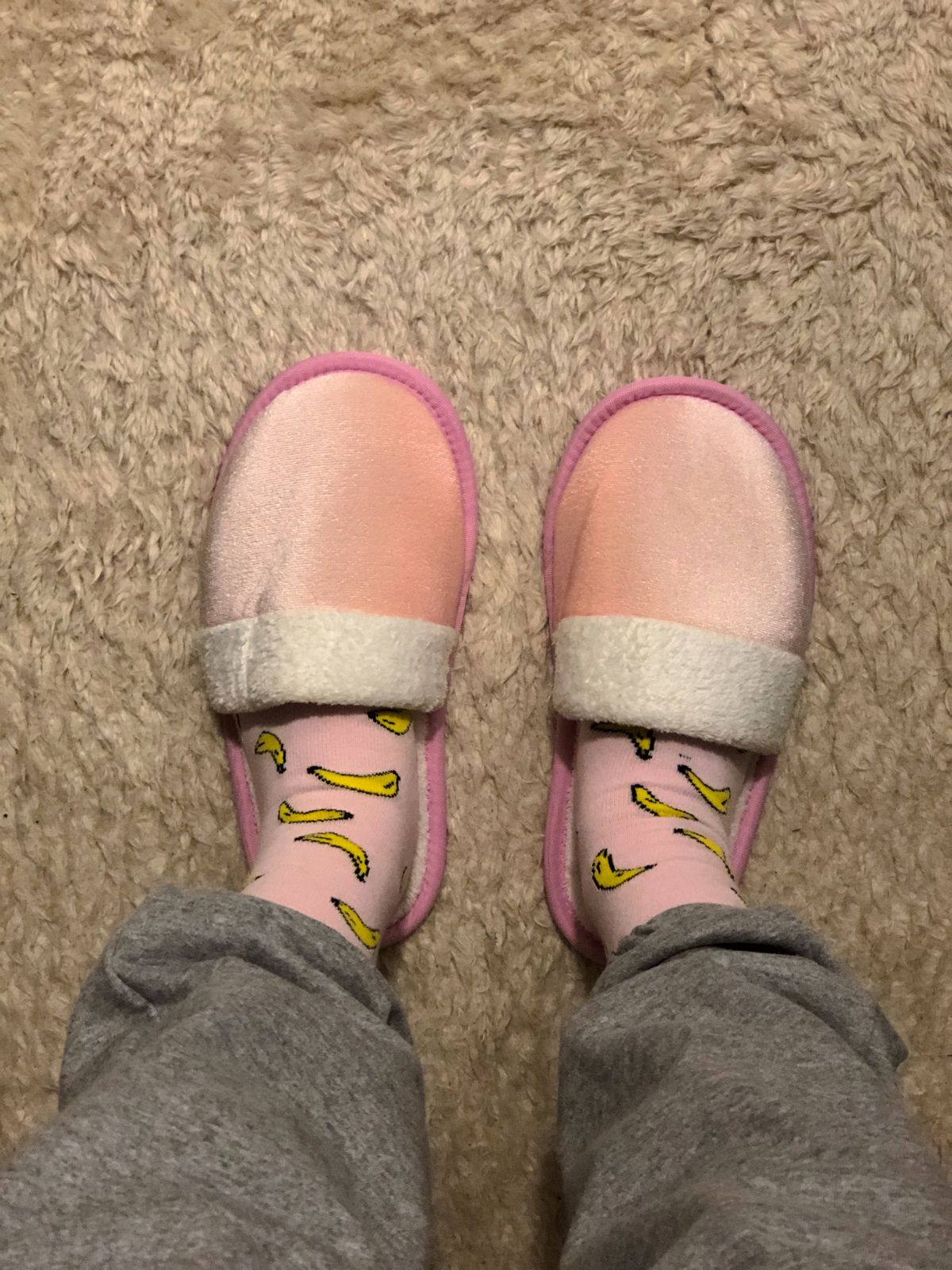
Wie die Passform von Hausschuhen tatsächlich funktioniert: Länge, Breite und Volumen
Die meisten Passform-Enttäuschungen entstehen, wenn Schuhe als Einzelmessung behandelt werden. Die Länge ist nur eine der drei wichtigen Zahlen, und sie ist wohl die am wenigsten interessante.
Breite ist eine eigene Messung, kein längerer Schuh
Die Schuhbreite läuft auf einer völlig separaten Skala von der Länge. Bei US-Damengrößen wird B als Standard behandelt, D ist weit und 2E (manchmal EE geschrieben) ist extra weit. Ein Fuß, der über den Ballen breit ist, benötigt einen Leisten – die geformte Form, um die ein Schuh gebaut wird –, der im Vorderfußbereich tatsächlich breiter ist. Wenn man zwei volle Größen nach oben geht, erhält man einen längeren Schuh mit nur geringfügig mehr Weite, und jetzt sitzt der breiteste Punkt des Schuhs vor dem breitesten Punkt des Fußes.
Wenn eine Marke keine Weiten veröffentlicht, lesen Sie stattdessen die Konstruktion nach Hinweisen. Obermaterial aus Stretchstrick, elastische Einsätze, verstellbare Riemen, offene Designs und Mokassin-Seitenähte nehmen einen breiteren Vorderfuß weitaus besser auf als ein starres, geformtes Obermaterial. Ein Stil, der als entspannt im Vorderfußbereich mit einem Stretcheinsatz über dem Spann beschrieben wird, ist in der Regel eine klügere Wahl als ein strukturierter in einer größeren Nummer.
Spannhöhe und Schafttiefe: die Variable, die niemand erwähnt
Ihr Spann ist die Oberseite Ihres Fußes, die von den Zehen zurück zum Knöchel verläuft. Manche Füße haben ein geringes Volumen und gleiten leicht unter einen Riemen; andere sind höher und benötigen einfach mehr vertikalen Raum. Dies ist die Messung, die für das enge Druckgefühl über dem Fußrücken verantwortlich ist, das eine rote Linie hinterlässt und Sie davon überzeugt, dass Sie einen längeren Schuh brauchen. Das brauchen Sie fast sicher nicht. Sie brauchen mehr Tiefe.
Suchen Sie nach einem tieferen Schaft, das ist das Panel, das den Fußrücken bedeckt, einem höher geschnittenen Kragen oder einem Obermaterial aus einem Material, das wirklich nachgiebig ist. Clogs mit geschlossener Zehenkappe, Stiefeletten mit breiter Öffnung und alles mit einem verstellbaren Riemen oder einem Wickelverschluss behandeln einen höheren Spann schonend. Schuhe mit dünnen Riemen und flachen Ausschnitten sind hier die am wenigsten nachgiebige Form, egal welche Größe Sie bestellen.
Am Ende des Tages, auf Papier, stehend messen
Füße schwellen im Laufe eines Tages an und breiten sich unter Belastung aus, was genau die Bedingung ist, unter der Sie Hausschuhe tragen werden. Zeichnen Sie abends beide Füße auf Papier, während Sie mit Ihrem vollen Gewicht stehen, und messen Sie dann von der Ferse bis zur längsten Zehe für die Länge und über den breitesten Teil des Ballens für die Breite. Eine leichte Asymmetrie ist völlig normal, passen Sie also immer an den größeren Fuß an und tun Sie dies alles mit den Socken, die Sie tatsächlich tragen möchten. Ein Viertel Zoll Platz vor Ihrer längsten Zehe ist ein sinnvolles Ziel – genug, damit nichts klemmt, nicht so viel, dass Sie schlurfen.
Fußgewölbestütze zu Hause: Das Komfort-Upgrade, das die meisten Leute überspringen
Wir akzeptieren ohne Widerspruch, dass ein Wanderschuh Struktur haben sollte. Dann kommen wir nach Hause, ziehen den Schuh aus und verbringen sechs Stunden barfuß oder in einem flachen Schaumstoffstück auf Fliesen, Laminat oder Hartholz – Oberflächen, die überhaupt keine Nachgiebigkeit haben. Wenn Ihre Füße abends schmerzen oder Ihre Fersen bei den ersten Schritten am Morgen empfindlich sind, sind ungestützte Stunden im Haus sehr oft Teil des Bildes.
Konturierte Fußbetten versus flacher Schaumstoff
Eine flache Schaumstoffeinlegesohle komprimiert sich unter Druck und bleibt dann komprimiert. Ein konturiertes Fußbett ist so geformt, dass es der Krümmung Ihres Fußgewölbes folgt, sodass sich die Last über eine viel größere Fläche verteilt, anstatt sich auf Ferse und Fußballen zu konzentrieren. Kork, geformtes EVA und Memory-Schaum auf einer festeren Basis leisten all dies gut. Achten Sie auf die Worte „konturiert“ oder „anatomisch“; „gepolstert“ allein bedeutet oft nur weich, und weich ohne Form kollabiert schnell.
Fersenschalen und warum sie so wichtig sind wie die Dämpfung
Eine ausgeprägte Fersenschale umschließt den hinteren Teil des Fußes und hält ihn zentriert, was das seitliche Wackeln verhindert, das Ihre Knöchel und Waden leise ermüdet. Es hält auch den Pantoffel am Fuß, ohne dass Sie mit den Zehen greifen müssen, eine Angewohnheit, die öfter Krämpfe und Ermüdung des Fußgewölbes verursacht, als die Leute merken. Geschlossene Modelle und Stiefeletten bieten dies natürlich. Wenn Sie eine offene Ferse lieben, suchen Sie nach einer tiefen, umrandeten Fersenschale statt nach einem flachen Polster.
Laufsohlen: Struktur, die Sie durch den Boden spüren können
Eine dünne Textilsohle überträgt jeden harten Boden direkt auf Ihren Fuß. Eine Gummi- oder TPR-Außensohle mit einigen echten Millimetern Dicke absorbiert Stöße, bietet Halt auf Fliesen und versiegeltem Holz und hilft dem Fußbett, seine Form zu behalten. Wenn Sie zu Hause Treppen haben, ist ein rutschfestes Profil kein Luxus – gemustertes Gummi ist deutlich sicherer als glattes Wildleder.
Anzeichen, dass Ihr aktuelles Paar Sie nicht mehr unterstützt
Drehen Sie Ihre Hausschuhe um und stellen Sie sie auf eine ebene Fläche. Wenn sie wackeln, nach innen neigen oder einen Fersenabdruck zeigen, der vom ganzen Raum aus sichtbar ist, ist die Struktur dahin. Andere verlässliche Anzeichen: Das Obermaterial hat sich so weit gedehnt, dass Ihr Fuß nach vorne rutscht, oder Sie haben angefangen, sie auszuziehen, um sich wohlzufühlen. Die meisten Alltagspaare bieten eine starke Saison echten Halt, gelegentlich zwei.
Hausschuh-Stile entschlüsselt: Silhouette passend zu Fuß und Raum
Es gibt keine einzige beste Form, sondern nur die Form, die zu Ihrem Fuß, Ihren Böden und der Art und Weise passt, wie Sie sich in Ihrem Zuhause bewegen. Die meisten Menschen sind am glücklichsten mit zwei Paaren, die zwei verschiedene Aufgaben erfüllen.
Pantoffeln und offene Pantoletten
Der klassische Einstieg: am einfachsten an- und auszuziehen, am kühlsten für einen beheizten Raum und bemerkenswert nachgiebig bei einem breiten Vorderfuß, da nichts hinter Ihrer Ferse ist, gegen das man ankämpfen muss. Der Kompromiss ist die Stabilität, da Sie sich auf Ihre Zehen verlassen, um sie anzuhalten, und sie auf Treppen weniger sicher sind. Wählen Sie ein breites, tiefes Spannband über einem dünnen Riemen, und sie werden weitaus tragbarer.
Geschlossene Clogs und Slip-Ons
Ein Clog behält eine vollständige Zehenbox und oft ein geformtes Fußbett bei, während er dennoch leicht anzuziehen ist. Für breite Füße mit einem höheren Spann ist dies häufig der Idealfall: Eine geschlossene Zehenkappe bietet gleichzeitig Weite und Tiefe, und der niedrige Rücken sorgt für Sicherheit, ohne dass man sich zu einem vollständigen Stiefel verpflichten muss. Clogs sind auch die Art, die am wahrscheinlichsten mit einer Innen- und Außensohle geliefert werden.
Booties und Hausschuhstiefel
Volle Bedeckung über dem Knöchel bedeutet maximale Wärme und maximale Fersenstabilität. Wenn Ihre Füße kalt werden oder Ihr Spann hoch ist, ist eine Stiefelette mit weiter Öffnung oder ein umklappbarer Schaft oft das Bequemste im Haus. Überprüfen Sie den Umfang der Öffnung, wenn Ihre Knöchel und unteren Waden breiter sind; ein umklappbares oder seitlich zu öffnendes Design löst dies sauber.
Mokassins und Hausschuhe mit fester Sohle
Die Mokassin-Konstruktion umhüllt den Fuß mit einem Stück weichem Obermaterial, das auf natürliche Weise Volumen aufnimmt, da die Nähte seitlich verlaufen, anstatt über den oberen Teil zu drücken. In Kombination mit einer festen Gummisohle werden diese oft zum vielseitigsten Paar, das Sie besitzen: ausreichend stützend für einen langen Tag im Stehen, aber dennoch weich genug, um sich wie ein Pantoffel anzufühlen.
Haussocken und Strick-Hybride
Sie liegen irgendwo zwischen Strumpfwaren und Schuhen: dicke Strickwaren mit griffiger oder leicht gepolsterter Sohle. Sie passen besser zu einem breiten Fuß als alles andere, da Strick in alle Richtungen gleichzeitig dehnbar ist. Sie bieten auch die geringste Fußgewölbestütze, daher sollten Sie sie eher als Ergänzung zu einem strukturierten Paar betrachten und nicht als Ersatz.
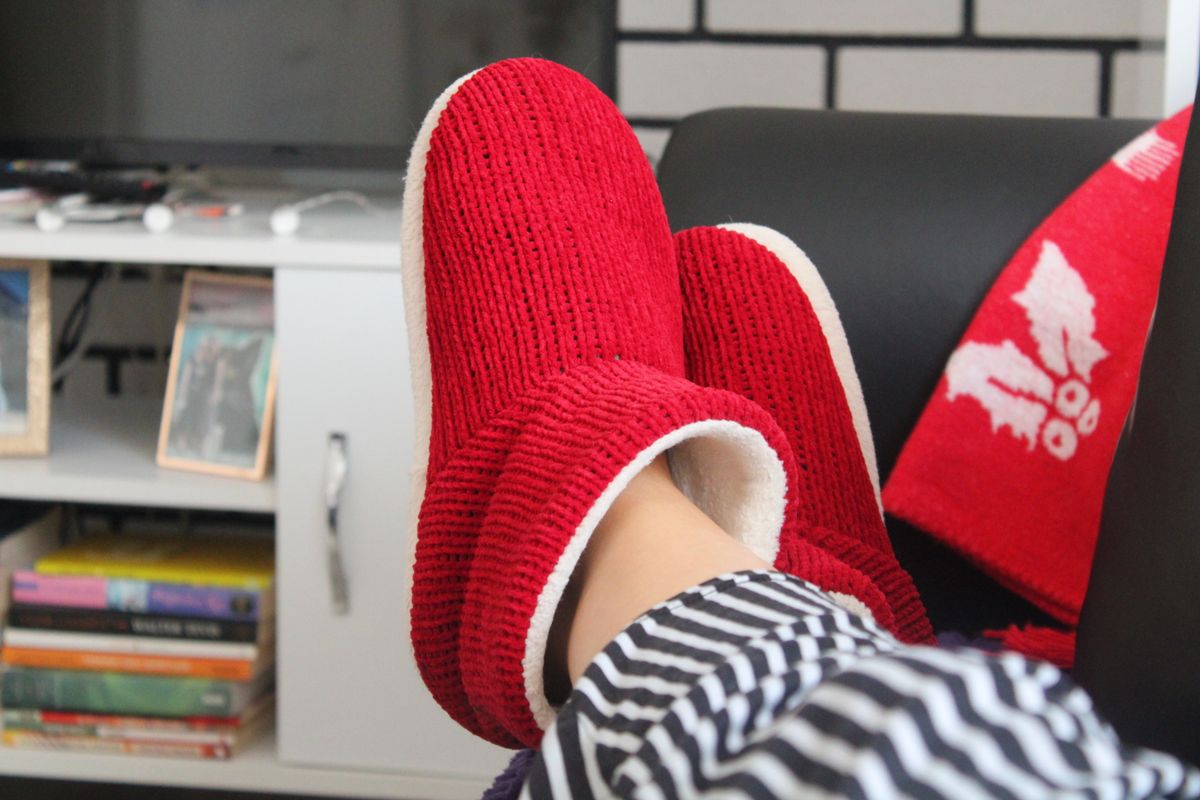
Futter, Materialien und der Aufbau einer Herbst-Winter-Rotation
Wärme ist keine feste Einstellung. Ein Pantoffel, der an einem kalten Novembermorgen perfekt sitzt, kann in einem beheizten Raum im Januar unerträglich sein, und genau deshalb ist eine kleine Rotation besser als ein hart arbeitendes Paar.
Lammfell, Kunstfell und Plüschflor
Die wärmsten Optionen und die einladendsten zum Hineinschlüpfen an einem kalten Morgen. Echtes Lammfell reguliert die Feuchtigkeit ungewöhnlich gut, sodass die Füße warm bleiben, ohne klamm zu werden, und gutes Kunstfell ist ein starker Ersatz, der leichter zu pflegen ist. Eine Warnung: Dichter Flor nimmt Innenvolumen ein, daher benötigen plüschige Plus Size Hausschuhe oft etwas mehr Länge oder eine wirklich weite Passform, um sich nicht eng anzufühlen, sobald das Futter sich gesetzt hat.
Fleece, Sherpa und Frottee
Mittelgewichtig, atmungsaktiv und meist maschinenwaschbar, ist diese Gruppe die praktische Mitte für den Großteil der Saison. Frottee ist besonders die beste Wahl, wenn Ihre Füße warm werden oder schwitzen, da es Feuchtigkeit aufnimmt, anstatt sie auf der Haut einzuschließen. Dies sind die Paare, zu denen man in einem gut beheizten Zuhause greifen sollte.
Wolle, Strick und Naturfasern
Wolle ist der stille Überflieger: warm, wenn es kalt ist, atmungsaktiv, wenn es nicht kalt ist, von Natur aus geruchshemmend und nachgiebig in einer Strickkonstruktion, die sich an Ihren Fuß anpasst, anstatt umgekehrt. Ein Clog aus gekochter Wolle oder eine Stiefelette mit Wollfutter wird Sie eine ganze Saison lang mit merklich weniger Schweiß begleiten als synthetischer Plüsch.
Das Sohlenetikett richtig lesen
„Indoor only“ bedeutet eine Stoff- oder dünne Wildledersohle – leise, leicht und sofort kaputt, wenn sie auf nassen Gehweg trifft. „Indoor-outdoor“ bedeutet eine verklebte Gummi- oder TPR-Außensohle, die die Einfahrt oder den Schulweg bewältigen kann. Wenn Sie in dieser Saison ein Paar kaufen, kaufen Sie „Indoor-outdoor“: Es hält deutlich länger, da die Sohle fast immer als erstes versagt.
Die Socken- und Hausschuh-Kombination, über die niemand spricht
Hausschuhe sind ein zweiteiliges System und die Socke ist die eine Hälfte davon. Wenn Sie diesen Teil falsch machen, fühlt sich selbst ein perfekt sitzender Pantoffel seltsam an.
Die Dicke verändert die Passform mehr, als Sie erwarten würden
Eine dicke, gepolsterte Crew-Socke kann eine ganze halbe Größe des Innenvolumens einnehmen. Wenn Sie Hausschuhe barfuß anprobieren und sie dann zu Hause mit dicken Strickwaren tragen, fühlen sie sich jedes Mal am Spann eng und an der Zehe zu kurz an. Entscheiden Sie, welche Socke Ihre Standardeinstellung ist und passen Sie sich dieser an: Wählen Sie die Größe für eine mittelschwere Socke, bewahren Sie dünnere Paare für plüschgefütterte Modelle auf und sparen Sie die dicksten Strickwaren für das geräumigste Paar.
Es lohnt sich auch, in Socken zu investieren, die für einen breiteren Fuß und Waden gemacht sind, denn eine Socke, die oben drückt oder unter dem Fuß verdreht ist, macht die Arbeit eines guten Pantoffels zunichte. Eine Schublade mit gemütlichen Plus Size Socken in verschiedenen Stärken bietet Ihnen echte Flexibilität, so dass Sie die Wärme erhöhen oder verringern können, ohne mehr Schuhe kaufen zu müssen.
Schichten für wirklich kalte Räume
Wenn die Temperatur wirklich fällt, ist die wärmste Lösung meist eine atmungsaktive Basissocke in einem dicken Strick, anstatt einer riesigen Socke, die in einen Pantoffel gestopft wird, der keinen Platz mehr dafür hat. Dicke Hüttensocken für kalte Nächte passen wunderbar in eine geräumige Stiefelette oder werden allein auf dem Sofa getragen, und sie speichern viel mehr stehende Luft, die Sie tatsächlich warm hält, als eine einzelne komprimierte Schicht jemals schafft.
Feuchtigkeit ist der wahre Feind der Wärme
Feuchte Füße werden schnell kalt, und feuchte Futter fangen an zu riechen. Wenn Ihre Füße schwitzen, wählen Sie Wolle oder Frottee statt synthetischem Plüsch, wechseln Sie mittags die Socken, wenn Sie den ganzen Tag zu Hause sind, und gönnen Sie Ihren Hausschuhen eine Nacht Pause zwischen dem Tragen, damit das Innere vollständig trocknen kann. Zwei Paare im Wechsel halten wirklich deutlich länger als ein einzelnes Paar, das jeden Tag getragen wird.
Pflege, Langlebigkeit und wann es Zeit für einen Ersatz ist
Ein wenig Pflege verlängert die Lebensdauer von Plus Size Hausschuhen überraschend stark, besonders bei den strukturierten Paaren, die am teuersten sind.
Waschen ohne die Form zu zerstören
Überprüfen Sie zuerst das Etikett, da die Konstruktion enorm variiert. Viele Fleece- und Frottee-Paare sind maschinenwaschbar im Kaltwaschgang im Netzbeutel; die meisten Lammfell- und die meisten strukturierten Fußbetten sind es nicht. Im Zweifelsfall reinigen Sie das Obermaterial punktuell mit milder Seife und kaltem Wasser, wischen die Außensohle ab und lassen sie fernab von direkter Hitze trocknen. Verwenden Sie niemals einen Trockner oder Heizkörper: Hitze lässt Futter schrumpfen, härtet Klebstoffe aus und verformt geformte Fußbetten dauerhaft.
Das Innere frisch halten
Ein Esslöffel Backpulver, der über Nacht innen gelassen wird, absorbiert Gerüche, ohne etwas zu beschädigen. Herausnehmbare Einlegesohlen können separat gewaschen und an der Luft getrocknet werden, was die Lebensdauer des gesamten Paares verlängert. Das lockere Ausstopfen des Zehenbereichs mit Papier während des Trocknens hilft ihnen, ihre Form zu behalten.
Nächstes Mal mit Vertrauen kaufen
Behalten Sie die Papierskizze Ihrer Füße. Notieren Sie die Länge, die Ballenbreite und welche Marken und Formen für Sie funktioniert haben. Bestellen Sie in den Socken, die Sie tatsächlich tragen werden, gehen Sie zu Hause auf einem harten Boden, bevor Sie Etiketten entfernen, und überprüfen Sie drei Dinge: Bleibt Ihre Ferse an Ort und Stelle, können Sie alle fünf Zehen frei bewegen und gibt es irgendwo Druck auf den Fußrücken? Wenn alle drei Punkte zutreffen, haben Sie Ihr Paar gefunden, und Komfort zu Hause ist kein Kompromiss mehr.
Häufig gestellte Fragen zu Plus Size Hausschuhen
Woher weiß ich vor der Bestellung, ob Hausschuhe in großen Größen meinen breiten Füßen passen?
Messen Sie, anstatt zu raten. Zeichnen Sie abends beide Füße im Stehen nach, notieren Sie die Länge von Ferse zu Zehe und die Breite über den Fußballen, und vergleichen Sie diese Zahlen dann mit der Größentabelle der Marke anstatt mit Ihrer üblichen Sneakergröße. Lesen Sie als Nächstes die Beschreibung nach Hinweisen zur Weite: Stretch-Strick, elastische Einsätze, ein verstellbarer Riemen, eine offene Ferse oder eine explizite Weit-Option. Wenn eine Marke keine Weiteninformationen und nur S/M/L-Etiketten anbietet, behandeln Sie es als schmale Form und wählen Sie einen dehnbareren Stil.
Soll ich eine Nummer größer wählen, wenn meine Füße breit sind?
Nur als letzten Ausweg. Das Hinzufügen von Länge verschiebt den breitesten Teil des Schuhs über den breitesten Teil Ihres Fußes hinaus, so dass Ihr Vorderfuß immer noch eingeklemmt wird, während Ihre Ferse zu rutschen beginnt, was sowohl weniger bequem als auch weniger sicher auf Treppen ist. Eine echte weite Passform, ein dehnbares Obermaterial oder eine offene Form werden Ihnen viel besser dienen. Wenn Sie unbedingt eine Nummer größer wählen müssen, gehen Sie eine halbe Nummer größer und wählen Sie ein Design mit einer sicheren Ferse oder einem verstellbaren Riemen, um den Unterschied auszugleichen.
Brauchen Hausschuhe wirklich eine Fußgewölbestütze, oder ist das nur Marketing?
Es ist echt, und es ist umso wichtiger, je mehr Stunden Sie auf harten Böden stehen. Ein konturiertes Fußbett verteilt den Druck über das gesamte Fußgewölbe, anstatt ihn unter der Ferse zu konzentrieren, was die Schmerzen am Ende des Tages und die Fersenempfindlichkeit am Morgen reduziert, die viele von uns einfach als normal akzeptiert haben. Suchen Sie nach einem geformten Fußbett, einer ausgeprägten Fersenschale und einer Außensohle mit echter Dicke. Eine weiche Dämpfung allein komprimiert schnell und bietet sehr wenig Struktur, sobald sie sich gesetzt hat.
Wie viele Paare brauche ich tatsächlich für Herbst und Winter?
Zwei ist der praktische Idealfall. Halten Sie ein strukturiertes, stützendes Paar mit einer echten Außensohle für die Stunden bereit, in denen Sie auf den Beinen sind und sich bewegen, plus ein weiches, warmes Paar oder gestrickte Haussocken für Abende auf dem Sofa. Das Abwechseln ermöglicht es, dass jedes Paar zwischen dem Tragen vollständig trocknen kann, was beide frischer hält und sie merklich länger haltbar macht als ein einzelnes Paar, das jeden Tag getragen wird.