Zippered compression socks can appeal when pulling a firm knit over your foot feels like a complicated part of getting dressed. An opening along the leg changes how you handle the sock, but finding a comfortable pair still involves measurements, fabric, foot shape, and a careful first try. For plus-size women, those details deserve as much attention as the zipper itself. Your calves do not need to change to deserve clothing that fits.
This guide focuses on everyday dressing, practical fit checks, and gentle garment care. If you need advice about compression levels, circulation concerns, or wearing compression for extended periods, consult a qualified healthcare professional. Follow any personal instructions they provide alongside the manufacturer's directions.
What a zipper changes about getting dressed
A zippered design opens a section of the leg, giving you another way to arrange the material before closing it. The exact opening varies. Some zippers extend toward the ankle, while others stop higher. Some designs include a fabric guard beneath the teeth, and some have an open toe. Product photos, measurements, and construction notes matter more than the word “zippered” by itself.
The foot section can still require careful positioning. A zipper does not automatically create extra calf space once it is closed, and its presence does not identify the compression level. Two socks with similar-looking closures can have different sizing, materials, and intended uses. Read the complete description before deciding that a particular construction suits your routine.
Think through the movements you find comfortable
Consider whether you can reach the zipper, grip the pull, and support the fabric without twisting awkwardly. A tiny slider can be fiddly even when the opening is generous. If reaching your lower leg is difficult, discuss dressing aids or assistance with a qualified professional. The useful question is whether the whole dressing process works for you.
Check where the closed pull rests, too. It should sit smoothly under your chosen clothing without catching on a hem or pressing against a shoe. A discreet fabric flap can make that area feel different from an exposed slider. Inspect both the inside and outside of the sock if the product page provides close-up images.
For a wider view of available shapes and materials, explore Moon Wood's compression sock collection. Check the individual listing for its opening, size chart, and stated compression details. Collection membership alone does not establish that a sock has a zipper.
Measure your calves, ankles, and leg length
Start with the size chart for the exact pair you are considering. Shoe size alone cannot describe a full calf, a narrower ankle, or the distance between your heel and knee. A size label such as large or extra large also varies between products. Write down the measurements requested by the manufacturer and compare each one with the same chart.
Use a flexible tape on bare skin without pulling it tight enough to indent. Find the widest part of each calf and measure both legs. Follow the chart's directions for ankle circumference, foot size, and leg length. If you cannot take a measurement comfortably, ask for help. Guessing around clothing or measuring a different pair introduces unnecessary uncertainty.
Look at the whole size range
A calf measurement near a chart boundary deserves attention, especially if your ankle or foot falls into a different listed range. Contact the seller for clarification about that exact combination. Closing the zipper by force is never a substitute for resolving an uncertain size. If professional guidance determines your compression needs, ask that professional about the fit as well.
Leg length matters when choosing knee-high socks. Extra material behind the knee can feel bulky when you sit, while an overly short leg can invite repeated tugging. The intended cuff position should follow the product directions. Avoid buying extra length simply because a larger label sounds more accommodating. Width, length, and foot fit need to work together.
When comparing wide-calf options, use the plus-size compression sock selection as a starting point, then read the actual measurements. A curvy body can have many combinations of proportions. A pair that fits your friend beautifully is useful inspiration, but your own numbers and comfort determine your choice.
Keep your notes somewhere easy to find, along with the product name and the size chart you used. That small record helps when comparing two listings with different measurement systems. It also makes a question to customer support more specific. Describe the measurements that differ instead of trying to summarize your body with a single clothing size.
Read the return policy before ordering, including any hygiene conditions for trying hosiery. Keep packaging and labels while you check the fit in the way the retailer permits. If the product description leaves out a measurement you need, request it before buying. Clear information gives you a better basis for choosing than assuming a stretchy fabric will accommodate every proportion.
Put them on with a calm, supported routine
Read the manufacturer's dressing instructions before your first attempt, since zipper placement and foot construction differ. Choose a stable seat and a position that lets you reach comfortably. Keep the sock, any recommended dressing aid, and your shoes nearby. Dry hands and dry skin make the fabric easier to handle than a hurried attempt immediately after applying lotion.
Arrange the foot before working up the leg
Open the zipper as directed and inspect the inside for rough edges, trapped threads, or a displaced guard. Ease your foot into the foot section, locating the heel and leaving your toes room to rest naturally. Use small adjustments to arrange the knit. Pulling hard on the cuff or zipper pull can distort the garment before the heel is seated.
Bring the leg fabric into its intended position gradually. Smooth obvious twists and check that the zipper follows its designed line. If the model includes an inner guard, lay it flat between the zipper and your skin. Keep loose fabric and skin away from the teeth. Support the surrounding knit with your other hand while moving the slider gently.
If the slider catches, pause. Open it slightly and check for caught fabric instead of repeatedly yanking it upward. Remove the sock if you cannot see or resolve the obstruction safely. Persistent resistance can reflect a construction problem, a positioning issue, or an unsuitable size. It is a reason to reassess the pair before wearing it.
Once closed, check the heel, ankle, calf, and cuff. Look for bunched knit, a twisted foot, or a fabric guard folded into a ridge. Make small adjustments with open hands rather than pinching and stretching one spot. The zipper should stay closed without you holding the edges together. A closure that repeatedly opens needs attention from the seller.

Give yourself space to learn the sequence. Rushing makes it harder to notice whether the heel is misplaced or a guard has folded. If dressing consistently requires more reach, grip, or effort than you can comfortably manage, ask about another construction or an appropriate aid. Ease of use includes removing the sock as well as putting it on.
Check comfort with your actual clothes and shoes
Try the complete outfit in a setting where you can make changes easily. Sit in a chair, stand, and take a few comfortable steps. Notice the zipper when your knee bends and when your trouser leg brushes past it. Your goal is to understand the garment's fit in ordinary movement, following any wearing instructions you have been given.
Pay attention to the foot as well as the calf. A closed-toe design should allow your toes to rest without being squeezed by a short foot section. An open-toe model needs an edge that sits where its instructions specify. Put on your intended shoes and check their available space. A good sock fit can still feel crowded inside an unsuitable shoe.
Treat discomfort as information
A zipper digging into skin, a painful cuff, or a persistent fold deserves an immediate adjustment or removal. Do not try to solve an overly long leg by rolling or folding the cuff. If the same problem returns after careful positioning, stop using that pair and seek advice about its sizing or construction.
Remove the socks and contact a qualified healthcare professional if you develop pain, numbness, tingling, or a concerning change in sensation. Ask for individual guidance before choosing a compression level or planning prolonged wear, especially if you have circulation concerns. Your comfort checklist helps you notice problems, but it cannot determine which compression is appropriate for your health.
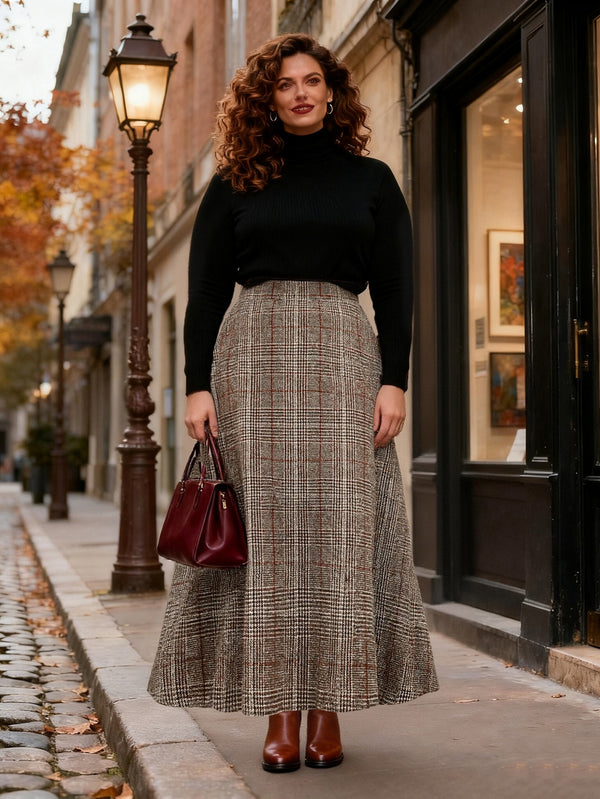
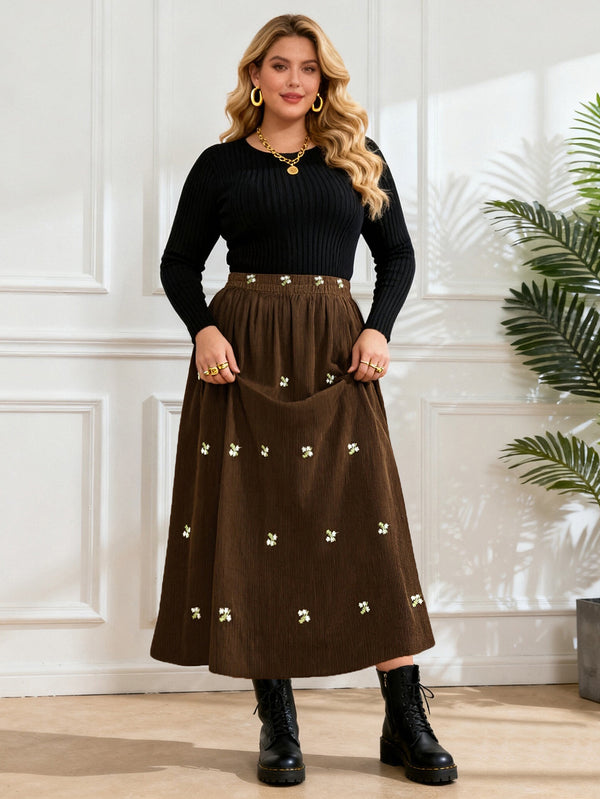
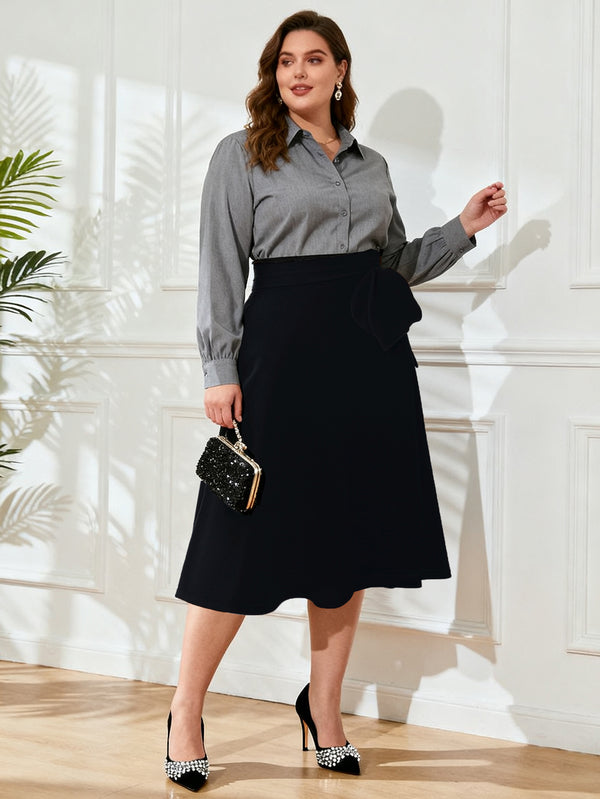
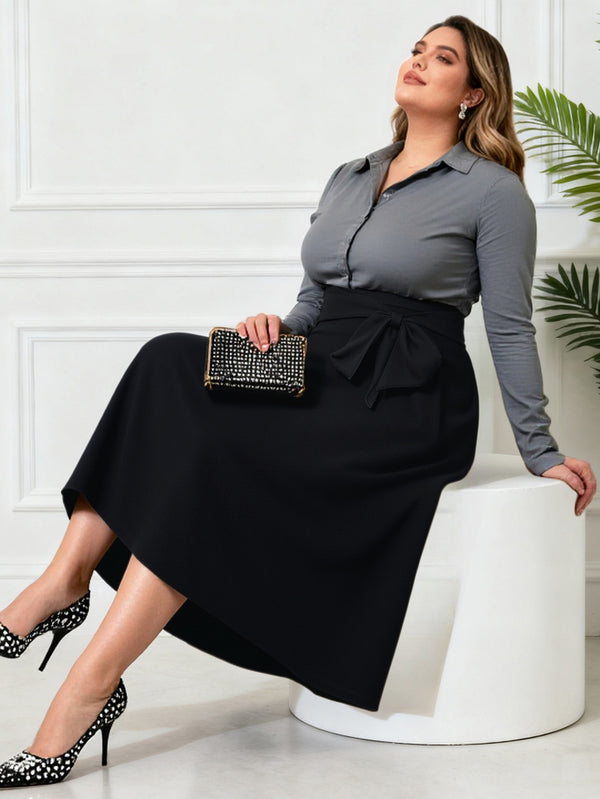
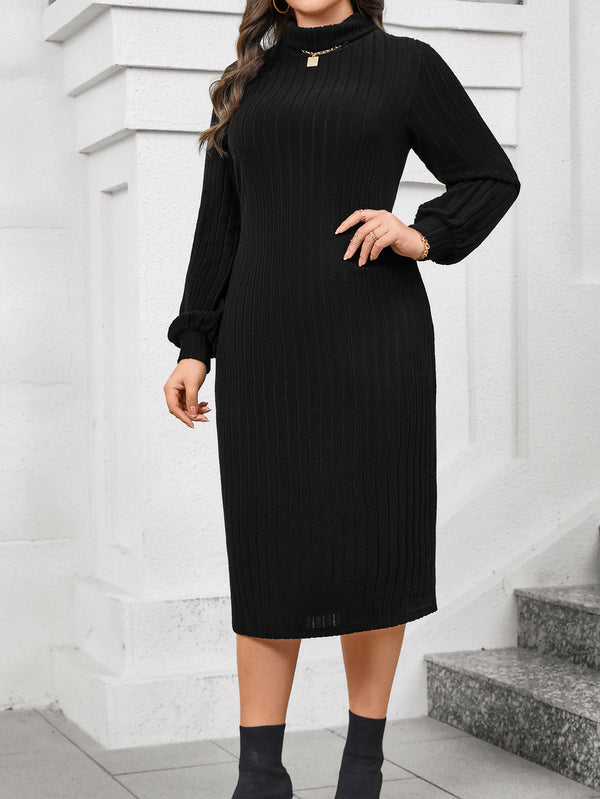
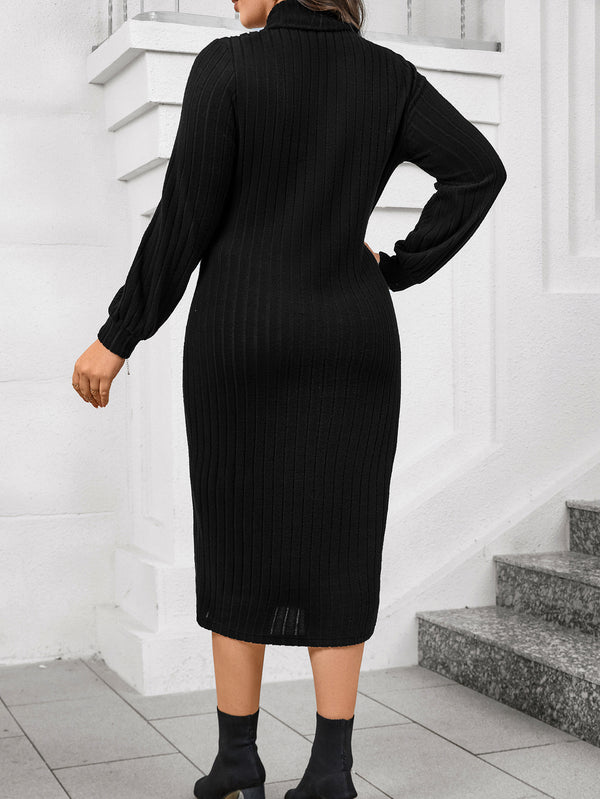
Build outfits around the finish you enjoy. Black socks can sit quietly beneath relaxed trousers or become part of a knit-dress outfit. A skirt hem that clears the cuff avoids repeatedly catching the zipper pull. If you prefer coverage, choose a trouser leg with room to fall smoothly. There is no requirement to disguise your calves or make them look smaller.
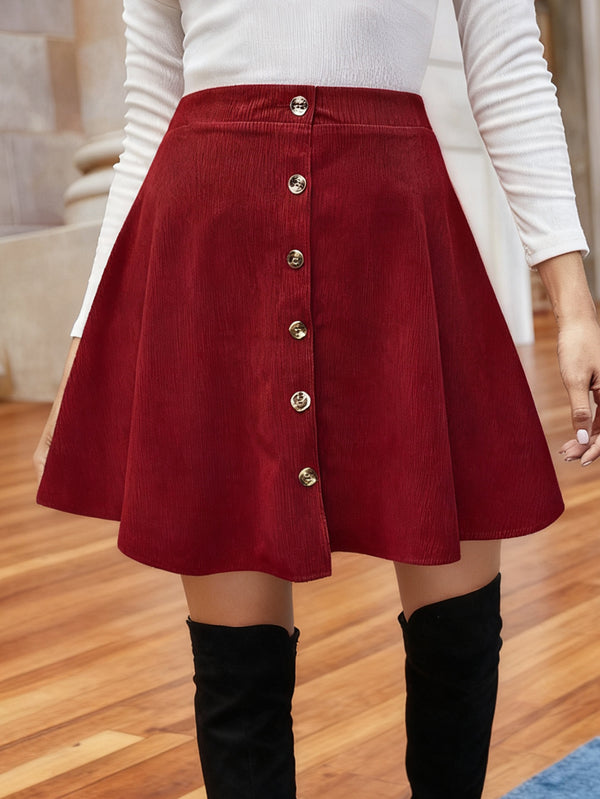
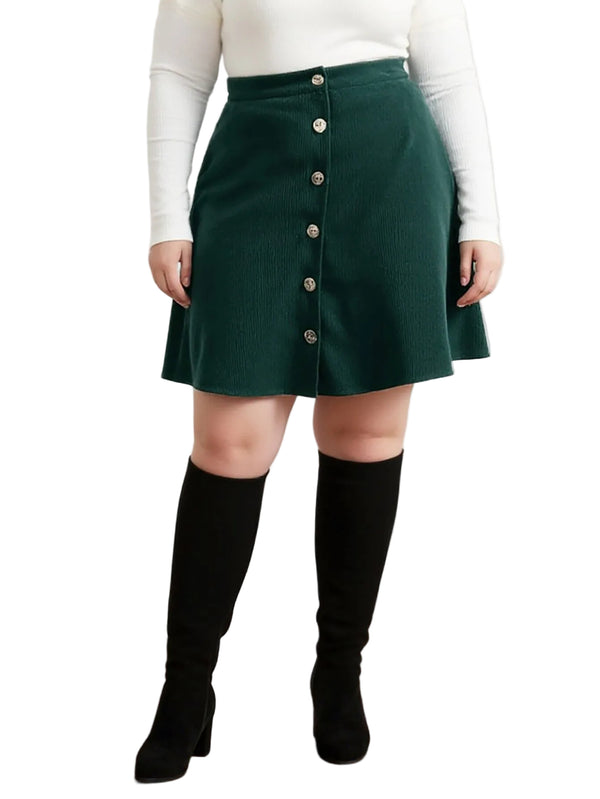
For winter dressing, check how layers meet. A thick boot shaft and a zipper pull can occupy the same small space. Try them together before committing to the combination. Softer footwear, a roomier shaft, or a different hem length can change how the outfit feels without asking your body to tolerate a pressure point.
Consider where you will sit as part of an outfit check. A low sofa, a desk chair, and a dining chair place your knees at different angles. Move within your usual comfortable range and notice whether the cuff or zipper catches your attention. Make the same check after adding shoes. Small details are easier to address when you have time and a spare outfit nearby.
Plan for travel, errands, and changing outfits
If you want to include a zippered pair in a travel outfit, learn its dressing and removal process before packing it. A cramped seat or shared bathroom is an inconvenient place to discover that you cannot reach the pull. Think through where you could sit securely, change clothing privately, and store the socks after removing them.
Choose an outfit that leaves access to the closure when you need it. Very narrow trousers can make adjusting a sock unnecessarily awkward. A relaxed leg or a skirt with comfortable coverage gives you more options. Keep a separate bag for worn socks so a zipper does not rub against delicate clothing in your luggage.
Compression for travel requires the same individual consideration as compression elsewhere. Ask a qualified healthcare professional about suitability, pressure level, and wearing duration. A zipper does not establish that a pair is suitable for a journey, and a shopping guide cannot promise prevention of travel-related health problems.
For errands or social plans, pair garment checks with moments when you are already getting dressed or changing shoes. If something feels wrong, take the time to remove or assess the sock in a suitable place. Avoid leaving a troublesome pair on simply because the outfit looks finished. Clothing is there to support a comfortable routine.
Pack the manufacturer's instructions if they contain details you tend to forget. A photo of the care label can be helpful as long as it stays readable. Store accessories separately from the knit, and avoid attaching keys or jewelry to the zipper pull. The pull is part of the closure, so it deserves gentle handling.
Wash, dry, and store the zipper carefully
Care begins with the label for your specific socks. Fiber blends, zipper materials, and compression constructions vary, so follow the manufacturer's washing method, temperature, and drying directions. Do not assume that a familiar routine for ordinary cotton socks suits this pair. If the label is missing or unclear, contact the seller before choosing a method.
Protect the knit and closure together
Check the zipper for caught threads before washing. Follow the maker's instruction about whether to close it for laundering. If machine washing is permitted, use any recommended protective laundry bag and the stated cycle. Keep the socks away from exposed hooks, rough fasteners, and heavy items that can catch or pull the knit.
Use the detergent and additives permitted by the care label. Avoid improvising with bleach, softener, stain treatments, or very hot water when their suitability is uncertain. For hand-washable pairs, handle the fabric gently and rinse according to the directions. Pulling the garment by its zipper or twisting the leg tightly puts unnecessary strain on its construction.
Dry the socks using the method specified by the manufacturer. Support the garment's shape and keep the zipper from scraping against delicate surfaces. Avoid direct heat when the label excludes it, and allow the fabric to dry fully before storage. Damp socks packed into a closed bag are unpleasant to handle and harder to inspect properly.

Store clean, dry pairs with the zipper lying smoothly. Keep them separate from jewelry, hook-and-loop straps, and sharp drawer edges. Before wearing them again, inspect the teeth, pull, guard, seams, heel, and cuff. Stop using a damaged pair and contact the seller about repair or replacement guidance. Do not force a bent slider or cut away protective fabric.
Notice changes in how the garment behaves as well as visible damage. A zipper that was easy to move but now catches repeatedly deserves inspection. Keep the care label and purchase information until you know how the pair performs. Those details help the seller answer a specific question without relying on guesswork.
Frequently asked questions about zippered compression socks
Are zippered compression socks easier to put on?
Some people find the opening helpful because it changes how the leg fabric is arranged. The foot section, zipper length, pull size, and your comfortable reach still matter. Check the manufacturer's instructions and consider the removal process, too. An easier closure is only useful when the complete garment fits and you can handle it comfortably.
Can a zipper make a small sock fit a wider calf?
The closed garment still needs to match your measurements. A zipper provides an opening rather than permission to stretch the sock beyond its stated range. Compare calf, ankle, foot, and length measurements with the exact size chart. If the edges need force to meet, stop and ask the seller about the fit.
Can I wear a zippered pair for a long trip?
Ask a qualified healthcare professional whether compression is appropriate for you and what pressure level and wearing duration to use. Check the product instructions and practice dressing before travel. The zipper itself does not establish suitability. Choose clothing and footwear that let you reach the closure and remove the socks comfortably when instructed.
What should I do if the zipper rubs?
Remove the sock and inspect the fabric guard, zipper alignment, and surrounding seams. A twisted guard or misplaced heel can affect how the closure sits. Follow the manufacturer's fitting instructions before trying again. If rubbing continues or the zipper is damaged, stop using the pair and contact the seller. Seek professional advice for pain or altered sensation.