Finding compression socks for large calves should begin with your measurements and your comfort, not with the idea that your legs need to change. A sock can match your shoe size yet feel too narrow at the calf, too long behind the knee, or cramped around the toes. Those are fit questions, and each deserves its own answer.
This guide helps you compare size charts, check how a pair sits, and build easy outfits around knee-high socks. The goal is a smoother shopping decision and a more comfortable wardrobe. Your calves do not have to earn a place in either.
These are general clothing and comfort suggestions. If you need compression for a health concern, have questions about circulation, or plan prolonged wear, ask a qualified healthcare professional about suitability, pressure level, and wearing time. A fashion guide cannot choose those for you.
Start with your leg shape, not a size label
Large calves and a plus-size clothing label do not describe exactly the same thing. Two women who wear the same dress size may need very different sock shapes. One might have a fuller calf and narrow ankle; another might need more room across the foot as well. A useful sock chart makes those differences easier to see.
Read the individual listing rather than assuming that every item described as wide calf has an identical fit. Look for the stated calf range, ankle range, foot sizing, and any available information about sock length. Check whether the chart describes body measurements or measurements of the garment. If that distinction is unclear, get clarification before ordering.
Separate circumference, length, and pressure
Circumference tells you about room around your leg. Length tells you where the top of the sock will land. Neither measurement tells you which compression pressure is appropriate for you. A wider size is not a substitute for professional advice about pressure, and a stronger pressure level is not a way to compensate for a loose fit.
It helps to write a short shopping note: calf, ankle, foot size, desired knee-high length, and personal preferences such as a smooth toe seam. Keep this note beside the size chart. That small step shifts the decision away from an emotionally loaded label and toward information you can actually compare.
You can also decide which part of getting dressed matters most to you: a cuff that sits neatly under trousers, a toe seam that stays comfortable in loafers, or enough access to put the socks on without rushing. Naming those priorities helps you compare practical details. None requires judging the shape of your legs or choosing a style you do not enjoy.
Measure for the shape you actually have
Use a flexible measuring tape and follow the measuring instructions supplied with the socks. Measure against bare skin unless the manufacturer says otherwise. Keep the tape flat and comfortably in contact with the leg; pulling it tight changes the measurement you are trying to record. A mirror or a trusted helper can make the angle easier to check.
For your calf, locate the widest part rather than automatically measuring at the top edge of an old sock. Keep the tape level around that point. For your ankle, follow the chart's specified measuring position. If the listing requests lower-leg length, use its stated starting and finishing points. Different charts may define this differently, so a measurement from another brand may not transfer cleanly.

Measure both legs and compare the complete chart
Record both legs rather than assuming they are identical. Follow the manufacturer's guidance about when to measure, and use a consistent method if you need to check again. If you notice a new or unexplained difference between your legs, seek professional advice rather than using this guide to interpret it.
Next, compare all the requested measurements with the same size column. A calf that fits one column does not cancel out an ankle or foot measurement outside that range. If your measurements fall across sizes, avoid simply buying the largest option and hoping it works. Ask the seller about the garment's shape; for prescribed compression, consult the professional responsible for fitting it.
Do not round a measurement down to reach a preferred label. Equally, do not add arbitrary extra space unless the chart asks for it. The manufacturer should account for the garment's intended stretch. Your job is to supply accurate body measurements, then choose a shape designed around them.
Before checking out, save the product's chart beside your measurements and read its exchange conditions. This is especially useful when two styles use different sizing systems. Record the full product name rather than just the size letter, so a later purchase does not accidentally rely on the chart for another garment. Clear notes make a repeat order simpler without assuming the fit will always stay the same.
Check the cuff, heel, and toes together
A comfortable first impression involves the whole sock. Start with the heel sitting in its intended pocket, the toe area lying smoothly, and the fabric distributed evenly up the leg. Then check where the cuff finishes. A knee-high sock should follow the placement guidance for that design, without fabric bunching into the crease behind your knee.
Notice how the top band rests while you are seated and standing. A cuff that repeatedly folds or rolls is a reason to reassess fit and length. It is not a styling detail to ignore. Rolling can involve several fit issues, so it does not reliably tell you that the calf size alone is wrong.
Snug should not mean something to endure
Do not use pain, numbness, tingling, or a change in skin colour as a test of whether compression is working. If these occur, remove the socks and contact a qualified healthcare professional for advice. Stop using a pair that causes discomfort while you work out whether its size, construction, or suitability needs attention.
Check your toes before putting shoes on. They need room within the sock's intended shape, and the seam should not be twisted underneath them. Once your shoes are on, check again. A comfortable sock and a comfortable shoe can still feel crowded together if their combined bulk takes up too much space.
Keep the packaging and follow the seller's return policy while assessing a new pair. A clean indoor fit check, where permitted, is more useful than deciding from the label alone. You are gathering information about a garment, not passing or failing a test about your body.
Make that check in the positions your outfit actually requires. Sit in an ordinary chair, stand comfortably, and take a few steps without repeatedly tugging at the top. Notice whether the cuff stays flat and whether your toes remain comfortable inside your chosen shoes. This is a clothing check, not permission to extend wearing time beyond the product instructions or professional advice. If something feels wrong, pause rather than waiting for yourself to get used to it.
Put socks on smoothly and reassess rolling
Read the application instructions before starting. Sit somewhere stable and allow yourself enough space to reach your feet comfortably. Remove jewellery that could catch the knit, and check that your nails will not snag it. If reaching or gripping is difficult, ask about an appropriate application aid or assistance rather than pulling harder.
Many knee-high designs are easier to position when the heel and foot are settled first, then the remaining fabric is worked gradually up the leg. Follow the method for your particular pair. Use small adjustments to distribute the material instead of hauling the sock upward by its top band. The aim is a smooth placement, not maximum stretch.
Once the socks are on, check the heel, ankle, calf, and cuff again. Smooth out wrinkles gently. Do not fold the cuff over, roll it down, or secure it with an improvised tight band. If excess length remains after the heel is correctly placed, a shorter design may be more appropriate than a folded top.
If the top keeps moving, pause the fit experiment
Repeated rolling or slipping deserves a fresh look at the chart and garment condition. Is the sock the right length? Are both the calf and ankle inside the recommended ranges? Has the knit become stretched or damaged? Was the pair put on with fabric gathered in one area? Review these questions without assuming that one change will fix every problem.
A sock that continues to move after careful positioning may simply have the wrong proportions for you. Do not add another compression layer or choose a stronger pressure to hold it in place. For persistent fitting difficulties, a qualified fitter or healthcare professional can help you evaluate the options.
Make room for comfort in everyday outfits
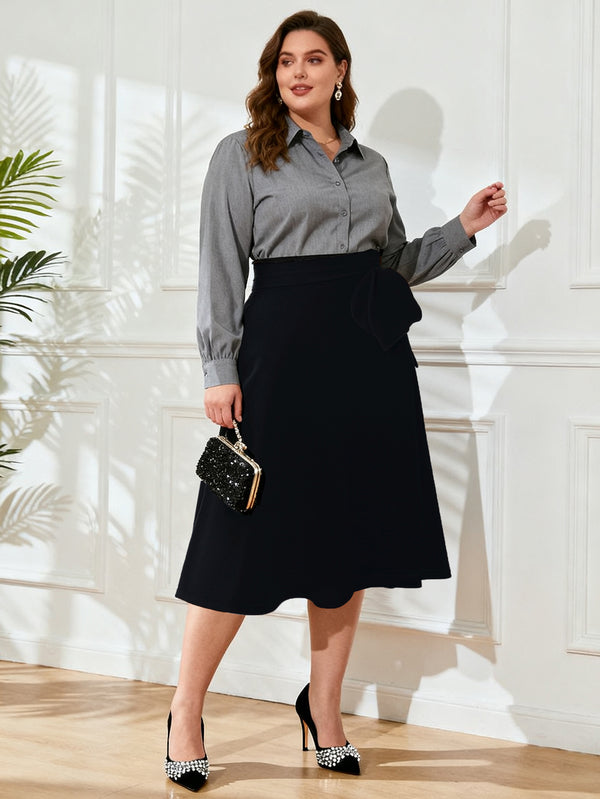
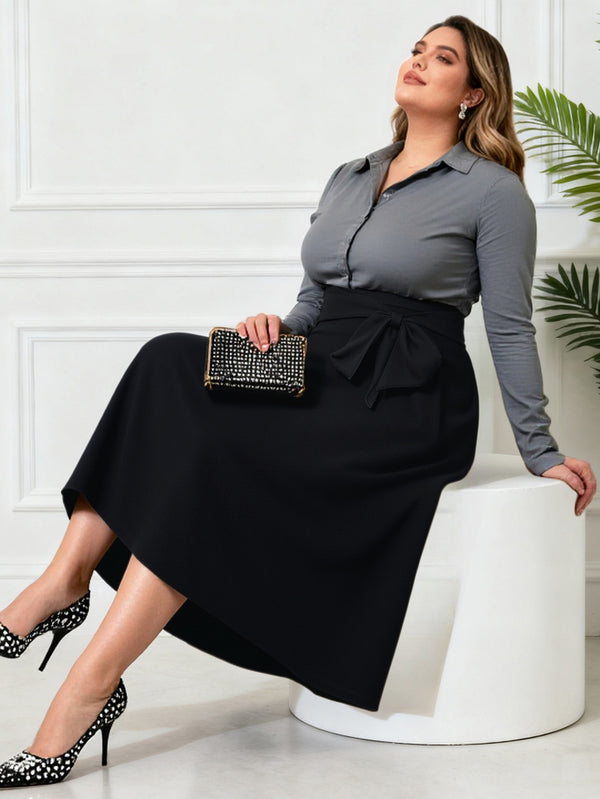
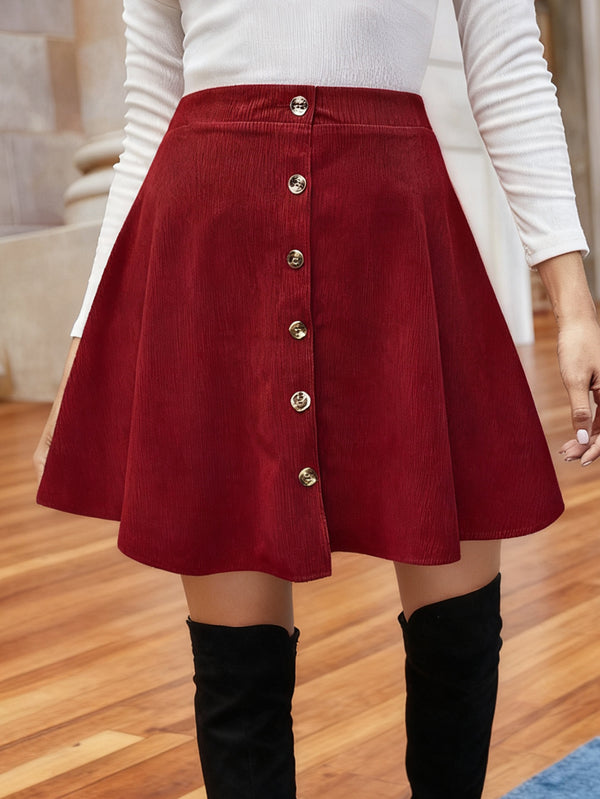
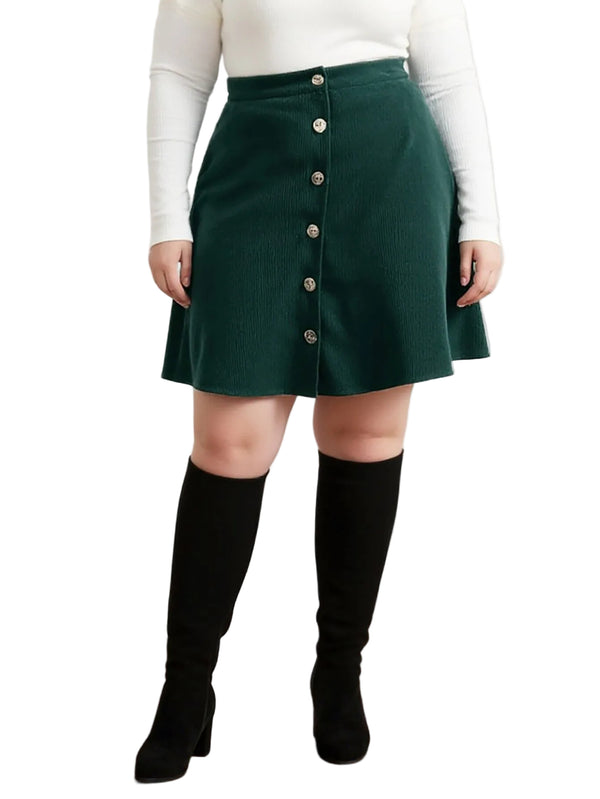
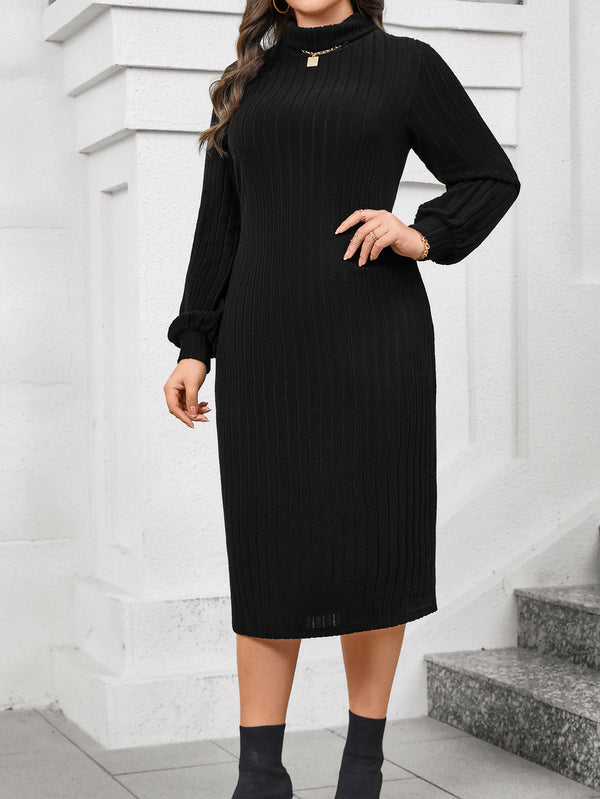
Once fit and suitability are settled, styling can be the enjoyable part. Knee-high socks can sit comfortably within an outfit you already like, whether that means a soft skirt, relaxed trousers, or a simple knit dress. You do not need to hide your calves or build an entirely new wardrobe around them.
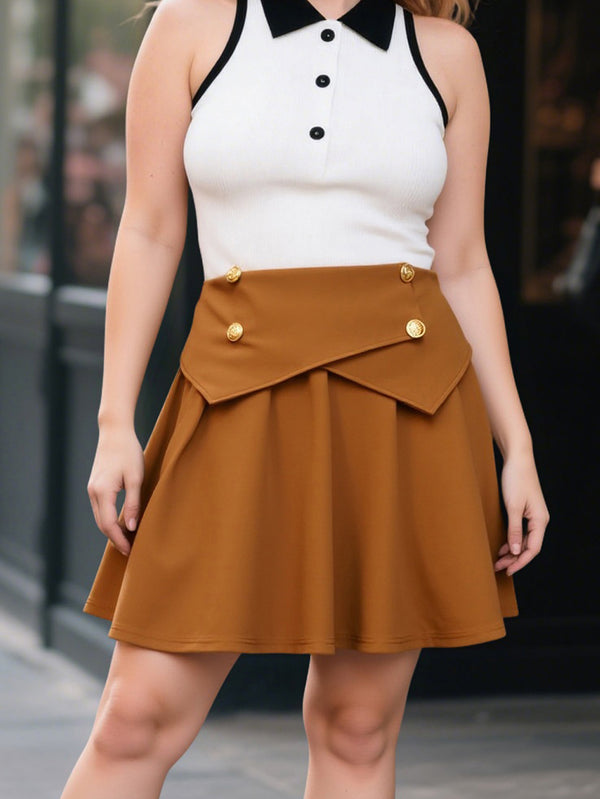
A skirt and loafers for an easy indoor look
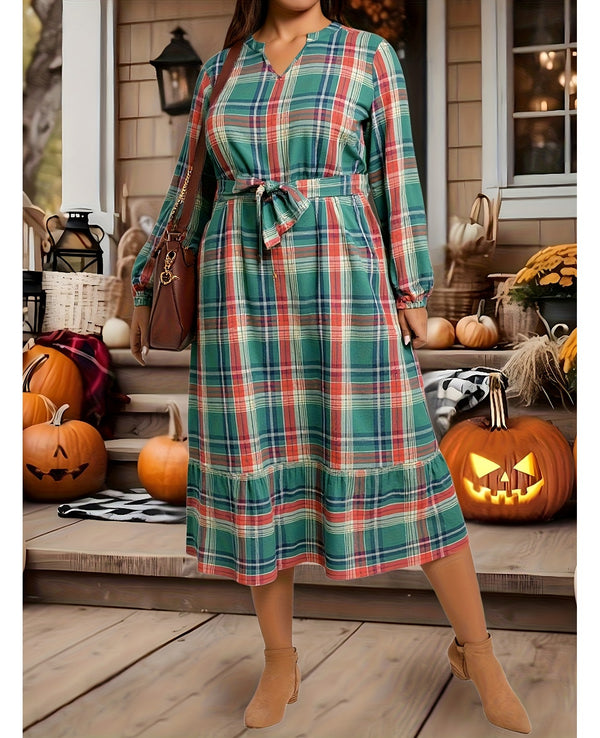
Try plain burgundy socks with a forest-green knit dress, or deep navy with a charcoal skirt and cream sweater. Keeping the rest of the outfit quiet lets the colour feel intentional. These are colour ideas rather than promises about a particular product's construction or available shades. Choose the pair by its actual listing and measurements first.

Choose shoes with enough room for the sock you intend to wear. Walk a short distance indoors, where the return policy permits, and notice the toe area, heel, and shoe opening. An outfit is easier to enjoy when you are not repeatedly adjusting the same seam or wondering whether your shoes have become too tight.
Relaxed trousers and winter layers
With trousers, look for a leg opening that moves easily over the sock rather than catching at the cuff. A soft straight-leg shape can be convenient for this. If you add boots, assess the boot shaft separately from the sock: both need to accommodate your calf without creating a crowded, restrictive combination.
Winter comfort also depends on the room, footwear, and other layers. Compression does not automatically mean warmth, and thicker fabric does not establish a pressure level. If an outfit feels too warm or bulky, change the ordinary clothing layers rather than altering the placement of the compression sock.
For a desk day or a seated journey, choose clothing that remains comfortable when your knees bend. Keep movement breaks and ordinary travel planning separate from your sock purchase. Socks do not replace movement or individual travel advice. Ask a qualified healthcare professional about whether compression is appropriate for your journey and how long you should wear it.
To compare available shapes, browse Moon Wood's compression socks designed for plus-size shoppers and read each listing's size information. You can also explore the broader compression sock collection when comparing styles. Collection names alone do not confirm that an individual pair fits your measurements.
Care for the fit you have chosen
Read the care label before the first wash. Fibre blends and construction vary, so one washing routine will not suit every pair. Follow the specified water temperature, washing method, and detergent guidance. If the label is missing or unclear, ask the seller instead of assuming that your usual sock routine is suitable.
Handle the knit gently when washing and drying. Follow instructions about rinsing, shaping, and whether machine washing is allowed. Avoid using high heat or aggressive stretching as an attempt to change the size. Care can help preserve a garment, but it cannot reliably convert an unsuitable sock into a correctly fitted one.
Let the pair dry fully using the recommended method before putting it away. Store it somewhere clean and dry, away from sharp fasteners that could catch the fabric. Keeping pairs together also makes it easier to notice a damaged or missing sock before you are halfway through getting dressed.
If you keep more than one pair, give each its own space so you can tell which has been washed and which needs attention. Avoid stuffing damp socks into shoes or a closed travel pouch. Packing a small laundry bag can help separate worn clothing on a trip; once home, return to the care instructions before washing. A simple routine is easier to maintain than a complicated collection of unverified care tricks.
Recheck condition instead of relying on appearance alone
Look for holes, damaged seams, stretched cuffs, or areas that no longer sit as they did when new. A sock can still look tidy while its fit has changed. Follow the manufacturer's replacement guidance and any advice you have received for prescribed garments. There is no universal replacement schedule that applies to every pair and wearer.
Revisit measurements when your usual pair begins to fit differently, rather than automatically ordering the same label. For pressure selection, ongoing wear, circulation questions, or changes that concern you, return to a qualified healthcare professional. Shopping notes can support that conversation, but they cannot replace an individual assessment.
Frequently asked questions about large-calf fit
Should I size up if compression socks feel tight around my calves?
Check the complete chart before changing size. A larger label may add length or foot room as well as calf room, and those changes may not suit your proportions. Compare calf, ankle, foot, and length requirements together. If your measurements do not fit one recommended size, ask about another shape. For prescribed compression, get fitting advice from the responsible healthcare professional.
Why do my knee-high socks roll down when I sit?
Rolling can relate to positioning, length, proportions, or garment condition; it is not a reliable diagnosis of one sizing problem. Check that the heel is correctly placed and the fabric is smooth, then compare your measurements with the chart. Do not fold the cuff or fasten it with another band. If rolling continues, stop using that pair until you have appropriate fitting advice.
Can I choose compression socks using only my shoe size?
Shoe size alone does not describe a fuller calf or the length of your lower leg. Use every measurement requested for the individual product. A listing that provides little information may require a question to the seller before purchase. If you need a particular pressure level for a health reason, a qualified healthcare professional should help you choose suitable compression and fit.
Can I wear compression socks throughout a journey or while sleeping?
Do not set a wearing schedule from a fashion article. Follow the manufacturer's instructions and any individual professional advice you have received. Ask a qualified healthcare professional about prolonged travel wear, sleeping, or circulation concerns. Your comfort, the garment's intended use, and your circumstances all matter; a comfortable first try does not establish that extended wear is appropriate.