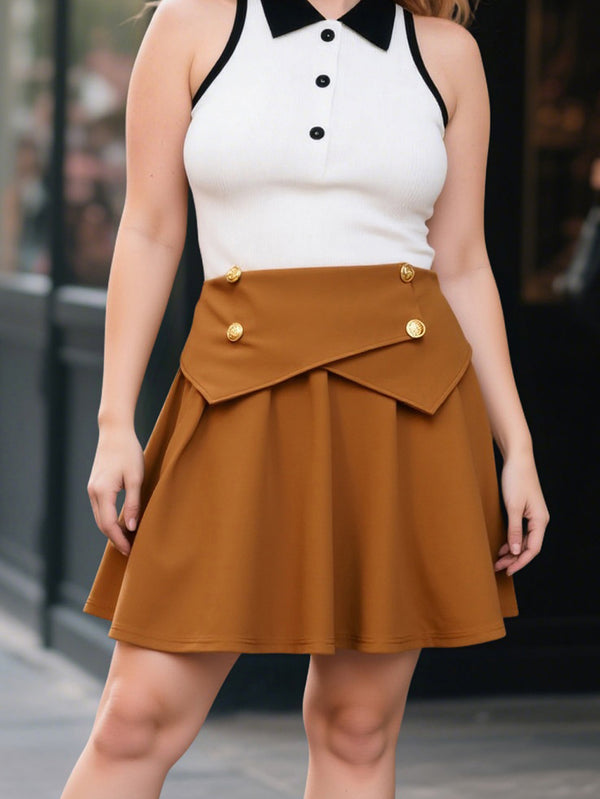
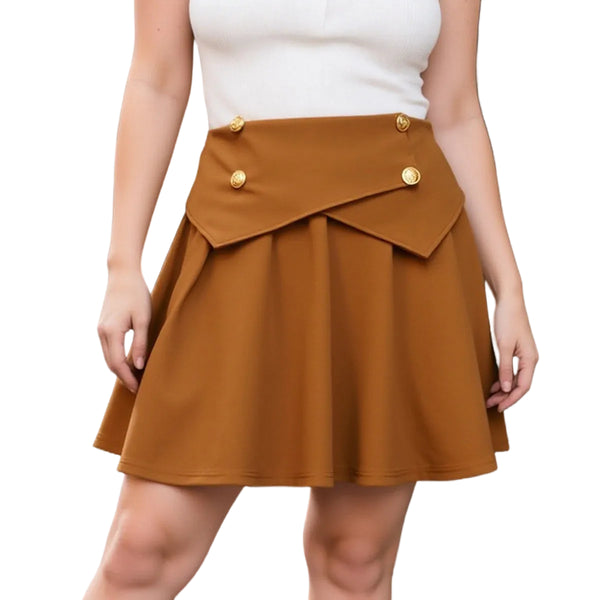
Plus size pleated skirt outfits for fall can move from sporty to preppy to polished with only a change of shoes and outer layer. Pleats bring motion and texture; sneakers make them practical for walking, while loafers and tights create an easy office or campus mood. The key is not using pleats to disguise a body. It is choosing a waistband, lining, length, and fabric that move comfortably, then pairing the skirt with layers that suit October weather and your real schedule.
A pleated skirt can be soft and fluid, crisp and structured, short, midi, or maxi. Each version creates a different rhythm. There is no rule that fuller bodies need tiny pleats, dark colors, or a top long enough to hide the waistband. You can show the construction proudly, wear color, and choose volume because you enjoy it. Practical checks—sitting, walking, static, shoe clearance, and waistband recovery—make the difference between a photo-only outfit and one you want to repeat.
Choose pleats, lining, and a waistband that move
Start with the waistband. It should stay level when you sit without folding, digging, or sliding. Elastic provides flexibility, but the band still needs enough width to distribute pressure. A fixed waistband may look crisp and can work beautifully when the hip and seat have adequate room. Test the closure after a meal-like seated posture rather than holding your stomach in. Clothing should accommodate your body through the day, not demand that the body remain frozen.
Pleat type affects movement. Knife pleats create a regular vertical rhythm; box pleats open into wider panels; sunray pleats flare from narrower folds near the waist. None is universally more flattering. Look at how the pleats release across your hips while standing and seated. If they pull open unevenly or the lining rides up, try another size, fabric, or construction. Pleats are supposed to move, but they should return without constant smoothing.
Check the lining separately. It needs enough hip and thigh room for your full stride, and it should remain below your comfort line when you sit. A lining that is dramatically narrower than the skirt can restrict an otherwise generous silhouette. Rub the skirt and tights together to test static. A compatible slip can help, but it must not create another tight waistband. Always follow care labels before using an anti-static product.
Explore the plus size pleated skirts collection with finished waist measurement, skirt length, lining width, and fabric weight in mind. Compare those numbers with a skirt you already enjoy. Size labels are only shorthand; garment measurements and movement tests tell you much more about whether the pleats will fall as intended.
Create a 2026 preppy fall palette
Burgundy, navy, olive, camel, cream, and charcoal make a flexible fall palette. A burgundy pleated midi skirt with a cream argyle sweater vest, white shirt, charcoal tights, and black loafers feels preppy without becoming a costume. Let the argyle carry the pattern and keep the bag simple. If you prefer less pattern, use a plain vest and add a striped sock or small scarf.
Olive pleats can behave like a neutral beside navy, ivory, rust, and cream. A navy track-inspired jacket adds a sporty note that keeps the skirt from feeling formal. Cream sneakers connect with an ivory tee and brighten the deeper colors. The outfit works because one piece supplies movement, one adds structure, and the shoes support walking. No part is trying to make the body appear smaller.
Navy skirts support warm accents particularly well. Try a camel sweater, burgundy tights, and brown loafers. The combination is rich but controlled, and the tights provide another surface between skirt and shoe. In daylight, navy and burgundy separate clearly; indoors they become subtler. If the colors blur more than you like, add a cream shirt collar or bag to create a light point.
Texture matters as much as hue. Matte pleats beside a fuzzy knit and polished leather feel dimensional even in a limited palette. Satin pleats can become daytime-friendly with a sweatshirt or denim jacket. Corduroy outerwear adds weight beside lighter polyester folds. Touch the fabrics together and notice whether they cling, catch, or slide; a visually appealing combination still needs to cooperate during movement.
Wear a pleated skirt with sneakers
Sneakers make a pleated midi practical for errands, museums, transit, or a casual workplace. Choose a low-profile pair if you want the skirt to remain dominant, or a chunkier sole if you enjoy stronger contrast. The hem must clear the ground while walking and climbing stairs. Take your normal stride and make a quick turn. If the pleats wrap around the shoe or catch under the heel, adjust the length or reserve that skirt for another shoe.

For an easy formula, combine an olive pleated skirt, ivory tee, navy zip jacket, and cream sneakers. The jacket can remain open for a clear vertical frame or zip partially when the air cools. Check that its ribbed hem does not grip the skirt waistband and push the pleats downward. If it does, choose a slightly shorter or looser jacket rather than repeatedly adjusting it.
A sweatshirt also works. Try a charcoal crew neck with a burgundy skirt and white sneakers, or a cream half-zip with a navy skirt and brown trainers. A front tuck is optional. You can leave the sweatshirt untucked when its hem falls cleanly, fold it under to a comfortable point, or use a full tuck with a thinner knit. The right choice is the one that stays stable while sitting and walking.
Use socks deliberately. No-show socks keep the ankle line simple, while fine ribbed crew socks add a visible preppy layer. Make sure socks do not compress over tights or create a bulky ridge inside the shoe. On wet days, choose a sole with traction and protect the skirt hem from puddles. Practical weather choices can strengthen the outfit rather than interrupt it.
Try the same sneaker formula with a satin pleated skirt when you want more contrast. A charcoal sweatshirt, deep teal satin midi, and cream sneakers can work for lunch or a gallery day. Keep the sweatshirt surface smooth so it does not catch delicate fabric, and position any crossbody bag over the knit rather than directly on the satin. The combination succeeds because casual pieces lower the formality without asking the skirt to stop being expressive.
Switch to loafers for work and polished days
Loafers give pleats a clear, grounded finish. A navy midi skirt, camel sweater, burgundy tights, and dark brown loafers suits many business-casual settings. Check the loafer vamp while seated because feet can swell through the day. The tights should not be the only buffer against a stiff edge. A shoe that rubs bare skin may also damage hosiery and distract you from the outfit.

For a sharper office, add a cream button-down and a single-breasted blazer. Ensure the shirt does not bunch underneath the skirt waistband. A bodysuit can create a smooth base if you already know the torso length and closures are comfortable, but it is never mandatory. A fitted tee, fine knit, or softly tucked blouse can provide the same visual clarity with fewer layers.
Black loafers are the easiest match for charcoal or navy tights, but brown, burgundy, and cream pairs are equally useful. Repeat the shoe color in a belt or bag only if that helps the palette. Exact matching can look polished, while mixed leather tones can feel relaxed and modern. Condition shoes according to their material so scuffs do not become the most noticeable detail.
If loafers are not comfortable, pointed flats, Mary Jane flats, or low ankle boots can create a similar level of intention. The goal is not to endure a specific shoe associated with preppy style. Look for toe room, stable soles, and a secure heel. A polished outfit is one you can walk into a meeting wearing naturally, not one that changes your stride.
A knee-length pleated skirt can also work in professional settings when the length and movement feel secure to you. Pair a charcoal version with opaque navy tights, a soft blue shirt, and burgundy flats. Sit before leaving home to see how the pleats open and how much the hem rises. Add shorts or a slip only if they improve comfort. Office appropriateness comes from the full workplace context, not from a blanket rule about plus-size legs.
Layer knits and jackets without crushing the pleats
Fine-gauge sweaters tuck easily and add warmth without crowding the waistband. A cream crew neck with a burgundy skirt is simple; a rust mock neck with navy feels saturated and autumnal. When tucking, leave enough fabric to sit and breathe. If the waistband is elastic, avoid forcing a bulky knit inside, which can distort both the band and the pleats.
Sweater vests are useful for fluctuating temperatures. Layer an argyle or solid vest over a white shirt, then roll the sleeves only if the weather allows. Check arm and back movement so the shirt does not pull out with every reach. A vest ending near the waistband shows the skirt construction; a longer one creates a softer column. Both can work when the layers stay where you place them.
Outerwear should clear or cooperate with the skirt. A cropped jacket highlights the waist and keeps pleats visible. A hip-length blazer frames the upper folds, while a long coat moves around the skirt. Test the coat buttoned and open. Narrow coats can trap a full skirt, causing wrinkles and static. Room through the hip makes walking easier and lets the pleats recover when the coat comes off.
On rainy or windy days, a trench or lightweight shell protects the outfit better than a delicate cropped layer. Hold the skirt as you climb steps and watch how wind catches the pleats. Shorts or a slip underneath can add comfort if you want it, but these are tools rather than obligations. Secure styling comes from knowing how the outfit behaves, not from policing the amount of movement.
For a weekend dinner, layer a fitted mock neck beneath a cropped denim jacket and choose a metallic or jewel-tone pleated skirt. Ground the shine with black tights and flat ankle boots. Test the jacket hem against the waistband so it does not push the skirt down when you sit. One reflective fabric is enough to shift the mood; the remaining pieces can be familiar basics that already pass your comfort checks.
Build formulas, care for pleats, and buy with purpose
Create three repeatable formulas. Sporty: olive pleated midi, ivory tee, navy jacket, cream sneakers. Preppy: burgundy skirt, white shirt, argyle vest, charcoal tights, black loafers. Work-ready: navy skirt, camel sweater, burgundy tights, brown loafers. Once each foundation works, change one element—shoe, coat, or top color—rather than rebuilding everything at once.
After wearing a formula, record the practical result. Did the waistband fold? Did the lining climb? Did the pleats catch on a bag? Did the hem clear stairs? These notes guide better decisions than a mirror pose. A tailor may be able to adjust length or a closure, but permanent pleats and narrow linings can limit alterations. Ask before assuming every fit issue is fixable.
Pleated garments need care that respects their construction. Follow the label precisely; heat, aggressive washing, or incorrect pressing can flatten permanent folds or create shine. Hang or fold the skirt as directed, leaving space so heavy garments do not crush it. Spot-clean only when the fabric allows. A garment steamer may help some materials, but test a hidden area and keep heat within the care instructions.
Pack pleated skirts carefully for travel. Fold along the established pleats only when the label and fabric permit it, place the skirt near the top of the bag, and avoid compressing it beneath shoes. On arrival, hang it promptly and let gravity relax minor creases before applying steam. Bring one proven top and shoe formula so you are not solving both care and styling problems in an unfamiliar room. A reliable outfit earns space by working more than once.
Choose bags that respect the pleats. A rough crossbody strap or heavy tote can press one section flat, while a bag hanging at the hip may repeatedly catch the folds. Adjust the strap so the bag rests above or below the fullest movement point, and avoid overloading it. For commuting, a backpack can keep weight off the skirt if the back panel does not snag knitwear. Bag placement is a small detail, but it often determines whether the skirt still looks and feels comfortable after several hours.
Check the result again after your commute, when movement has tested every fold and layer.
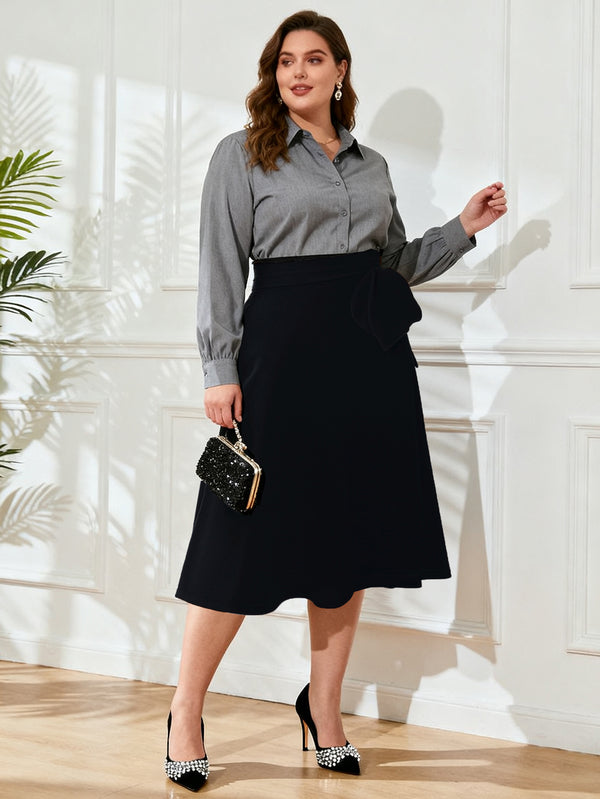
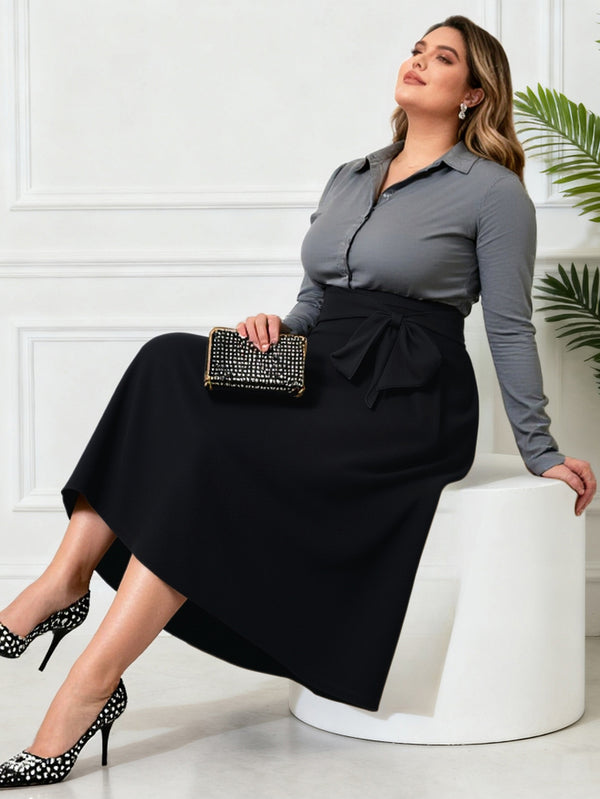
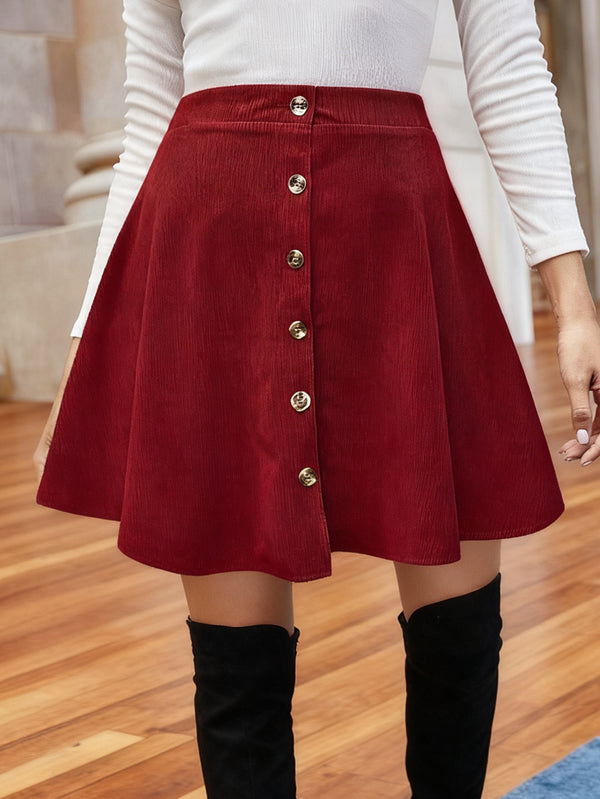
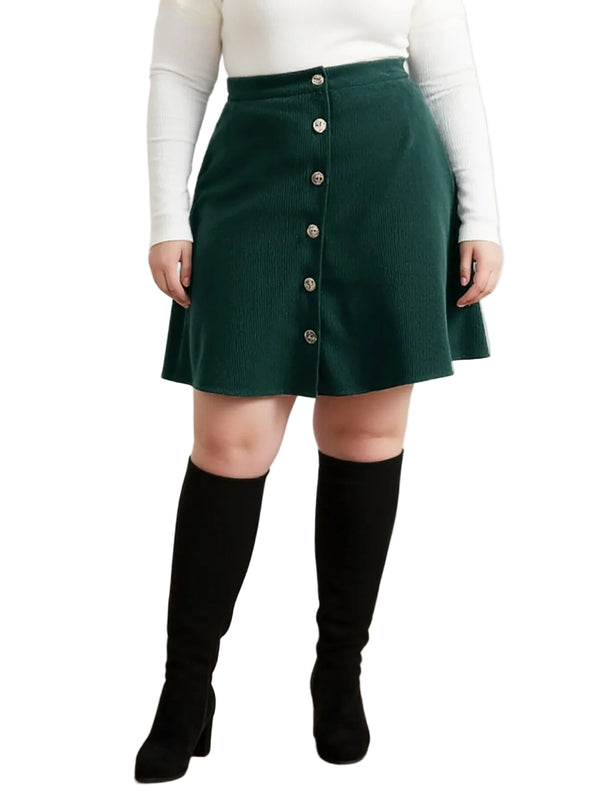
Before buying another pleated skirt, compare color, length, lining, and waistband with what you own. A second navy midi may add little if the first already works, while a burgundy knee length could create new tights and shoe combinations. Browse Moon Wood's broader plus size skirt collection to compare silhouettes without treating one style as universally correct. Purposeful variety is more useful than volume.
FAQ
Can plus size women wear pleated skirts?
Absolutely. Pleats are a design feature, not a privilege for one body type. Choose a waistband, lining, length, and pleat construction that move comfortably. Test the skirt sitting and walking. Wear narrow or wide pleats, bright or dark colors, and any length according to your taste and practical needs.
What shoes look best with a pleated skirt in fall?
Sneakers, loafers, flats, and ankle boots all work. Sneakers feel sporty and support walking; loafers create a preppy or office-ready finish; boots add weather protection. Match the hem length to the shoe, check traction, and make sure no rough edge rubs tights or catches the skirt.
How do I keep a pleated skirt from clinging to tights?
Start with a smooth lining that has enough room. A compatible slip may reduce friction, and a garment-safe anti-static product can help if the care label permits it. Avoid over-drying fabrics, which can increase static. Test the complete outfit while walking before leaving home.
Should I tuck a sweater into a pleated skirt?
Only if it feels stable and comfortable. Fine knits can tuck fully, medium sweaters may work with a front tuck, and bulky knits often sit better untucked or folded under. Avoid packing too much fabric into the waistband. The goal is to let the pleats move, not to follow one proportion rule.