If you have ever slid your way through a plank or wobbled in a lunge, you already understand why grip pilates socks matter. A non-slip sock keeps your feet planted on the mat or reformer, so you can focus on form instead of grip. But the question most of us actually wrestle with is simpler than that: how many pairs do you really need? Between studio classes, home practice and the gym bag you keep packed for travel, the right number of grip pilates socks changes with your routine. This guide breaks it down by how and where you practise, so you can build a rotation that always has a clean pair ready.
Why Grip Pilates Socks Belong in Every Curvy Fitness Bag
Grip socks started as a studio practical and became a comfort essential, especially for plus size women who want to move confidently through barre, pilates and yoga flows. The little rubber dots or treads on the sole create friction against the mat, which means your foot stops migrating mid-pose.
Stability you can feel immediately
The first time you wear a proper grip sock, the difference is obvious. Your heel stops sliding during lunges, your toes keep their purchase in a plank, and you can push through a reformer carriage without your foot skating sideways. That stability lets you load the movement properly, which is how strength is actually built. For curvy bodies carrying more weight through the foot, a non-slip sole is not a luxury, it is genuinely useful equipment.
Barefoot comfort without going barefoot
Many studios require covered feet for hygiene, and lots of us simply prefer not to be barefoot on a shared floor. A grip sock gives you the grounded feeling of being barefoot with a soft cushion of fabric underneath. If your feet get cold in a chilly studio, the sock layer keeps you comfortable so you can settle into the work instead of thinking about your toes.
One less thing to think about
When you are concentrating on breathing, alignment and balance, the last thing you want is a sock that rolls down, twists or slips off. A well-fitting grip sock stays put, so your attention stays on the class. That is the quiet value of good kit: it removes small distractions and lets you be present.
A small upgrade with an outsized effect
It is worth saying plainly: the right sock can change how confident you feel in a class. When your feet are stable, you stand taller, you hold poses longer, and you stop bracing against the risk of slipping. That sense of security lets you try the harder variation instead of playing it safe. For anyone rebuilding a movement habit, those small wins compound quickly, and they start right at the sole of your foot.
If you are building a studio kit from scratch, it helps to start with a versatile socks collection so you can compare grip styles with everyday pairs in one place.
How Many Pairs Do You Need? A Quick Framework
The honest answer is that it depends on how often you wash and how many places you practise. Working backwards from your laundry habits is far more useful than picking a number at random.
Count your sessions, then your laundry days
Start with how many times a week you practise. If you attend three classes a week and do laundry once a week, you need at least three clean pairs to get from wash to wash, plus one spare for the unexpected extra class or the pair you forgot in the car. That extra pair is what stops a good routine from falling apart on a busy week.
The one-per-session baseline
A simple rule is one pair per session, plus a buffer. Grip socks absorb sweat and pick up floor dust, so re-wearing a used pair is not ideal. Treating each session as needing its own pair keeps your kit hygienic and your feet comfortable. Once you accept that baseline, adding the buffer becomes an easy decision.
Why multipacks beat buying singles
Buying grips one at a time is expensive and inconvenient. A multipack gives you several pairs at a lower price per pair, keeps colours coordinated, and means you are never stuck hunting for a lone sock before class. If you want the simplest way to build that buffer, a ready-made pack of socks is the most efficient starting point.
The cost-per-wear case for multipacks
Look at grip socks the way you would look at any everyday staple: the price per wear is what really matters. A single pair worn twice a week for a year costs far more per session than a five-pack spread across the same period. Multipacks also protect you from the slow decline of a single overworked pair, because each sock gets a proper rest. When you divide the pack price across months of classes, the maths becomes obvious. Buying well and buying several is genuinely cheaper than repeatedly replacing one tired pair.
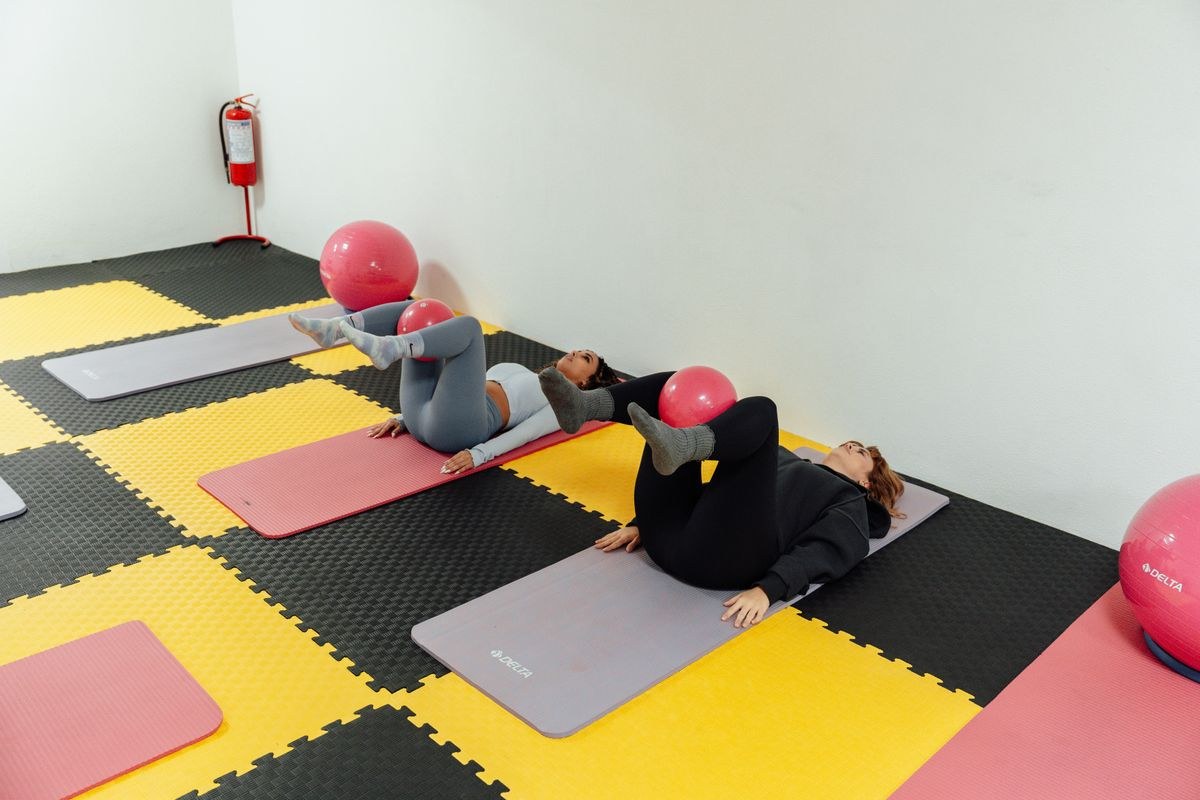
Sizing Your Rotation for the Studio
Studio-goers usually have the highest turnover, because classes happen on a schedule and there is no washing machine at the door.
Three to five pairs for regular attendees
If you take two to three classes a week, a five-pair rotation is comfortable and practical. It covers a full week of sessions with a spare or two, so a skipped laundry day never derails your practice. Five pairs also lets you keep one set designated for reformer days and another for mat classes if you prefer to separate them.
The dedicated class pair
Many regulars keep one favourite pair that fits perfectly and grabs the reformer exactly the way they like. That is fine, but keep the others in rotation too, because spreading wear across several pairs keeps each one in better condition for longer. A dedicated pair works best when it is the star of a rotation, not the only pair you own.
Colour-coding your class days
A small, fun habit is to assign colours to your week. Maybe Monday is charcoal, Wednesday is blush, and the Saturday class gets the bold print. It makes packing your bag effortless and adds a little personality to a practical purchase. Colour-coded rotation also helps you spot at a glance which pairs are clean and which have been worn.
When to retire a studio pair
Studio socks take the hardest wear, so check them every few months. Look for thinning under the heel and ball of the foot, a cuff that has gone slack, and grip that no longer feels tacky even after washing. Once a pair stops holding on the reformer, it is no longer doing its job. Retire it to home duty instead of throwing it out, where a little less grip is perfectly fine on a mat you control. That small second life keeps your rotation sensible and your spending lower.
Home Practice: How Many Pairs Is Actually Enough
At home you have a washing machine within reach, so you can get away with fewer pairs than a studio regular. Even so, two or three is the sweet spot.
Two pairs for the casual home practitioner
If you roll out a mat a couple of times a week at home, two pairs is plenty. One is on your feet, one is in the wash or drying, and the cycle keeps turning. Two pairs also travel easily between your practice corner and the laundry basket, which keeps the habit low-friction.
Three pairs for the everyday mover
If you practise most days, or you split your time between home flows and online classes, three pairs gives you breathing room. It means you are never waiting on laundry, and you always have a fresh pair for a spontaneous session. For most home practitioners, three is the number that quietly removes all the friction.
Keeping a spare for guests or shared spaces
If you share your home practice space, or you sometimes practise with a friend, one extra pair in a neutral colour is a thoughtful addition. It means a visitor can join a session without worrying about shoes or bare feet. Neutrals like black and grey are the most universally useful spare colours.
Travel and Gym Bags: The Minimalist Pack
Travel is where packing discipline pays off. The goal is to carry the fewest pairs that will still cover your routine without extra weight.
One compact pair for carry-on
For a short trip with one or two workouts planned, a single compact pair is enough if you can hand-wash it. Grip socks are small and dry quickly, so they take up almost no space in a carry-on. Roll them into a shoe or a corner of your bag and you have covered your movement needs without adding bulk.
Two pairs for a week-long trip
A week away with several sessions calls for two pairs: one on your feet, one being washed. Two pairs let you alternate so each has time to dry fully, which matters more in humid climates or hotel bathrooms where nothing dries quickly.
Build a dedicated travel kit
Keep a small pouch with two pairs of grip socks, a resistance band and a compact towel. Once the kit lives permanently in your suitcase, you never have to think about packing it again. A dedicated kit is the secret to actually keeping up your practice while you travel, because the barrier to starting is already gone.
Hotel gyms and unfamiliar floors
One more travel consideration: hotel gyms and rental studio spaces often have floors you would rather not touch directly. A grip sock gives you a clean layer between your skin and a shared surface, so you can flow without second thoughts. It also means you are never forced to choose between skipping a session and going barefoot somewhere unfamiliar. Slip the pouch into your bag, and any room with a little floor space becomes a workout space.
Grip Dots, Fabric and Fit: What to Look For
Not all grip socks are built the same, and the details decide whether a pair becomes a favourite or stays at the bottom of the drawer.
Silicone dots versus full grip panels
Some socks use scattered silicone dots, which give excellent traction while staying light and flexible. Others use a larger continuous grip panel across the sole, which offers maximum hold for reformer work. Dots are often more breathable and easier to fold; full panels are a strong choice for sweaty sessions. Both work well, so pick based on how much slip you tend to experience.
Heel and toe grip placement
Look at where the grip actually sits. The best designs place traction under the heel and the ball of the foot, which are the two contact points that matter most in pilates. Grip across the arch is a bonus but less critical. If the grip only covers the middle of the sole, your heel can still slide, so check the layout before you buy.
Cuff, rise and wide-foot fit
A comfortable cuff that stays up without pinching is essential, and a low-rise ankle cut is the most popular for studio work. If you have wide feet or a high instep, look for a sock with generous stretch and a smooth toe seam. The right fit should feel snug but never tight, with no rolling at the ankle and no bunching under the arch.
Cotton blends that breathe
A cotton-rich blend with a little elastane keeps your feet cool and the sock in shape. Pure cotton can stretch out and lose grip over time, so a small amount of stretch fibre is your friend. Breathable fabric matters more than you might expect when you are holding a plank for a full minute.
Toe socks, full-toe and half-toe options
Some grip styles come as five-toe socks, which separate each toe and can feel wonderful if you like a barefoot-like splay. Others have a full toe box, which is warmer and simpler to put on. A third option leaves the toes partially open for extra breathability. There is no single best choice, only the one that matches how you like your feet to feel. If you are unsure, a full-toe grip sock is the safe all-rounder, and you can branch into toe styles once you know your preference.
Hygiene and Washing: Making Grip Socks Last
Because grip socks sit directly on shared floors and collect sweat, a simple care routine keeps them hygienic and keeps the silicone grabbing properly.
Wash after every wear
Treat grip socks like underwear and wash them after each session. A cool, gentle machine wash inside a mesh bag protects the silicone and stops the socks tangling. If you are travelling, a quick hand wash with a little mild soap and a thorough rinse is completely fine, and they will dry overnight.
Protect the silicone grip
The single biggest mistake is tumble drying grip socks on high heat. Heat breaks down the silicone and turns sticky dots into slippery ones. Air dry them flat or hanging, away from direct high heat, and the grip will stay effective far longer. Skip fabric softener too, because it leaves a coating that reduces traction.
Rotate to extend their life
Alternating between several pairs spreads the wear and keeps every sock gripping well. It also means you are never relying on one overworked pair that has lost its stick. Building a small rotation is the most practical reason multipacks are worth it, because you are buying hygiene and longevity, not just fabric.
Storing them neatly
Keep clean grip socks folded loosely in a drawer or a small pouch so the soles do not pick up lint. Lint and hair cling to silicone and reduce grip, so a clean, dry storage spot genuinely helps. A dedicated small bin for your studio kit keeps everything together and ready to grab on the way out the door.
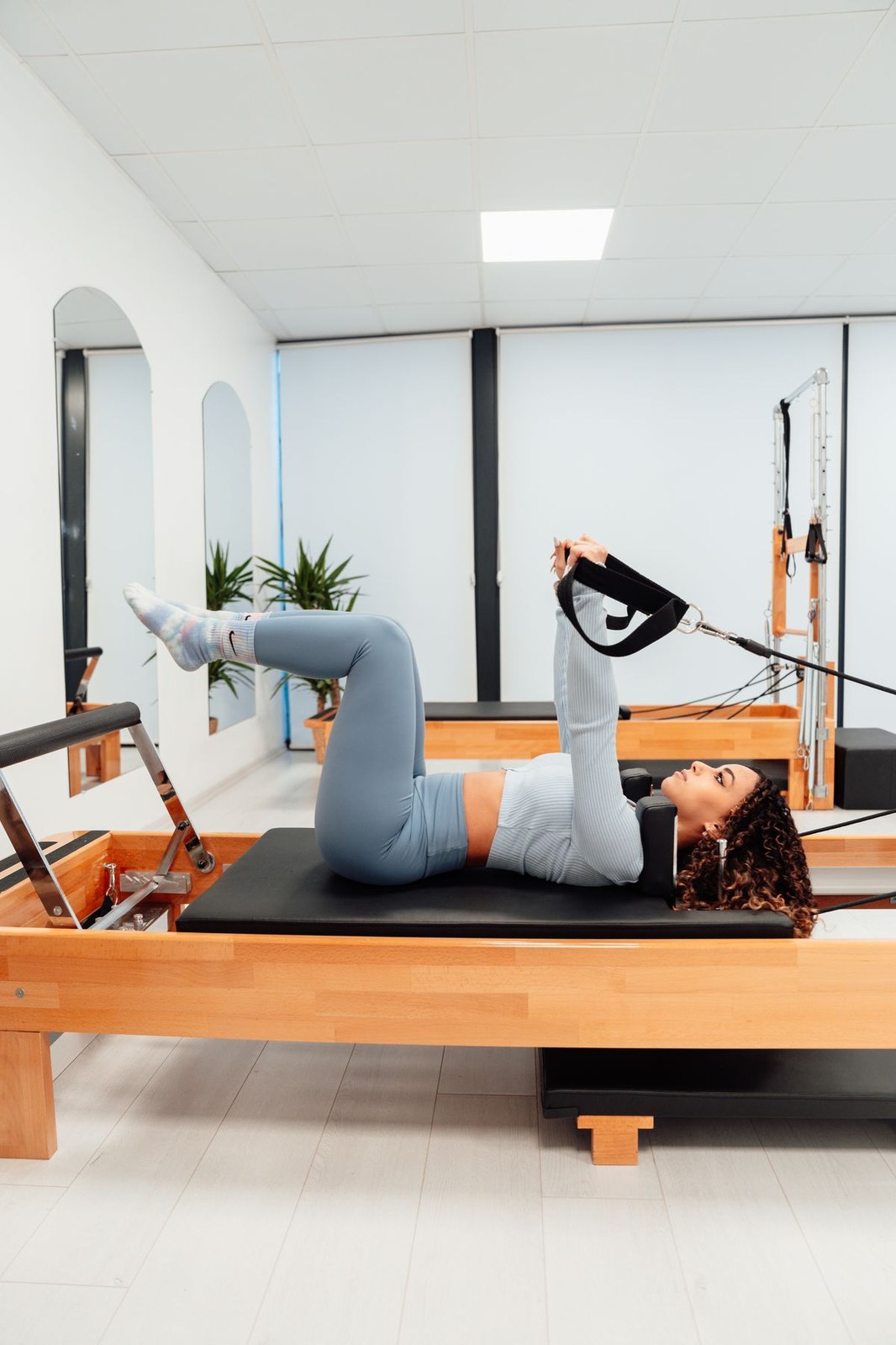
Frequently Asked Questions About Grip Pilates Socks
How many pairs of grip pilates socks should a beginner buy?
Start with a three-pair pack. That gives you a clean pair for each of two or three weekly sessions and one for the wash, without overcommitting before you know your routine. If you end up practising more often, you can add a second pack in a different colour. Beginning with three is the most flexible choice, because it covers the common case without leaving you short.
Can I wear grip pilates socks for yoga and barre too?
Yes, and many people do. Grip socks work beautifully for barre, yoga, dance cardio and even around the house on slippery floors. The level of grip you want may vary, but a sock with heel and ball-of-foot traction is versatile across all of these. One rotation can genuinely serve your whole movement week.
How do I stop grip socks from slipping down during class?
Choose the right size and look for a cuff with good stretch and a gentle elastic band. A sock that is too large will bunch and roll, while one that is too small will pinch. If your socks still slide, check the heel fit first, because a heel that sits too low is the most common cause of roll-down. A proper fit nearly always solves it.
How long do grip pilates socks last?
With regular washing and air drying, a quality pair can last a long time, often a year or more in a healthy rotation. The silicone is usually the first thing to wear, so once a sock stops gripping well even when clean, it is time to retire it. Rotating several pairs and avoiding high heat is the simplest way to stretch that lifespan.
However you split your time between studio, home and travel, the goal is the same: always have a clean, grippy pair within reach. Build a rotation that matches your real routine, care for the silicone, and your grip pilates socks will quietly make every session more stable, more comfortable and more fun.