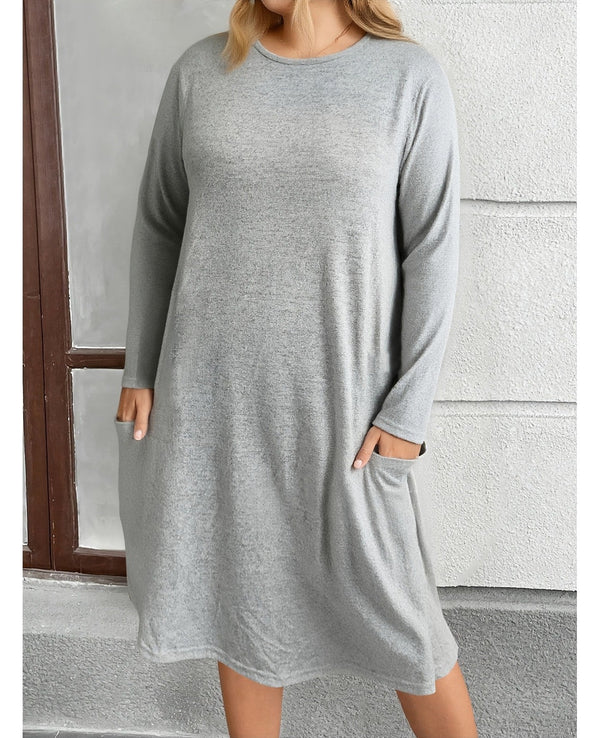
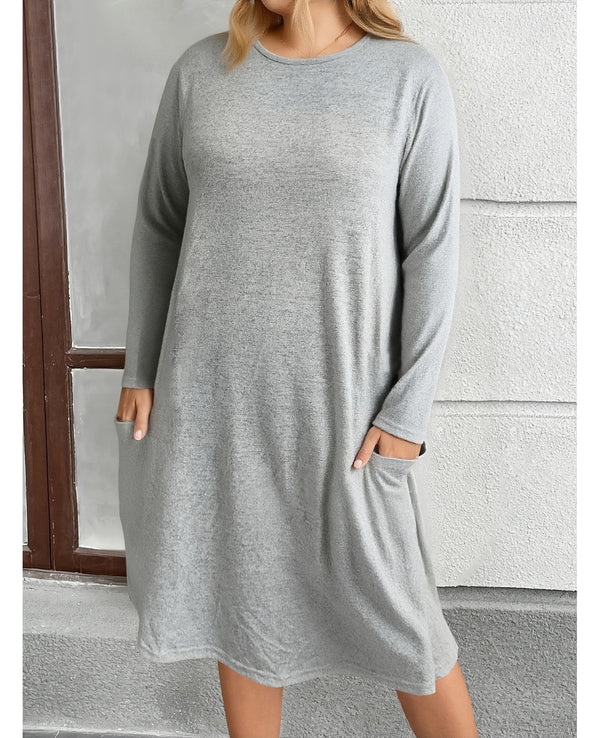
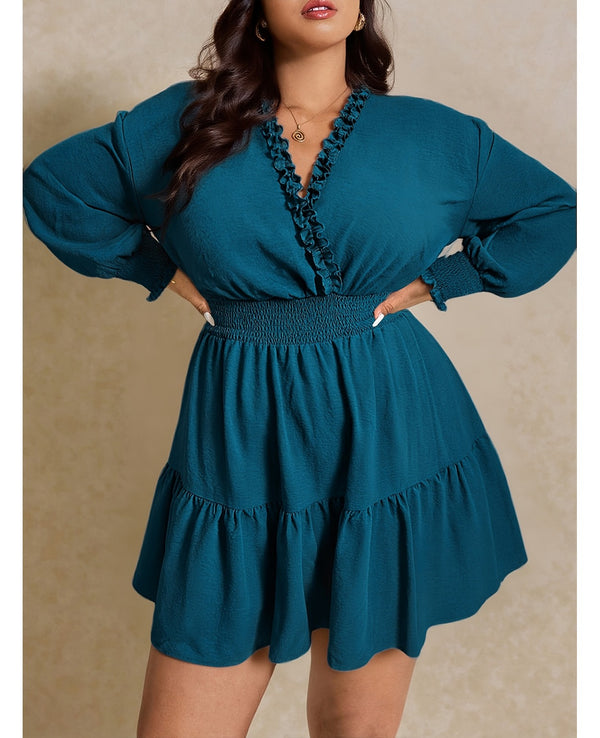
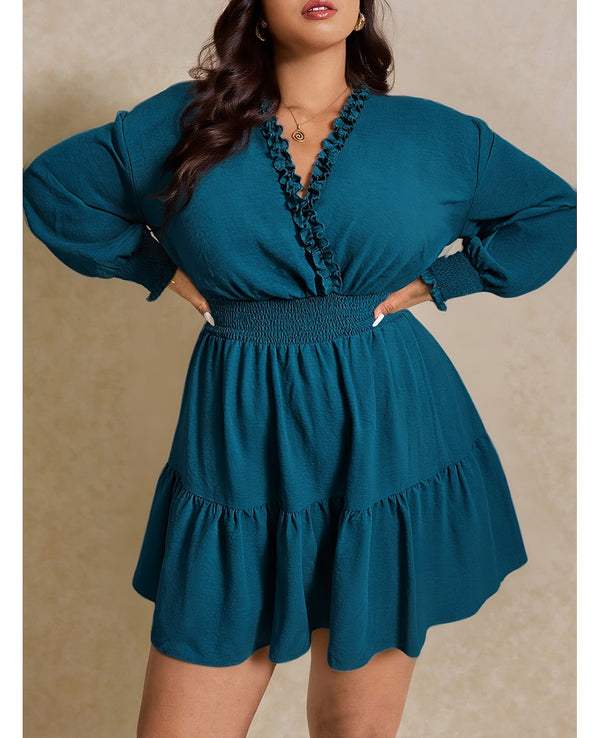
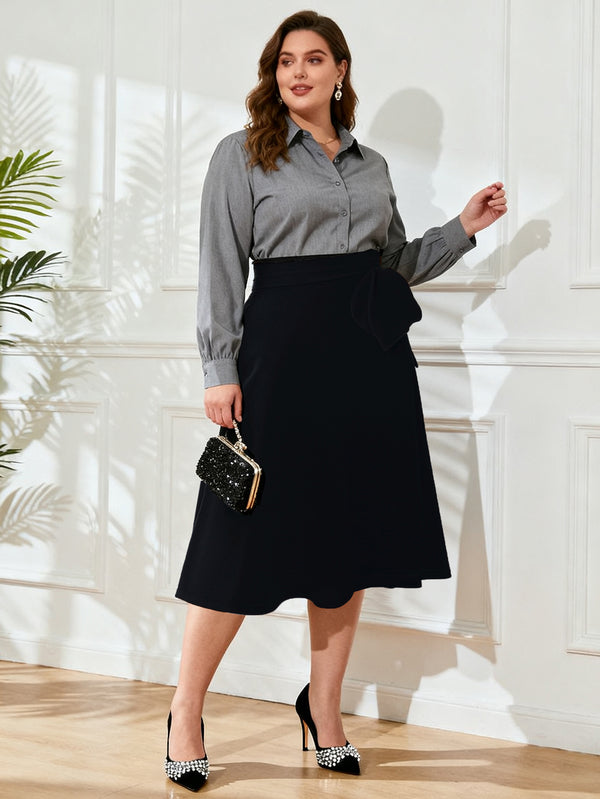
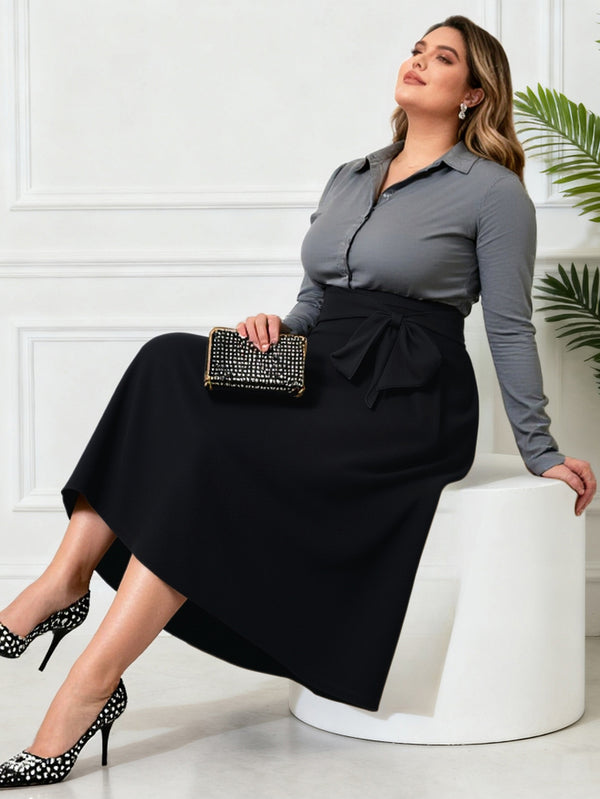
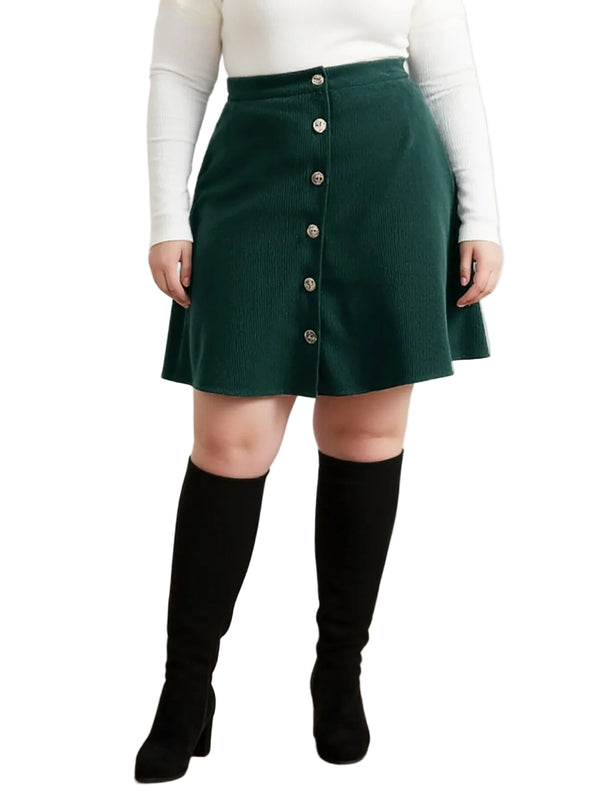
Taking good care of your wardrobe should feel simple, friendly, and a little rewarding — and that is exactly what this plus size clothing care guide is here to do. If you have ever pulled a favorite pair of leggings out of the dryer only to find the waistband has gone limp, or watched a soft fleece-lined piece lose its shape after one too many hot washes, you are not alone. Curvy bodies put unique demands on garments: wider cuts, reinforced seams, and stretch fabrics all work harder than standard sizing, which means they deserve a care routine built around how they actually live in your closet. In the sections below we walk through a complete, practical plus size clothing care system — from sorting and washing temperatures to drying, storage, de-pilling, and reviving stretched waistbands — so the clothes you love keep their fit and their confidence for years. Think of this as your gentle, judgement-free handbook: no perfection required, just a few small habits that add up to a wardrobe that lasts.
Why Plus Size Clothing Deserves Its Own Care Routine
Most laundry advice is written for the average garment, but plus-size pieces are not average. A size 24 sweatpant carries more fabric weight across the seat and thighs, which means more tension on the seams when it is wet. A reinforced waistband is engineered to hold gently without digging in, but heat and harsh detergent can break down that elastic faster than you expect. When we talk about plus size clothing care, we are really talking about protecting the engineering that makes curvy clothing comfortable in the first place.
The stress points you should know about
Every body is different, but the high-wear zones are remarkably consistent: the waistband, the inner thigh, under the arms, and any gathered or ruching detail. These are the places where fabric rubs, stretches, and strains. A thoughtful care routine keeps these zones intact so you are not replacing pieces every few months. Spend a moment noticing where your own clothes wear out first — that awareness alone helps you prep them for the wash.
Care is also sustainability
Extending the life of a garment by even one year dramatically reduces its environmental footprint. Good plus size clothing care is kinder to your wallet and to the planet — and it means fewer disappointing mornings spent hunting for a replacement that fits just right. Fast fashion tempts us to toss and rebuy, but a well-loved, well-cared-for piece will always feel better than something new and unworn.
Your routine does not have to be complicated
You do not need a shelf of specialty products. A gentle detergent, cold water, a mesh bag, and a drying rack will carry you through almost everything we cover here. The goal is consistency, not complexity. A five-minute sort on laundry day beats an elaborate system you abandon by week two.
Start where you are
If your current habit is "everything goes in hot and comes out of the dryer," do not overhaul it all at once. Pick the single change with the biggest payoff — air-drying your leggings — and live with that for a month. Once it feels normal, add the mesh bag, then the rotation. Small, permanent shifts beat dramatic bursts you cannot sustain, and your wardrobe will reflect the steadier approach.
Know Your Fabrics: What You Are Actually Washing
Before you touch a washing machine, get friendly with your fabric labels. Different materials want different treatment, and a one-size-fits-all wash cycle is the fastest way to ruin a beloved piece. Here is a quick map of the most common curvy-wardrobe fabrics and exactly how each one likes to be treated.
Cotton blends
Cotton blended with a little spandex or elastane is the workhorse of plus-size everyday wear: tees, tunics, soft joggers. The cotton keeps things breathable while the stretch gives you ease of movement. These blends like lukewarm water and a gentle cycle, and they hate high heat, which shrinks the cotton and cooks the stretch right out. Wash them inside out to protect prints, and skip the dryer when you can.
Fleece-lined leggings and tights
Cozy fleece-lined leggings are a winter staple for good reason, but that brushed interior is delicate. The fluffy lining pills and mats if it rubs against rough items or tumbles too long. Turn them inside out, wash cold, and keep them away from jeans and towels. You can find more cozy options in our fleece lined leggings collection. After washing, resist the urge to wring them — squeeze gently and roll in a towel to remove excess water.
Leggings, tights, and sweatpants
All three rely on stretch fiber to hold their shape. Tights are the most fragile — hand wash or use a mesh bag on the delicate cycle. Leggings and sweatpants are tougher but still benefit from cold water and low-heat drying. Browse supportive everyday styles in our plus size leggings collection to see the range of fabrics we discuss here. The sturdier the waistband construction, the more abuse it can take, but every band appreciates a rest between wears.
How to read the care label quickly
A tub icon means wash, a triangle means bleach, an iron means heat, and a circle means dry clean. One dot means cool, two dots mean warm, three means hot. Spend ten seconds on the label and you will save a garment. When in doubt, default to cold and gentle — it is almost never the wrong choice for stretch clothing.
Washing Temperatures and Detergent Choice
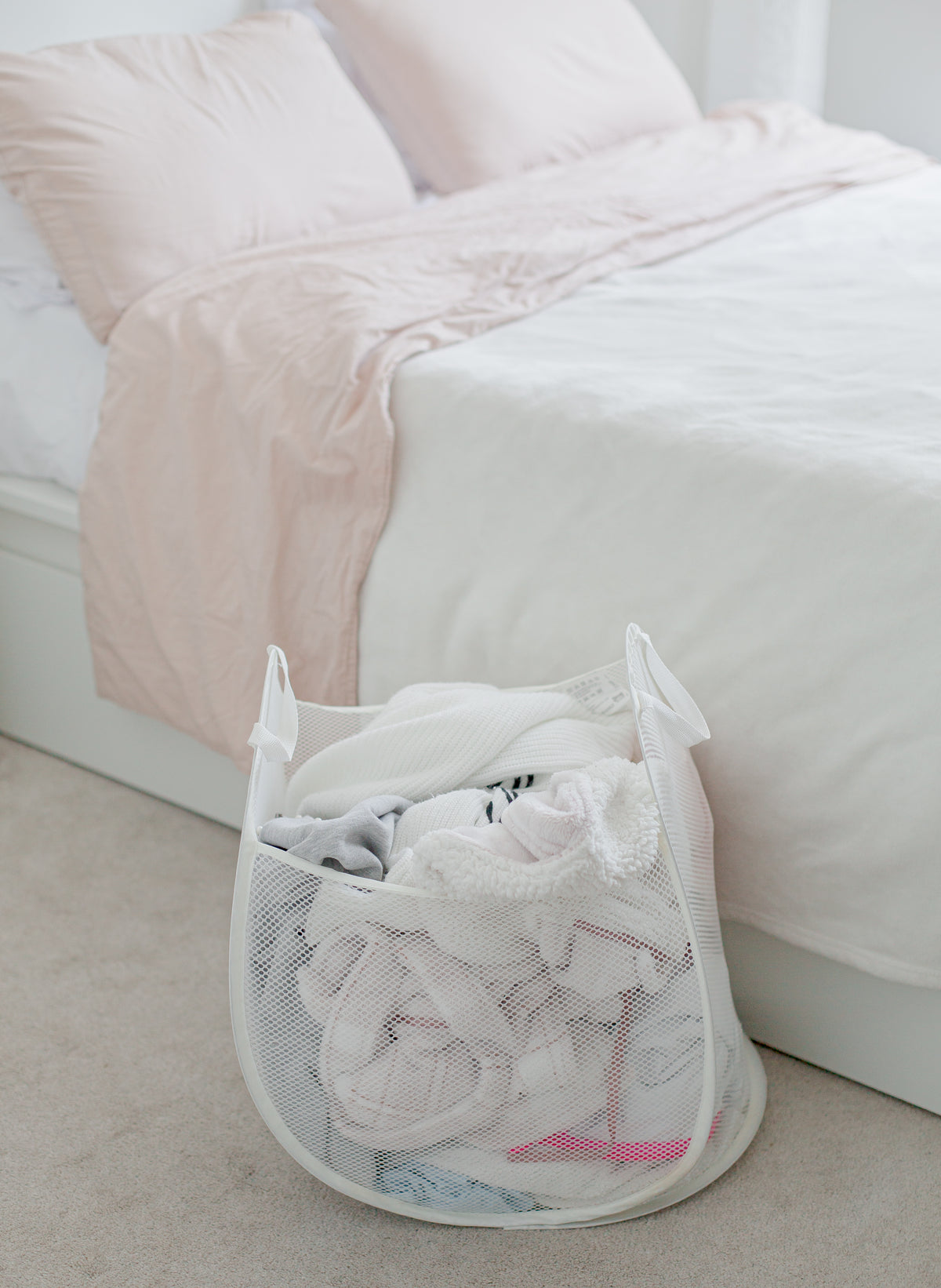
Temperature is the quiet hero of garment care. Too hot and you shrink, fade, and crack elastic; too cold and you may not lift body oils from thicker fabrics. The sweet spot for most curvy stretchwear is cold to lukewarm (30°C or below).
Picking the right detergent
Choose a mild, liquid detergent formulated for delicates or activewear. Powder can leave residue in thick seams, and "super concentrate" pods sometimes do not fully dissolve in cold water. Avoid fabric softeners on leggings and tights — the coating clogs the breathable fibers and breaks down stretch. A half-cap of white vinegar in the rinse compartment naturally softens and deodorizes without residue. If you have hard water, a scoop of washing soda once a month helps keep fibers from going stiff.
Sort by weight and color
Wash heavy sweatpants separately from lightweight tunics so the lighter pieces are not crushed and the heavy ones get clean. Turn everything with prints inside out to protect the design, and zip zippers and fasten hooks so they do not snag neighboring garments. Dark colors appreciate a color-catcher sheet on the first few washes to lock in dye.
How much is too much?
Overloading the machine means clothes cannot move freely, so detergent and dirt stay trapped in the fibers. Fill the drum about three-quarters full and use the gentle or permanent-press cycle for stretch items. Less agitation equals longer life. If a load looks packed, split it — your seams will thank you, and your clothes will actually come out clean rather than merely damp and soapy.
Pre-treating stains the kind way
For underarm marks or inner-thigh rub, dab a little diluted detergent directly on the spot and let it sit fifteen minutes before the wash. Never scrub aggressively — pat and lift instead. Harsh rubbing weakens the exact seams that plus-size clothing depends on most.
Protecting Waistband Elastic and Reinforced Seams
This is the heart of plus size clothing care, because the waistband and seams are exactly where curvy garments fail first. A little attention here pays off more than anything else you do, and the habits are easy to build into laundry day.
Keep heat away from elastic
Elastic is plastic at its core. Tumble heat bakes it brittle, and direct iron contact melts it. Always dry waistbands on low or air, and never press an iron onto a band — if you must, use a pressing cloth and the lowest setting. When a garment says "tumble dry low," interpret that as a ten-minute fluff, not a full cycle.
Wash seams gently
Reinforced seams are stronger but they are also thicker, so they hold more water and take longer to dry. Button or hook the waist before washing so the garment keeps its shape, and consider a mesh laundry bag for anything with delicate ruching or side shirring. Turning pieces inside out also shields the outer seam from abrasion against other items in the drum.
Rotate your favorites
Elastic recovers when it rests. If you wear the same high-waist leggings five days straight, the band never gets a chance to bounce back. Keep two or three rotation pairs so each one relaxes between wears — this single habit dramatically extends waistband life. Treat your most-loved pieces like good shoes: they last longest when they get a day off now and then.
Watch the spin speed
High spin cycles wring garments tight and stress the waistband. Drop the spin to 600–800 rpm for delicate stretch items. They will take a little longer to dry, but the elastic stays springy and the seams stay smooth.
Air-Drying vs Tumble Drying
If you change only one habit after reading this guide, make it drying. Tumble dryers are the number-one enemy of stretch and elastic in plus-size clothing, and the damage is cumulative and permanent.
Why air-drying wins
Laying pieces flat or hanging them by the waist (never by the leg, which stretches them) preserves shape and color. Air drying uses zero energy and adds years to your wardrobe. For leggings and tights, lay them flat on a towel to avoid shoulder-hanger creases. A folding rack in a warm room does the job beautifully, and your utility bill will drop along with the wear and tear.
When you must tumble
If you are short on time, use the lowest heat or an air-fluff cycle and pull items while they are still slightly damp, then finish flat. Never run a full hot cycle on anything with spandex. A five-minute fluff is fine; a forty-minute bake is not. Think of the dryer as a finishing tool, not the primary drying method for your stretchy favorites.
Drying heavy items
Sweatpants and thick joggers hold a lot of water. Reshape them while damp and dry on a rack, flipping once. This prevents the stiff, misshapen knees that come from pile-drying in the machine. If you must hang them, clip at the waistband with padded hangers so the weight distributes evenly instead of stretching one point.
Folding and Storing Your Pieces
How you put clothes away matters as much as how you wash them. Poor storage is a silent shape-killer that undoes good laundry habits while items sit untouched in a drawer.
Fold, don't hang, the stretchy stuff
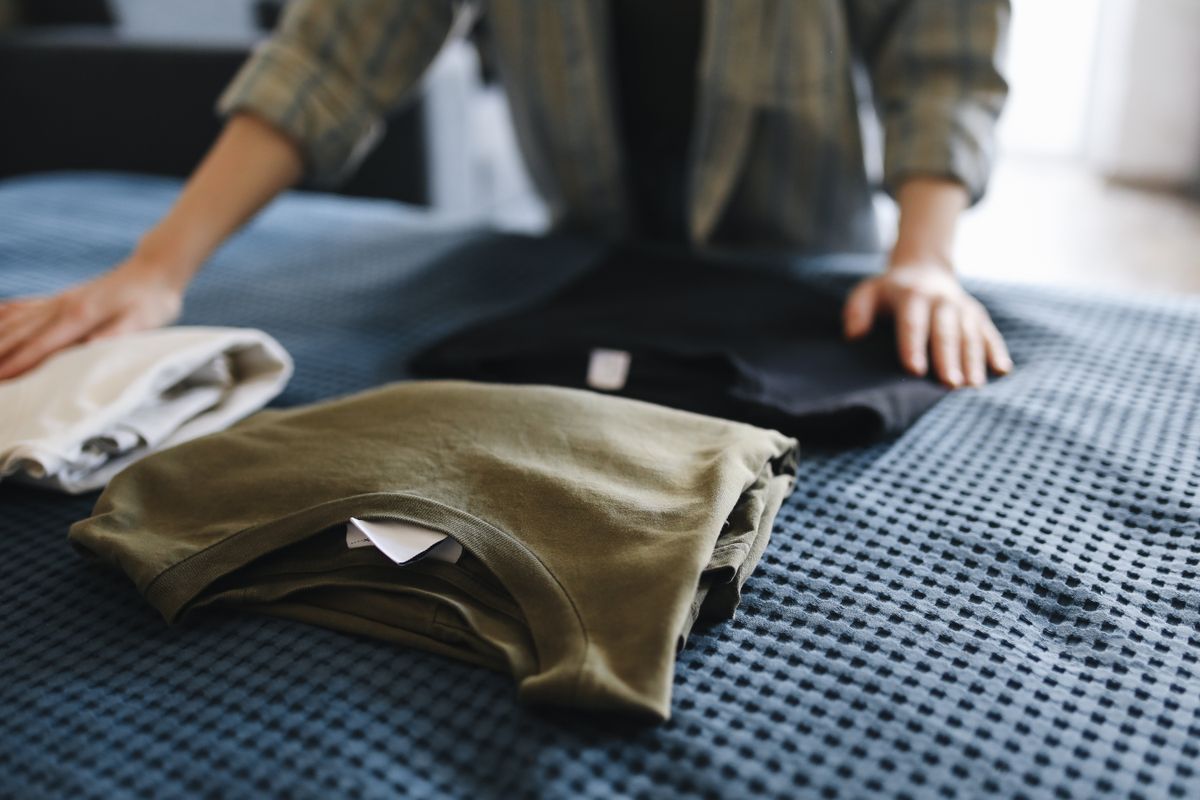
Leggings, tights, and sweatpants should be folded. Hanging them by the waistband slowly stretches the elastic and leaves a permanent dip. Fold leggings in half and roll or stack them; store tights flat in a drawer to avoid runs. A simple KonMari-style upright fold lets you see every piece at a glance and keeps bands relaxed.
Give seams breathing room
Avoid overstuffed drawers where seams get crushed into permanent creases. Use drawer dividers or fabric bins so each category — leggings, tunics, sweatpants — has its own home. Cedar blocks or lavender sachets keep things fresh without chemical mothballs. Good airflow in the closet also matters; cramped, airless spaces encourage musty odors that are hard to wash out later.
Seasonal storage
When fleece-lined pieces go into summer hibernation, wash them first, make sure they are completely dry, and store in breathable cotton bags rather than plastic, which traps moisture and invites mildew. A little plus size clothing care in the off-season means they are perfect when the cold returns. Add a cedar sachet and check once mid-season so you catch any issue before it becomes damage.
De-Pilling and Reviving Stretched Waistbands
Even with great care, pills happen — especially on fleece and brushed interiors. The good news is both pilling and sagging waistbands are fixable at home with a few minutes and the right touch.
De-pilling the gentle way
Use a fabric comb, a battery de-piller, or a simple disposable razor pulled lightly across the surface. Always go in one direction on a flat, taut section, and never on a wet garment. A quick ten-minute de-pill makes an old pair of leggings look nearly new. For fleece interiors, a soft lint brush used gently revives the nap without shredding the fibers.
Reviving a stretched waistband
If a band has gone loose, wash the garment in warm (not hot) water and lay it flat to dry — the gentle heat can shrink the fiber slightly and tighten the elastic. For a quicker fix, steam the waistband lightly with an iron held above the fabric, then let it cool flat. Avoid overstretching while wet, which sets the sag. Some people swear by a short soak in warm water with a tablespoon of hair conditioner, which relaxes and then re-tightens the knit as it dries.
When to let go
Some pieces have genuinely given their all. If the fabric is thinning at the inner thigh or the elastic snaps back no matter what, thank it for its service and recycle it. Knowing when to retire a piece is part of smart plus size clothing care too — holding on past the point of comfort only costs you confidence on days you need it most.
A quick weekly reset ritual
Once a week, do a five-minute closet check: pull anything that needs mending, air out pieces that have been stored, and notice which waistbands feel tired so you can rest them. This tiny ritual catches small problems — a loose thread, a faint pill, a sagging band — before they become big ones. It also reconnects you with the clothes you own, so you actually wear the things you love instead of forgetting them at the back of the drawer.
Frequently Asked Questions
Can I wash all my plus-size clothes together?
Not ideally. Group by fabric weight and wash temperature: lightweight tunics and tights on cold delicates, heavier sweatpants on a separate gentle load. Sorting protects both the delicate items and the thick ones, and it keeps your favorite leggings from getting crushed under heavier knits.
Is fabric softener bad for leggings and tights?
Yes, for stretch pieces. Softener coats the fibers, reduces breathability, and accelerates elastic breakdown. Use a splash of white vinegar in the rinse instead for softness without the residue. Your clothes will feel clean rather than waxy, and the waistbands will stay bouncier for longer.
How often should I wash my leggings?
After every two to three wears is plenty unless you have been sweating. Over-washing is a common cause of premature wear, so let them rest between washes and air them out between wears. A garment steamer or a quick hang in fresh air revives them between washes without the full laundry cycle.
What is the single best habit for longer-lasting clothes?
Air-dry everything with stretch or elastic, and rotate your favorites so waistbands can recover. Those two changes alone will outlast almost any fancy detergent. If you remember nothing else from this plus size clothing care guide, remember that heat is the enemy and rest is the secret.