Plus Size Color Block Outfits: How to Wear Bold Contrasting Color Combos with Confidence
Sep 13, 2026

Ready to trade safe neutrals for something with a little more spark? Plus size color block outfits are one of the most joyful ways to dress your body in confident, head-turning contrast. Where monochrome dressing asks you to blend into a single shade, color blocking celebrates intentional blocks of contrasting color placed exactly where you want the eye to travel. In this guide we will show you how to build plus size color block outfits that flatter your shape, honor your skin tone, and feel completely wearable for work, weekends, and nights out. You do not need a stylist or a fashion degree to make it work; you simply need a few friendly principles and the willingness to play. The best part is that color blocking is endlessly forgiving, so you can start small and grow bolder as your confidence builds.
What Is Color Blocking (and Why It Loves Curves)
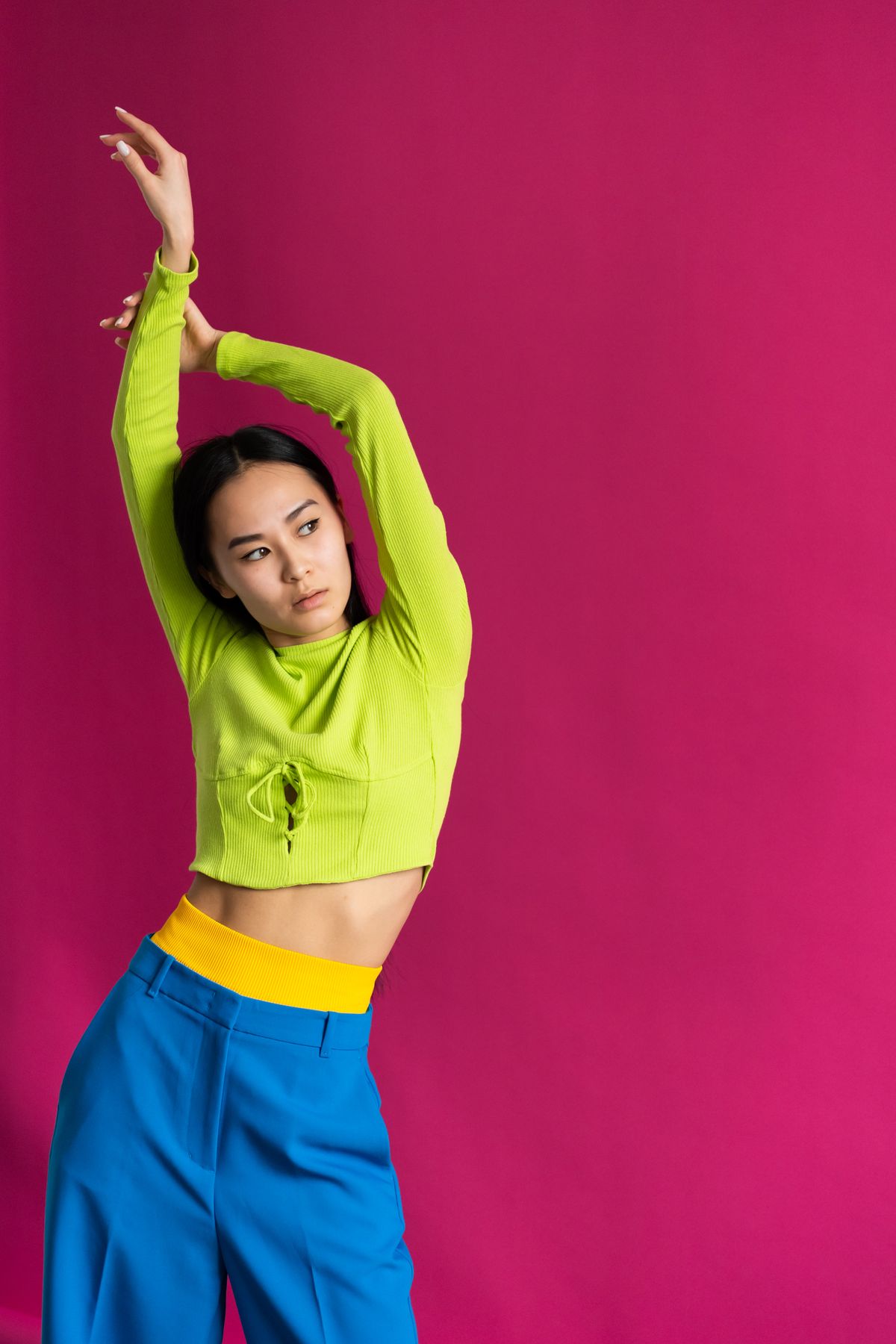
Color blocking is the practice of wearing two or more solid colors next to each other in clean, deliberate panels. Think of a dress that is emerald green through the bodice and a deep fuchsia skirt, or a top and bottom in two shades that clearly disagree with each other in the most flattering way. The look reads as intentional and modern, and it has a long, glamorous history on the runways before it became an everyday plus size fashion staple. Unlike prints, which scatter many colors across a surface, color blocking keeps each hue pure and unmixed so the contrast does the talking.
The difference between color blocking and prints
A printed garment uses pattern to combine colors, which can feel busy on a fuller figure if the scale is wrong. Color blocking uses solid fields of color separated by clean lines or seams, which gives your eye a clear place to rest. That clean separation is exactly why many of our customers find it so wearable: the blocks create structure without relying on tight fabric or restrictive shaping. You get definition from color, not from squeezing yourself into anything.
Why bold contrast works beautifully on plus size bodies
Curves are an asset when you are blocking color. A strong vertical seam between two colors visually organizes the body and draws the eye along the line you choose. Horizontal blocks can celebrate a soft waist or a beautiful hip. Because plus size color block outfits use confident, saturated color, they project ease and self-possession rather than apology. The goal is never to shrink you; it is to dress you in color that feels like a statement you actually want to make.
There is also a practical side that our community mentions often. When a garment is built from clear color blocks, it is easy to read your own shape at a glance in the mirror, which makes getting dressed feel calmer. You are not squinting at a busy print trying to decide if it works; the design tells you exactly where each part of the outfit sits. That clarity is reassuring on mornings when decision fatigue is real, and it is one reason blocked styles become repeat favorites in a wardrobe.
Another quiet benefit is versatility across moods. A single color-blocked piece can feel playful one day with sneakers and polished the next with heeled boots, simply because the color does the heavy lifting while everything else stays simple. You are not starting from scratch each time you dress; you are decorating around a strong, happy base.
Color Theory 101: The Combos That Always Work
You do not need to memorize a color wheel to block color well, but three simple relationships will take you far. Start with pairs you already love in nature and art, then translate them into clothing.
Complementary colors
Complementary colors sit opposite each other on the wheel: think blue and orange, red and green, purple and yellow. These pairings create the most electric contrast, which is why they feel so bold. For a first step, try a muted version of each, such as mustard and plum, so the contrast is friendly rather than loud. The drama comes from the relationship, not from how bright each color is.
Analogous but contrasting
Analogous colors sit beside each other, like teal, blue, and violet. On their own they look calm, but when you place a brighter member of the family against a deeper one, you get contrast that still feels harmonious. This is a wonderful route if you love color but feel nervous about clash. You get the blocking effect with a built-in sense of calm.
The classic trio
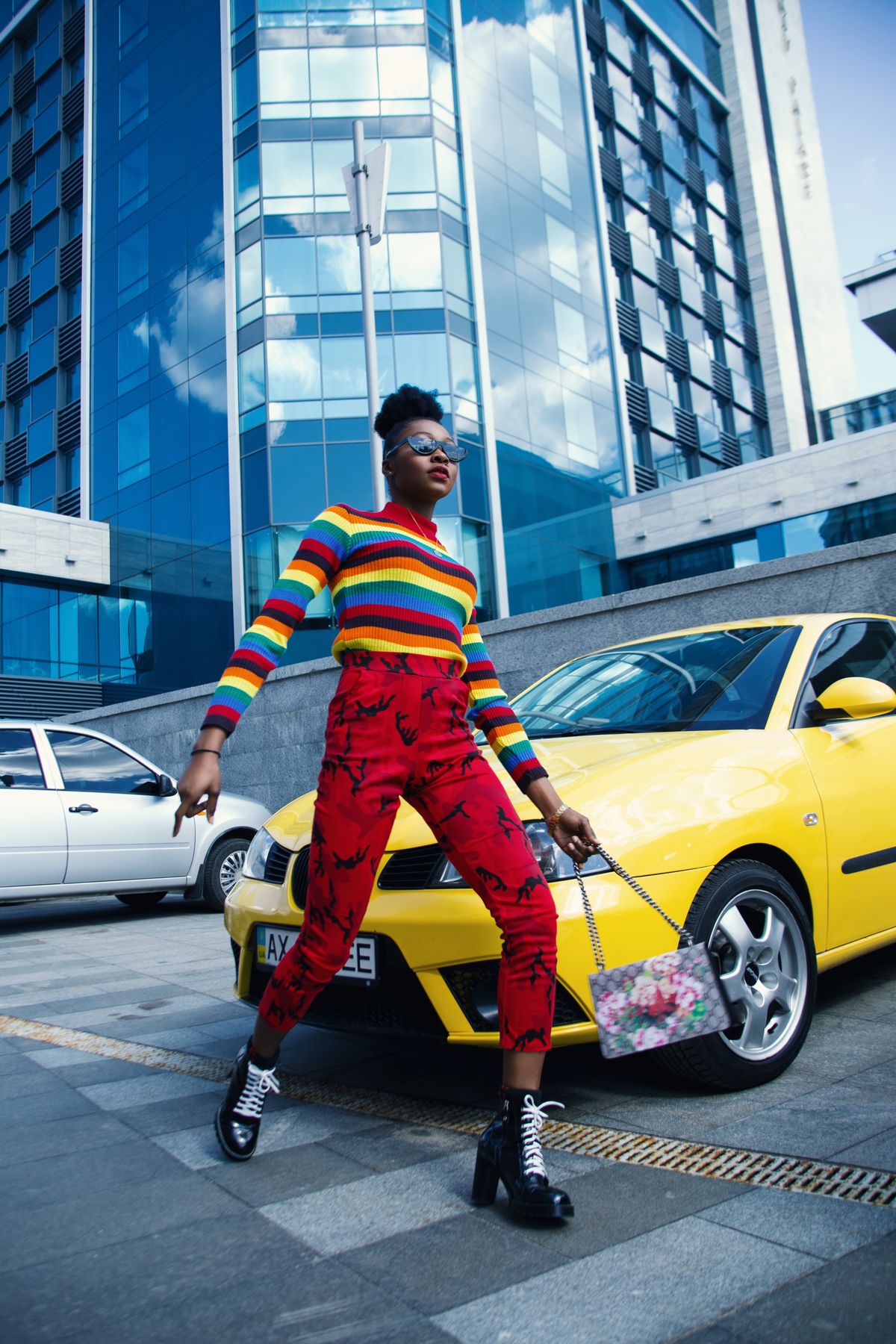
Three colors can work when one plays peacemaker. A common formula is two contrasting brights plus a neutral anchor such as ivory, charcoal, or camel. The neutral gives the eye relief and keeps the outfit from feeling like a costume. When in doubt, let one color dominate and use the others as accents along a neckline, a sleeve, or a side panel.
A helpful way to picture the trio is the sixty-thirty-ten rule borrowed from interior design. Let about sixty percent of the outfit be your dominant color, thirty percent a supporting contrast, and ten percent a punchy accent. On a color-blocked dress this might mean a teal body, a navy panel, and a thin coral trim. The proportions keep the eye satisfied because they echo the balance we already find pleasing in rooms, gardens, and artwork. You do not have to measure anything; just aim for one clear star, one quiet partner, and one tiny spark.
Where to Place Contrast on Your Body
Placement is where color blocking becomes a tool rather than a gamble. By choosing where the color changes happen, you gently guide attention to the areas you most enjoy showing off.
Think of each color block as a small spotlight. The eye is naturally drawn to where two colors meet, so you can place that meeting point at a feature you love, whether that is a strong shoulder, a soft waist, or a long leg line. You are not changing your body; you are simply deciding where the viewer looks first. That is the quiet power of the technique, and it is why the same two colors can feel completely different depending only on where the seam lands.
Vertical splits
A vertical seam that runs from shoulder to hem, dividing the body into two color fields, creates a long, continuous line. This is the most reliable placement for almost every body because the eye travels upward and the silhouette feels tall and composed. A color-blocked dress with a side panel in a contrasting shade uses exactly this trick.
Horizontal blocks
Horizontal blocking separates the body into a top color and a bottom color, or layers a contrasting hem, waistband, or yoke. This works beautifully when you want to celebrate a defined waist or a favorite skirt. Keep the blocks generous rather than thin; thick, confident bands read as design, while skimpy stripes can look accidental.
Diagonal and asymmetric panels
Diagonal seams are the most dynamic option. A panel that sweeps from one shoulder across the torso adds movement and energy, and it naturally draws the eye toward the face. Asymmetric placement is also forgiving because it breaks up the center line and feels modern rather than formal. Many of our color-blocked dresses use a diagonal color sweep for exactly this reason.
If you are building your own look from separates, you can fake a diagonal line with how you layer. A long cardigan in a contrasting color worn open over a column dress creates a V of color that points downward and outward, lengthening the torso. A cross-body bag in a bright shade pulls a diagonal line across the body too. These small tricks borrow the energy of true diagonal blocking without requiring a specially cut garment, which is useful when your favorite pieces are more simply shaped.
Finding Your Skin-Tone Harmony
Bold color only feels confident when it agrees with your skin. The fastest way to test a color is to hold it near your face in good light and notice whether your skin looks awake. Here is a simple map.
Warm undertones
If gold jewelry flatters you and your veins look greenish, you likely have warm undertones. Lean toward color blocks built from coral, tomato red, marigold, olive, and warm camel. Pairing a warm bright with a deep warm neutral like chocolate or rust keeps the whole look coherent and glowing.
Cool undertones
If silver suits you and your veins look bluish, cool undertones are probably yours. Choose fuchsia, royal blue, emerald, lavender, and icy grey. A cool block of sapphire against a soft lilac reads expensive and calm at the same time, and it makes the skin look bright rather than tired.
Neutral undertones
Many people can wear both metals comfortably. If that is you, the whole wheel is open. The trick is to keep saturation consistent across the blocks so the outfit feels designed. Mixing one muted shade with one neon shade can read as mismatch rather than contrast, so match the energy of your colors even when their hues differ.
When you are unsure, the jewelry test is your friend, but lighting matters. Try colors near your face in daylight rather than under the yellow glow of a store, because warm lighting flatters almost everything and can mislead you. If a color still leaves you uncertain, place it lower on the body where it matters less, and keep your most flattering shade near the face. Confidence in color blocking comes partly from practice, so give yourself permission to experiment at home before wearing a new combo out.
Color-Blocked Dresses and Matching Sets to Try
The easiest way to wear this trend is to let a single garment do the work. A well-designed piece already places the color for you, so you can simply step in and feel put together.
Color-blocked dresses
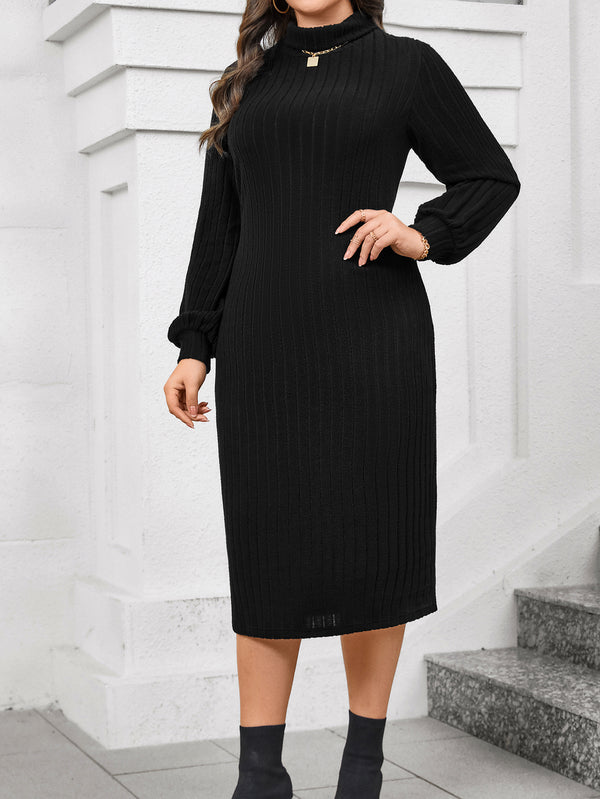
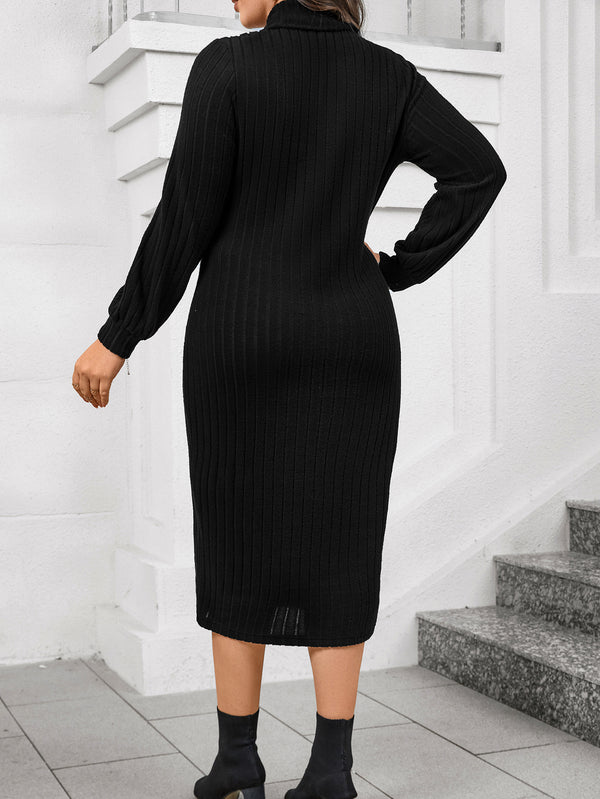
A color-blocked dress is the lowest-effort entry point. Look for one with a contrasting bodice and skirt, or a diagonal color sweep across the torso. Because the proportions are already balanced by the designer, you get the statement without the guesswork. Our edit of plus size dresses includes several blocking styles built specifically for fuller curves, with seams placed to flatter rather than fragment.
Two-piece sets
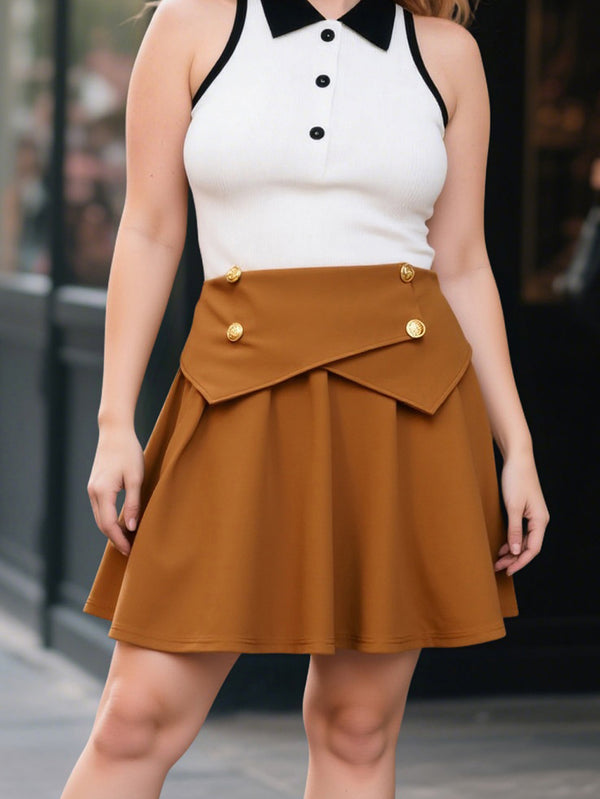
Matching sets in two colors give you a built-in block with the flexibility to split up later. Wear the set together for a bold moment, then pair the top with jeans and the bottom with a neutral tee on other days. Sets are a smart investment because the contrast is guaranteed to work and the pieces earn their keep separately too.
Separates you can mix
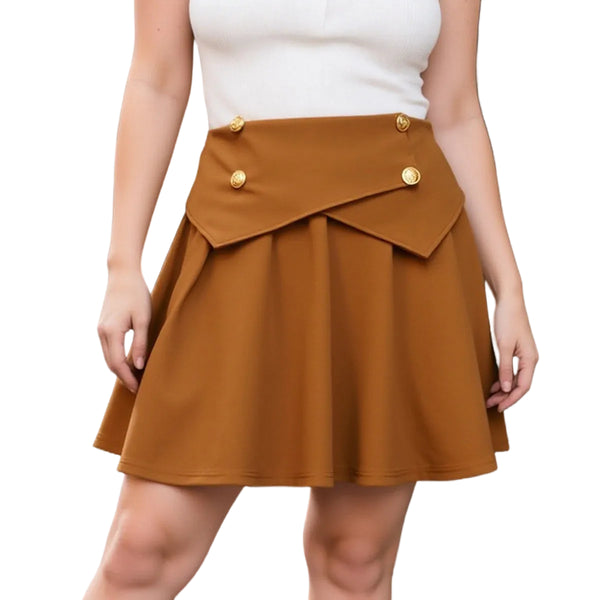
Once you are comfortable, build your own blocks from the wider plus size fashion range. A cobalt top with a tangerine skirt, or an emerald pant with a plum blouse, lets you control the exact placement. Keep the fabrics similar in weight so the blocks feel like one outfit rather than two separate ones that happened to meet.
A simple exercise is to photograph your blocked outfit in natural light and look at it small, the way others will see you across a room. If the colors read as one intentional unit, you nailed it. If they read as two unrelated garments, adjust the proportion so one color clearly leads. This quick check removes second-guessing and turns experimentation into a skill you can repeat with any new pieces you bring home.
Styling Plus Size Color Block Outfits for Real Life
Color blocking is not only for photo shoots. Here is how to make it part of an ordinary week.
At the office
Choose two muted, professional colors separated by a clean seam: think slate blue and dove grey, or forest green and camel. Keep accessories minimal and let the color do the talking. A blocked sheath or a color-split blazer over a neutral base reads confident and capable without breaking any dress code.
Weekend casual
Weekends are the time to play. Try a bright tee blocked against a contrasting sneaker and tote, or a two-tone knit with relaxed trousers. The relaxed fit of weekend dressing pairs beautifully with bold color because nothing feels precious. Add a third accent through a bag or nail color if you want extra cheer.
Evening plans
For dinner or a party, deepen your palette. A black-and-jewel-tone block is instantly elegant, while a fuchsia-and-orange pairing feels festive and fearless. Let one color be dark so the bright reads as the star. A little structure in the fabric, such as a firm knit or a lined dress, keeps bold color looking intentional after hours.
Finish the evening look with restraint in your extras. A single metallic shoe or a small clutch in a third accent shade is plenty; piling on competing jewelry can drown the clean lines that make blocking special. The whole point is that the color is the ornament, so let it shine and keep everything else quietly supportive. You will look considered rather than costumed, which is exactly the confidence this trend is built to give.
Common Color Blocking Mistakes (and the Easy Fixes)
Even confident dressers trip on a few repeat errors. Here is how to avoid them.
Too many colors at once
Four or five competing colors can look chaotic rather than bold. The fix is to cap your blocks at two or three and let one neutral carry the rest. If you already love a multicolor piece, ground it with a single solid shoe and bag so the eye has somewhere to land.
Ignoring the seams
Cheap blocking can place a color change at an awkward spot, like directly across the widest point, which reads as a dividing line rather than a design. The fix is to choose pieces where the seam follows a flattering line, or to build your own blocks with intentional placement. A diagonal or side seam almost always flatters more than a straight center split.
Forgetting your neutrals
Bold does not mean all-out all the time. A common mistake is blocking two equally loud colors with nothing to rest the eye. The fix is to let a neutral anchor the look, whether that is a camel panel, a charcoal hem, or simple neutral shoes. Neutrals are what make bold color look expensive instead of exhausting.
Frequently Asked Questions
What are plus size color block outfits and how do they differ from printed clothes?
Plus size color block outfits use solid, contrasting fields of color separated by clean seams or panels, while printed garments scatter many colors through a pattern. Blocking keeps each color pure, which creates structure and a modern, intentional look that many fuller figures find especially flattering and easy to wear.
Which color combinations are safest for a first try?
Start with two colors plus one neutral. A reliable trio is navy, coral, and ivory, or forest green, plum, and camel. The neutral gives your eye a place to rest, so the contrast reads as confident rather than chaotic while you build your comfort with bolder pairings.
Can I wear color blocking to work or is it only for casual days?
Absolutely you can wear it to work. Choose muted, professional blocks such as slate blue with dove grey, or forest green with camel, and keep accessories simple. A color-split blazer or a blocked sheath reads polished and capable while still showing personality.
How do I pick colors that flatter my skin tone?
Hold a color near your face in good light and notice whether your skin looks awake. Warm undertones glow in coral, marigold, and olive; cool undertones shine in fuchsia, royal blue, and emerald; neutral undertones can wear most hues if the saturation levels match across the blocks.