Plus Size Compression Socks for Summer Travel 2026: Benefits, Fit Guide & Outfit Tips
Jul 06, 2026

If you've ever stepped off a long flight with swollen ankles or finished a day of sightseeing with legs that feel like lead, you're not alone. For plus-size travelers, these discomforts can be even more pronounced — and that's exactly why plus size compression socks have become a non-negotiable travel essential. Designed to support circulation, reduce swelling, and keep you comfortable from take-off to touchdown, compression socks are the quiet heroes of every smart packing list. Whether you're hopping a quick domestic flight or embarking on a grand European summer adventure in 2026, the right pair can transform your entire travel experience.

Why Compression Socks Are a Summer Travel Game-Changer
Summer travel brings its own set of challenges for your legs and feet. Heat causes blood vessels to dilate, making swelling more likely. Long hours of sitting on planes, trains, and buses slow circulation. Add in extra walking through airports, cobblestone streets, and theme parks, and your lower body is working overtime.
Compression socks counteract these effects through graduated compression — tighter at the ankle and gradually looser as they go up the calf. This pressure gradient encourages blood to move upward toward the heart rather than pooling in your feet and ankles.
The Science Behind the Support
Graduated compression works by narrowing the diameter of the veins, which increases blood flow velocity. For travelers — especially those on longer flights — this is crucial for preventing deep vein thrombosis (DVT), a condition where blood clots form in deep veins. While DVT is more commonly discussed in medical contexts, compression socks are widely recommended as a preventive measure for anyone sitting for extended periods.
Beyond DVT prevention, compression helps reduce the inflammatory response that causes the familiar puffiness around ankles after a long travel day. You step off the plane and your feet actually still look like your feet — what a concept.
Why Plus-Size Travelers Benefit Even More
Circulation can be more challenging for larger bodies. There's more distance for blood to travel, more pressure on veins and valves, and often more sensitivity to temperature changes. Plus-size travelers frequently report that their legs and feet are the first things to protest after a long day. Properly fitted plus size compression socks address these specific needs — not through anything complicated, but simply through good design that actually accommodates your body.

How to Choose the Right Compression Socks for Plus-Size Legs
Not all compression socks are created equal, and when you're shopping for plus sizes, that gap in quality becomes even more apparent. Here's what to look for so you end up with socks that actually work for your body.
Compression Level: Finding Your Sweet Spot
Compression is measured in millimeters of mercury (mmHg), and the right level depends on your needs:
- 8–15 mmHg (Mild): Great for everyday wear, light travel, and general leg fatigue. A good starting point if you're new to compression.
- 15–20 mmHg (Moderate): The sweet spot for most travelers. Ideal for flights, road trips, and long days on your feet. This is what most travel-focused compression socks fall into.
- 20–30 mmHg (Firm): Recommended for those with varicose veins, moderate edema, or a history of DVT. Often used under medical guidance.
- 30+ mmHg (Extra Firm): Medical-grade, typically prescribed by a doctor.
For summer travel, most plus-size women find 15–20 mmHg to be the ideal balance — supportive enough to make a real difference without feeling uncomfortably tight in the heat.
Getting the Fit Right
This is where so many generic compression socks fail plus-size wearers. A sock sized for a standard calf will dig in, cut off circulation where you don't want it cut off, and be downright painful. Here's what to measure:
- Calf circumference: Measure at the widest point of your calf. This is the most important measurement for compression socks.
- Ankle circumference: Measure just above the ankle bone.
- Foot length: Standard shoe sizing, measured heel to toe.
- Calf length: From the floor to just below your knee cap, measured while standing.
A well-fitted compression sock should feel snug but never painful, and it should sit smoothly against your skin without bunching or rolling down. If the top band leaves a deep indentation, size up.
Fabric and Breathability for Summer
In summer heat, fabric matters more than ever. Look for:
- Moisture-wicking fibers: Nylon and polyester blends pull sweat away from your skin, keeping feet dry during warm-weather travel.
- Merino wool blends: Surprisingly great for summer — naturally temperature-regulating, odor-resistant, and soft against skin.
- Cotton blends with cooling technology: Breathable and comfortable, though pure cotton alone tends to retain moisture.
- Avoid: Thick, non-breathable fabrics that trap heat, especially if you're traveling in tropical or Mediterranean climates.
Length and Style Options
Compression socks come in several lengths, each serving different purposes:
- Knee-high (the classic travel sock): Covers the area most prone to travel-related swelling. Best for flights and all-day walking.
- Crew length: Slightly shorter, great for day hikes or light activity where you want some support without full coverage.
- Thigh-high: Maximum coverage, often recommended for those with varicose veins or more significant circulation concerns.
For summer travel specifically, knee-high socks in a lighter weight fabric tend to be the most versatile choice.
What to Look for in Plus-Size-Specific Designs
The best plus-size compression socks aren't just bigger versions of standard socks. They're thoughtfully engineered to account for the specific needs of larger legs. Here's what separates a truly well-designed plus-size option from a stretched-out standard sock:
Wide Calf Construction
Look for socks explicitly designed with wide calf construction — extra fabric in the calf area so the sock lays flat and smooth rather than digging in. The compression should come from the sock's design, not from the fabric struggling to contain your calf.
Non-Binding Top Band
A top band that's too tight cuts circulation and leaves painful marks. Plus-size compression socks should have a wider, softer top band with enough stretch to stay up without constricting. Some brands use a silicone grip strip inside the band for extra security without added tightness — look for this feature.
Reinforced Heel and Toe
More walking means more wear. Quality compression socks for travel include reinforced heels and toes that hold up to the mileage, especially important if you're doing extended walking tours or theme park days.
Seamless Toe Box
A seamless or flat-knit toe seam prevents irritation and blisters — a real concern when you're on your feet for hours. This small detail makes a significant difference in all-day wearability.
Outfit Pairing Tips: Wearing Compression Socks in Style
Let's be real — the old image of compression socks as beige medical stockings is firmly in the past. Modern compression socks come in gorgeous colors, bold patterns, and sleek designs that can genuinely enhance your travel outfits. Here's how to wear them with confidence and style as a curvy traveler.
With Sundresses and Midi Skirts
A knee-length sundress paired with knee-high compression socks creates an effortlessly chic look. Choose a solid-color sock that either matches or complements your dress — a blush dress with white compression socks, or a navy floral with navy socks, creates a pulled-together aesthetic that also happens to be incredibly practical.
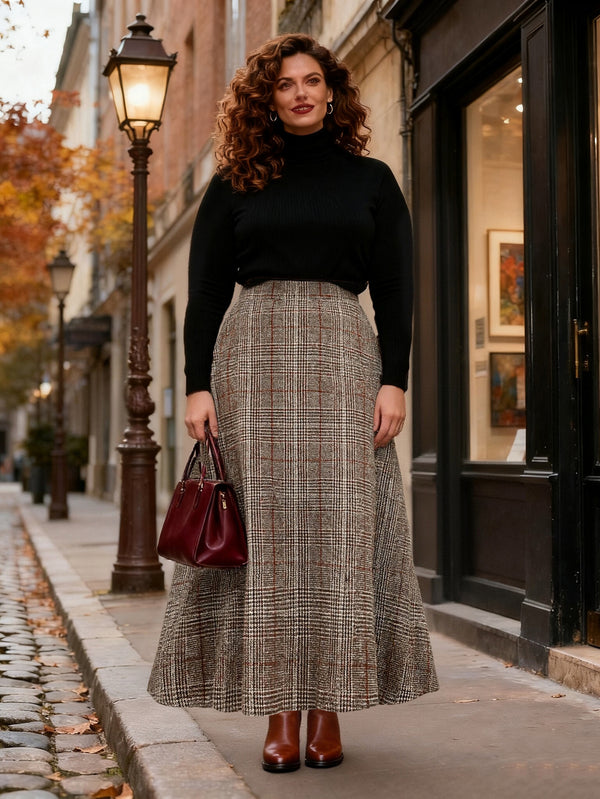
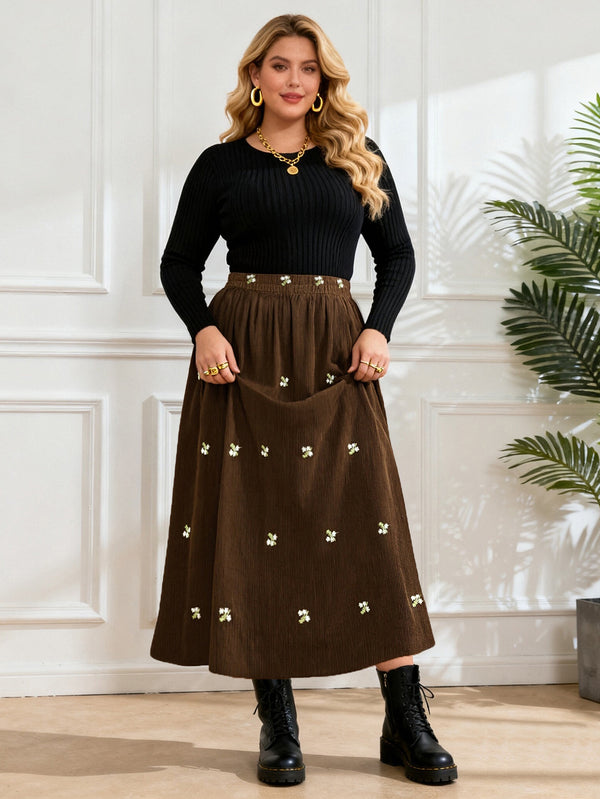
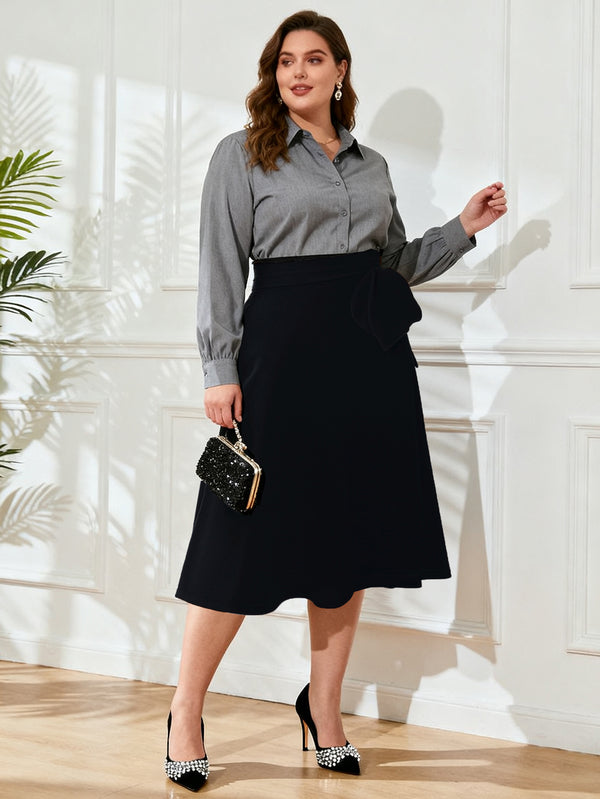
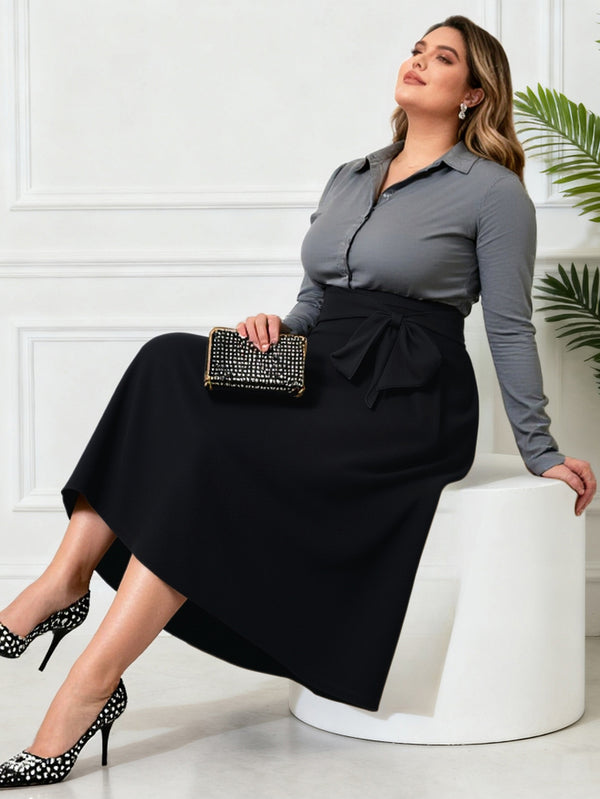
For midi skirts that hit at mid-calf, the top of your compression sock becomes part of the look. Lean into it with a patterned sock that picks up a color from your skirt print, or go for a classic stripe that echoes a nautical summer vibe.
With Wide-Leg Trousers and Linen Pants
Wide-leg trousers are a curvy traveler's best friend — comfortable, polished, and endlessly versatile. Your compression socks stay hidden under the fabric, giving you all the circulatory benefit without any style compromise. This is the ultimate incognito compression sock look, perfect for travel days when you want to arrive looking put-together.
Linen pants in summer weights pair beautifully with low-profile compression socks in neutral colors. The slight sheen of a good compression knit can even add a subtle polish to the ankles when pants hit above the ankle bone.
With Shorts and Bermuda Shorts
This is where compression socks really get to shine. Pair a bold patterned compression sock with Bermuda shorts for a sporty-chic summer look that's body-positive and practical. Stripes, polka dots, and botanical prints all work beautifully.
For classic denim shorts or chino shorts, go for a crisp white compression sock — it reads clean and intentional, not clinical. Add white sneakers and you've got an airport outfit that's genuinely stylish.
With Sneakers and Athletic Footwear
Compression socks were made for sneakers. Whether you're doing a walking tour of Rome or navigating a massive theme park, compression socks with good athletic shoes create the ultimate combination of support and style. Choose low-ankle sneakers with knee-high compression socks for a cool athleisure look, or mid-top sneakers with crew-length compression socks for a more casual vibe.
With Sandals and Slip-On Shoes
The socks-with-sandals look is officially having a fashion moment, and we're here for it. Slide sandals with a fun printed compression sock is a legitimate 2026 summer aesthetic. Go bold with a colorful pattern, or keep it minimal with a black sock and strappy sandal for an editorial edge.
For slip-on shoes and mules, a low-profile ankle compression sock (when available in your size) or an invisible-style liner keeps support without the sock being visible at all.

Building Your Summer Travel Packing List Around Compression Socks
When you're packing for a summer trip, compression socks deserve a dedicated spot on your list — not as an afterthought, but as a planned essential. Here's how to build your sock wardrobe for a week-long trip:
How Many Pairs to Pack
A general rule: one pair per travel day (flights, long train rides, all-day excursions) plus one backup. For a week-long trip with two flights and four active days, pack at least six pairs. Many travelers find compression socks wash quickly and dry overnight, so you can pack slightly fewer if you're doing laundry mid-trip.
Compression Socks for Different Trip Types
- City break / cultural travel: Focus on knee-high compression socks that work with multiple outfit combinations. You'll be walking 10–15k steps a day — your legs will thank you.
- Beach holiday: Lighter compression options work well for travel days, while you'll obviously want to go barefoot on the sand. Pack 2–3 pairs specifically for travel days and evening activities.
- Cruise travel: Compression socks are excellent for port excursions when you're doing significant walking. The ship environment can also affect circulation, so having socks for onboard evenings is smart.
- Theme parks / resort travel: This is maximum-compression territory. Theme park days are notorious for leg fatigue and swelling. Pack a fresh pair for every park day.
Caring for Your Compression Socks While Traveling
Quality compression socks last longer with a little care. Hand wash in cool water with mild soap, or use a mesh laundry bag in a delicate machine cycle. Avoid hot water and the dryer — heat breaks down elastic fibers and reduces compression over time. Most travel-grade compression socks dry in 2–4 hours when hung up, making overnight washing totally practical.
Health Benefits Beyond Just Swelling
We've talked a lot about swelling and DVT prevention, but the benefits of compression socks extend further than many travelers realize.
Reduced Leg Fatigue
The muscle support provided by compression reduces the micro-vibrations and muscle oscillation that cause fatigue during walking. Travelers who switch to compression socks often report that their legs simply feel less tired at the end of long days, not just less swollen. This means more energy for actually enjoying your destination.
Better Recovery Overnight
When you've walked 15,000 steps through a city, your legs need to recover by morning. Compression can actually aid overnight recovery — some travelers wear light compression socks in the evening after a heavy walking day to help flush out inflammatory byproducts and reduce morning soreness. This is especially helpful in the middle of a multi-day trip when you don't have a full rest day.
Reduced Risk of Varicose Vein Development
Consistent compression wear during high-risk activities (long flights, extended standing) can help prevent the formation of new varicose veins and reduce the symptoms of existing ones. For travelers who have a family history of varicose veins or who spend significant time on their feet, this long-term benefit is worth considering.
Temperature Regulation
Quality compression socks — especially those with merino or technical fabrics — help regulate foot temperature in changing environments. Moving from air-conditioned airports to hot outdoor streets and back again is hard on your circulatory system. Compression socks smooth out some of these transitions.
Where to Find Plus-Size Compression Socks That Actually Fit
The biggest frustration for plus-size travelers has historically been finding compression socks that genuinely fit wider calves without compromising on compression quality. Generic "one size fits most" socks routinely fail curvy legs, either cutting off circulation at the top or failing to provide adequate compression throughout.
The good news: the plus-size market for compression socks has expanded significantly in recent years, and dedicated plus-size options with proper wide calf construction are more accessible than ever. When shopping, look specifically for sizing charts that include calf measurements (not just shoe size), and brands that explicitly market to wider calves.
Browse our socks collection for options designed with real sizing ranges and body-positive fit in mind — because your legs deserve support that's built for them, not retrofitted from a smaller template.
Frequently Asked Questions
Can I wear compression socks in hot weather?
Absolutely. While it might seem counterintuitive to add a layer during summer travel, modern compression socks are specifically designed for warm-weather wear. Look for moisture-wicking fabrics like nylon blends or merino wool, which keep your feet cool and dry even in heat. The circulatory benefits of compression are actually more important in summer, when heat causes increased swelling. Many travelers find that breathable compression socks make warm-weather days significantly more comfortable rather than hotter.
How do I know if my compression socks are too tight?
Your compression socks should feel snug and supportive, but never painful. Warning signs that your socks are too tight include: skin that looks pinched or deeply indented at the sock edges, numbness or tingling in your feet or toes, significant color change (deep redness or bluish tinting) in your feet, or pain that increases with wear rather than decreasing. If you experience any of these, remove the socks and try a larger size or lower compression level. The right fit feels like a firm hug — supportive, not constricting.
Do I need a doctor's recommendation to wear compression socks for travel?
For mild to moderate compression (8–20 mmHg), which covers most travel-grade socks, you generally don't need a prescription. These are available over the counter and are considered safe for most healthy adults. However, if you have significant circulatory conditions, heart problems, peripheral artery disease, or other vascular concerns, it's worth checking with your doctor before starting compression wear. Higher compression levels (30+ mmHg) are typically prescribed. When in doubt, a quick conversation with your healthcare provider is always worthwhile.
How long do compression socks last?
With proper care, quality compression socks typically last 3–6 months of regular use — roughly 100–150 washes. Signs that it's time to replace them include: the fabric feels looser than when new, the sock slides down during the day, or the elastic waistband has lost its spring. For travel specifically, many frequent travelers replace their compression socks at the start of each travel season to ensure they're getting full therapeutic benefit. Think of it like replacing running shoes — you wouldn't rely on a worn-out pair for a marathon, and your travel legs deserve the same consideration.