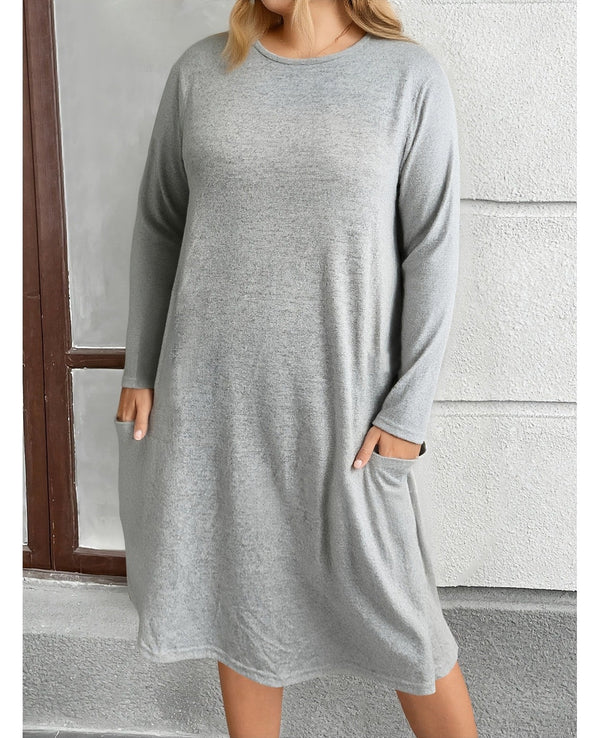
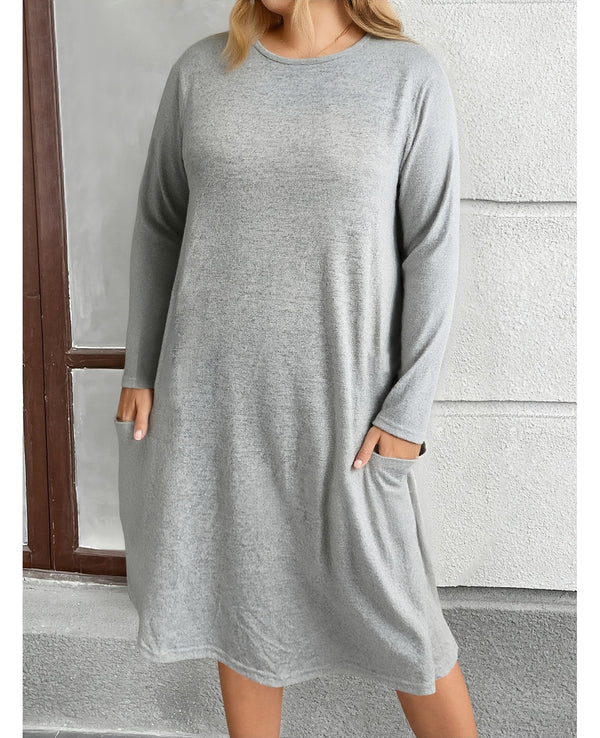
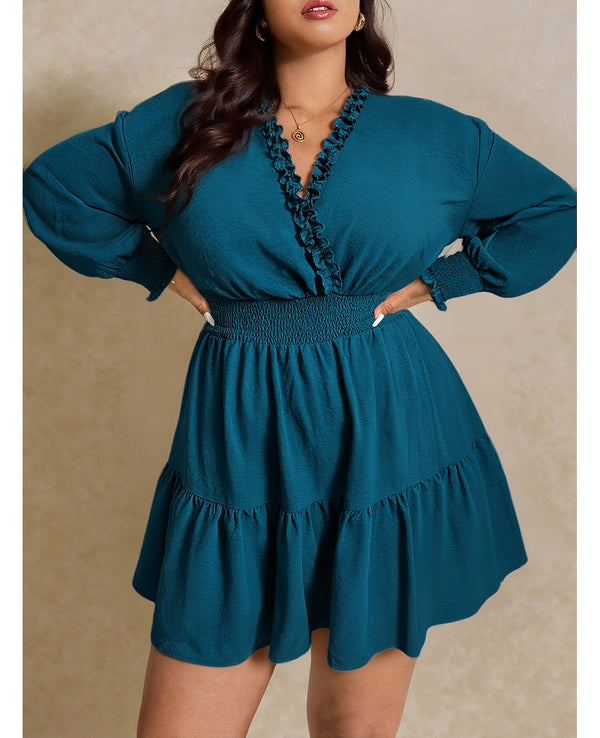
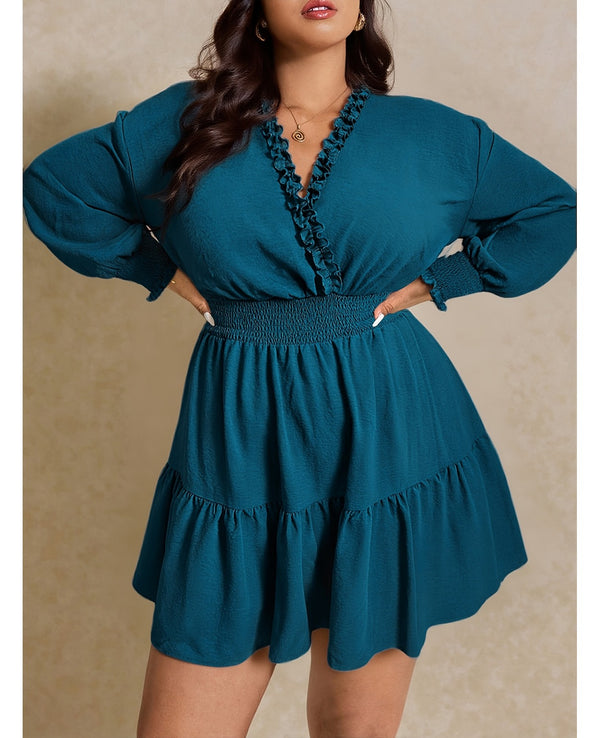
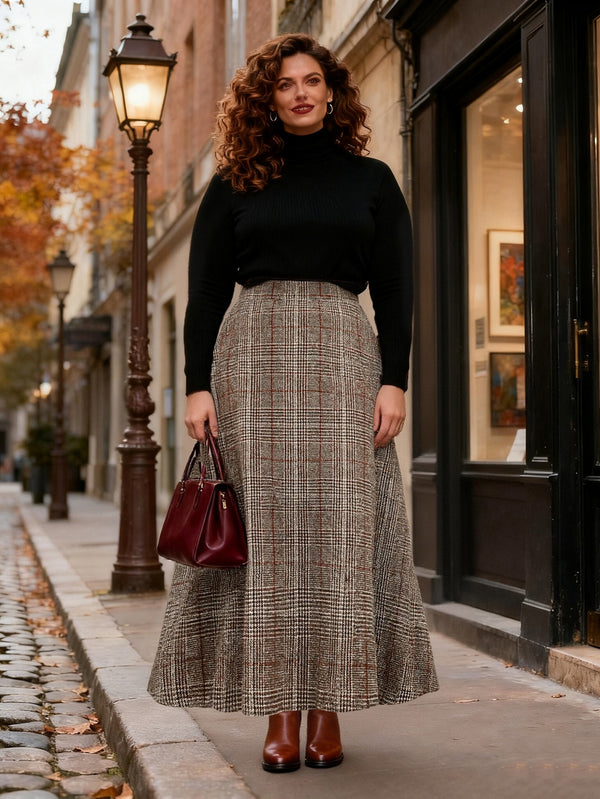
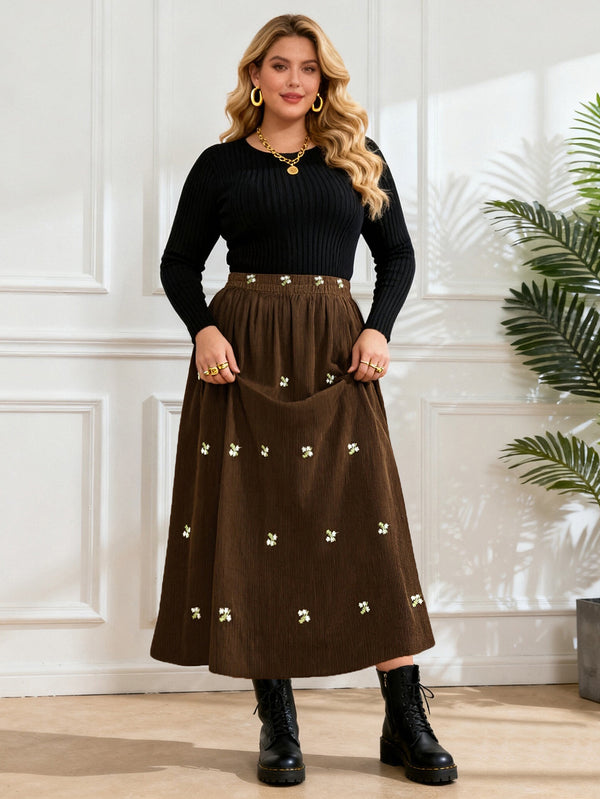
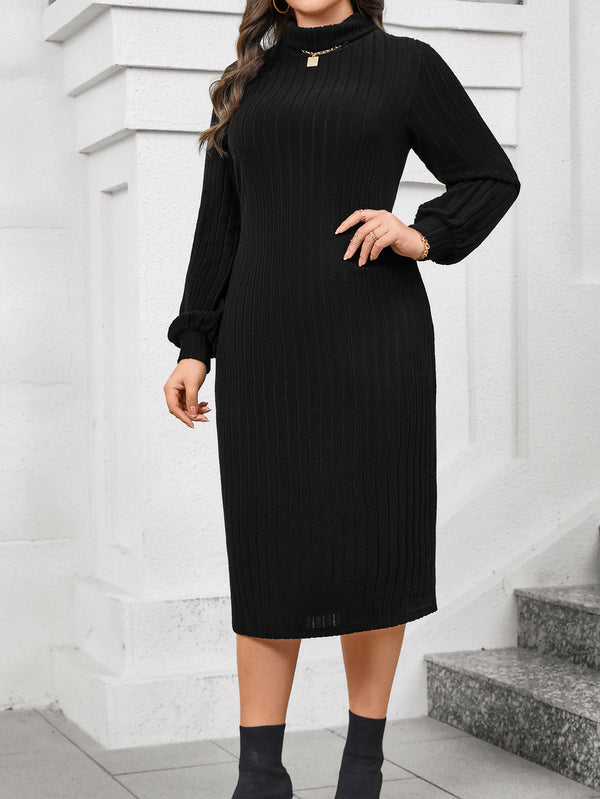
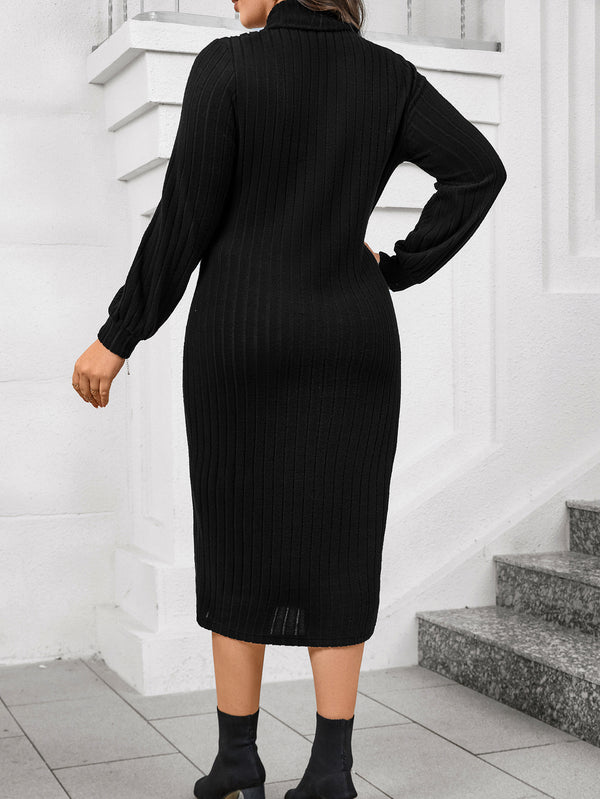
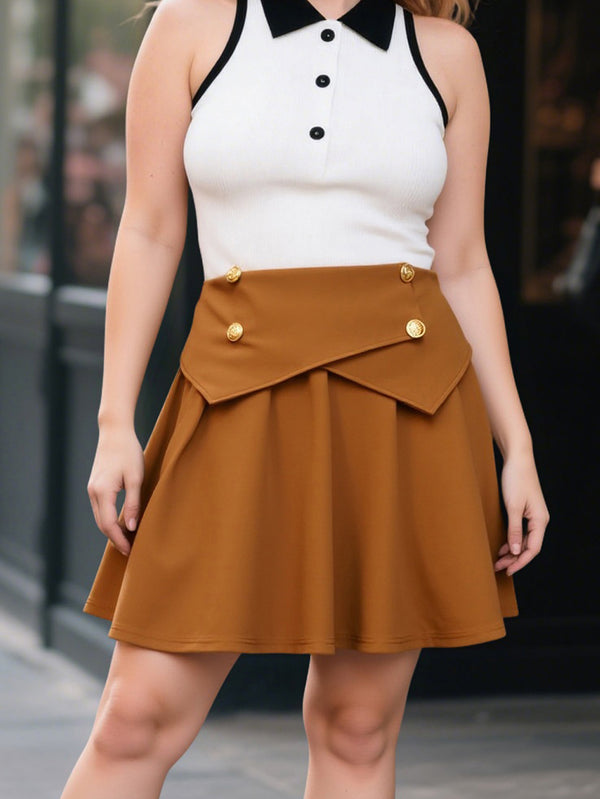
Plus size dress over pants outfits are a practical fall 2026 layering idea, not a styling trick reserved for runways. A dress gives the outfit a long, expressive top layer while trousers add warmth, movement, and useful coverage. The combination can feel polished for work, relaxed for a weekend, or creative for dinner depending on the fabrics and shoes. The goal is not to hide a plus-size body under more clothing. It is to build a comfortable relationship between two garments so each layer can move, breathe, and contribute to the silhouette.
Start with pieces you already trust. A shirt dress that opens at the hem can reveal wide-leg trousers in motion; a straight knit dress can sit over tailored pants; a soft sweater dress can work with fluid casual trousers. Check the outfit from the front, side, and while walking, but use the mirror to understand the clothes rather than criticize your body. If the dress pulls, the pants twist, or two waistbands compete, change the garments. Your body is not the problem the styling formula needs to solve.
Why the dress-over-pants formula works in fall
Fall weather rewards adjustable layers. A dress worn alone may feel too light in the morning, while a heavy coat can be excessive by afternoon. Trousers add warmth below the hem without requiring thick tights, and the dress adds visual length without asking the pants to carry the whole outfit. The combination also expands a wardrobe: a summer shirt dress can become a long overshirt, and a sleeveless knit dress can gain a new role over a blouse and trousers. Each layer should still be useful on its own, which keeps the look intentional instead of bulky.
Proportion becomes easier when one layer clearly leads. If the dress has volume, choose pants with a clean waist and a leg shape that does not fight the hem. If the trousers are very wide, a dress with side slits, buttons, or a straighter body lets the movement show. A knee-to-midi dress usually offers enough length to read as a dress while revealing the trousers below. These are starting points, not rules. The best proportion is the one that stays recognizable when you sit, climb stairs, and put on outerwear.
Color can connect the two pieces without matching them exactly. Deep teal over chocolate brown feels autumnal because both shades are rich and grounded. Black over burgundy creates a polished office contrast. Oatmeal over olive feels soft and casual. Repeat one color in shoes, a scarf, or a bag if you want more continuity, but avoid adding accessories simply to justify the layers. The dress and trousers already provide enough visual information; a clean color relationship lets their textures and movement remain the focus.
Choose a foundation that moves as one outfit
Begin with the trousers. The waistband should remain comfortable under the dress when you sit, and the rise should not shift when the dress moves against it. Walk with your normal stride and check whether the fabric catches at the knees. Wide-leg and straight-leg cuts are usually easy starting points because they keep their line below the dress, but a tapered trouser can work when the hem opening gives it space. Avoid judging only from a still photo. Friction, static, and waistband pressure appear through movement and time.
Add the dress and test the contact points: bust, armholes, hips, side seams, and hem. A shirt dress should button without pulling even if you plan to wear it partly open. A knit dress needs enough ease to glide over the trouser waistband rather than outlining every seam unintentionally. A sweater dress may be warm enough that the pants can stay light. If the dress bunches at the lower back or clings to the thighs, try a smoother trouser fabric, a roomier dress, or an appropriate slip instead of constantly tugging the layers apart.
Use a base layer only when it solves a real need. A cream blouse beneath a sleeveless knit dress adds office polish; a thin tee under a shirt dress can make unbuttoning the lower half feel secure; a fitted thermal top can support a cold commute. The base should not crowd the neckline or restrict the upper arms. Reach forward, lift a bag, and sit with your elbows on a table. If three upper layers make ordinary movement difficult, remove one or choose a coat with more sleeve room.
Explore Moon Wood's plus size dress collection by looking for hems, buttons, and fabrics that can cooperate with a second lower layer. The product name matters less than the construction. A dress with a usable opening, a smooth lining, or a relaxed shape will usually offer more styling options than a piece that already feels exacting on its own.
Build a polished dress-over-trousers work outfit
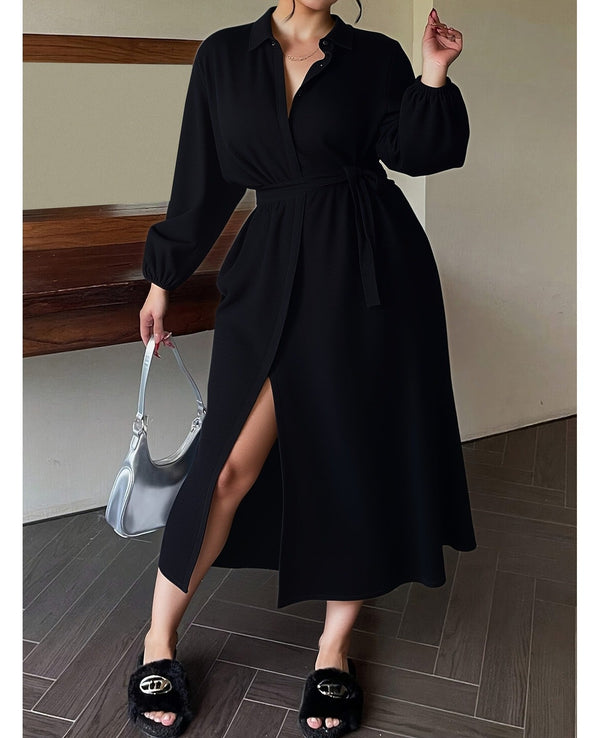
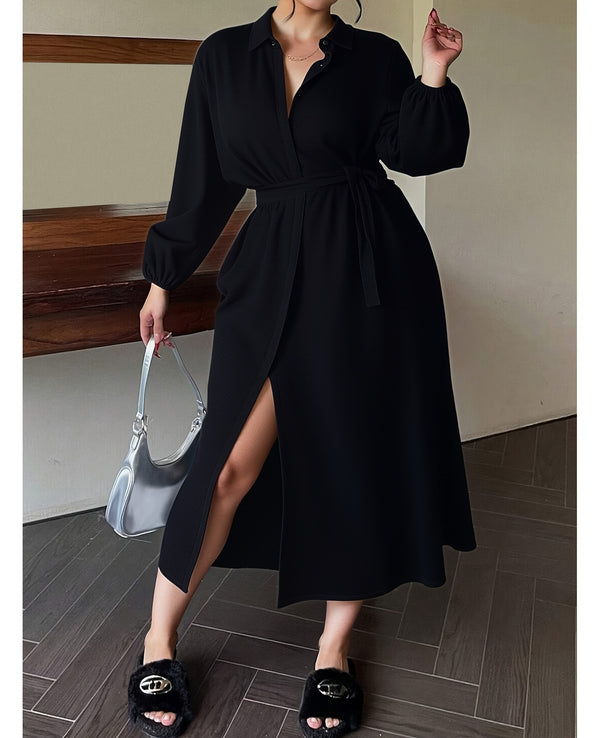
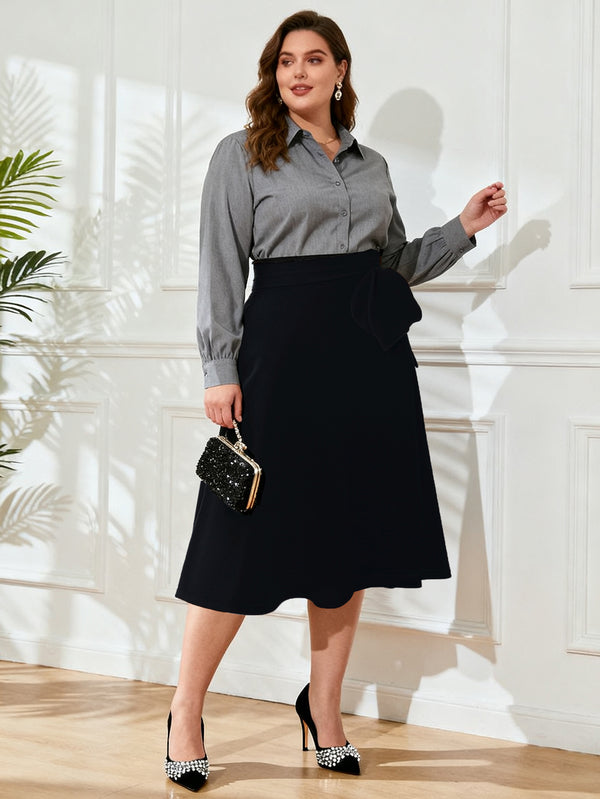
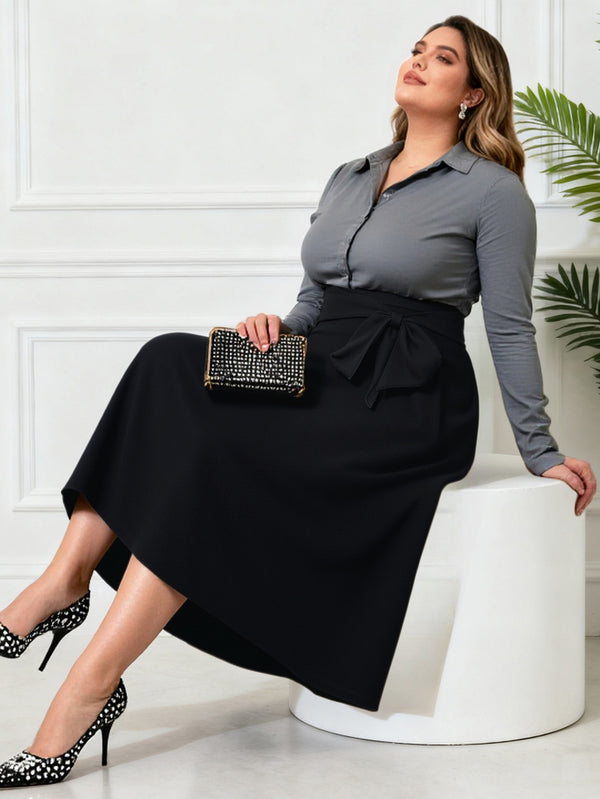
For a polished office formula, layer a black calf-length sleeveless knit dress over a cream blouse and burgundy straight-leg trousers. The black dress creates a clear center column, the burgundy pants add depth below the hem, and the blouse keeps the neckline bright. Choose a dress with a side slit or enough hem width for a full stride. A tailored trouser should skim without pulling across the seat when you sit. Finish with loafers or low ankle boots that support the commute rather than saving all comfort for the desk.

A long shirt dress can also work as a light jacket over matching or tonal pants. Button the upper half, leave enough lower buttons open for movement, and wear a simple knit underneath. This version makes the trouser line visible sooner and lets you adjust the dress indoors. Check workplace expectations for hem openings and transparency, then make the choice that lets you move without monitoring the outfit all day. A structured tote and small earrings can add polish without creating more layers around the torso.
Before an important meeting, perform a seated test in the chair and at the desk height you will use. Confirm that the dress does not ride onto the waistband, the blouse stays comfortable at the neck, and the trouser crease does not twist. Walk up stairs and reach for something on a shelf. These checks are more useful than asking whether the outfit makes you look smaller. Professional clothing works when it supports attention, movement, and confidence through the actual schedule.
Make the layering idea relaxed for weekends
A soft oat sweater dress over olive wide-leg trousers creates an easy weekend version. The knit supplies warmth, the trousers protect the legs from wind, and white sneakers keep the outfit grounded for walking. Let the dress fall below the knee with small side vents so the pants remain visible. If the sweater dress has a ribbed hem, check that it does not grip the trouser waistband and ride upward. A rust scarf can bring warmth near the face and repeat the copper tones of an October landscape.

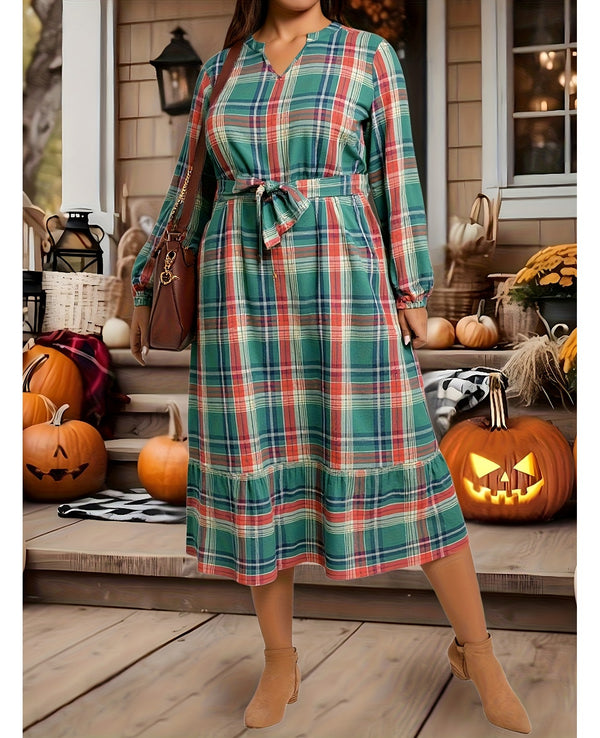
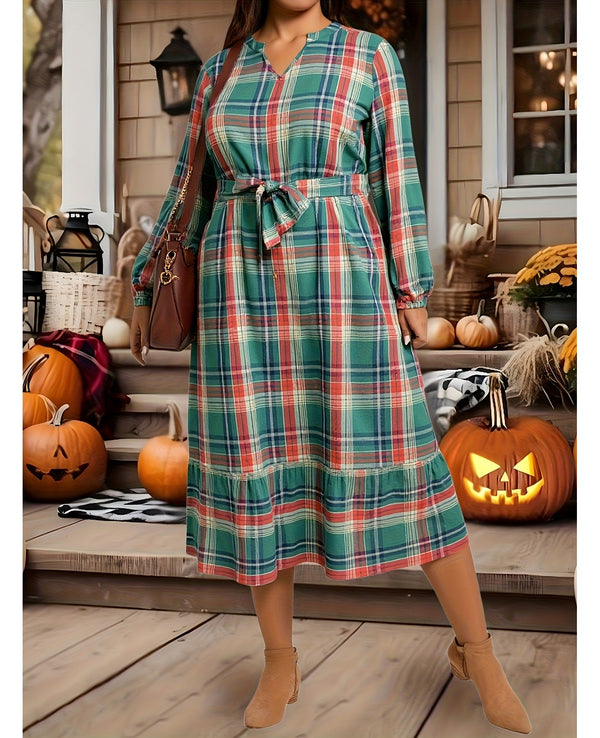
For a museum or lunch, try a deep teal shirt dress over chocolate wide-leg pants with brown boots. Wear the dress fully buttoned above the waist and open enough below for the trousers to appear as you walk. This makes the outfit feel layered rather than like a dress with an accidental pant hem. A crossbody bag can work, but position the strap so it does not pull the shirt placket sideways. The strongest weekend looks feel composed while still letting you forget about them during the day.
Travel is another useful setting for this formula. Fluid trousers provide coverage and pockets, while a dress creates a finished outer layer after hours of sitting. Choose wrinkle-tolerant fabrics and test the back seams against a chair. Keep the heaviest garment removable: a coat or scarf is easier to adjust than a dense base trapped beneath the dress. Pack the outfit as a system, including the shoes and socks, so each layer has enough room and the silhouette survives real movement.
Coordinate shoes, outerwear, and changing weather
Shoes determine where the combined hem appears to end. Loafers make tailored trousers look crisp, ankle boots add warmth, and low-profile sneakers keep wide legs casual. The pant hem should clear the ground in the exact shoe you plan to wear. Check it on stairs and wet pavement. A longer dress can hide part of the trouser leg, so shoe shape becomes an important finishing point. Choose traction and toe room before color; an outfit cannot feel confident if you shorten your stride to protect your feet.
Outerwear needs enough circumference for both layers. A straight wool coat can echo the long line, while a cropped jacket creates a clear break above the dress. A trench works well over shirt dresses because both garments share a fluid structure. Put the coat on and reach forward; if the dress sleeves bunch or the shoulders pull, the combination is too crowded. Open the coat indoors before overheating, and make sure its lining does not create static that drags the dress upward.
Rain changes fabric behavior. Knit hems can become heavy, wide trousers can touch puddles, and smooth dresses may cling when damp. Choose a manageable length, boots with grip, and a coat that protects the upper layers. On colder days, warm socks and a fine base layer may be more comfortable than adding another fitted pant underneath. Dress-over-pants already provides insulation, so use the weather forecast to avoid turning a flexible formula into an overheated one.
Create repeatable formulas without hiding your shape
Save three formulas: black knit dress, cream blouse, burgundy trousers, loafers for work; teal shirt dress, chocolate wide-leg pants, brown boots for a city day; oat sweater dress, olive trousers, white sneakers for a relaxed weekend. Photograph the combinations only if it helps you remember fabric and proportion. The image is a wardrobe note, not a body inspection. Record which waistbands stayed comfortable, which hems moved freely, and which shoes supported the full day.
Change one variable at a time. Swap loafers for boots, a shirt dress for a knit dress, or straight trousers for wide legs while keeping the other pieces stable. This reveals whether the problem is friction, length, heat, or proportion. Repeating a successful base is not boring; it is how personal style becomes reliable. The dress-over-pants trend is most useful when it turns underused garments into dependable outfits rather than creating another look that requires perfect conditions.
Browse Moon Wood's plus size pants collection with the dress you intend to layer in mind. Compare rise, leg opening, fabric weight, and hem length against the dress construction. A beautiful pair of trousers is only the right partner if it can sit beneath the dress without pressure or tangling. Prioritize the relationship between garments, then let color and accessories express the mood you want.
Fabric testing is especially helpful with this silhouette. Rub a small section of the dress against the trouser fabric to see whether they cling, create static, or pull each other off line. Smooth woven pants often cooperate with knits, while two brushed surfaces may grip. Follow both care labels before using an anti-static product. A lightweight slip can help a dress glide, but it must have enough hip room and a waistband that does not add another pressure point.
Pay attention to pockets. Trouser pockets may become difficult to reach beneath a fitted dress, while shirt-dress pockets can add bulk over the hips if both sets are full. Decide which pockets will be functional and keep the others light. Place a phone, keys, and wallet inside before leaving home, then walk and sit. The outfit should keep its shape without forcing you to carry every practical item in your hands.
When the dress and pants have prints, give one pattern more visual space. A small check trouser can sit beneath a solid dress, or a printed shirt dress can work over plain pants. Two strong patterns can also be joyful, but connect them through one repeated color and check the relationship in daylight. Pattern size does not need to shrink because your body is plus size; choose the scale that makes the outfit feel deliberate to you.
Care for the layers separately according to their fabrics. Knit dresses may need reshaping, trousers may need pressing, and shirt dresses may show wrinkles around the placket. Store them where you can see possible combinations rather than in unrelated wardrobe zones. When a formula works, hang the dress near the trousers for the next week. Reducing decision friction makes experimentation easier to repeat.
A belt is optional. It can hold an open shirt dress or create a focal point over a knit, but it should not be used to prove that the body has a waist. Sit while wearing it and check whether it presses two existing waistbands together. If the outfit already has a clear line, skip the belt. Shape can come from the dress cut, open buttons, side slits, or the contrast between fabrics.
At the end of the day, evaluate the outfit with neutral language. Did the hem catch, did the pants stay level, did the dress breathe, and could you access what you carried? Also name what you enjoyed: a color relationship, the warmth, or the movement of the trousers below the dress. Positive evidence helps you build a wardrobe around lived pleasure instead of constant correction.
Consider the visual break created by the open dress hem. More open buttons reveal the trousers and create movement; fewer open buttons make the dress feel more dominant. Test the opening in wind and while seated so it stays within your comfort range. A hidden snap can help only when it does not strain the fabric. The decision should support motion, not freeze the dress into one pose.
FAQ
Can plus size women wear dresses over pants?
Yes. The formula works on plus-size bodies when the garments move comfortably together. Choose a dress with enough hip and hem room, trousers with a stable waistband, and fabrics that do not cling. Use proportion to express your style, not to hide or correct your body.
Which dress length works best over trousers?
Knee to midi lengths are easy starting points because they still read clearly as dresses while showing the trousers below. Side slits, buttons, or a wider hem improve movement. Shorter and longer options can work too when the pant hem and shoe remain visible and comfortable.
What pants should I wear under a dress in fall?
Straight-leg and wide-leg trousers create clear, balanced lines beneath most shirt, knit, and sweater dresses. Choose the rise and fabric based on comfort, then test sitting and walking. Fluid pants reduce bulk, while tailored styles make the outfit more polished.
How do I keep a dress from clinging to pants?
Pair smoother and more textured fabrics, make sure both garments have enough ease, and consider a compatible slip. Avoid overdrying clothes, which can increase static. Use anti-static products only when the care labels allow them, and test the full outfit before an important day.