The Coquette Sock Trend: Why Plus Size Ruffle Socks Are Everywhere
Soft frills, delicate scallops and a whisper of ballet pink: plus size ruffle socks are the sweetest trend of the season, and they belong in every curvy wardrobe. What began on runways and in balletcore mood boards has softened into something genuinely wearable, a small flourish at the ankle that makes a plain outfit feel considered. If you have admired ruffled socks from a distance and wondered whether they would sit comfortably on fuller ankles and calves, this guide is written for you.
The coquette aesthetic is all about gentle, romantic details: ribbons, frills, soft knits and a slightly nostalgic femininity. Ruffle socks are the easiest way to borrow that mood without rebuilding your whole wardrobe. A single pair of frilled socks can turn a simple skirt and sweater into something that looks styled and intentional. It is playful, it is pretty, and it works on every body, because the ruffle is designed to sit on the ankle, not to reshape it.
There is a common worry that frills and ruffles only suit very slim legs, but that idea is worth setting aside. The ruffle is a decorative collar of fabric that sits around the ankle and creates a soft, scalloped edge. On a fuller ankle or calf, that edge reads as a pretty detail rather than a tight band, especially when you choose the right length and the right amount of stretch. The trend is not about changing your leg; it is about adding a little sweetness to it.
Fall 2026 styling leans into layering, which suits ruffle socks perfectly. They work over tights, under longer skirts, with cardigans and knit vests, and alongside the season's soft, rounded shoes. The overall effect is cosy and romantic, a nice counterpoint to the sharper trends of the moment. Once you find a frill that sits well, you will likely want it in more than one colour.
Balletcore, Coquette and Frill: A Quick Vocabulary
The names floating around this trend can be a little confusing, so here is a quick guide to what they actually mean when you are shopping.
Balletcore
Balletcore takes its cues from dancewear: soft pink, cream and black, wrap cardigans, leg warmers, ballet flats and, of course, delicate socks. The mood is graceful and slightly theatrical, as if you are on your way to or from a studio. Ruffle socks fit right in, especially in soft neutrals and pale pinks.
Coquette
Coquette is the romantic, decorative cousin of balletcore. It leans into ribbons, bows, lace trims, small florals and frills. Ruffle socks are a signature coquette accessory because they add that dainty touch at the ankle without overwhelming the outfit. Think of coquette as balletcore with a few more bows and a little more sweetness.
Frill versus ruffle
The two words are used almost interchangeably, but there is a small difference. A ruffle is a gathered strip of fabric that creates a wavy edge. A frill is often a more structured, pleated or scalloped trim. In practice, both create the same soft, decorative effect at the top of the sock. When a product uses either word, you are looking at the same family of pretty, edged socks.
Which styles to look for
Within the trend you will find ankle ruffle socks, where the frill sits just above the shoe, and taller frill styles that reach the mid calf. Ankle versions are the most versatile and the easiest to layer. Taller versions create a stronger statement and pair well with skirts. Many people keep both, building a small collection the same way they would build a wardrobe of any other accessory. A coordinated pack of socks in a frill style is an easy way to start, since you get a few colours to experiment with at once.
Choosing Ruffles That Sit Comfortably on Fuller Calves
The single most important thing with ruffle socks is comfort at the ankle and calf. A pretty frill is no good if the band underneath is tight. Here is how to choose well.
Focus on the band, not the frill
Underneath every ruffle is a plain band that holds the sock in place. That band is what determines comfort. Look for a soft, gently elasticated band that sits flat against your ankle without digging in. If the band is stiff or narrow, it will feel tight even when the frill looks lovely. The frill should feel like a light, airy decoration floating around your ankle, not a tight cuff.
Check the stretch of the sock body
If the sock is a taller frill style, the body of the sock matters too. A good stretch means the sock can accommodate a fuller calf without pulling the frill out of shape. Look for a cotton blend with a little elastane, which moves with you and returns to shape after wearing.
Consider the ruffle density
Ruffles range from a single soft wave to a fuller, layered frill. A single gentle wave tends to be the most comfortable and the most universally flattering, because it adds detail without bulk. Fuller, denser ruffles make a bigger statement but can feel heavier; if you choose one, make sure the band is still soft. A good rule of thumb is that the frill should add softness, not weight.
Test the top edge
When you try on a ruffle sock, press gently on the top edge. It should give a little and spring back, not feel rigid. Rigid edges tend to leave marks and can feel scratchy against the skin. Soft, pliable frills are the ones you can happily wear all day.
If you are choosing a taller style, a pair of knee high socks with a frilled top gives you the romantic look up the leg rather than only at the ankle. Just be sure the band that grips the leg is gentle, because that is the part doing the real work.
Styling Plus Size Ruffle Socks with Skirts and Dresses
Skirts and dresses are the natural home of the ruffle sock, and there are several ways to make the pairing sing on a curvy frame.
With a mini skirt
A mini skirt, a frilled ankle sock and a pair of chunky shoes is a strong, playful combination. The ruffle softens the short hem and adds a focal point at the ankle, which balances the look. Add opaque tights for cooler days and the outfit becomes both pretty and practical.
With a midi skirt
A midi skirt that falls to the mid calf is the perfect partner for a taller frill sock, because the sock peeks out just below the hem. Choose a frill in a tone close to the skirt for a soft, tonal look, or in a contrasting shade for a deliberate detail. This combination looks especially lovely with a fitted knit top tucked in.
With a slip or satin dress
A slip dress over a frilled sock and a pair of ballet flats is the essence of balletcore. The contrast between the sleek dress and the soft frill is what makes it work. Add a cardigan or a cropped knit on top for warmth and you have an outfit that feels romantic and comfortable at the same time.
With a sweater dress
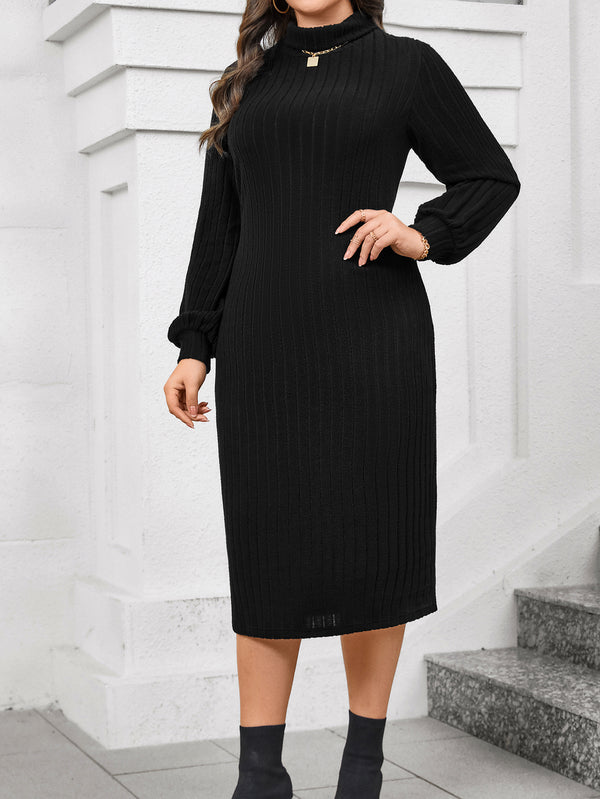
A cosy sweater dress with a ruffle sock and a simple flat or loafer is one of the easiest fall looks to pull off. The frill adds a delicate edge to the soft, heavy knit, which keeps the outfit from feeling too plain. Choose a cream or oatmeal sock for a warm, tonal palette, or a soft pink to lean into the coquette mood.
Whatever you choose, let the frill be the detail that does the talking. Because it sits at the ankle, it draws the eye downward in a gentle, flattering way and finishes the outfit with a small flourish. You never need to do more than that.
If you are new to plus size ruffle socks, the easiest place to start is a knee-length skirt, a soft frilled ankle sock and a rounded flat. Once you are comfortable with how the frill sits, you can build from there: taller frills with longer skirts, layered frills over tights, and tonal frills for a quieter look. The beauty of plus size ruffle socks is that they let you enjoy a romantic, feminine detail in a low-commitment way. A single pair can change the whole mood of an outfit, and because socks are affordable and easy to store, you can experiment freely without overthinking it. Start with a colour that already appears in your wardrobe, wear it once with an outfit you genuinely love, and notice how much a small frill at the ankle can lift a complete look. From there, adding a second pair feels natural rather than risky, and before long the frill becomes a signature detail you reach for again and again.
Mary Janes, Loafers and Ballet Flats: The Right Shoe Pairings
The shoe you wear with a ruffle sock has a big effect on the overall look. These are the pairings that consistently work.
Mary janes
Mary janes and ruffle socks are a match made for the coquette trend. The strap across the foot and the frill at the ankle create a sweet, layered effect. A round-toe mary jane in black, cream or a soft metallic pairs beautifully with a tonal frill. If you want a slightly sharper look, a chunky platform mary jane adds a modern edge.
Loafers
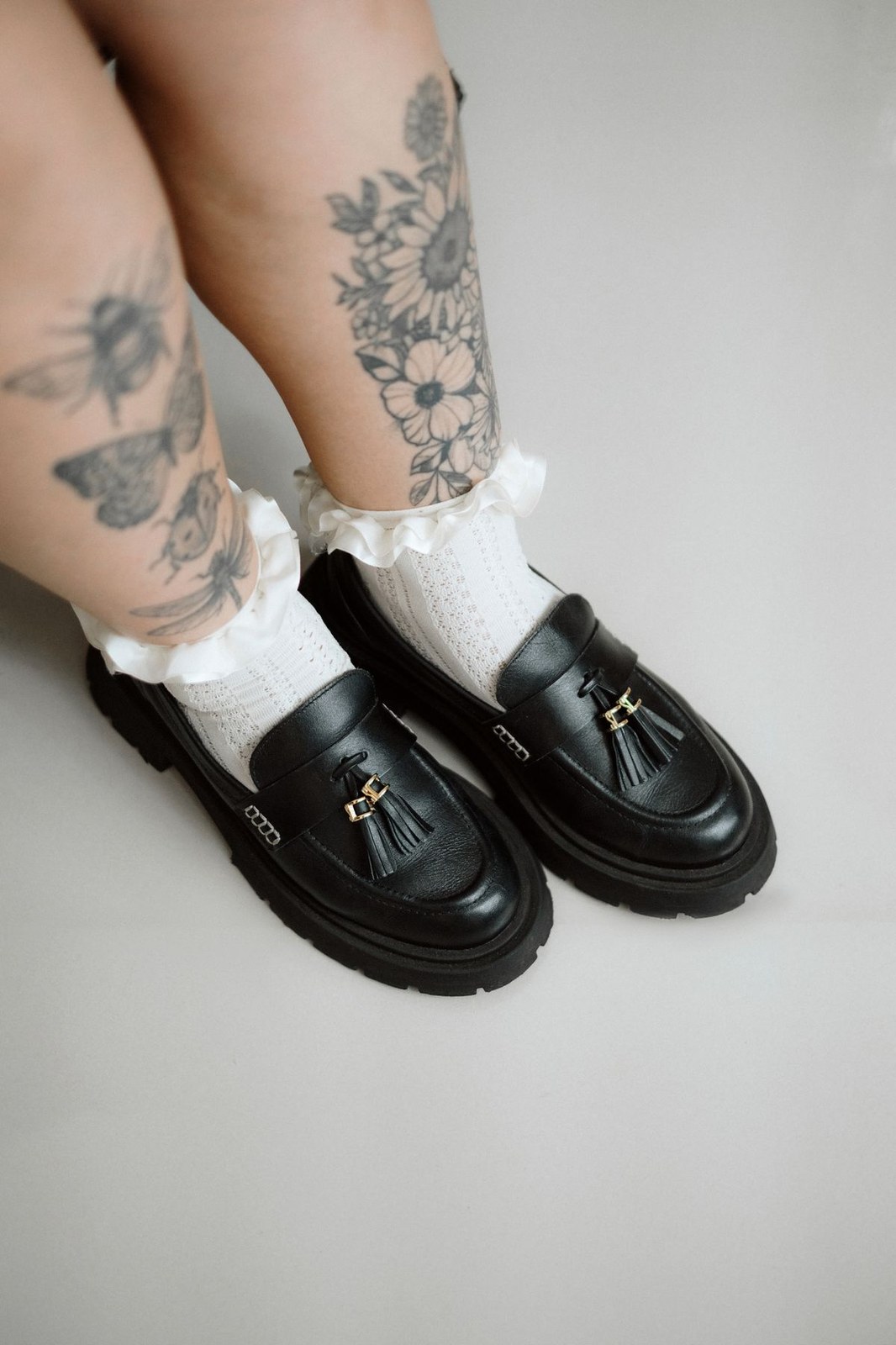
Loafers give the ruffle a preppy twist. The combination of a neat leather shoe and a soft frill is unexpected and charming, and it works especially well with tailored shorts, pleated skirts and cropped trousers. A dark loafer with a cream or pastel frill is an easy, polished choice.
Ballet flats
Ballet flats are the most natural partner of all. A frilled sock peeking out above a flat is essentially the balletcore formula. Choose flats in a colour that picks up your outfit, and let the sock do the rest. This is also a comfortable combination for long days, since both the shoe and the sock are gentle on the foot.
Boots and trainers
For cooler weather, a frill sock tucked into an ankle boot or a combat boot adds a soft detail above the shaft. With trainers, a ruffle sock creates a sporty-meets-sweet look that is fun for weekends. In every case, make sure the sock does not bunch painfully inside the shoe; the frill should sit above the collar, not under it.
Layering Ruffle Socks Over Tights for Fall
Layering is where ruffle socks really shine in fall, and it is also one of the most practical ways to wear them. Here is how to do it well.
Choose the right tights first
Start with a tights layer that fits smoothly and does not bunch at the ankle. Opaque tights in black, charcoal or navy create a clean base, while a slightly sheer tight gives a softer, more delicate effect. The smoother the tights sit, the easier it is to pull the sock over them without wrinkles.
Put the sock on after the tights
Always layer the ruffle sock over the tights rather than under them. Slide the tights on first, smooth them at the ankle, then ease the sock up over the top. The frill should sit comfortably over the tight, creating a soft, decorative edge. This layering adds warmth without needing a thicker sock, which keeps the look delicate.
Match or contrast the tone
For a seamless, elongating effect, choose a sock close in tone to the tights. For a pretty contrast, use a light frill over dark tights, or a dark frill over sheer tights. Both look intentional. A cream frill over black tights is a classic fall combination that flatters without effort.
Add a longer skirt or dress
Layering works best when there is a hem above the sock, so a midi skirt, a sweater dress or a longer slip dress is ideal. The tights and frill create a soft transition from hem to shoe, which finishes the outfit neatly. If the hem is short, keep the tights opaque so the look stays balanced.
One small tip: if you plan to wear ruffle socks over tights often, choose a frill with a little stretch in the band so it can accommodate the extra layer comfortably. A band that is soft and giving will sit happily over tights, while a stiff one may feel tight once the extra layer is added.
Washing and Care for Frilled and Ruffle Socks
Ruffle socks have delicate edges, so a little care goes a long way toward keeping them pretty. The good news is that the routine is simple.
Wash inside out and cool
Turn your ruffle socks inside out before washing to protect the delicate frill from friction. Wash on a cool or cold cycle, and use a mesh laundry bag so the ruffles do not catch on zips or buttons. Hot water is hard on both the elastic and the fine edges of a frill, so keeping the temperature low helps the socks hold their shape.
Air dry to protect the frill
Tumble drying can crush a ruffle and relax the elastic band. Air drying keeps the frill airy and the band springy. Lay the socks flat or drape them over a rack, and gently reshape the ruffle with your fingers while they are damp so it dries in its soft, wavy form.
Skip fabric softener
Fabric softener can coat the fibres and make a frill feel limp. A gentle detergent is all you need. Skipping softener actually helps the ruffle keep its light, crisp wave, which is the whole point of the style.
Store them flat
Rather than balling ruffle socks up, fold them flat so the frill is not crushed. If you have several pairs, keep them in a small section of your drawer where the edges will not be squashed by heavier items. Treated this way, a good pair of frilled socks will keep looking pretty through many seasons, and you can build a small collection over time rather than replacing them often.
FAQ: Plus Size Ruffle Socks
Do ruffle socks look good on wide ankles and calves?
Yes, when you choose the right fit. The key is a soft, gently elasticated band and a frill that adds detail rather than bulk. A single soft wave tends to be the most comfortable and flattering, and a stretchy cotton blend will sit smoothly on a fuller ankle. Focus on the band's comfort first, and the pretty frill will follow.
Can I wear ruffle socks over tights?
Absolutely, and it is one of the best ways to wear them in fall. Put the tights on first, smooth them at the ankle, then ease the sock over the top so the frill sits neatly above the tight. Choose a band with a little stretch so it stays comfortable over the extra layer, and pick a frill that either matches or gently contrasts with your tights.
What shoes work best with ruffle socks?
Mary janes, loafers and ballet flats are the classic pairings, since they suit the soft, romantic mood of the trend. Ankle boots and trainers also work, with the frill sitting just above the shoe collar. The main rule is that the ruffle should rest above the shoe, not be squashed inside it.
How do I keep the frill from flattening over time?
Wash cool and inside out in a mesh bag, air dry rather than tumble dry, skip fabric softener, and store the socks flat so the frill is not crushed. Reshaping the ruffle gently with your fingers while it is damp will help it dry in its soft, wavy form and keep its delicate look season after season.