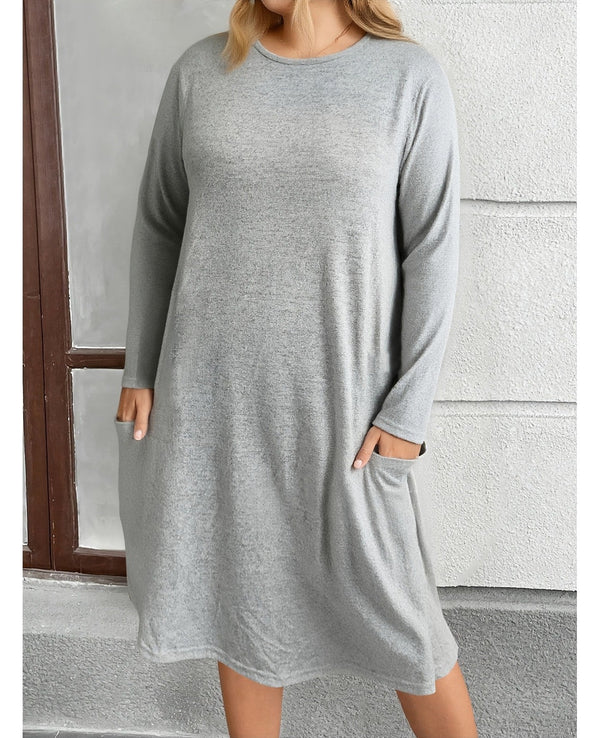
Plus Size Sweater Dresses for Fall 2026: The Cozy, Confident Style Guide for Curvy Women
Jul 30, 2026

Why the Sweater Dress Is Your Cold-Weather MVP
When the temperature drops and the mornings turn grey, plus size sweater dresses become the easiest decision you will make all season. One piece pulls on, covers you head to thigh, and reads as a complete outfit before you have finished your first cup of coffee. There is no matching top to a bottom, no worrying about a shirt coming untucked, and no second-guessing whether two separates actually go together. For curvy women who want warmth and confidence without a fuss, the sweater dress is the single most forgiving cold-weather garment in the closet.
Knit fabric, though, behaves nothing like the woven cotton, denim, or twill you may be used to. A woven skirt or pair of trousers holds its shape and sits away from the body. A knit dress is alive: it stretches, it clings, it drapes, and it responds to every curve you have. That is exactly why it can feel either magical or maddening depending on the piece you choose. The difference almost always comes down to three things we will cover in this guide: the gauge of the knit, the fibers inside it, and the silhouette you put against your own shape. Master those, and the sweater dress stops being a gamble and starts being your cold-weather uniform.
This guide is written for real bodies and real winters. We are not here to tell you to hide anything or to chase a smaller silhouette. We are here to help you pick knits that feel good, keep you warm, and let you walk out the door feeling like the most comfortable version of yourself. Comfort, warmth, and confidence are the whole point. Let us get into the details that actually change how a sweater dress wears on a curvy frame.

Knit Gauge Matters: Chunky vs Fine-Gauge vs Mid-Weight Rib
Gauge simply means how many stitches and rows fit into a given area of the fabric. It is the single most overlooked factor in how a sweater dress will look on you, and it has a direct effect on both cling and drape. Thinking in terms of gauge saves you from buying a dress that looks great on the hanger and mysterious on your body.
Chunky and Cable Knits
Chunky knits have a low gauge, meaning fat, open stitches with lots of air between them. They create a bold, cozy texture and a structured, almost architectural silhouette. Because the yarn is thick, the fabric stands away from the body instead of hugging it, which many curvy women find liberating. The trade-off is weight: a heavy cable dress can pull downward over the course of a day, and the open weave can catch on jewelry or bags. Reach for chunky knits when you want drama and volume and when you plan to wear the dress more as a statement piece than a base layer.
Fine-Gauge Knits
Fine-gauge knits are the opposite end of the spectrum, with many small, tight stitches. They produce a smoother surface that reads almost like a thin sweater. Fine gauge drapes closely and moves with you, which makes it ideal for body-skimming rib dresses and turtleneck styles. The catch is that a very fine, thin knit will show every underpinning and can cling to areas you might prefer it to skim. A fine-gauge dress in a mid-weight yarn is the sweet spot: close enough to feel sleek, substantial enough to behave.
Mid-Weight Rib
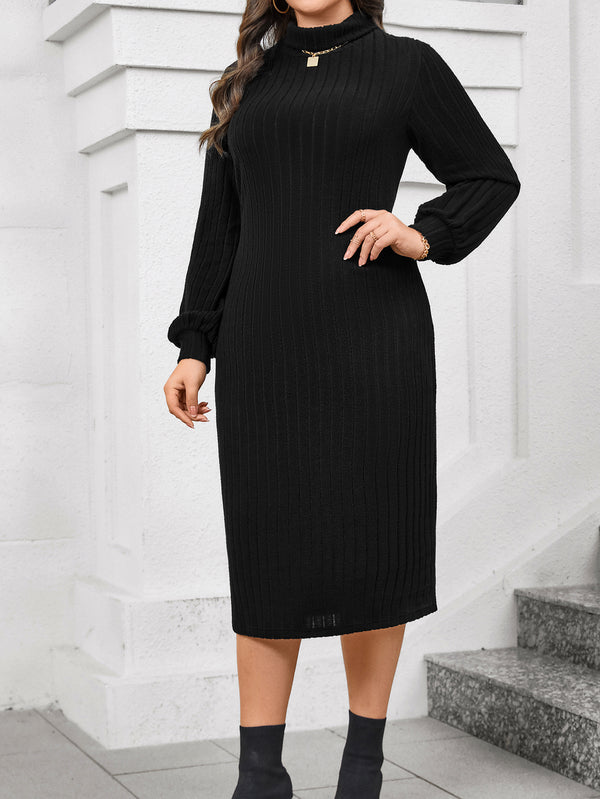
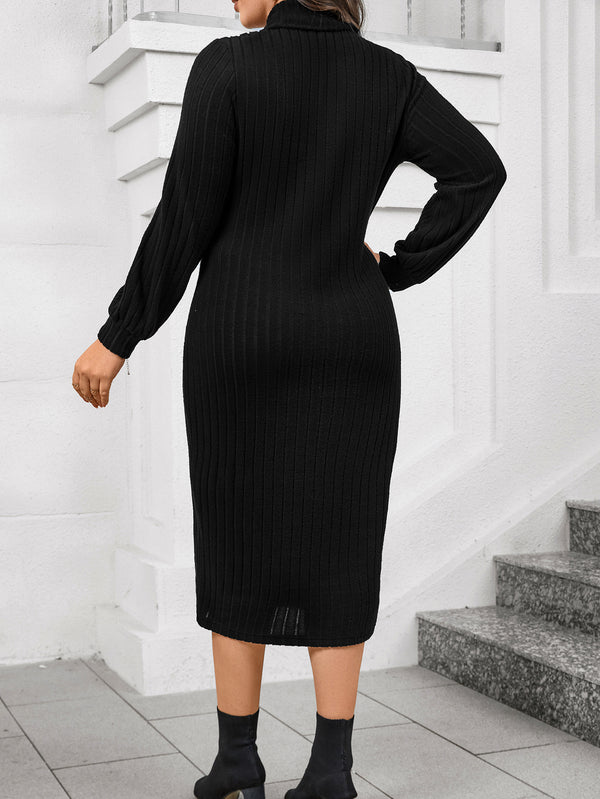
Mid-weight rib knits are the quiet workhorses of the category. The ribbing, whether a fine 1x1 rib or a wider 2x2, gives the fabric built-in stretch and a gentle memory that returns to shape after you move. Rib skims rather than clings, adds a flattering vertical line, and is forgiving through the bust, belly, and hip. If you are building a sweater-dress wardrobe from scratch, start here. A mid-weight rib in a slightly heavier yarn will carry you from late fall through the depths of winter with very little effort.

Fabric Content and Pilling: What's Actually in Your Knit
The fiber blend inside your sweater dress determines how it feels, how it washes, how warm it keeps you, and how quickly it develops those tiny fuzz balls we call pills. Reading the fiber content label is one of the most practical habits you can build as a plus-size shopper, because the same silhouette in two different blends can wear like two different garments.
Merino and Wool Blends
Merino and lambswool blends are warm without being bulky, breathe better than synthetics, and resist odor so you can wear them more than once between washes. They hold heat efficiently, which matters when the dress is your only layer on a cold day. Pure luxury wool can itch, so most wearable sweater dresses blend merino with a touch of nylon for strength or a bit of soft acrylic to calm the hand-feel. Expect some pilling in high-friction zones like under the arms and across the thigh, but quality merino pills less and the pills are easy to remove.
Acrylic and Acrylic Blends
Acrylic is the budget-friendly workhorse. It is lightweight, machine-washable, and holds bright color well. The downside is that lower-grade acrylic pills faster and can generate static, which we will address later. A well-made acrylic blend with a little wool or viscose mixed in can feel surprisingly soft and pill far less than the cheap stuff. Do not dismiss acrylic outright; just look for a denser, heavier gauge so the fabric has some body.
Cotton and Viscose Blends
Cotton knits are breathable and soft against sensitive skin, which makes them lovely for milder fall days, but cotton holds water and loses warmth when damp, so it is less ideal for real winter. Viscose and rayon blends drape beautifully and feel cool and fluid, giving a dressy, flowing hand, though they can be delicate and may stretch out of shape if hung. Many of the most comfortable everyday sweater dresses blend cotton or viscose with a stretch fiber like elastane so they move with you and bounce back.
Managing Pills
Pilling is normal and not a sign of bad quality. It happens where the fabric rubs: under arms, across the lap, where a bag strap sits. A small fabric shaver or a sweater comb restores the surface in minutes. Wash knits inside out, on a gentle cycle or by hand, and keep them away from rough items like jeans zippers to slow pilling down.
Silhouettes and Length: Finding Your Best Proportions
Sweater dresses come in far more shapes than people expect, and the right silhouette is the one that makes you forget you are wearing it. Below are the shapes that consistently work for curvy bodies, plus a note on the length question that comes up for almost everyone.
Bodycon Rib
A bodycon rib dress follows the body closely and uses vertical ribbing to create a long, lean line. It is the most confident, second-skin option and works beautifully when the yarn is substantial enough not to dig in. Pair it with opaque tights and knee boots and you have an instant outfit that reads polished rather than costume-y. If you are new to bodycon, choose a mid-weight rib and a length that lands at or just above the knee so you feel anchored.
A-Line and Swing
A-line and swing sweater dresses skim away from the body from the bust or waist down, creating gentle movement and breathing room through the hip and thigh. They are the easiest gateway into the category because they flatter without demanding anything of you. A swing dress in a fine or mid gauge looks relaxed and modern, and it layers cleanly under a coat.
Necklines: Turtleneck, Mock Neck, and Cowl
Turtlenecks deliver maximum warmth and a sleek, graphic line that frames the face. Mock necks give you most of that coziness with a little less fabric at the throat, which many people find more comfortable indoors. Cowl necks add a soft, draped fold of fabric at the collar that draws the eye upward and adds interest without bulk. All three read as intentional and put-together.
Belted, Midi, and Mini-with-Tights
A belted sweater dress lets you define a waist if you want one, turning a straight shift into an hourglass shape with a single move. The sweater midi, landing mid-calf, is elegant and practical for colder days and looks fantastic with tall boots. The mini, when paired with thick tights or leggings, is playful and youthful and keeps the focus on great legs and great boots. Choose the length that matches your comfort, not a trend.
The Length Question and Your Proportions
Length is a personal comfort decision, not a rule. A dress that hits at the knee is the most versatile and reads as balanced on most heights. Midis feel sophisticated and keep more of you covered on frigid days. Minis are fun but ask for solid legwear underneath. Whatever length you choose, keep your footwear proportionate: taller boots balance a longer hem, while ankle boots keep a mini from feeling bare. Our fuller range of shapes lives in the plus size dress collection, where you can compare silhouettes side by side.
Taming Static and Cling
Static and cling are the two complaints that turn a great sweater dress into a frustrating one, especially in dry heated homes and cold windy streets. The good news is that both are manageable with a few cheap, low-effort tricks that take less time than choosing your boots.
Why Knits Cling
Acrylic and wool knits build static charge when they rub against tights, leggings, or car seats. Lightweight fine-gauge dresses are the worst offenders because they have nothing to weigh them down. The first line of defense is what you wear underneath, because the layer against your skin sets the tone for the whole outfit.
Slips and Smooth Layers
A thin slip dress or a pair of smooth knit shorts worn under a clingy sweater dress creates a barrier that stops static before it starts and keeps the dress from riding or sticking to tights. Look for slips in a slippery fabric like nylon or rayon that glides rather than grips. Even a simple pair of bike shorts under a mini-length dress can kill most cling and add peace of mind.
Anti-Static Tricks
A dryer sheet rubbed lightly over the outside of the dress neutralizes static for hours. A light mist of water from a spray bottle, or a dedicated anti-static spray, does the same. Keeping a little lotion on your hands and legs reduces the charge your body builds up. And if all else fails, touch a metal object, like a door handle or radiator, before you dress to discharge the day's static buildup. None of these are fancy, but together they make knit dresses wear like a dream.
Layering, Footwear, and Building a Full Warm Outfit
The sweater dress is rarely a solo act in winter. How you layer it, what you put on your feet, and how you build warmth downward from the hem are what turn a single garment into a real cold-weather system. Here is how to do all three without losing the clean line that makes the dress work.
Layering Over and Under
For outer layers, a denim jacket adds casual structure and breaks up the knit with a woven texture, while a leather jacket brings edge and a sleek line. Throwing a long cardigan or a wool coat over the dress keeps the silhouette soft and the warmth high. Underneath, a crisp collared shirt peeking out at the neck or cuff adds a preppy, layered detail and an extra buffer against the cold. When you layer, keep the dress itself relatively slim so the added pieces do not create bulk at the waist.
Footwear Pairings
Knee boots are the classic partner: they extend the line of the leg, add real warmth, and balance longer hems. Ankle boots keep things modern and are perfect with a mini or a swing dress. Sneakers dress the look down for errands and school runs while keeping you comfortable all day. Heeled boots elevate the whole outfit for dinner or the office and add height that many curvy women enjoy with a midi or bodycon hem. Match boot height to dress length for the most balanced proportion.
Building a Full Warm Outfit with Tights, Leg Warmers, and Boot Socks
True cold-weather comfort starts at the legs. Begin with a opaque pair of plus size tights in a weight that suits the temperature, then add leg warmers over the calf for extra insulation that you can peel off indoors. Boot socks that fold over the top of your boots add both warmth and a cozy styled detail. Together, tights, leg warmers, and boot socks let you wear your favorite sweater dress deep into winter without sacrificing an ounce of comfort. This is the layering system that makes the dress a year-round cold-weather hero rather than a mild-day novelty.

Care and Storage: Fold, De-Pill, Hand Wash
A good sweater dress is an investment in comfort, and a little care keeps it looking new for years. Knit fabric is more delicate than it looks, so the habits below matter more than you might think.
Fold, Do Not Hang
Hanging a knit dress on a hanger stretches the shoulders and pulls the whole garment out of shape, especially in heavier gauges. Always fold sweater dresses and stack them on a shelf or in a drawer. If you must hang, use a padded hanger and only for very lightweight fine-gauge pieces, and even then fold the shoulders over the bar to spread the load.
De-Pilling
Keep a fabric shaver or a fine sweater comb in your drawer and give dresses a quick pass at the start of each season. Removing pills restores the smooth surface and makes even an older dress look fresh. Do it on a flat surface and use light, even strokes to avoid snagging the knit.
Hand Wash and Dry Flat
Hand washing in cool water with a gentle wool detergent is kindest to fibers and prevents the stretching and fading that machine cycles cause. If you use a machine, choose the wool or delicate setting and a mesh bag. Never wring a wet knit; press the water out gently in a towel, then lay the dress flat on a drying rack away from direct heat. Heat and tumbling are the enemies of shape and softness, so flat drying is the single best thing you can do for longevity.
FAQ: Plus Size Sweater Dresses
How do I choose the right size in a knit sweater dress?
Start with your usual size and consider the gauge. Fine-gauge and rib dresses have stretch and usually wear true to size, while chunky or non-stretch knits may feel snug through the bust and hip, where you might prefer to size up for ease. Always check the brand's size chart against your bust and hip measurements rather than your old habits, because knit stretches differ by blend.
Are sweater dresses warm enough to wear in winter?
They can be, especially in wool or heavy acrylic blends with a mid or chunky gauge. For real cold, build the outfit downward with opaque tights, leg warmers, and boot socks, then add a long coat. The dress itself is one warm layer; the legwear and outerwear complete the system so you stay cozy from neck to toe.
How do I stop a sweater dress from clinging or building static?
Wear a smooth slip or knit shorts underneath to create a barrier, rub the outside lightly with a dryer sheet, and keep skin moisturized to reduce charge. Choosing a mid-weight rib or a denser gauge also helps, because heavier fabrics are less likely to cling than thin, floaty fine knits.
Can I wear a sweater dress to the office?
Absolutely. A fine-gauge turtleneck or a belted midi in a neutral color reads polished and professional. Add a long cardigan or tailored coat, knee or heeled boots, and minimal jewelry, and the look carries you from meetings to dinner without a change. Comfort and confidence are welcome in any workplace.