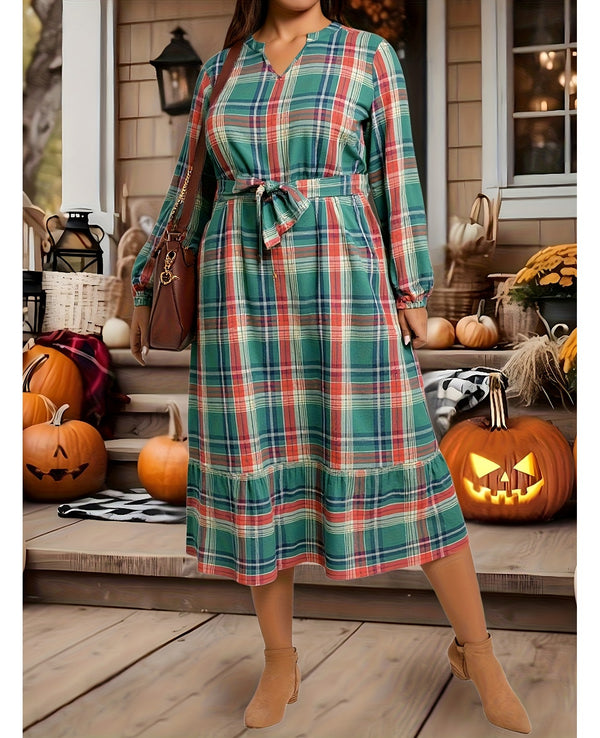
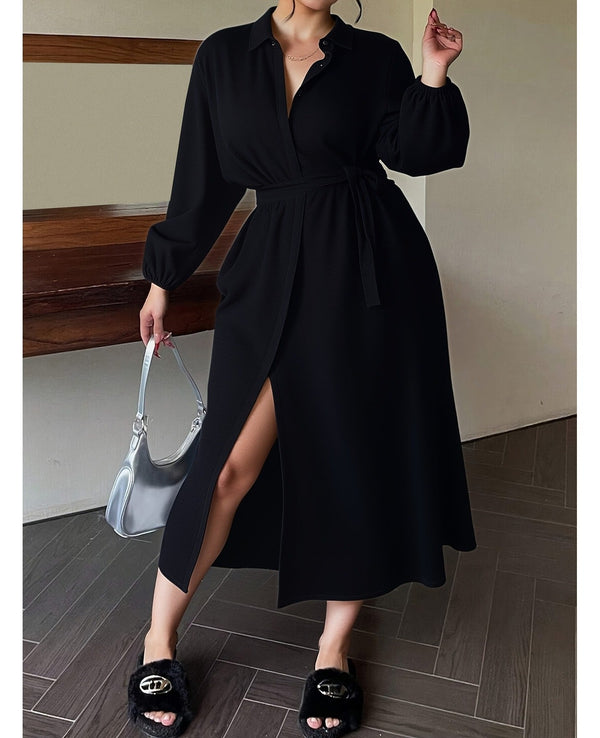
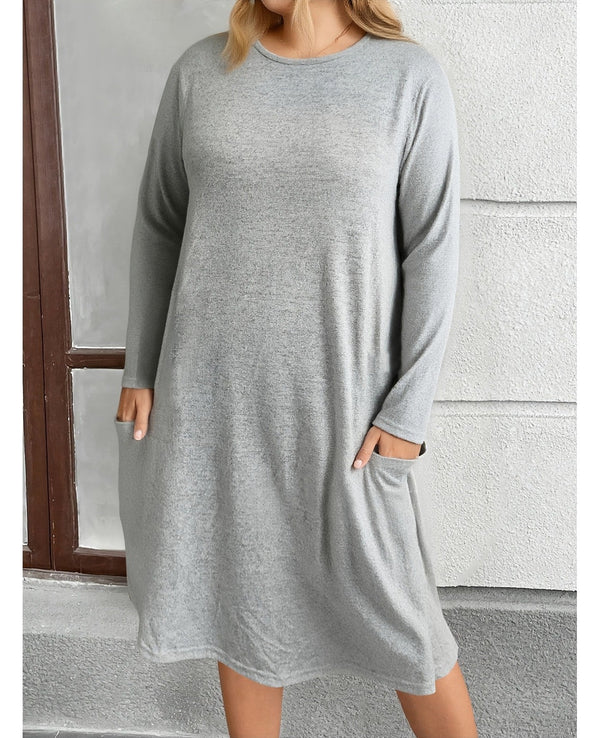
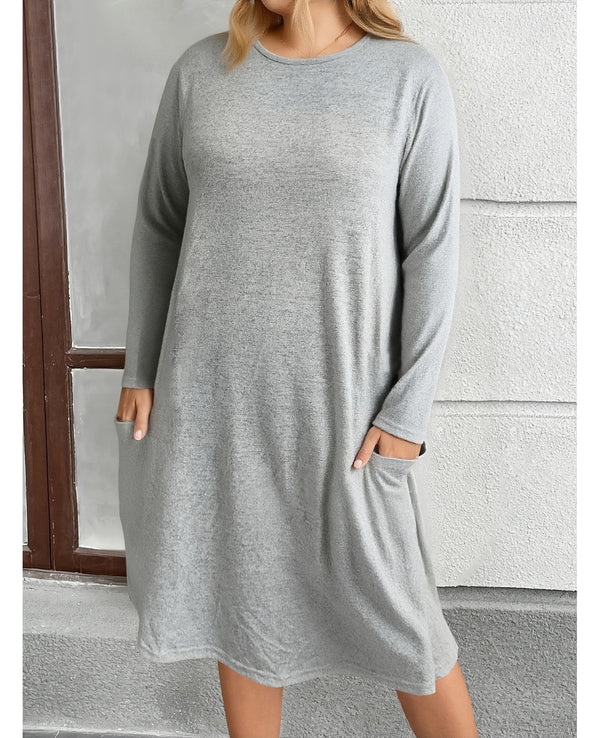
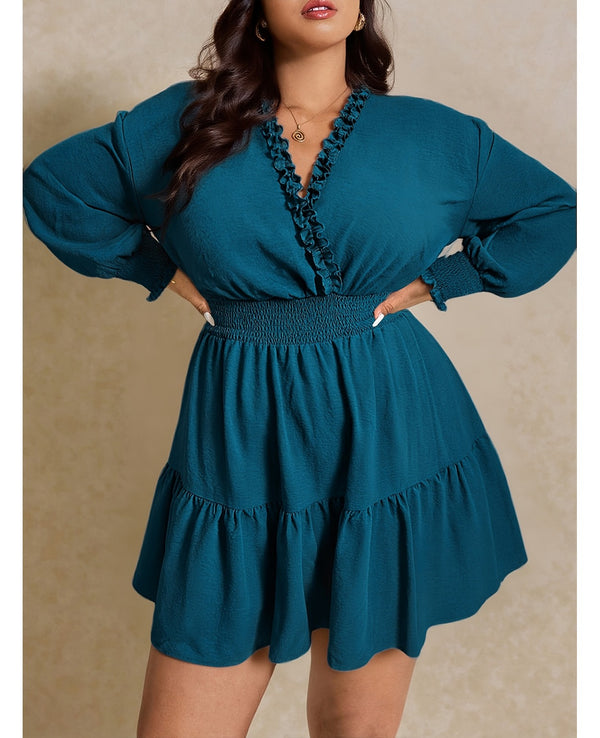
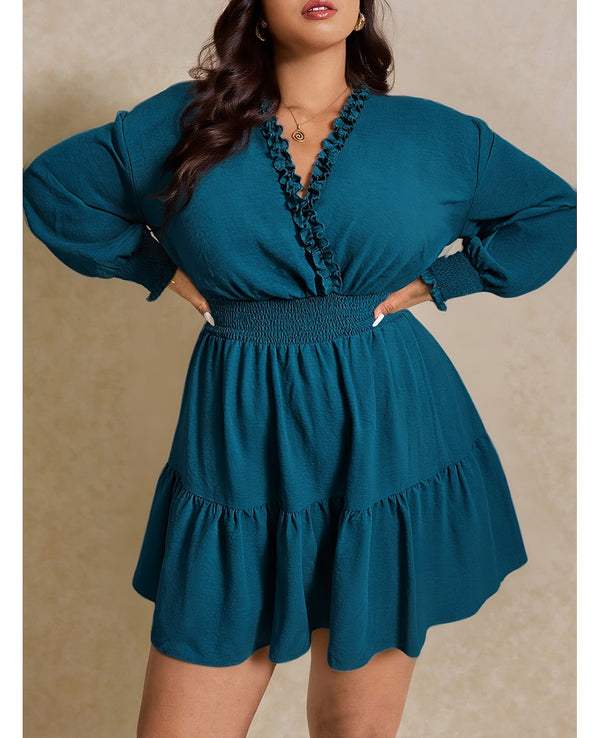
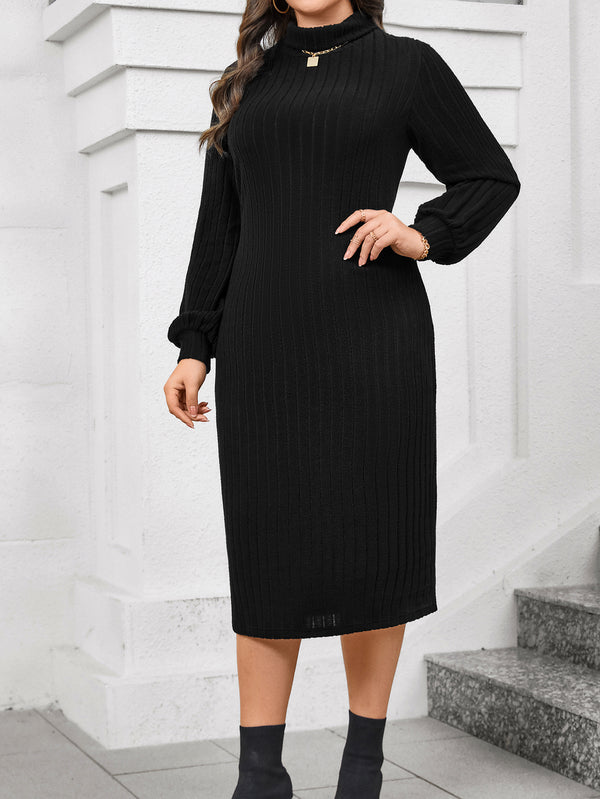
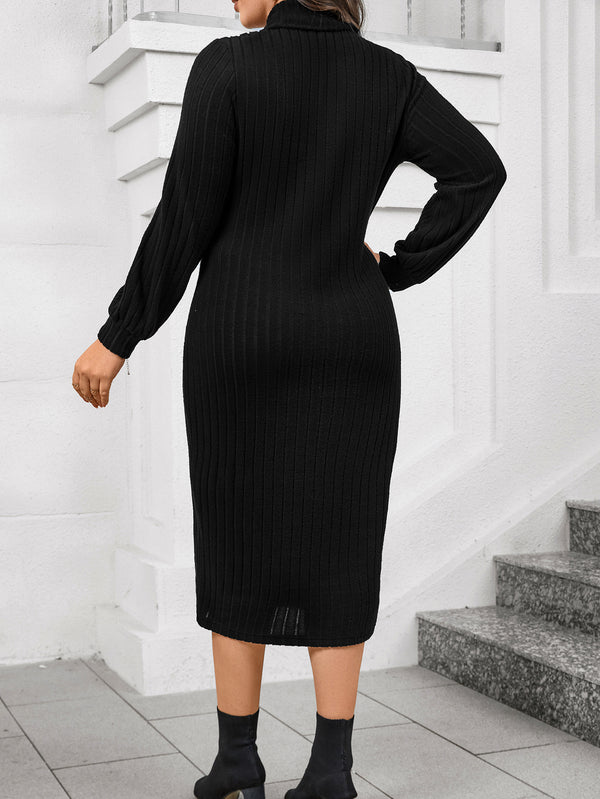
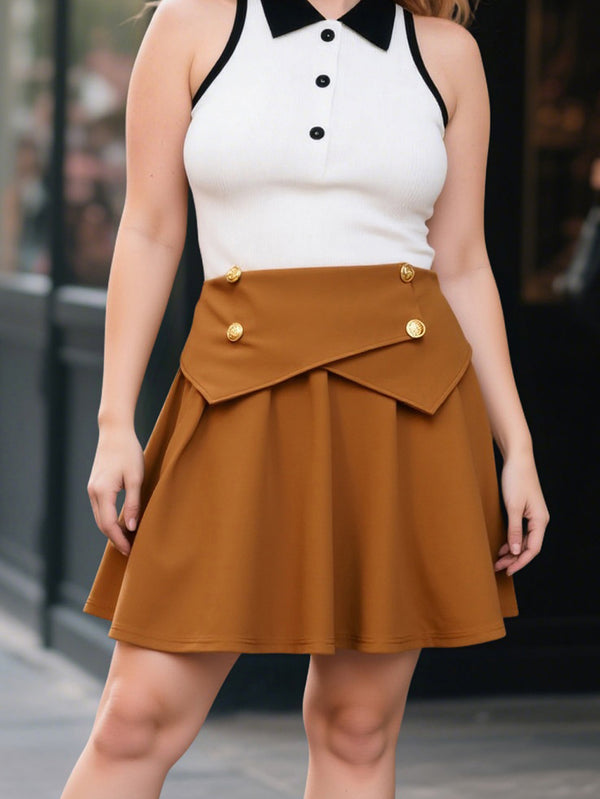
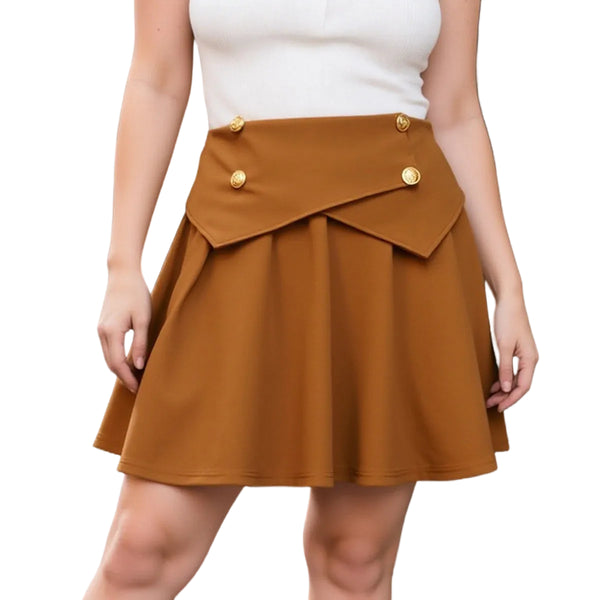
Es ist die erste Augustwoche, was bedeutet, dass der Gruppenchat bereits begonnen hat: Was ziehen wir dieses Jahr eigentlich auf dem Campus an? Wenn frühere Semester damit endeten, dass du fünf Minuten vor einer 9-Uhr-Vorlesung Kleidung aus dem Regal zogst und das Beste hofftest, betrachte dies als den Neustart. Plus-Size-Outfits für die Schule zusammenzustellen, die wirklich funktionieren, dreht sich weniger darum, einem Trendzyklus hinterherzulaufen, als vielmehr darum, eine sehr spezifische Reihe von Problemen zu lösen – lange Gehwege, Hörsäle, die innerhalb einer Stunde von arktisch zu tropisch wechseln, Hosenbünde, die nach vierzig Minuten eines dreistündigen Seminars anfangen zu zwicken, und ein Rucksackgurt, der jeden Tag genau dieselbe Stelle reibt.
Egal, ob du Studienanfängerin, Doktorandin, die ihre erste Diskussionsrunde leitet, oder Lehrerin bist, die von der ersten Schulglocke um 7:40 Uhr bis zum Ende auf den Beinen ist, das System unten ist dasselbe: eine kleine und durchdachte Kapsel, ein Schichtplan, der für August bis Oktober konzipiert ist, und eine Handvoll Outfit-Formeln, die du im Autopilot-Modus anwenden kannst, bevor du deinen Kaffee hattest.
Warum das Anziehen auf dem Campus eine ganz andere Disziplin ist
Übliche Ratschläge zum Anziehen gehen davon aus, dass du von deiner Tür zu deinem Auto zu einem klimatisierten Schreibtisch gehst. Auf dem Campus funktioniert das nicht so. Du bist draußen, dann drinnen, dann wieder draußen, trägst fünfzehn Pfund auf dem Rücken, steigst Treppen in einem Gebäude ohne Aufzug und sitzt auf Möbeln, die für einen hypothetischen Durchschnittskörper konzipiert wurden, den niemand wirklich hat.
Die Probleme, die niemand auf die Packliste für das Studentenwohnheim setzt
- Die Schrittzahl. Ein Campus-Zeitplan kann leicht acht- bis zwölftausend Schritte pro Tag bedeuten. Schuhe, die für Besorgungen in Ordnung waren, werden bis Mittwoch zu einem echten Problem.
- Temperatursturz. Dreißig Grad und schwül auf dem Campus Ende August, dann ein Hörsaal, in dem die Klimaanlage wie in einem Kühlhaus läuft. Du musst in der Lage sein, Schichten in etwa vier Sekunden hinzuzufügen und abzulegen.
- Das dreistündige Sitzen. Seminare, Labore und Atelierkurse bedeuten, sehr lange in einer Position zu sitzen. Starre Hosenbünde rollen, graben sich ein und lassen dich in der letzten Stunde diskret unter dem Tisch herumzupfen.
- Treppen und niedrige Sitzgelegenheiten. Alles, was beim Klettern oder Sitzen hochrutscht, ist den ganzen Tag über ein unterschwelliger Stressfaktor, und diese mentale Bandbreite sollte deinem Studium zugute kommen.
- Rucksackreibung. Die Gurte reiben an der Schulternaht und pressen einen weichen Strickstoff zu einer dauerhaften Falte. Die Stoffwahl ist wichtiger, als die Leute zugeben.
- Scheuern. Die ersten sechs Wochen des Schuljahres sind oft die heißesten. Für viele von uns ist die Reibung an den Innenseiten der Oberschenkel der größte Faktor dafür, ob ein Rock überhaupt tragbar ist.
Studierende und Lehrende haben unterschiedliche Einschränkungen
Wenn du Student:in bist: Dein Tag ist fragmentiert und unvorhersehbar. Du hast vielleicht eine Vorlesung, dann vier Stunden in der Bibliothek, dann ein Clubtreffen, dann ein Abendessen. Deine Kleidung muss all das überstehen, ohne dass du dich umziehen musst, denn du gehst zwischen den Terminen nicht zurück in dein Wohnheim. Komfort über acht Stunden und mehr hat Priorität, und du brauchst Kleidungsstücke, die um 8 Uhr morgens leger und um 19 Uhr gepflegt wirken.
Wenn du auf dem Campus lehrst oder arbeitest: Dein Tag ist vorhersehbarer, aber körperlich anstrengender, und du musst professionellen Ansprüchen genügen. Du stehst, beugst dich über Studententische, schreibst an Tafeln und beaufsichtigst möglicherweise eine Mittagspause im Freien. Du brauchst Kleidung, die nach sieben Stunden Bewegung eine gepflegte Form behält, unter Leuchtstofflampen nicht durchsichtig wird, Taschen hat und häufiges Waschen übersteht.

Beginne mit der Kapsel: 14 Teile, die ein Semester überdauern
Bei einer Kapsel geht es nicht darum, weniger zu besitzen, um des Minimalismus willen. Es geht darum, Kleidungsstücke zu besitzen, die alle zueinander passen, sodass eine kleine Anzahl von Artikeln eine große Anzahl von Kombinationen ergibt. Fast alle der besten Plus-Size-Outfits für die Schule stammen aus einem Kern wie diesem – vierzehn Teile, die speziell für einen Campus-Zeitplan entwickelt wurden.
- Zwei Paar dicke, blickdichte Leggings in Schwarz. Nicht ein Paar. Zwei, damit eines in der Wäsche sein kann.
- Eine Hose aus Ponte oder Stretch-Twill mit einem echten, breiten, nicht rollenden Bund.
- Eine Wide-Leg- oder Straight-Jeans mit bedeutsamem Stretch und hohem Bund.
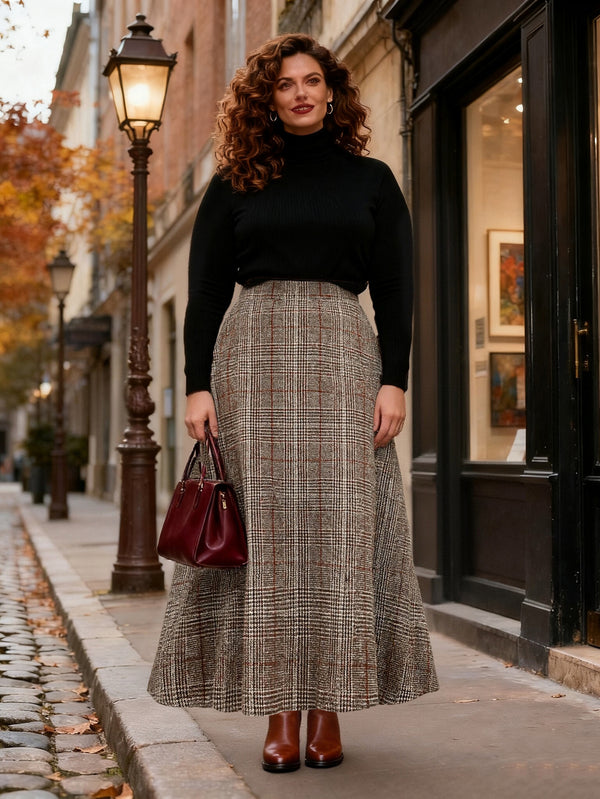
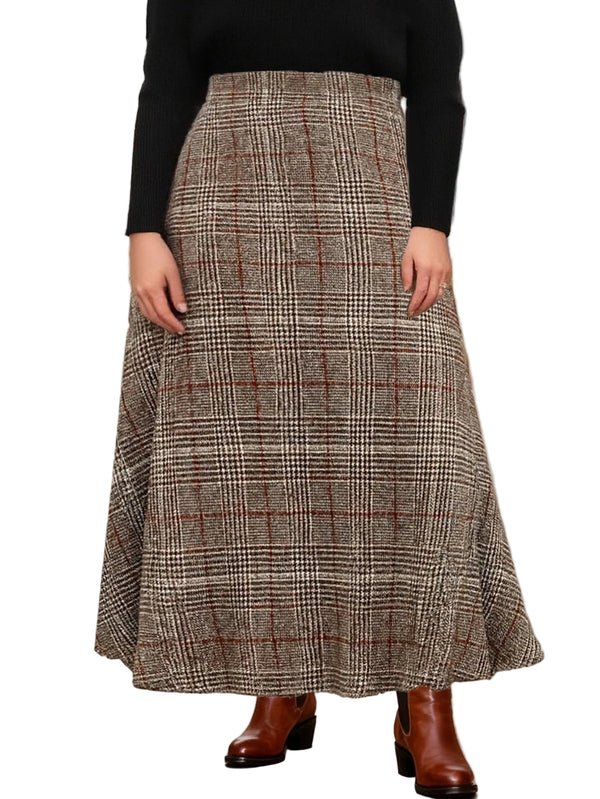
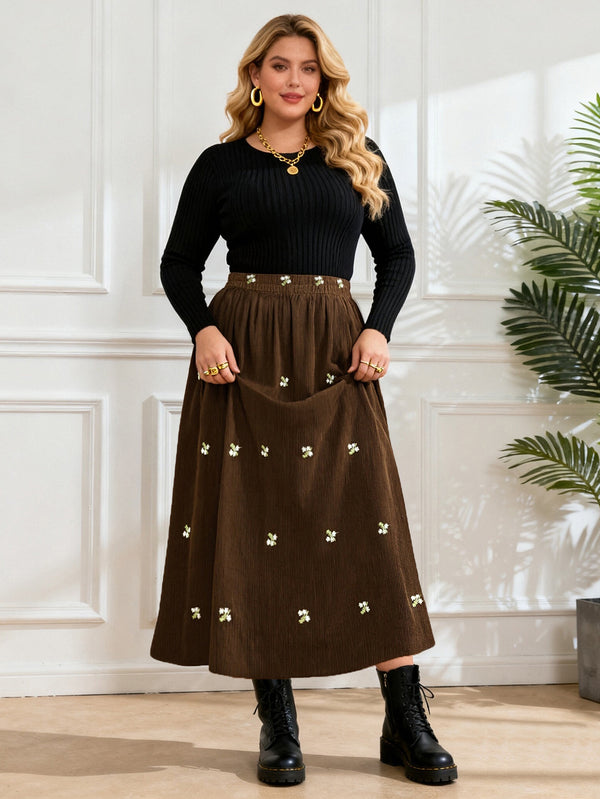
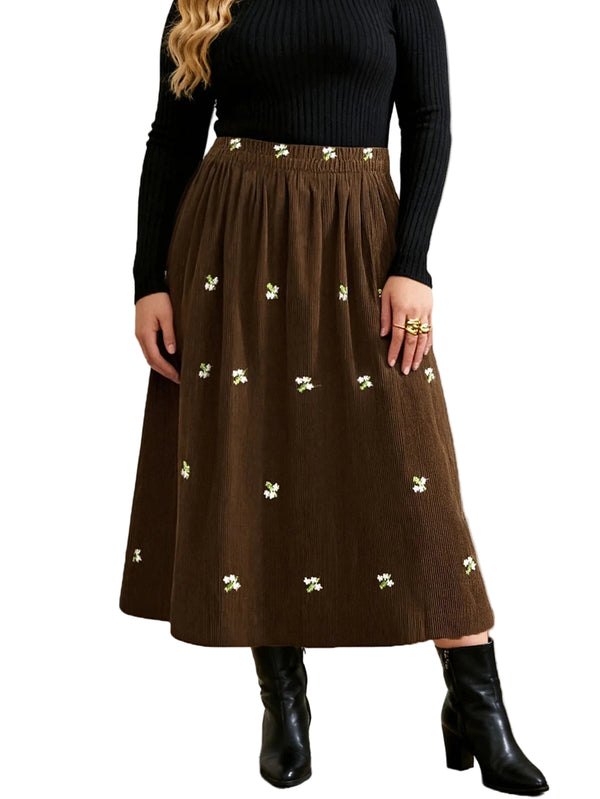
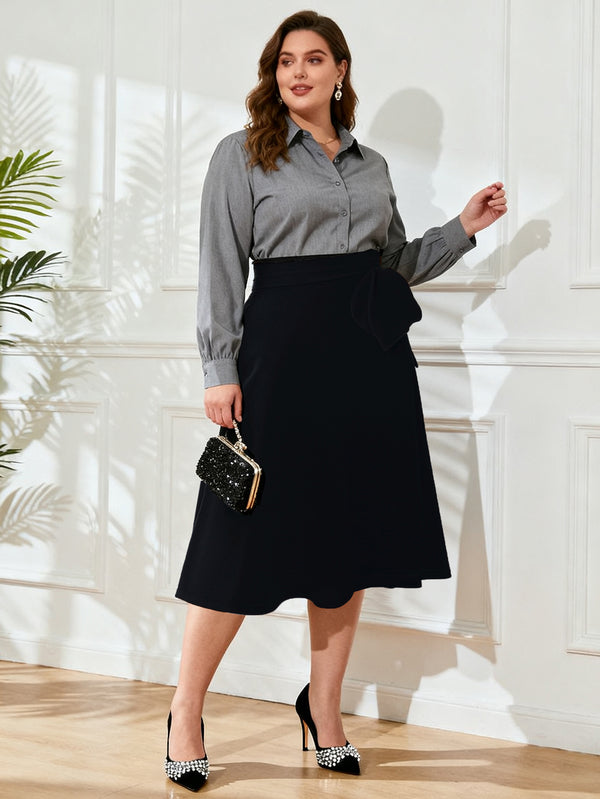
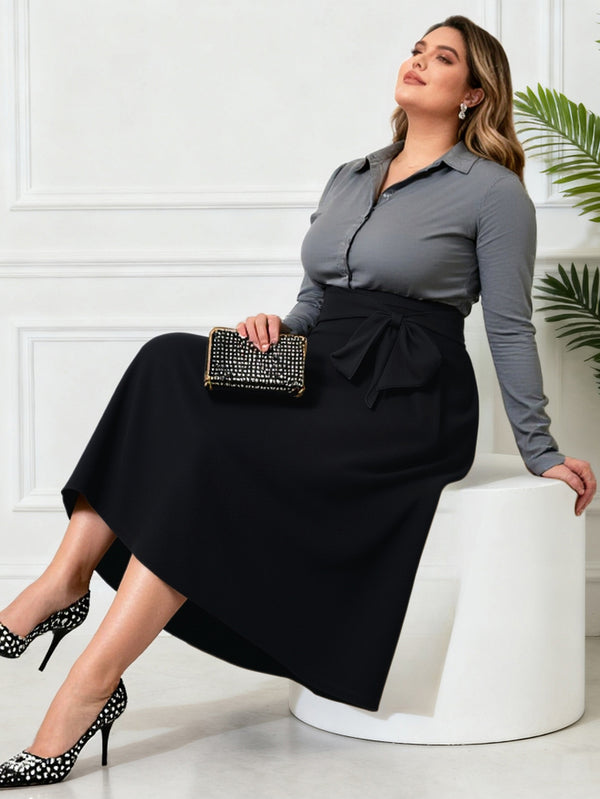
- Ein A-Linien- oder leicht ausgestellter Midirock aus mittelschwerem Strick.
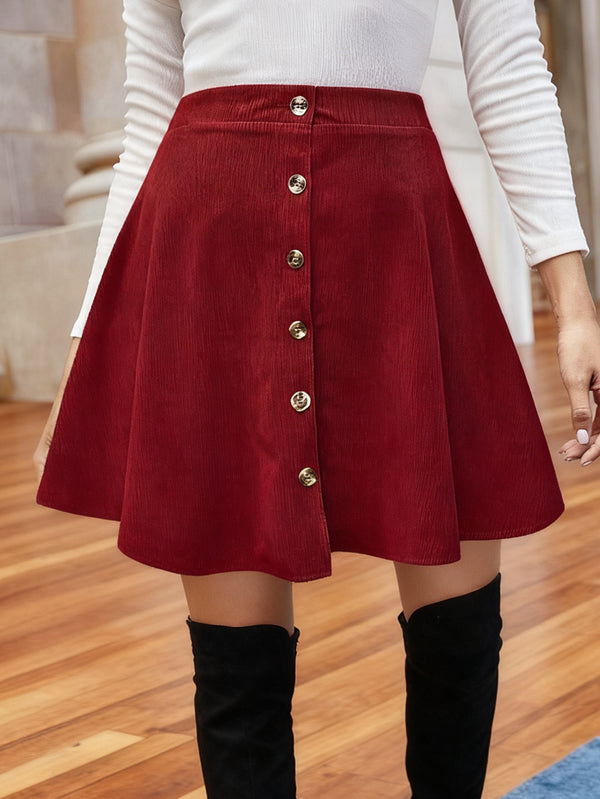
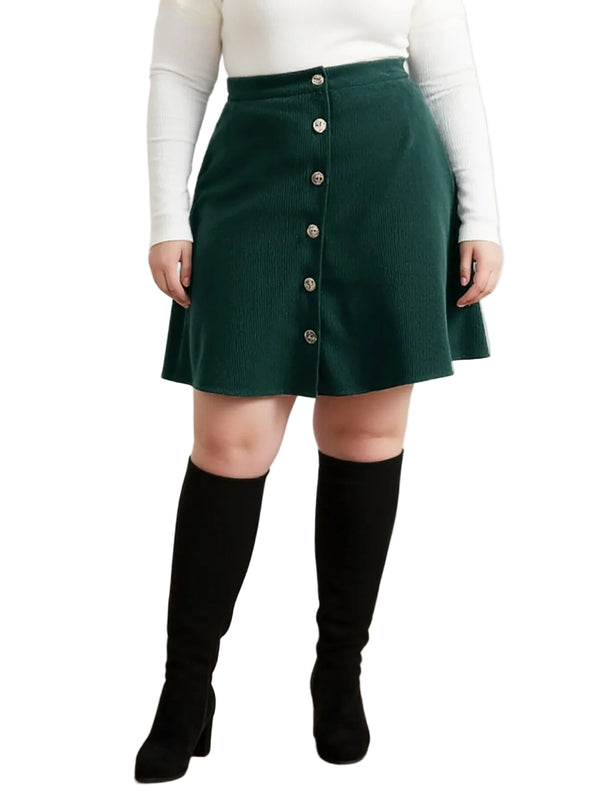
- Ein Denim- oder Utility-Rock für legere Tage, an denen Jeans zu viel sind.
- Ein einfaches Jersey-T-Shirt-Kleid – das beste Kleidungsstück für heiße Wochen, ohne Entscheidungen treffen zu müssen.
- Drei bis vier T-Shirts und Langarmshirts in Farben, die alle zu deinen Unterteilen passen.
- Ein strukturiertes Button-down-Hemd aus Baumwolle oder weichem Twill, geknöpft oder offen als Lage getragen.
- Ein Oversized-Cardigan – dein primärer Temperaturregler.
- Eine kurze oder hüftlange Jacke (Denim, Utility oder ein weicher Blazer) für Tage, an denen das Outfit bewusst aussehen soll.
- Ein Sweatshirt mit Reißverschluss oder Viertelreißverschluss für kalte Räume und frühe Morgenstunden.
- Anti-Scheuer-Shorts oder Slip-Shorts, mindestens zwei Paare. In August nicht verhandelbar.
- Gepolsterte Crew- und Knöchelsocken, mindestens sechs Paare.
- Blickdichte Strumpfhosen in Schwarz und einer neutralen Farbe, wenn das Wetter im Oktober umschlägt.
Vierzehn Artikel, und wenn die Farbgeschichte diszipliniert ist – Schwarz, Denimblau, ein warmer Neutralton und zwei Farben, die dir wirklich gefallen – kommst du bequem über dreißig verschiedene Outfits, ohne innerhalb von zwei Wochen einen Look zu wiederholen.
In dieser Reihenfolge einkaufen und in Kosten pro Tragen denken
Wenn dein Budget begrenzt ist (wessen ist das im August nicht), kaufe in der Reihenfolge, wie oft jedes Kleidungsstück getragen wird. Zuerst die Unterteile, denn du wirst die gleichen drei Unterteile viel öfter tragen als jedes einzelne Oberteil. Eine 40-Dollar-Leggings, die 90 Mal im Semester getragen wird, kostet etwa 44 Cent pro Tragen; ein 25-Dollar-Trend-Top, das 4 Mal getragen wird, kostet 6 Dollar und 25 Cent pro Tragen. Das ist die ganze Rechnung.
Schichten kommen an zweiter Stelle – die Strickjacke und die Jacke erscheinen in fast jedem Outfit, das du in den nächsten vier Monaten trägst. Oberteile kommen an dritter Stelle; sie sind die günstigste Art, ein Outfit neu wirken zu lassen. Kaufe das trendige Teil zuletzt, und erst nachdem die funktionalen Teile der Garderobe abgedeckt sind.
Unterteile, die eine dreistündige Vorlesung überstehen
Hier läuft das meiste Back-to-School-Shopping schief. Ein Unterteil kann im Ankleidezimmer perfekt aussehen und nach zwei Stunden auf einem festen Stuhl unerträglich sein. Teste alles im Sitzen.
Was ein Bund wirklich leisten muss
Sitzen komprimiert deine Körpermitte nach vorne und oben. Ein schmaler Gummibund hat keinen Platz, um diesen Druck zu verteilen, sodass er sich selbst umklappt und eine Linie in deine Haut gräbt. Was du willst, ist ein breiter Bund, mindestens drei bis vier Zoll tief, aus einem Stoff mit Rücksprung – er dehnt sich und kehrt zurück, anstatt sich zu dehnen und gedehnt zu bleiben. Ein hoher Bund ist hier besser als ein mittlerer Bund, weil er an der schmalsten Stelle deines Oberkörpers sitzt, anstatt nach unten zu wandern und sich zu rollen.
Achte auf flach genähte oder verdeckte Nähte im Bund und überprüfe speziell die hintere Leibhöhe: Viele Plus-Size-Unterteile sind mit einer unzureichenden hinteren Leibhöhe geschnitten, weshalb sie an der Taille klaffen und beim Sitzen nach unten rutschen. Setze dich im Ankleidezimmer hin, beuge dich nach vorne, als würdest du Notizen machen, und schau, was passiert.
Die Realität der Innenschenkel
Rock- und Kleider-Tage hängen ganz davon ab, ob deine Innenschenkel geschützt sind. Dünne, locker gestrickte Leggings bilden innerhalb weniger Wochen Pilling und nutzen sich an den Oberschenkeln ab. Suche nach einem Strick mit höherer Denierzahl oder Kompressionsstärke, idealerweise mit einem Zwickel, und überprüfe die Blickdichte, indem du den Stoff im Tageslicht über deine Hand spannst. Unsere Plus-Size-Leggings-Kollektion ist genau auf diese Art von Alltagstauglichkeit ausgelegt, was weitaus wichtiger ist als jedes Styling-Detail, wenn ein Teil vier Tage die Woche im Einsatz ist.
Für wirklich heiße Tage Anfang September sind Slip-Shorts aus einem glatten, kühlen Strickstoff unter einem Rock oder Kleid die bessere Wahl als volle Leggings. Sie bewältigen die Reibung, ohne eine zweite Wärmeschicht über dein ganzes Bein zu legen.
Das Schichtsystem für August bis Oktober
Zwischen dem ersten Semestertag und den Zwischenprüfungen wirst du wahrscheinlich einen Temperaturbereich von vierzig Grad erleben. Das kannst du nicht mit einem einzigen Outfit lösen, aber du kannst es mit einer wiederholbaren Struktur lösen.
Die Drei-Schichten-Regel
Jedes Outfit sollte eine Basis, einen Regler und eine optionale Schale haben.
- Basis: Das, worin du dich alleine wohlfühlst, bei dreißig Grad Hitze. Ein T-Shirt, ein Tanktop, ein T-Shirt-Kleid. Diese Schicht sollte atmungsaktiv sein und nicht kleben, wenn du schwitzt – eine leicht lockere Baumwolle oder eine Baumwoll-Modal-Mischung ist immer besser als ein eng anliegender Polyester.
- Regler: Das Kleidungsstück, das du dreimal am Tag an- und ausziehst. Strickjacke, offenes Hemd, Quarter-Zip. Es lebt in deinem Rucksack, wenn du es nicht trägst, also muss es knitterarm sein und sich faltenfrei ausschütteln lassen.
- Schale: Nur für äußere Bedingungen – Regen, Wind, echte Kälte. Eine Jeansjacke, Utility-Jacke oder leichte Regenjacke. Sie kommt niemals in den Unterricht.
- 1. Die 8-Uhr-Vorlesung. Dicke schwarze Leggings, locker vorne eingestecktes Oversized-T-Shirt, Oversized-Cardigan, gepolsterte Crew-Socken, stützende Sneakers. Kein Hosenbund-Stress, warm genug für einen kalten Saal und in neunzig Sekunden zusammengestellt.
- 2. Der Ganztages-Bibliotheks-Look. Weite Stretchhose oder weiche Jogger, enganliegendes Langarm-Basic, Quarter-Zip darüber. Dieses Outfit ist für acht Stunden auf einem Stuhl konzipiert – nichts drückt, nichts muss angepasst werden, und der Reißverschluss bewältigt den unberechenbaren Thermostat der Bibliothek.
- 3. Der Präsentationstag. Ponte-Hose, eingestecktes Button-Down-Hemd, strukturierte Jacke oder weicher Blazer, Stiefelette mit niedrigem Blockabsatz oder sauberer Loafer. Strukturierte Schultern und eine definierte Taille wirken autoritär, und matter Stoff fotografiert gut, wenn jemand deinen Vortrag aufnimmt.
- 4. Von Campus zu Abend. Midi-Rock aus unserer Plus-Size-Rock-Kollektion, enganliegendes T-Shirt eingesteckt, Sneaker für den Tag. Um sechs die Sneaker gegen Stiefel tauschen, den Cardigan ablegen, Ohrringe hinzufügen, und du hast das gesamte Outfit in etwa zwei Minuten gewechselt, ohne nach Hause zu gehen.
- 5. Der Hitzewellen-Notfall. Jersey-T-Shirt-Kleid, Slip-Shorts darunter, flache Sneaker, Haare hoch. Das einfachste Plus-Size-Outfit, das an einem fünfunddreißig Grad heißen September-Dienstag immer noch absolut bewusst wirkt.
- 6. Der Montag der Lehrerin. Ponte-Hose oder ein gerader Midirock, eingestecktes Stricktop, Cardigan mit echten Taschen und ein stützender Loafer oder niedriger Stiefelette. Taschen sind der springende Punkt – du brauchst Platz für einen Marker, ein Telefon und einen Hall Pass. Wähle einen maschinenwaschbaren Stoff, denn der Montag wird mindestens eine unidentifizierbare Substanz beinhalten.
- 7. Der lange Tag mit Dienst. Dunkle Stretchhose, langärmliges Basic, offenes Button-Down-Hemd als Regulierer und eine Jacke an der Tür für den Außendienst. Im Oktober einen Schal hinzufügen. Dies bewältigt eine Ankunft um 7:15 Uhr, ein kühles Klassenzimmer, eine heiße Cafeteria und zwanzig Minuten draußen bei der Entlassung ohne einen einzigen Kompromiss bei der Garderobe.
- Montag: Leggings, gestreiftes Langarmshirt, Jeansjacke, Sneakers. Energiesparender Start, geringer Aufwand.
- Dienstag: Weite Jeans, eng anliegendes T-Shirt, Oversized-Cardigan, gepolsterte Socken, Sneakers. Das Outfit für lange Spaziergänge.
- Mittwoch: Midirock, Slip-Shorts, eingestecktes T-Shirt, kurze Jacke, Loafer. Leicht gehobener, immer noch bequem sitzend.
- Donnerstag: Ponte-Hose, eingeknöpftes Hemd, Blazer, falls eine Präsentation oder ein Seminar ansteht. Der Tag, an dem man sich schick macht.
- Freitag: T-Shirt-Kleid, Slip-Shorts, Quarter-Zip um die Taille gebunden, Sneakers. Entspannt ins Wochenende gleiten.
Dies funktioniert, weil dein Outfit bei jeder Schichtanzahl vollständig ist. Wenn du in einem heißen Raum bis zur Basisschicht heruntergehst, sitzt du nicht im Unterhemd da; wenn du alle drei Schichten hinzufügst, wirkt es immer noch bewusst gewählt.
Stoffgewichte, die tatsächlich atmen
Im August solltest du Baumwolle, Leinenmischungen, Modal und Viskose bevorzugen. Vermeide schwere Polyesterstoffe und dicke Rippstrickstoffe, die Wärme speichern und Gerüche festhalten. Ab Ende September wechsele die Basisschicht zu Langarmshirts, gehe zu Ponte und schwereren Strickwaren über und trage Strumpfhosen unter Röcken. Die Struktur bleibt identisch; nur das Stoffgewicht ändert sich. Das macht es zu einem System statt einem Stapel Kleidung.

Sieben Outfit-Formeln, die du im Autopilot-Modus laufen lassen kannst
Benannte Formeln reduzieren die Entscheidungsermüdung. Wenn du weißt, dass dein Dienstag lang wird, greifst du zur Formel, nicht zu einzelnen Kleidungsstücken. Dies sind die Plus-Size-Outfits für die Schule, die es wert sind, auswendig gelernt zu werden.
Für Studierende
Für Lehrende und Campus-Mitarbeiter
Eine vollständige Beispielwoche von Plus-Size-Outfits für die Schule
So sieht eine tatsächliche Woche aus, wenn die Kapsel ihre Aufgabe erfüllt. Beachten Sie, wie wenige einzelne Kleidungsstücke dies erfordert.
In dieser Woche wurden fünf Unterteile oder Kleider, vier Oberteile, drei Lagen und zwei Paar Schuhe verwendet. Wiederhole es in der folgenden Woche mit dem zweiten Paar Leggings, dem Jeansrock anstelle des Midi-Rocks und einem anderen T-Shirt, und niemand – auch du nicht – bemerkt es als Wiederholung.
Die Realität der Wohnheimwäsche
Die meisten Studenten waschen ihre Wäsche nur alle zehn bis vierzehn Tage, nicht wöchentlich. Passe daher deine Mengen an deinen tatsächlichen Zyklus an, nicht an einen idealisierten. Das bedeutet mindestens zwei Paare deiner primären Unterteile, Socken und Unterwäsche für den gesamten Zyklus plus drei Tage Spielraum, und eine Vorliebe für dunklere Farben und strukturierte Stoffe, die ein viertes Tragen vertragen. Halte ein Notfall-Sauberkeits-Outfit von der Rotation fern. Und hänge deine besten Leggings zum Trocknen auf – industrielle Wohnheimtrockner sind der schnellste Weg, um Gummizüge zu zerstören.
Scheuern, Füße, Reibung und Selbstvertrauen
Verhindern von Scheuern an den Oberschenkeln in den ersten sechs Wochen
Scheuern ist ein Hitze- und Feuchtigkeitsproblem, kein Körperproblem, und die Lösungen sind unkompliziert: Slip-Shorts aus einem glatten, reibungsarmen Strick als Standard; ein Anti-Scheuer-Balsam oder Puder, der vor dem Verlassen des Hauses aufgetragen und an den schlimmsten Tagen zum Mittagessen erneut aufgetragen wird; und keine Baumwolle direkt auf der Reibungszone, sobald man schwitzt, da nasse Baumwolle die Reibung erhöht, anstatt sie zu reduzieren. Bewahre für den ersten Monat einen Reisestick in deinem Rucksack auf.
Schuhe und Socken für einen Zwölftausend-Schritte-Tag
Wechsle zwei Paar Schuhe über die Woche, anstatt ein Paar täglich zu tragen – Schaumstoff braucht etwa vierundzwanzig Stunden, um sich zu dekomprimieren, und das Abwechseln verlängert die Lebensdauer beider Paare. Priorisiere eine breite Zehenbox und eine echte Fußgewölbestütze gegenüber dem Aussehen des Schuhs auf dem Produktfoto und kombiniere ihn mit gepolsterten Crew-Socken mit verstärkten Fersen; dünne unsichtbare Socken rutschen an Tagen mit vielen Schritten herunter und verursachen Blasen. Wenn deine Füße am Nachmittag anschwellen, kaufe abends Schuhe und wähle die Größe für deinen Nachmittagsfuß.
Rucksackreibung und Selbstvertrauen in einem Raum, der nicht für dich konzipiert wurde
Trage beide Gurte, stelle sie so ein, dass der Rucksack hoch auf deinem Rücken sitzt, anstatt an deinen Hüften zu hängen, und wähle breitere gepolsterte Gurte, die die Last verteilen, anstatt in eine Linie einzuschneiden. Eine strukturierte Schicht unter den Gurten verhindert auch die Faltenbildung, die dünne Strickwaren entwickeln.
Und der Teil, der nichts mit Stoff zu tun hat: Der Campus ist nicht immer ein größeninklusives Umfeld. Schreibtische, Stühle und Hörsaalbestuhlung sind oft nicht für dich gebaut, und das ist ein Designfehler, kein persönlicher. Was hilft, ist, wenn deine Logistik bereits gelöst ist – zu wissen, dass dein Outfit im Sitzen funktioniert, dass deine Füße durchhalten, dass du den Tag nicht damit verbringen wirst, an einem Saum zu ziehen. Kleidung, die deine Aufmerksamkeit nicht mehr beansprucht, gibt diese Aufmerksamkeit deiner Arbeit, deinen Freundschaften und dem Grund zurück, warum du überhaupt auf dem Campus bist.
Häufig gestellte Fragen
Wie viele Plus-Size-Outfits für die Schule brauche ich eigentlich?
Planen Sie acht bis zehn verschiedene Kombinationen ein, nicht dreißig. Zwischen einem echten Waschzyklus und der Tatsache, dass niemand verfolgt, was Sie letzten Dienstag getragen haben, decken acht bis zehn gut zusammengestellte Outfits bequem einen Monat ab. Die obige 14-teilige Kapsel generiert viel mehr, was Ihnen Raum für Wetterschwankungen und den gelegentlichen Tag gibt, an dem sich nichts richtig anfühlt.
Was soll ich am ersten Tag anziehen, wenn es noch dreißig Grad sind?
Ein Jersey-T-Shirt-Kleid mit Slip-Shorts darunter, flache Sneakers und eine leichte Strickjacke in der Tasche für die kalten Klassenzimmer. Es erfordert keine Entscheidungen, es bewältigt die Hitze, es ist völlig angemessen für einen ersten Tag, und die Strickjacke bedeutet, dass die Klimaanlage Sie nicht überraschen kann.
Sind Leggings für einen Lehrer oder einen Tutor akzeptabel?
Das hängt von der Kleiderordnung Ihrer Schule ab, aber im Allgemeinen ja – wenn sie eher als Hose denn als Sportkleidung behandelt werden. Das bedeutet blickdichte, dicke Leggings in einer einfarbigen dunklen Farbe, kombiniert mit einer längeren Tunika, einem strukturierten Hemd oder einer hüftlangen Jacke und abgerundet mit einem richtigen Schuh statt eines Laufschuhs. Der Unterschied zwischen lässig und professionell liegt hier fast ausschließlich im Stoffgewicht und dem, was Sie darüber tragen.
Wie verhindere ich, dass meine Kleidung beim Gehen zwischen den Kursen hochrutscht?
Hochrutschen ist in der Regel ein Problem der Leibhöhe oder der Stoffreibung. Wählen Sie eine höhere Leibhöhe, sodass das Kleidungsstück über Ihrem breitesten Punkt sitzt, anstatt dagegen anzukämpfen, und wählen Sie Unterteile mit Rücksprung im Stoff, damit sie beim Bewegen ihre Form behalten. Bei Röcken und Kleidern entfernt eine glatte Unterziehhose darunter den Stoff-auf-Haut-Zug, der einen Saum nach oben zieht. Wenn ein Kleidungsstück schon beim ersten Tragen hochrutscht, wird es sich nicht verbessern – geben Sie es zurück.
Der Sinn und Zweck all dessen ist nicht, im September wie eine andere Person auszusehen. Die besten Plus-Size-Outfits für den Schulanfang sind die, über die Sie um neun Uhr morgens nicht mehr nachdenken. Stellen Sie die Garderobe zusammen, lernen Sie drei oder vier Formeln auswendig, lösen Sie das Problem mit dem Scheuern und den Schuhen frühzeitig, und der Rest des Semesters regelt sich von selbst.