Blickdichte Strumpfhosen in großen Größen für 2026: Der vollständige Passform-, Denier- und Styling-Leitfaden für kurvige Frauen
Jul 30, 2026

Wenn Sie schon einmal um 14 Uhr eine Strumpfhose ausgezogen haben, weil sich der Bund unter Ihrem Kleid zu einem Gummischlauch aufgerollt hat, dann ist dieser Ratgeber für Sie. Das Finden von blickdichten Strumpfhosen in Übergrößen, die den ganzen Tag oben bleiben, blickdicht und bequem sind, sollte keine Schatzsuche sein, doch für so viele kurvige Frauen ist es das immer noch. Die gute Nachricht: Wenn Sie erst einmal ein paar praktische Details verstehen – Denier-Zahlen, Größentabellen basierend auf Größe und Gewicht, Zwickelkonstruktion und Bunddesign –, können Sie eine gut gemachte Strumpfhose schon von Weitem erkennen und werden nie wieder Geld für Strumpfhosen verschwenden, die schon mittags schlappmachen.
Dies ist der vollständige Ratgeber 2026 für blickdichte Strumpfhosen für kurvige Figuren: Was die Etiketten wirklich bedeuten, warum billige Paare versagen, wie man echte Blickdichte überprüft, wie man ein gutes Paar über mehrere Saisons haltbar macht und wie man sie für Arbeit, Wochenenden, Ausgehen und den tiefsten Winter stylt. Keine Scham, keine „Regeln“, einfach nur eine Passform, die funktioniert, und Komfort, dem Sie vertrauen können.
Was „blickdicht“ wirklich bedeutet: Denier, einfach erklärt
Die nützlichste Zahl auf jeder Strumpfhosenverpackung ist die Denier-Zahl, die normalerweise als Zahl gefolgt von einem „D“ geschrieben wird. Denier misst die Dicke des Garns, das zum Stricken der Strumpfhose verwendet wird. Je höher die Zahl, desto dicker das Garn und desto blickdichter die Abdeckung. Es ist keine exakte Wissenschaft – Strickdichte und Faserqualität spielen ebenfalls eine Rolle –, aber Denier bietet Ihnen einen zuverlässigen Ausgangspunkt, um vorherzusagen, wie ein Paar an Ihren Beinen aussehen wird, nicht nur am Model auf der Verpackung.
Die Denier-Skala, von transparent bis blickdicht
- Unter 40D: Diese sind transparent oder halbtransparent. Ihr Hautton scheint deutlich durch. Für manche Anlässe schön, aber nicht blickdicht, egal was die Werbung sagt.
- 40D: Der Einstiegspunkt für „blickdicht“. An schlanken Beinen kann ein 40-Denier-Paar blickdicht aussehen, aber wenn sich der Stoff über volleren Oberschenkeln und Waden dehnt, wird 40D oft genau dort halbtransparent, wo Sie am meisten Abdeckung wünschen. Behandeln Sie 40D für kurvige Figuren als „blickdicht-ähnlich“.
- 60D: Ein zuverlässiges Alltagsgewicht. Gute 60-Denier-Strumpfhosen behalten bei den meisten Plus-Size-Figuren ihre Farbe an den Oberschenkeln, mit einem glatten, matten Look, der vom Büro bis zum Abendessen passt.
- 80D: Der Sweet Spot für viele kurvige Frauen. Mit 80 Denier erhalten Sie eine echte, zuverlässige Blickdichte, selbst wenn der Stoff vollständig gedehnt ist, plus ein wenig zusätzliche Wärme und Haltbarkeit für kaum zusätzliches Volumen.
- 100D und darüber: Sehr blickdicht, spürbar wärmer und oft mit gebürsteter oder Fleece-gefütterter Innenseite gestrickt. Dies sind Ihre Arbeitstiere für den Winter und die nachgiebigsten für lange Tragetage.
So prüfen Sie die echte Blickdichte, bevor Sie sich festlegen
Hier ist der Test, der Sie vor Überraschungen bewahrt: Dehnbarkeit ist wichtiger als die Zahl. Stecken Sie Ihre Hand in das Bein der Strumpfhose und spreizen Sie die Finger. Wenn Sie bei mäßiger Dehnung den Hautton deutlich durch den Stoff sehen können, wird dieses Paar an Ihren Oberschenkeln transparent. Machen Sie am Körper einen schnellen Spiegelcheck bei Tageslicht – nicht nur bei Badezimmerbeleuchtung – und betrachten Sie den breitesten Teil Ihres Oberschenkels im Sitzen. Im Sitzen dehnt sich der Stoff am meisten, und ein wirklich blickdichtes Paar behält auch dann seine Farbsättigung. Wenn der Stoff am Oberschenkel gespannt, grau oder glänzend aussieht, während die Wade satt und dunkel ist, ist die Strumpfhose für Ihren Körper unterdimensioniert oder hat eine zu geringe Denier-Zahl, und keine noch so sorgfältige Trageweise wird das beheben.
Warum billige Strumpfhosen an kurvigen Körpern versagen (und was gut gemachte Paare anders machen)
Die meisten Strumpfhosen-Fehler sind nicht die Schuld Ihres Körpers – es sind Designfehler. Massenmarkt-Strumpfhosen werden häufig von einem Standardgrößenmuster hochskaliert, was bedeutet, dass der Hersteller einfach dieselbe Form vergrößert hat, anstatt sie für unterschiedliche Proportionen neu zu konstruieren. Kurvige Körper haben proportional mehr Messungen an Hüften, Po und Oberschenkeln, sodass ein hochskaliertes Standardgrößenmuster genau dort, wo Sie es brauchen, an Stoff mangelt. Diese eine Abkürzung erklärt fast jede klassische Beschwerde.
Der herunterrollende Bund
Wenn ein Bund rollt, liegt es daran, dass die Strumpfhose nicht genügend vertikale Länge oder Torso-Raum hat, sodass der Bund unter ständiger Abwärtsspannung steht. Jedes Sitzen, Bücken und jeder Schritt zieht den Bund zum Punkt der größten Dehnung – und dünnes, fadenscheiniges Gummiband gibt nach und rollt. Gut gemachte Plus-Size-Strumpfhosen bekämpfen dies mit einem breiten, weichen Strickbund, einer höheren Leibhöhe, die die natürliche Taille oder darüber erreicht, und genügend Körperlänge, damit der Bund gar nicht erst heruntergezogen wird.
Der sackige Schritteffekt
Ein Schritt, der tief genug hängt, um Ihren Schritt zu verkürzen, bedeutet, dass der Körper der Strumpfhose für Ihr Rumpfmaß zu kurz ist oder der Höschenteil zu flach geschnitten wurde. Der Stoff entnimmt den Beinen Länge, alles wandert nach unten, und am Vormittag ziehen Sie sie auf der Toilette hoch. Die Lösung ist ein richtig tiefer Höschenbereich und, ganz entscheidend, ein Zwickel – dazu gleich mehr.
Der Oberschenkelriss und das Reibungsproblem
Verschleiß an den inneren Oberschenkeln ist eine Tatsache für die meisten Körper, deren Oberschenkel sich berühren, was die Mehrheit der Menschen betrifft. Billige Strumpfhosen versagen hier schnell, weil dünnes, minderwertiges Nylon bei jedem Schritt abreibt. Bessere Paare verwenden einen höheren Denier im Oberschenkelbereich, eine dichtere Strickkonstruktion und einen Hauch mehr Elastan (achten Sie auf 10–20 % Elastan oder Spandex im Faseranteil), damit sich der Stoff mit Reibung bewegt, anstatt von ihr abgerieben zu werden. Ein 80D-Paar mit hochwertigem Strick überdauert drei 40D-Schnäppchenpaare – und kostet pro Tragen weniger.
Wie die Größen von Plus-Size-Strumpfhosen wirklich funktionieren: Lesen von Größen- und Gewichtstabellen
Die Größenangaben für Strumpfhosen verwirren viele Menschen, weil sie sich von Kleidergrößen unterscheiden. Die meisten Qualitätsmarken für Strumpfwaren bestimmen die Größe anhand eines Rasters aus Körpergröße und Gewicht, und dieses Raster ist tatsächlich der beste verfügbare Indiktor für die Passform – denn Strumpfhosen müssen sich gleichzeitig in zwei Richtungen dehnen. Ihre Körpergröße bestimmt, wie viel vertikale Länge die Strumpfhose vom Bund bis zu den Zehen bedecken muss; Ihr Gewicht ist ein Indikator dafür, wie stark der Stoff in der Umfang gedehnt wird. Eine Frau von 1,58 m und eine Frau von 1,78 m, die die gleiche Kleidergröße tragen, benötigen sehr unterschiedliche Strumpfhosen.
Um eine Tabelle gut zu nutzen: Messen Sie Ihre Körpergröße ehrlich, verwenden Sie Ihr aktuelles Gewicht, und wenn Sie an einer Grenze zwischen zwei Größen landen, nehmen Sie immer die größere Größe. Überschüssiger Stoff in Strumpfhosen ist am Körper fast unsichtbar, aber unzureichender Stoff zeigt sich als transparente Oberschenkel, ein wandernder Bund und eine kurze Lebensdauer. Werfen Sie auch einen Blick auf die Hüftmessung, falls die Marke eine angibt, da das Verhältnis von Hüfte zu Größe oft der Punkt ist, an dem generische Tabellen kurvige Käufer am meisten in die Irre führen.
Noch eine ehrliche Anmerkung: Eine „Übergröße“ einer Standardmarke ist nicht dasselbe wie Strumpfhosen, die von Anfang an für Plus-Size-Körper entwickelt wurden. Speziell entwickelte Muster weisen mehr Stoff für Hüften, Po und Oberschenkel zu, verleihen dem Höschen mehr Tiefe und verwenden längere, weichere Bündchen. Wenn Sie sehen möchten, wie das in der Praxis aussieht, stöbern Sie in einer speziellen Plus-Size-Strumpfhosensammlung, bei der jeder Stil für Kurven geschnitten ist, anstatt nachträglich angepasst zu werden – der Unterschied ist offensichtlich, wenn Sie das erste Mal einen ganzen Arbeitstag ohne eine einzige Anpassung überstehen.

Konstruktionsdetails, die es wert sind, bezahlt zu werden
Wenn Größe und Denier stimmen, trennen drei Konstruktionsdetails Strumpfhosen, die man toleriert, von Strumpfhosen, die man liebt.
Shaping-Hose vs. normale Hose: Komfort ist der entscheidende Faktor
Eine Shaping-Hose ist ein verstärkter, fester gestrickter Höschenbereich, der eine sanfte Kompression an Bauch und Hüften bietet. Manche Frauen lieben das glatte, sichere Gefühl, besonders unter figurbetonten Strickwaren, und die Kompression hilft der Strumpfhose, an Ort und Stelle zu bleiben. Andere empfinden jede Kompression bei langen Sitzphasen als unangenehm und bevorzugen einen weichen, nicht einschränkenden Bund, der einfach sitzt. Beide Vorlieben sind völlig gültig – die richtige Antwort ist diejenige, bei der Sie um 10 Uhr vergessen haben, dass Sie Strumpfhosen tragen. Wenn Sie eine Shaping-Hose wählen, achten Sie darauf, dass der Übergangsstreifen nicht in den Oberschenkel einschneidet.
Der Zwickel: der kleine Diamant, der alles verändert
Drehen Sie eine gut verarbeitete Strumpfhose auf links und betrachten Sie die Schrittnaht. Ein Qualitätspaar hat einen Zwickel – ein rauten- oder ovalförmiges Stoffstück, oft aus Baumwolle, das dort eingenäht ist, wo sich die vier Nähte sonst an einem einzigen beanspruchten Punkt treffen würden. Der Zwickel verleiht dem Gesäß und den inneren Oberschenkeln echte Breite und Tiefe, lässt die Strumpfhose mit Ihnen mitbewegen, anstatt gegen Sie zu ziehen, verbessert die Atmungsaktivität und reduziert sowohl das Herunterrutschen als auch das Aufreißen der Nähte drastisch. Strumpfhosen ohne Zwickel lassen jede Naht eine Aufgabe erfüllen, für die sie nie konzipiert wurde. Für Plus-Size-Passformen ist ein großzügiger Baumwollzwickel fast unverzichtbar.
Bundarten: Komfort im Kern
- Breite, gestrickte Komfortbänder verteilen den Druck über mehrere Zentimeter statt über eine dünne Linie, sodass sie halten, ohne zu graben oder tiefe Spuren zu hinterlassen.
- Hochtaillierte Designs, die oberhalb des Bauchnabels enden, nutzen Ihre natürliche Taille als Ankerpunkt, was die effektivste Anti-Roll-Funktion überhaupt ist.
- Kompressionsarme „No-Dig“-Bänder tauschen etwas Halt gegen ganztägige Weichheit – ideal für empfindliche Haut oder lange Tage am Schreibtisch, am besten kombiniert mit einem korrekt dimensionierten Körper, damit kein Halt erforderlich ist.
- Silikonfrei ist es wert, gesucht zu werden: klebrige Silikonstreifen können die Haut reizen und nach einigen Wäschen den Halt verlieren; ein gut konstruierter Strickbund erfüllt die Aufgabe besser.
Farben jenseits von Schwarz: Aufbau einer Beinbekleidungs-Garderobe
Schwarze blickdichte Strumpfhosen sind aus gutem Grund die Standardwahl – sie passen zu allem und kaschieren gut Abnutzungserscheinungen. Aber bei Schwarz stehenzubleiben bedeutet, einige der einfachsten Stilgewinne in Ihrem Kleiderschrank zu verpassen. Dunkle Neutraltöne wie Anthrazit, Espressobraun und Schiefergrau wirken elegant und modern zu Camel-Mänteln, cremefarbenen Strickwaren und Denim. Marineblaue blickdichte Strumpfhosen passen perfekt zu Bordeaux, Tannengrün und grauen Kleidern und machen auf Fotos eine gute Figur.
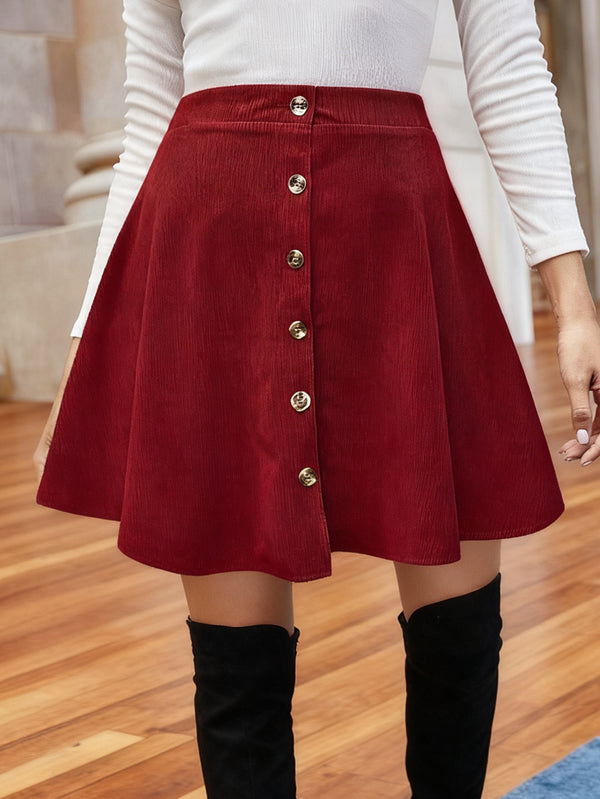
Dann gibt es die satten Juwelenfarben: Ochsenblutrot, Waldgrün, Pflaume und Senf verwandeln ein schlichtes schwarzes Kleid in ein Outfit mit einer Aussage. Wenn farbige Strumpfhosen wie ein Sprung ins Ungewisse wirken, beginnen Sie Ton-in-Ton – bordeauxfarbene Strumpfhosen zu einem weinroten Rock –, damit die Farbe als bewusst und nicht als kontrastreich wahrgenommen wird. Eine praktische Anmerkung: Sättigte Farben zeigen Belastungen leichter als Schwarz, also gehen Sie eine Denier-Stufe höher (80D statt 60D), um den Farbton am Oberschenkel gleichmäßig zu halten.
Pflege und Langlebigkeit: So halten gute Strumpfhosen über Jahre hinweg
Qualitätsstrumpfhosen sind eine Investition, und ein paar kleine Gewohnheiten verlängern ihre Lebensdauer. Die meisten vorzeitigen Strumpfhosen-Tode passieren beim Waschen oder in den ersten dreißig Sekunden beim Anziehen – beides ist vollständig vermeidbar.
Waschen: sanft ist nicht optional
Handwäsche in kaltem Wasser mit mildem Waschmittel ist der Goldstandard. Tauchen Sie sie ein, schwenken Sie sie sanft, spülen Sie sie aus, dann drücken – niemals wringen – Sie das Wasser zwischen zwei Handtüchern heraus und legen Sie sie flach zum Trocknen, fern von Heizkörpern und direkter Sonneneinstrahlung. Wenn Handwäsche in Ihrem Alltag nicht möglich ist, verwenden Sie einen Reißverschluss-Wäschebeutel, kaltes Wasser und den Schonwaschgang, und verzichten Sie vollständig auf den Trockner; Hitze kocht langsam die Elastizität aus Elastan heraus. Und lassen Sie den Weichspüler im Regal: Weichspüler ummantelt und zersetzt elastische Fasern, wodurch Strumpfhosen mit jeder Wäsche ausgeleierter und schwächer werden.
Der Gefrier-Mythos, entlarvt
Sie haben vielleicht gehört, dass das Einfrieren neuer Strumpfhosen – sie anfeuchten und über Nacht in den Gefrierschrank legen – die Fasern stärkt und Laufmaschen verhindert. Das ist ein charmanter Ritus ohne Grundlage in der Textilwissenschaft. Das Einfrieren hat keinerlei Auswirkungen auf die Polymerstruktur von Nylon oder Elastan, und wiederholte Gefrier-Tau-Feuchtigkeitszyklen sind, wenn überhaupt, eher etwas schädlich für die Fasern. Was Laufmaschen tatsächlich verhindert: die richtige Größe kaufen, damit der Stoff nicht überdehnt wird, eine höhere Denier-Zahl wählen, Zehennägel glatt halten und Strumpfhosen richtig anziehen. Bewahren Sie Ihren Gefrierschrank für Eiscreme auf.
Wie man Strumpfhosen anzieht, ohne Laufmaschen zu bekommen
Das Anziehen von Strumpfhosen wie Hosen ist die Ursache für die meisten Laufmaschen beim ersten Tragen. Die zuverlässige Methode dauert zwanzig Sekunden: Setzen Sie sich, nehmen Sie Ringe ab und raffen Sie ein ganzes Strumpfhosenbein vom Bund bis zur Spitze zu einem „Donut“ über Ihre Daumen. Stecken Sie Ihren Zeh in die Zehenöffnung, setzen Sie die Zehennaht richtig ein und rollen Sie den Stoff schrittweise am Bein und Oberschenkel hoch, dabei verwenden Sie flache Handflächen statt Fingerspitzen. Wiederholen Sie den Vorgang mit dem zweiten Bein, dann stehen Sie auf und ziehen Sie den Körper über die Hüften, wobei der Bund an Ihrer natürlichen Taille sitzt und der Zwickel richtig platziert ist. Die gleichmäßige Verteilung des Stoffes bedeutet keine überdehnten Zonen, weniger Laufmaschen und kein Verrutschen während des Tages.

So stylen Sie blickdichte Strumpfhosen: Büro, Casual, Ausgehen und tiefer Winter
Blickdichte Strumpfhosen sind das vielseitigste Übergangsstück in einer kühl-nassen Garderobe – sie ermöglichen es Ihnen, Ihre Röcke und Kleider zehn Monate im Jahr statt vier zu tragen. Hier erfahren Sie, wie Sie sie überall einsetzen können.
Im Büro
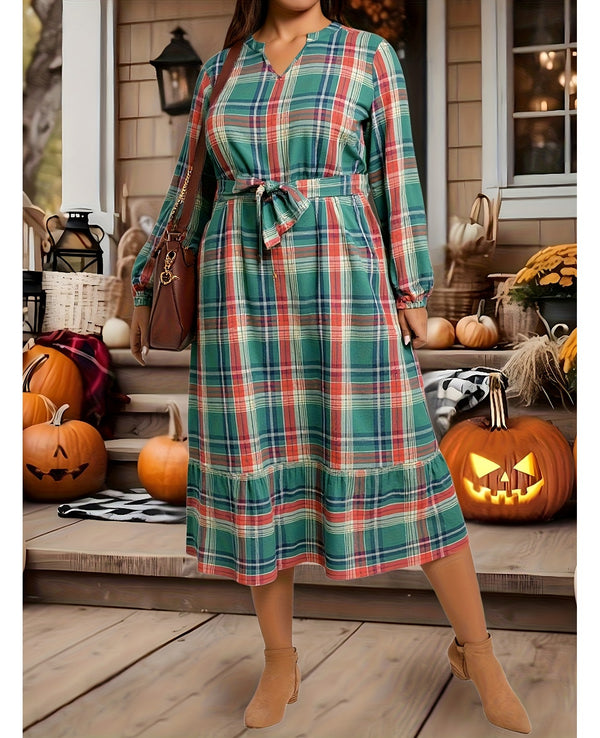
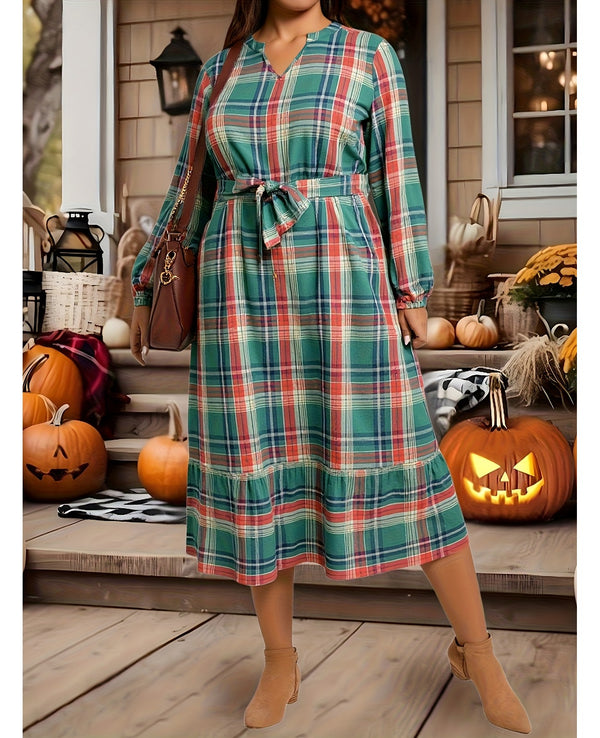
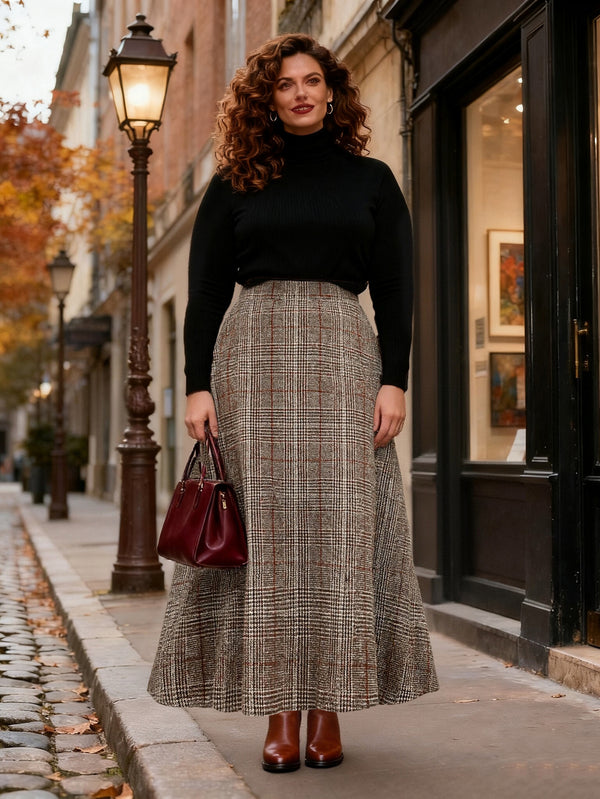
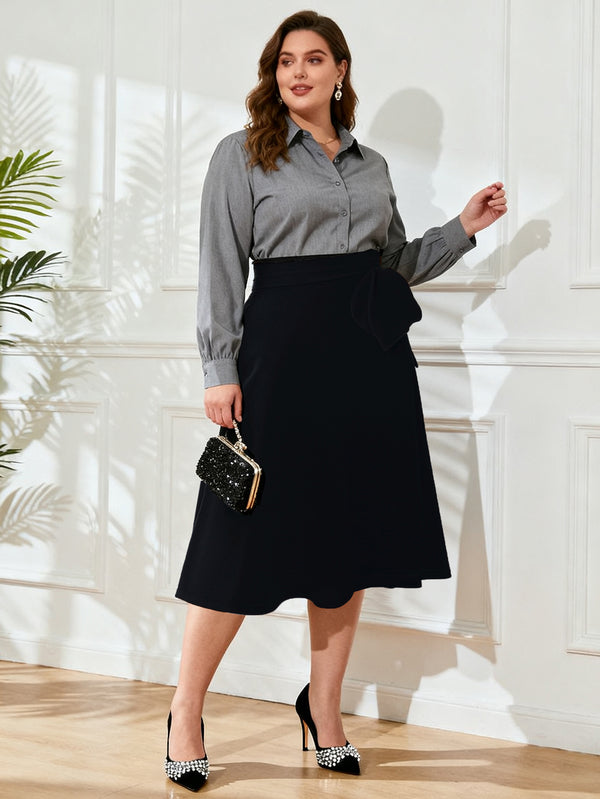
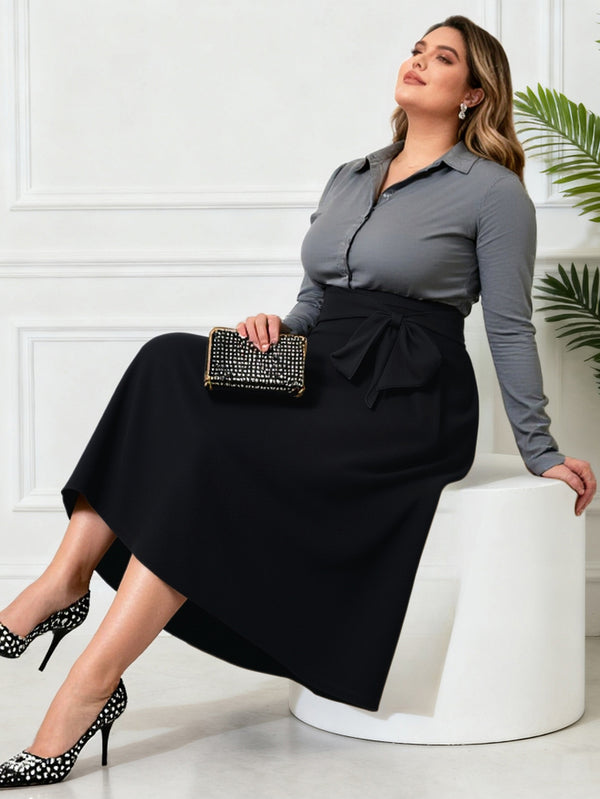
Matte 60–80D schwarze oder anthrazitfarbene Strumpfhosen mit einem Midirock und einem eingesteckten Strickteil ist eine ewig-elegante Formel. Passen Sie Ihre Strumpfhosen an Ihre Schuhe an (schwarze Strumpfhosen, schwarze Stiefeletten oder Loafer) für eine durchgehende Linie, die stromlinienförmig und gepflegt wirkt, oder passen Sie Strumpfhosen an die Saumfarbe an für einen weicheren Säuleneffekt. Bei Etui- und Wickelkleidern verleihen blickdichte Strumpfhosen genau die Bedeckung und Struktur, die ein Sommerkleid im November bürotauglich macht.
Lässige Wochenenden
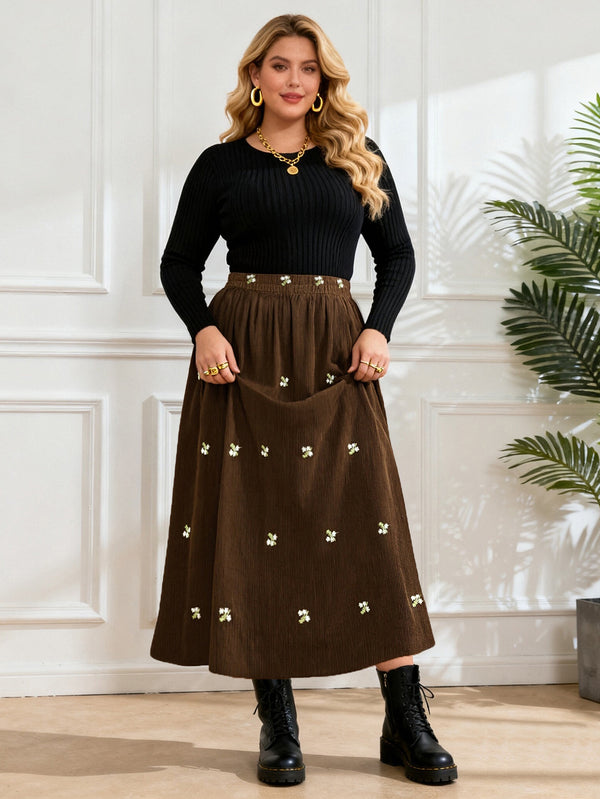
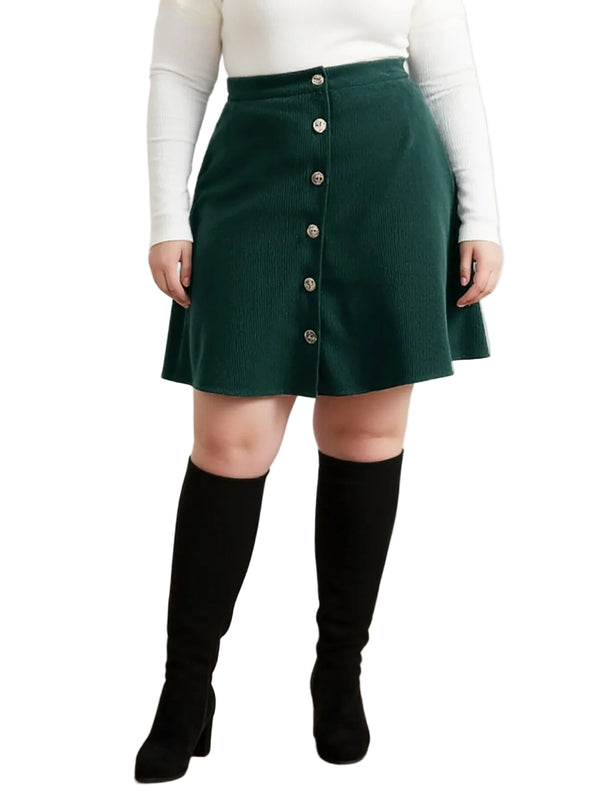
Blickdichte Strumpfhosen unter Jeans- oder Cordröcken mit klobigen Turnschuhen oder Kampfstiefeln sind ein einfacher, aktueller Look. Probieren Sie 80D Strumpfhosen mit knielangen Shorts und einem Oversized-Pullover – die Shorts-über-Strumpfhosen-Formel ist bequem, verspielt und wild praktisch für den Herbst. Tuniken und Longline-Hemden über blickdichten Strumpfhosen mit flachen Stiefeln verleihen Ihnen eine entspannte Silhouette ohne viel Aufwand.
Ausgehen
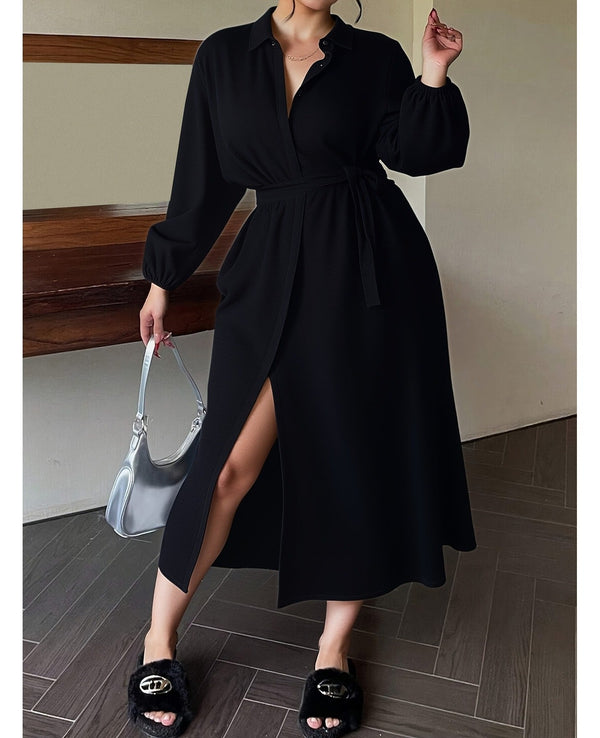
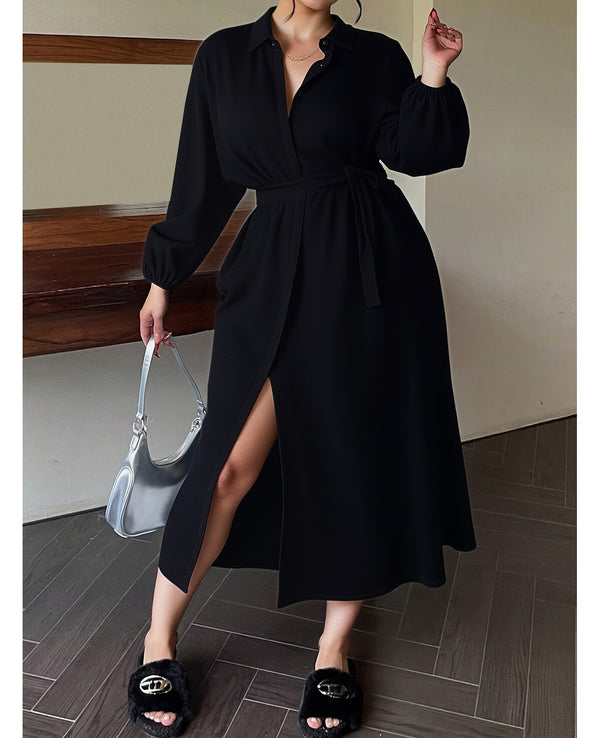
Hier kommen Farbe und Textur ins Spiel. Ochsenblutrote oder pflaumenfarbene Strumpfhosen zu einem schwarzen Slipdress und Stiefeln mit Absatz verleihen Ihrem Look eine ganz eigene Persönlichkeit. Tiefschwarze 100D Strumpfhosen lassen Pailletten- oder Metallic-Miniröcke geerdet und tragbar wirken, anstatt prekär. Wenn der Abend Tanzen beinhaltet, wählen Sie ein hochtailliertes Modell mit breitem Bund – Sie sollen an die Musik denken, nicht an Ihren Bund.
Winter-Layering
Wenn die Temperaturen richtig fallen, schichten Sie clever: Eine Thermo- oder Fleece-gefütterte Strumpfhose unter einer weiten Hose oder einem langen Wollrock sorgt für ernsthafte Wärme ohne sichtbares Volumen, und Fleece-gefütterte Modelle in 200D+ ermöglichen es Ihnen, Kleider bis in den Januar hinein zu tragen. Ziehen Sie hohe Stiefel und Wollsocken über Ihre Strumpfhose – die Socken-über-Strumpfhose-Schicht speichert Wärme und verhindert, dass die Stiefel reiben. An den kältesten Tagen ist eine blickdichte Strumpfhose unter Jogginghosen auf dem Schulweg oder beim Hundespaziergang die Art von unglamourösem Geniestreich, den niemand sieht und den Sie nie mehr aufgeben werden.
Häufig gestellte Fragen
Welche Denier-Zahl sollte ich für blickdichte Strumpfhosen in Übergröße wählen?
Für eine zuverlässige alltägliche Blickdichte an kurvigen Beinen beginnen Sie bei 60D und betrachten 80D als Ihre sicherste Wahl – sie bleibt auch bei Dehnung über volleren Oberschenkeln wirklich blickdicht und hält deutlich länger als leichtere Gewichte. Wählen Sie 100D+ oder Fleece-gefütterte Modelle für Winterwärme und behandeln Sie 40D bei Plus-Size-Körpern als halb-blickdicht.
Wie verhindere ich, dass meine Strumpfhose am Bund herunterrutscht?
Das Herunterrollen ist fast immer ein Passform- und Designproblem, kein Körperproblem. Wählen Sie eine größere Größe, wenn Sie zwischen zwei Größen liegen, wählen Sie einen hochtaillierten Stil mit einem breiten, gestrickten Komfortbund und achten Sie auf Muster, die speziell für Plus-Size-Proportionen mit ausreichender Oberkörperlänge geschnitten sind. Ein richtig sitzendes Paar, das an Ihrer natürlichen Taille verankert ist, sollte den ganzen Tag lang beim Sitzen, Gehen und Treppensteigen an Ort und Stelle bleiben.
Kann ich meine blickdichte Strumpfhose in der Maschine waschen?
Handwäsche verlängert ihre Lebensdauer am meisten, aber ja – wenn Sie einen Wäschebeutel aus Netzstoff, kaltes Wasser und den Schonwaschgang verwenden. Niemals im Trockner trocknen und niemals Weichspüler verwenden, da dieser das Elastan zersetzt, das der Strumpfhose ihre Dehnbarkeit und Rückstellkraft verleiht. Flach an der Luft trocknen, fern von direkter Hitze.
Passen blickdichte Strumpfhosen zu offenen oder Riemchensandalen?
Ja, das geht. Blickdichte Strumpfhosen mit Sandalen-Zehen (ohne verstärkte Zehennaht) wirken in Peeptoe-Stiefeletten und Mules gewollt, und matte schwarze Strumpfhosen mit schwarzen Riemchensandalen wirken elegant und modern. Die alte Regel „keine Strumpfhosen zu offenen Schuhen“ ist längst überholt – tragen Sie die Kombination selbstbewusst und achten Sie einfach darauf, dass die Zehennaht, falls vorhanden, glatt sitzt.
Unterm Strich: Gute blickdichte Strumpfhosen zeichnen sich durch überprüfbare Details aus – das richtige Denier, die richtige Größe nach Körpergröße und Gewicht mit einer Tendenz zur größeren Größe, ein richtiger Zwickel, ein breiter, hochgeschnittener Bund und sanfte Pflege. Wenn Sie diese fünf Dinge richtig machen, wird die Strumpfhose zu einem stillen Arbeitstier, das Ihre gesamte Kaltwettergarderobe trägt, mit Komfort, der vom ersten Kaffee bis zur letzten Heimfahrt hält.