Große Größen Latzhosen für jeden Figurtyp: Apfel, Birne, Sanduhr und Rechteck
Sep 14, 2026

Es gibt keinen falschen Körper für Plus Size Overalls
Jeder Körper kann Plus Size Overalls wunderschön tragen. Punkt. Der Grund, warum manche Leute eine frustrierende erste Anprobe haben, ist nicht ihre Figur, sondern dass sie ein Paar anprobiert haben, das für andere Proportionen gemacht ist. Overalls sind ein strukturiertes Kleidungsstück, und Struktur reagiert auf Passform. Sobald Sie die vier Hebel verstehen, die bestimmen, wie ein Paar sitzt, hört das Einkaufen auf, ein Glücksspiel zu sein, und wird zu einer Checkliste.
Dieser Leitfaden ist um vier gängige Körperformen herum aufgebaut: Apfel, Birne, Sanduhr und Rechteck. Keines davon ist eine Regel darüber, wer Sie sind oder was Sie tragen sollten. Es sind lediglich Kurzformen dafür, wo ein Kleidungsstück an Ihrem Körper sitzt, spannt und fällt. Nutzen Sie den Abschnitt, der sich nach Ihnen anhört, als Ausgangspunkt, nehmen Sie dann, was nützlich ist, und lassen Sie den Rest. Ihr eigenes Wohlbefinden im Spiegel ist immer wichtiger als jeder Stilrat, einschließlich unseres.
Da dies ein Herbstführer ist, tendiert jede Empfehlung zum gemütlichen Ende des Kleiderschranks: Cord, mittelschwere und schwerere Denims, warme Schichten und Stiefel. Wenn Sie stattdessen einen Ausgangspunkt für den Sommer suchen, sind die Prinzipien die gleichen, aber die Stoffe sind leichter. So oder so ist das Ziel dieses Leitfadens, Ihnen zu helfen, eine Umkleidekabine zu betreten und genau zu wissen, worauf Sie achten müssen.
Das Beste, was Sie vor dem Einkaufen tun können, ist, sich zwei Zahlen zu merken: Ihren natürlichen Taillenumfang und die Länge von Ihrer Schulter bis zu Ihrer natürlichen Taille. Diese beiden Maße sagen Ihnen, wo ein Latz landen wird und wie die Träger eingestellt werden sollten, und sie werden den Rest dieses Leitfadens wesentlich nützlicher machen.
Noch etwas, bevor wir anfangen. Ein gut gemachter Plus Size Overall sollte sich beim ersten Tragen gut anfühlen, nicht erst nach einer Woche des Einlaufens. Wenn Sie mit einem steifen Bund verhandeln oder an einem Träger ziehen müssen, ist das eine nützliche Information, kein persönliches Versagen. Das richtige Paar wird sich anfühlen, als wäre es für Sie maßgeschneidert, und es ist da draußen.
Die vier Passform-Hebel: Latzhöhe, Träger, Leibhöhe und Beinform
Overalls sehen kompliziert aus, aber sie haben tatsächlich nur vier verstellbare Teile, die wichtig sind. Wenn Sie lernen, wie sich jeder einzelne verhält, können Sie vor dem Anprobieren vorhersagen, wie sich jedes Paar anfühlen wird.
Latzhöhe
Der Latz ist die Platte über Ihrer Brust. Seine Höhe bestimmt, wo der visuelle Fokus liegt und wie lang Ihr Oberkörper erscheint. Ein hoher Latz erzeugt eine lange untere Hälfte und einen kürzeren Oberkörper. Ein mittelhoher Latz ist am universellsten und am einfachsten darunter zu tragen. Ein niedriger Latz verlängert den Oberkörper und sitzt näher an der natürlichen Taille. Ihre Schulter-Taille-Messung ist der beste Anhaltspunkt dafür, welche Latzhöhe dort landet, wo Sie es erwarten.
Trägerverstellung
Träger sind der Einstellknopf. Gute Overalls verwenden Metallschnallen mit mehreren Zentimetern Verstellmöglichkeit, keine festen oder elastischen Träger. Ziehen Sie sie so fest, dass der Latz flach auf Ihrer Brust anliegt, ohne sie zu komprimieren, und prüfen Sie, ob Sie beide Arme anheben können, ohne dass das gesamte Kleidungsstück hochrutscht. Wenn die Träger immer noch von den Schultern rutschen, ist eine Überkreuzung am Rücken oder eine versteckte Nadel unter dem Latz eine schnelle Lösung.
Leibhöhe und Taillenposition
Die Leibhöhe bestimmt, wo der Bund Ihre Mitte kreuzt. Eine höhere Leibhöhe bietet mehr Abdeckung und eine glattere Linie im Mittelteil. Eine niedrigere Leibhöhe sitzt näher an der Hüfte und kann an warmen Tagen kühler sein. Im Herbst bevorzugen die meisten Menschen eine mittlere bis hohe Leibhöhe, da sie sich besser über Leggings und Thermounterwäsche schichten lässt.
Beinform
Die Beinform trägt mehr zur Gesamtsilhouette bei als jedes andere Merkmal. Ein weites Bein schafft eine lange vertikale Säule und viel Bewegung. Ein gerades Bein ist sauber und klassisch. Ein zulaufendes Bein ist am figurbetontesten und am wenigsten verzeihend an den Oberschenkeln, also wenn Sie es bequem haben wollen, lassen Sie es weg. Die Beinform, die Sie wählen, sollte dazu passen, wie Sie sich durch Ihren Tag bewegen möchten.
Zuhause messen
Stellen Sie sich vor einen Spiegel und finden Sie den schmalsten Punkt Ihres Oberkörpers, das ist Ihre natürliche Taille. Messen Sie von der Oberkante Ihrer Schulter bis zu diesem Punkt für Ihre Latzreferenz und messen Sie Ihren Taillen- und Hüftumfang für die Größe. Schreiben Sie beide Zahlen auf. Wenn Sie Plus-Size-Overalls mit diesen Maßen in der Hand kaufen, wird der Vergleich von zwei Größen zu einer Zwei-Sekunden-Entscheidung statt eines Ratespiels.
Beachten Sie, dass diese vier Hebel miteinander interagieren. Eine höhere Leibhöhe passt natürlich zu einem weiteren Bein, während eine niedrigere Leibhöhe am besten zu einem geraderen Bein aussieht. Wenn sich ein Paar nicht richtig anfühlt und Sie nicht sagen können, warum, ändern Sie einen Hebel nach dem anderen, und die Antwort erscheint normalerweise schnell.
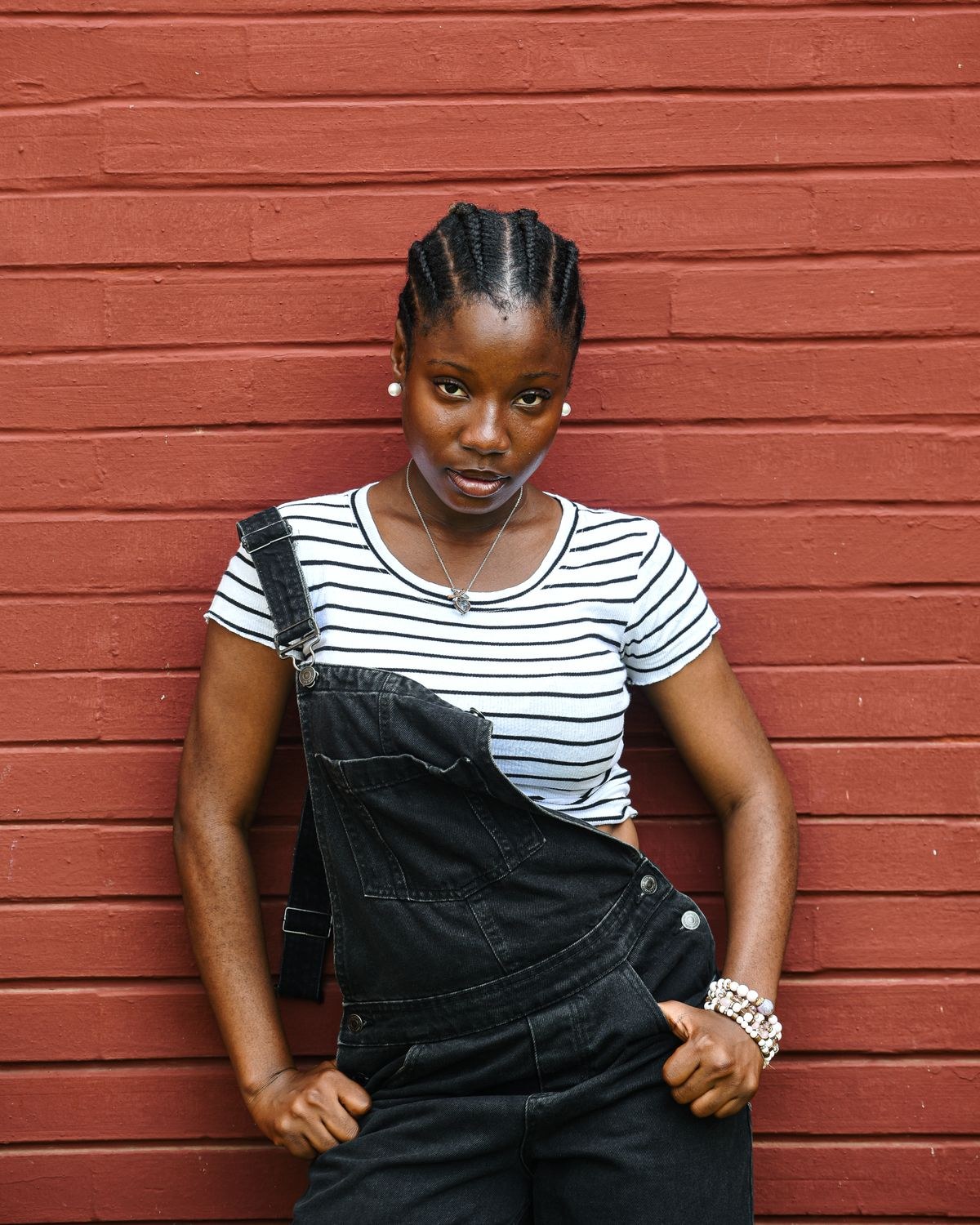
Apfelformen: Struktur, wo Sie sie wollen
Wenn Ihr Mittelteil der vollste Teil Ihres Körpers ist und Ihre Schultern und Beine relativ schmaler sind, haben Sie eine Apfelform. Das Ziel bei Overalls ist einfach: eine klare vertikale Linie schaffen, das Bein glatt fallen lassen und Struktur statt Einengung nutzen.
Worauf zu achten ist
Wählen Sie einen mittelhohen bis hohen Latz, der flach und glatt über der Brust sitzt, und eine Leibhöhe, die auf oder knapp über Ihrer natürlichen Taille sitzt, anstatt den mittleren Teil Ihres Oberkörpers zu durchschneiden. Ein weites oder gerades Bein hält die Linie lang und gleicht den Oberkörper aus. Eine nahtlose Vorderseite oder eine mit minimalen Taschen und Falten am Bauch hält den Bereich glatt.
Was Sie vermeiden sollten, wenn möglich
Sehr niedrige Leibhöhen und enge Bünde neigen dazu, Druck und eine horizontale Linie genau dort zu erzeugen, wo Sie sie nicht haben wollen. Extrem zulaufende Beine kippen auch das Gleichgewicht nach oben, was die gesamte Silhouette kopflastig wirken lassen kann. Keines ist verboten, aber beides erfordert normalerweise mehr Styling, um ausgewogen zu wirken.
Styling für Balance
Denim-Gewicht ist wichtig für Apfelformen
Ein mittelschwerer Denim mit einem kleinen Stretchanteil ist die ideale Wahl für eine Apfelform. Er hält eine glatte Linie, ohne zu kneifen, und beult an der Taille auch nach ein paar Stunden Tragen nicht aus. Ein sehr schwerer, steifer Denim kann vom Körper abstehen und steif wirken, während ein sehr dünner kleben kann. Die goldene Mitte ist der Bereich, in dem sich der Komfort befindet.
Tragen Sie einen taillierten Rollkragenpullover oder einen glatten V-Ausschnitt unter dem Latz, um den Blick nach oben zu lenken, und wählen Sie einen kurzen Cardigan über dem Latz für Wärme ohne aufzutragen. Ein Stiefel oder eine Clogs mit etwas Gewicht unter dem weiten Bein erden das ganze Outfit. Halten Sie die Basisschichten dünn und die äußeren Schichten strukturiert, und Sie werden den Unterschied sofort spüren.
Birnenformen: Hüfte und Schulter ausgleichen
Wenn Ihre Hüften und Oberschenkel voller sind als Ihre Schultern und Brust, haben Sie eine Birnenform. Overalls passen wunderbar zu dieser Form, da der Latz auf natürliche Weise visuelles Interesse am Oberkörper weckt, während das Bein über die Hüfte fließen kann, ohne zu spannen.
Worauf zu achten ist
Suchen Sie nach einem Latz, der etwas höher reicht, oder einem Oberteil mit einem Detail an der Brust, wie einer Tasche oder einem geformten Ausschnitt, um den Blick nach oben zu lenken. Ein weiteres, gerades oder leicht ausgestelltes Bein umspielt Hüfte und Oberschenkel sanft, anstatt zu spannen. Ein Stoff mit etwas Elasthan sorgt dafür, dass die Hüfte bequem sitzt, ohne zu drücken.
Was Sie vermeiden sollten, wenn möglich
Ein sehr schmales Bein oder ein steifer, wenig dehnbarer Denim kann an den Oberschenkeln straff ziehen und Spannungslinien erzeugen. Ein zu kleiner Latz kann den Oberkörper im Kontrast auch schmaler wirken lassen, überprüfen Sie daher die Brustpassform vor dem Kauf sorgfältig.
Styling für Balance
Taschenplatzierung am vorderen Latz
Eine Latztasche befindet sich genau dort, wo das Auge landet, daher lohnt es sich zu überlegen, wo sie platziert ist. Eine etwas höher positionierte Tasche lenkt die Aufmerksamkeit auf die Brust und weg von der Hüfte, während eine mittige Tasche an einem niedrigeren Latz in der Mitte Gewicht hinzufügen kann. Für eine Birnenform funktionieren sowohl eine höhere Tasche als auch ein sauberer Latz ganz ohne Tasche gut, und ein geformter Ausschnitt kann die gleiche aufwärts gerichtete Wirkung sogar noch eleganter erzielen.
Fügen Sie dem oberen Bereich visuelles Gewicht hinzu mit einem Schal, einem auffälligen Kragen oder einem strukturierten Pullover in einer helleren Farbe. Wählen Sie Schuhe mit etwas Substanz, wie einen klobigen Sneaker oder eine Plateau-Clogs, und halten Sie den Saum sauber, damit die Beinlänge erhalten bleibt. Struktur oben, Fluss unten ist das Prinzip, das eine Birnenform in Overalls zum Strahlen bringt.
Sanduhrformen: Die Taille betonen
Wenn Ihre Schultern und Hüften ähnlich breit sind und Sie eine deutlich definierte Taille haben, haben Sie eine Sanduhrform. Overalls können diese Taille manchmal aufgrund des geraden Latzes verdecken, daher ist das Ziel, eine gewisse Definition zu erhalten, anstatt eine lange, durchgehende Säule zu bilden.
Worauf zu achten ist
Wählen Sie Overalls mit einer leicht geformten Taille oder einer Nahtkonstruktion, die Ihre natürliche Linie berücksichtigt, und stellen Sie die Träger so ein, dass der Latz Ihrem Oberkörper folgt, anstatt lose herunterzuhängen. Ein gerades oder weites Bein funktioniert gut, und ein mittelhoher Latz hält die Proportionen ausgewogen. Stretch-Denim, der in seine Form zurückfedert, ist hier Ihr Freund.
Was Sie vermeiden sollten, wenn möglich
Ein Latz, der viel zu weit ist, oder eine Taille, die mehrere Zentimeter von Ihrem Körper absteht, kann das gesamte Outfit formlos wirken lassen. Sehr kastige Beinformen können auch die bereits vorhandene Kurve abflachen. Sie müssen nicht einschnüren oder quetschen, Sie möchten lediglich, dass das Kleidungsstück der Linie folgt, die Ihr Körper bereits zeichnet.
Styling für Balance
Saumlänge und die Sanduhrlinie
Da eine Sanduhrform bereits eine klare Taille hat, ist der Saum der letzte Punkt, an dem ein Plus-Size-Overall die Proportionen durcheinanderbringen kann. Ein Saum, der direkt am breitesten Teil des Knöchels endet, kann das Bein verkürzen, daher sollte der Saum auf oder knapp über dem Schuh liegen. Ein weites Bein aus einem fließenden Stoff verlängert die Linie, während ein sehr steifer Stoff seine Form behält und kastig wirken kann. Lassen Sie den Stoff sich bewegen, und die Linie wird folgen.
Ein über dem Latz oder an der Taille getragener Gürtel sorgt für eine klare Definition. Ein figurbetonter Pullover, der genau an der Taille steckt, oder ein kurzer Layer, der dort endet, lässt die Sanduhrform sichtbar bleiben. Da Ihre Proportionen von Natur aus ausgewogen sind, können Sie sowohl einen lässigen als auch einen eleganteren Look wählen, und beides wird funktionieren.
Rechteckformen: Bewegung und Linie schaffen
Wenn Ihre Schultern, Taille und Hüften eine ähnliche Breite haben und die Taille weniger definiert ist, haben Sie eine Rechteckform. Overalls passen wunderbar zu einer Rechteckform, da sie Struktur und Form verleihen, wo der Körper sie nicht von selbst definiert.
Worauf zu achten ist
Ein weites oder voluminöses Bein verleiht einer geraden Silhouette Bewegung und Weichheit, und ein mittelhoher Latz gibt dem Oberkörper eine klare Form. Details wie eine große Tasche, eine Naht oder ein definierter Bund setzen Akzente. Stoffe mit Fall, wie eine Tencel-Mischung oder ein weicher Cord, verleihen der Linie etwas Kurve und Fluss.
Was Sie vermeiden sollten, wenn möglich
Ein sehr gerades, steifes Bein und eine völlig flache Vorderseite können starr wirken, und ein sehr niedriger Latz kann den Oberkörper als einen langen, ununterbrochenen Block erscheinen lassen. Keines davon ist ein Problem, das behoben werden muss, es geht einfach darum, ein wenig Form und Textur hinzuzufügen.
Styling für Balance
Eine visuelle Taille schaffen
Wenn Sie einer Rechteckform ein Gefühl von Kurven verleihen möchten, ist der schnellste Weg eine optische Taille. Ein Gürtel über dem Latz, ein eingesteckter Layer in der Mitte oder ein kurzer Layer, der an Ihrer natürlichen Taille endet, erzeugen diesen Effekt. Sie ändern nicht Ihre Form, Sie geben dem Auge einfach einen Punkt, an dem es verweilen kann. Diese kleine Pause ist es, die ein Outfit ausgewogen wirken lässt, anstatt gerade und aufrecht.
Verwenden Sie Lagen, um Dimensionen aufzubauen: Ein Rollkragenpullover, ein kurzer Pullover und ein Gürtel an der Taille können alle Interesse und ein Gefühl von Kurve erzeugen. Ein Knoten oder ein eingesteckter Layer in der Mitte sorgt für Definition. Wählen Sie Schuhe, die die Breite des Beins widerspiegeln, damit das gesamte Outfit geerdet und ausgewogen wirkt.
Eine Herbst-Kapsel um Ihre besten Overalls herum
Sobald Sie wissen, welcher Schnitt zu Ihrer Figur passt, ist der Aufbau einer kleinen Herbst-Kapsel darum herum der schnellste Weg, sich jeden Tag wohlzufühlen. Sie brauchen keine große Garderobe, nur eine Handvoll Kleidungsstücke, die alle zu den Overalls passen.
Die Kernstücke
Zwei dünne Basisschichten, ein fein gerippter Rollkragenpullover, ein figurbetonter Pullover, ein kurzer Cardigan oder eine Weste, eine Jacke, die auf Hüfthöhe endet, und ein Paar Stiefel oder Clogs. Das reicht aus, um aus einem einzigen Overall mindestens eine Woche lang verschiedene Outfits zu kreieren.
Farbstrategie
Wählen Sie eine neutrale Grundpalette – Creme, Haferflocken, Olive, Marineblau oder Schwarz – und lassen Sie die Overalls den Anker bilden. Wenn Sie einen Farbtupfer wünschen, setzen Sie ihn in die Schicht, die die Leute am meisten sehen, wie den Rollkragenpullover oder den Schal. Ein tonales Outfit wirkt selbst dann durchdacht, wenn es keine Mühe gekostet hat.
Stoff und Pflege
Herbststoffe wie Cord und mittelschwerer Denim behalten ihre Form und wärmen. Overalls auf links in kaltem Wasser waschen, zum Trocknen aufhängen oder flach hinlegen und, wo möglich, dämpfen statt bügeln. Cord sollte in Richtung des Flors gebürstet werden, um die Textur gleichmäßig und die Farbe satt zu halten.
Noch ein letzter Gedanke zur Passform: Überprüfen Sie immer die Trägerbefestigung vor dem Kauf. Eine verstärkte Schnalle und ein Metallversteller halten wesentlich länger als ein genähter oder elastischer Träger, und sie ermöglichen es einem Overall, sich an die Schichtung im Laufe der Saison anzupassen. Es ist ein kleines Detail, das bis November einen großen Unterschied macht.
Wenn Sie Schnitte und Waschungen an einem Ort vergleichen möchten, erleichtert das Durchstöbern von Plus-Size-Overalls neben unserem Sortiment an Plus-Size-Unterteilen den Überblick, wie sich Leibhöhe und Beinform von Paar zu Paar unterscheiden.

FAQ: Plus Size Overalls nach Körperform auswählen
Was ist die beste Latzhöhe für eine Apfelform?
Eine mittelhohe bis hohe Latzhöhe funktioniert in der Regel am besten für eine Apfelform, da sie flach über der Brust sitzt und eine glatte vertikale Linie erzeugt. Kombinieren Sie sie mit einer mittelhohen bis hohen Leibhöhe, sodass der Bund an oder knapp über Ihrer natürlichen Taille sitzt, anstatt durch die Mitte des Oberkörpers.
Sehen Birnenformen in weiten Overalls gut aus?
Ja, sehr sogar. Ein weites oder gerades Bein umspielt Hüfte und Oberschenkel, ohne zu kneifen, und der Latz lenkt das Interesse auf den Oberkörper. Fügen Sie einen Schal oder eine strukturierte Oberschicht hinzu, um den Blick auszugleichen, und wählen Sie Schuhe mit etwas Gewicht, um den weiten Saum zu erden.
Wie behalte ich meine Taillendefinition in Overalls, wenn ich eine Sanduhrform habe?
Wählen Sie ein Modell mit leicht geformter oder genähter Taille, stellen Sie die Träger so ein, dass der Latz Ihrem Oberkörper folgt, und fügen Sie einen Gürtel über dem Latz oder an der Taille hinzu. Eine figurbetonte oder verkürzte Schicht, die an der Taille endet, lässt die Definition ebenfalls sichtbar bleiben.
Sind Overalls eine gute Wahl für eine Rechteckform?
Sie eignen sich hervorragend für eine Rechteckform, da sie Struktur und Form verleihen. Wählen Sie ein weiteres Bein für mehr Bewegung, einen mittelhohen Latz und fließende Stoffe, und verwenden Sie dann Lagen und einen Gürtel, um der Taille Dimension zu verleihen. Eine große Latztasche oder eine geformte Naht kann auch das visuelle Interesse wecken, das eine gerade Silhouette oft benötigt.