Choosing compression socks for large calves with ankle boots means checking two garments that meet at a surprisingly busy part of your outfit. Your socks need to fit your feet and legs according to their own instructions. Your boots need enough room for those exact socks, with an opening that feels comfortable when your ankles bend. Neither piece should have to compensate for the other.
A pair of boots can look roomy at the top and still feel crowded across the foot. Equally, a beautifully fitting sock can catch on a rough boot lining. Those small details deserve attention before you decide that the combination simply does not work for your body. Full calves, broad feet, high insteps, and different leg lengths are ordinary variations, not styling problems to hide.
This guide focuses on everyday clothing fit and dressing choices, rather than medical benefits. If you need advice about compression suitability, pressure levels, circulation concerns, or prolonged wear, consult a qualified healthcare professional. Follow any individual instructions you have received. An attractive boot-and-sock combination cannot establish that compression is appropriate for you.
Let the sock fit and the boot fit answer different questions
Begin with the socks on their own, before adding footwear. Use the manufacturer's measurement method and complete size chart, including calf, ankle, foot, and length information where provided. Shoe size alone cannot describe how a knee-high sock will fit a full calf. A larger foot size also does not automatically provide a wider calf or a shorter leg section.
Check both legs rather than assuming one measurement represents both. If your measurements cross several size ranges, ask the seller or a qualified fitter for clarification instead of choosing the most convenient label. Maximum fabric stretch is not the same thing as the manufacturer's recommended fit range. A photograph of a stretched sock cannot replace that information.
Once the socks are correctly positioned, notice whether the heel sits where intended, the foot fabric is smooth, and the top reaches its designed position without folding. Follow the garment instructions rather than stretching the cuff higher to change its appearance. If the socks already feel uncomfortable without boots, pause there. Footwear is not a way to secure a slipping sock or disguise an unsuitable fit.
For your search, the plus-size compression sock collection provides a starting point for comparing available designs. Read each product's own sizing and construction details; sharing a collection does not mean every pair has the same dimensions, thickness, or closure.
Now assess the boot separately. Its listed size usually tells you little about shaft shape, instep room, or lining thickness. A familiar pair that feels fine with thin ordinary socks still needs a fresh check with your chosen compression socks. Keep the two decisions distinct: a sock should suit your leg, and a boot should accommodate the correctly fitted sock.
When asking a footwear seller for measurements, explain which part of the boot concerns you. Opening circumference and shaft height are useful starting points, but ask how they were measured and whether the boot was fastened. A measurement around the outside includes the material itself; it does not directly describe the space available for your leg inside.
Look inside the boot before adding your foot
The inside of an ankle boot deserves as much attention as its leather or suede exterior. Open the fastening fully and look for lining seams, exposed zipper edges, stiff folds, loose threads, or a worn patch around the heel. Feel accessible surfaces gently with your hand. Avoid dragging delicate knit across a rough area to see whether it catches.
Check the footbed too. An insole that has curled at the edge can feel like a wrinkle in your sock. A loose lining can bunch beneath your foot as you step in. If you assume every raised spot comes from the hosiery, you can spend a lot of effort adjusting the wrong item. Remove the boot and identify the source before trying again.
Consider the space across the instep, the upper part of your foot beneath the boot's tongue or vamp. A wide opening around the ankle does not guarantee room here. Thick lining, decorative overlays, or a low vamp can occupy space even when the boot appears generous from outside. Simply choosing a larger shoe size can introduce heel movement without solving that particular shape mismatch.
Inspect how the fastening is shielded from the sock. A boot zipper with a smooth protective backing presents a different contact surface from exposed teeth. Lace-up boots offer adjustment, but a narrow tongue or a stiff seam can still feel intrusive. Neither closure type guarantees a good match. Examine the actual pair instead of relying on a general rule about which style is best.
If the inside is damaged, repair or replace the footwear as appropriate before using it with delicate hosiery. Avoid improvised padding that creates another ridge or takes away foot space. You are looking for an intact, comfortable interior, not a workaround that needs constant rearranging.
A removable insole also has a role in the boot's intended fit. Do not remove one merely to create space without checking the footwear instructions or getting appropriate fitting advice. You could change heel position and how the shaft meets your ankle. A different boot shape is often a clearer comparison than altering several parts of one pair.

Check where the boot opening meets your moving ankle
Ankle boots vary considerably in shaft height and shape. One opening sits near the ankle bones; another reaches farther up the lower leg. The edge can be straight, curved, softly padded, or relatively stiff. These differences matter because the opening changes its relationship to your leg when you sit, stand, or bend your ankle.
Put on the correctly fitted socks, then the boots, using a stable seat and any usual dressing support you need. Close the boots without forcing the zipper or pulling the laces unusually tight. Notice whether the opening meets a seam, a folded lining edge, or a zipper pull on the sock. If you wear zippered compression socks, assess both closures together rather than assuming the boot will cover any awkward contact.
While seated, place your feet comfortably on the floor. Gently change your ankle angle within your usual comfortable range. Does the front edge press into a crease? Does the back of the shaft catch the sock as your heel shifts? A boot that looks smooth while you stand perfectly still can feel quite different in a chair.
There is no universal finger-width test or fixed amount of visible sock that proves this interface is right. Bodies, boot structures, and sock designs differ. Look for a combination that permits your ordinary movements without a localized rubbing or pinching point, while also following the fitting instructions for each item.
Look at both boots during this check. Matching footwear can meet your legs differently, particularly if your measurements differ or one boot has softened more than the other. Avoid tightening one fastening simply to make the two openings look identical. Visual symmetry is less useful than understanding how each side actually feels.
Keep the compression sock at its intended height. Do not roll its cuff over the boot opening, scrunch the leg section, or fold the top down to create a decorative band. If you enjoy the appearance of a chunky folded boot sock, choose a separate outfit built around suitable ordinary hosiery. A compression garment needs its own wearing approach.
Use a short movement check to locate friction and crowding
Once the combination feels comfortable while seated, stand near a stable support and walk a short distance indoors if that is comfortable for you. Include the movements you normally make in that footwear: turning, sitting again, and reaching for a nearby item. Keep the check manageable. You do not need to endure discomfort to find out whether a new combination works.
Pay attention to specific locations. A ridge beneath the forefoot suggests a different question from pressure across the instep. A catching sensation at the back of the ankle points you toward the shaft or lining. Describing the place and movement precisely makes it easier to distinguish a sock-position issue from a boot-shape issue.
If something feels wrong, remove the boot before adjusting the sock. Check whether the heel and foot fabric remain correctly positioned. Smooth or reapply the sock according to its instructions if needed, then reassess the footwear. Repeatedly pulling the sock upward through a closed boot can move the fabric elsewhere and obscure what is happening underneath.
Change one element at a time. Comparing the same correctly fitted socks in another boot can help you notice a footwear difference. Trying a different suitable sock with the same boot can reveal how fabric thickness changes the available space. These comparisons are observations about garment compatibility; they do not determine a safe pressure level or wearing duration.
Skip additional socks or tights while establishing the basic pairing, unless they form part of instructions from your healthcare professional. Another layer changes both space and contact surfaces. If you need extra warmth, consider suitable outer clothing and footwear choices rather than assuming more fabric inside the same boot will feel better.
Stop if the combination causes pain, numbness, tingling, or other concerning changes. Remove the garments and seek advice from a qualified healthcare professional rather than treating those sensations as a break-in stage. A brief comfortable try-on also cannot promise that a combination will remain appropriate for prolonged wear.

Choose the sock reveal after the practical fit works
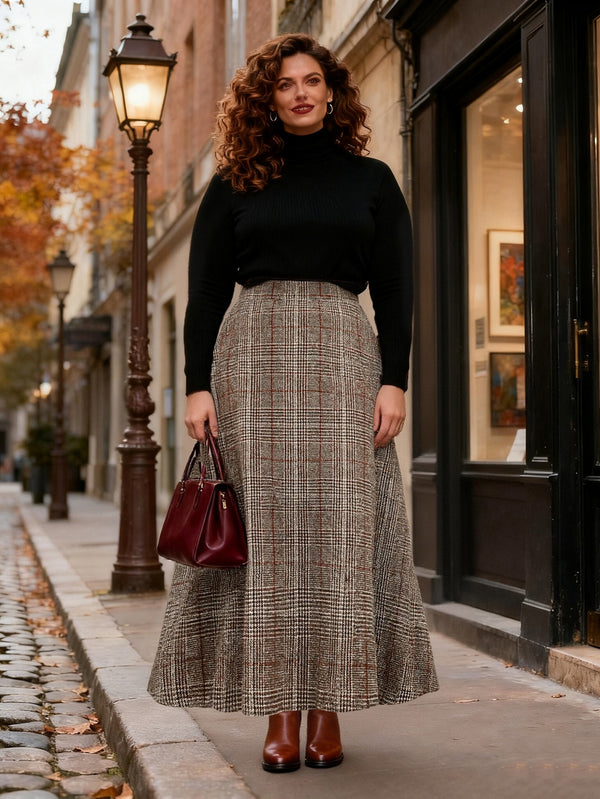
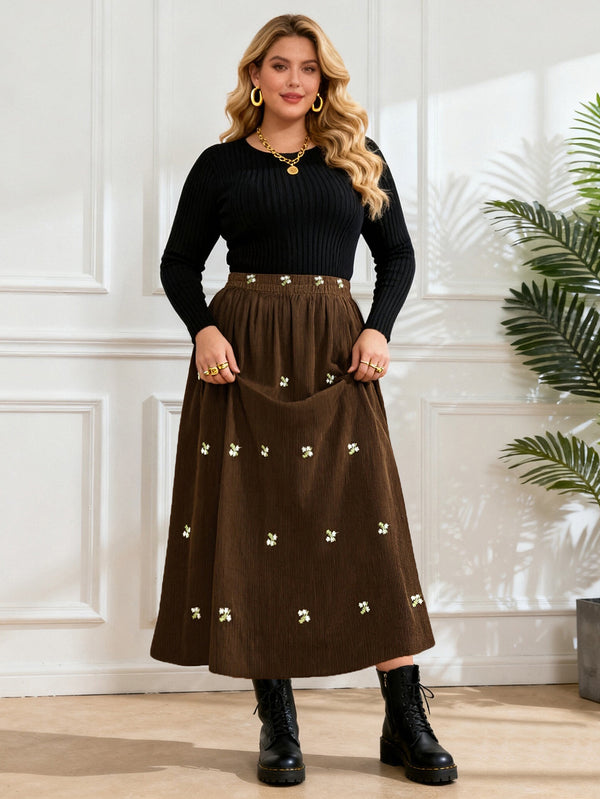
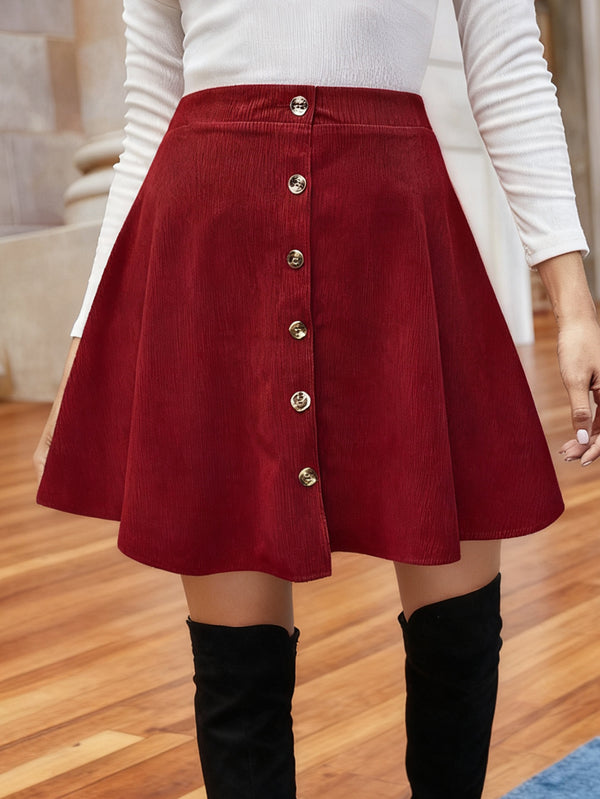
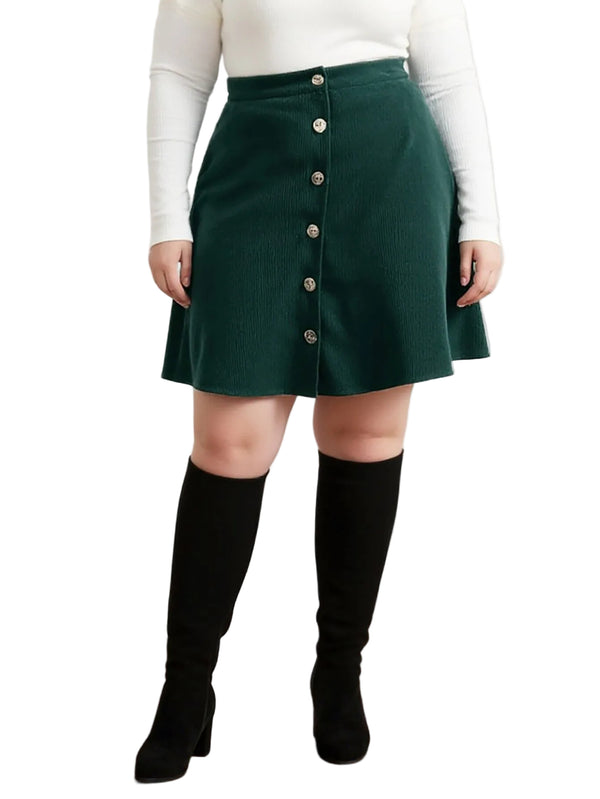
With knee-high socks and ankle boots, some of the sock usually remains visible unless your clothing covers it. That visible section is a style choice. You do not have to make your legs look longer, narrower, or more uniform to wear the combination well. Decide whether you enjoy a quiet continuation of color or a clear contrast between the sock and boot.
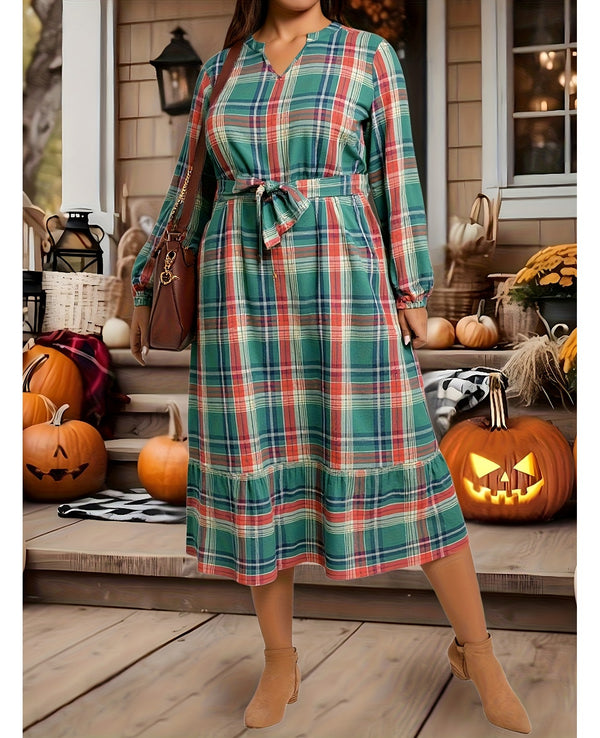
For a soft, simple outfit, try a sage knee-length dress, smooth black socks, and brown lace-up ankle boots. The dress leaves the sock visible, while the brown footwear gives the outfit a separate grounded detail. Keep the sock cuffs flat and at their intended position. The contrast does the styling work without any need to alter the garment.
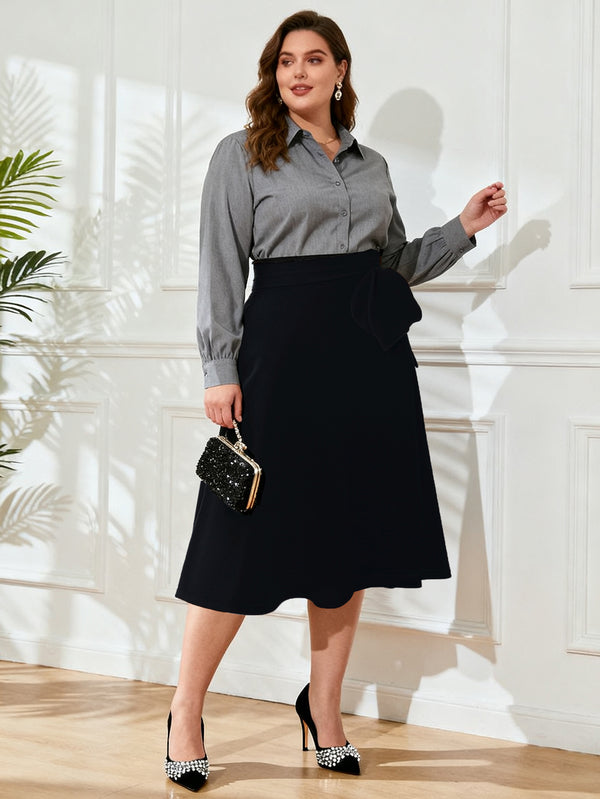
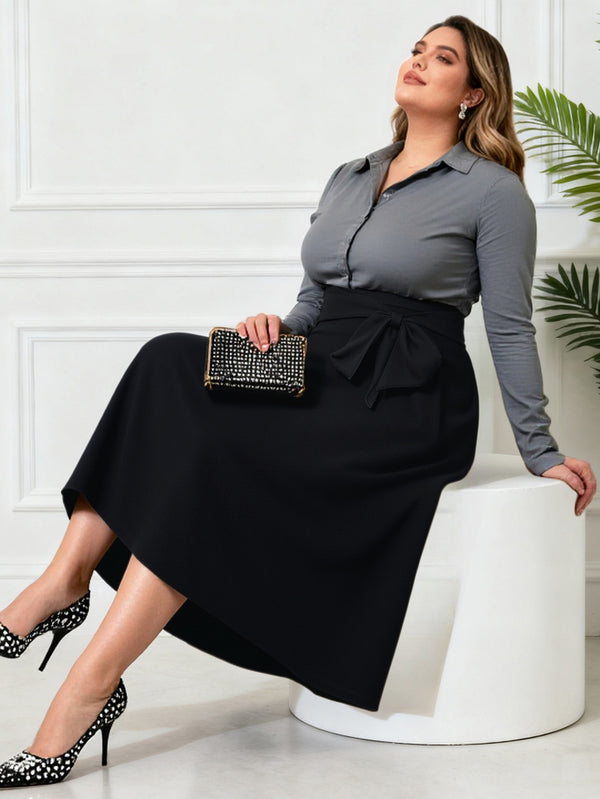
A navy skirt with charcoal socks and dark ankle boots creates a more muted sequence of colors. A textured cardigan can add interest above the waist while the fabric around the ankle stays visually simple. If you prefer a brighter sock, use a plain dress as its backdrop. Choose the colors because you like seeing them together, rather than following a rule about what a fuller calf should wear.
Try the complete outfit seated as well as standing. A skirt hem rises and falls independently of the boot opening, so the amount of visible sock changes naturally. That does not mean you need to pull the socks higher or lower. Adjust the clothing choice if you want different coverage, while leaving the compression garment correctly positioned.
Browse the broader compression sock collection when comparing available colors and constructions. Keep any outfit inspiration separate from product claims: a smooth-looking illustration cannot show a particular pressure rating, guarantee a fit, or establish how a specific pair will feel on you.
Make dressing access and repeat checks part of the choice
A boot that fits once it is on still needs a practical route onto your foot. Notice how far its opening expands and whether you can comfortably reach its fastenings while seated. A short zipper can leave a narrow entry even when the shaft has plenty of room. A lace-up design can open more widely, but only if its tongue and lacing arrangement allow it.
Give yourself room to position the sock before adding the boot. Open the footwear fully instead of forcing your foot through a partly closed opening. Use an appropriate shoehorn if it helps and is compatible with the boot, keeping hard edges away from the knit. If dressing movements are difficult, ask a qualified professional about suitable assistance or aids rather than choosing tighter footwear to pull against.
Think through removal too. Open the boot properly and ease it off without using the sock cuff as a handle. Avoid catching the knit on a zipper as you withdraw your foot. Then remove the socks according to their own instructions. A combination that needs repeated tugging or an awkward balancing act deserves reconsideration, even when you like its appearance.
After wearing, inspect the areas that met the boot opening, heel lining, and fastening. New snagging or concentrated fuzzing can tell you where fabric is rubbing. It does not diagnose the fit, but it gives you a useful place to inspect. Follow the manufacturer's care label and let socks dry as directed; do not use heat to change their dimensions or stretch them over a boot shaft.
Keep a brief note of the exact sock and boot pairing you checked. Similar-looking socks can have different foot thicknesses, and similar boot sizes can have different interiors. Reassess when either garment changes condition. The useful goal is a combination you can put on, move in, and remove comfortably, with the socks correctly positioned and the footwear doing its own job.
If you are purchasing boots, check the seller's try-on and return conditions before committing. Bring the actual socks to an appropriate fitting appointment, or follow the permitted indoor fitting process at home. That makes your comparison more useful than estimating thickness from memory and gives you room to choose another shape if the first option feels wrong.
Frequently asked questions about large-calf socks and ankle boots
Can I wear compression socks for large calves with ankle boots?
They can form an outfit, provided the socks are appropriate for you and both garments fit correctly together. Check foot space, shaft contact, and movement with the actual pair. For compression suitability or pressure advice, consult a qualified healthcare professional.
Should I buy larger boots for my compression socks?
Do not assume a larger size solves every space issue. The toe box, instep, heel, and shaft have different shapes. Try the intended socks with the footwear and seek fitting advice if necessary. Extra length alone does not establish a comfortable match.
Can I fold compression socks over the boot opening?
Keep them at their intended height and follow their instructions. Folding or rolling changes how the fabric sits. Choose a different outfit or appropriate ordinary hosiery if a folded boot-sock cuff is the appearance you want.
What if the socks feel comfortable until I add boots?
Remove the boots and check sock positioning, then inspect the footwear interior and fit. Avoid pushing through rubbing or pressure. If you experience concerning sensations, remove the garments and seek professional advice before continuing.