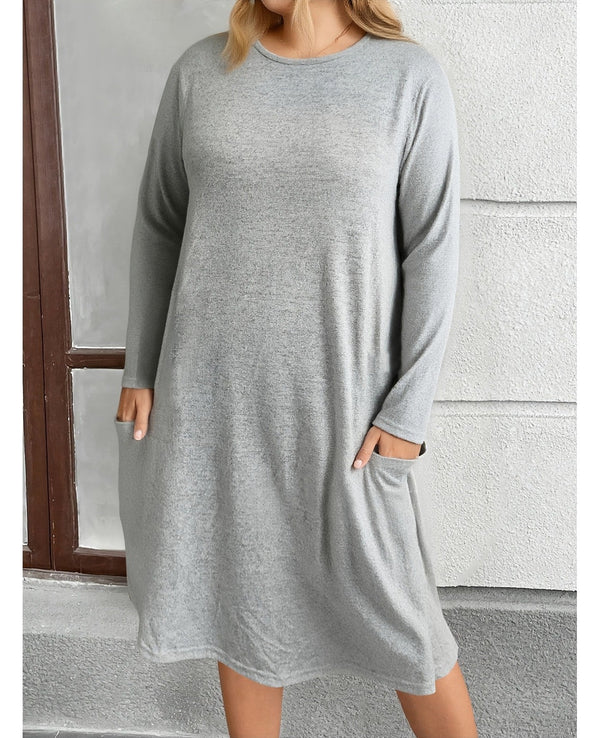
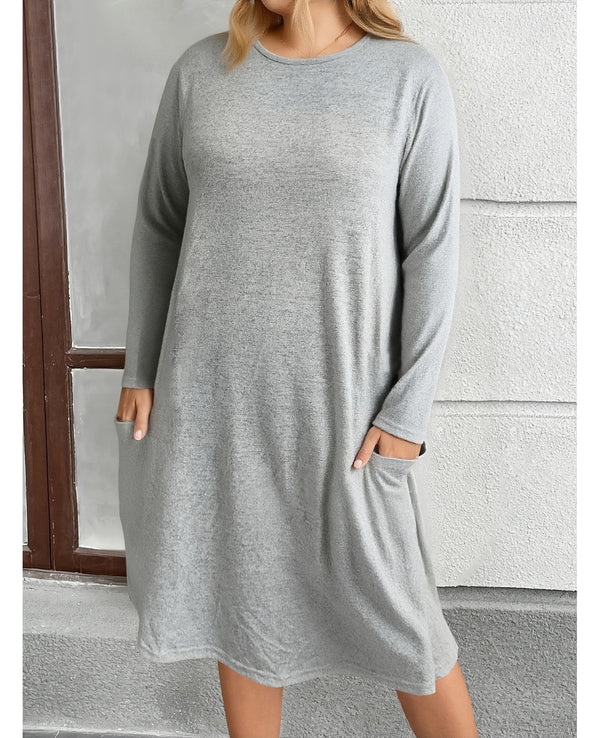
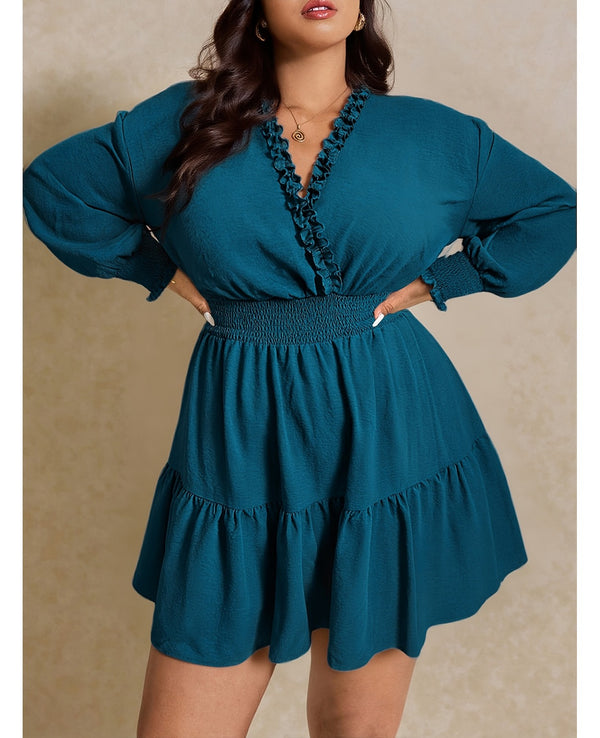
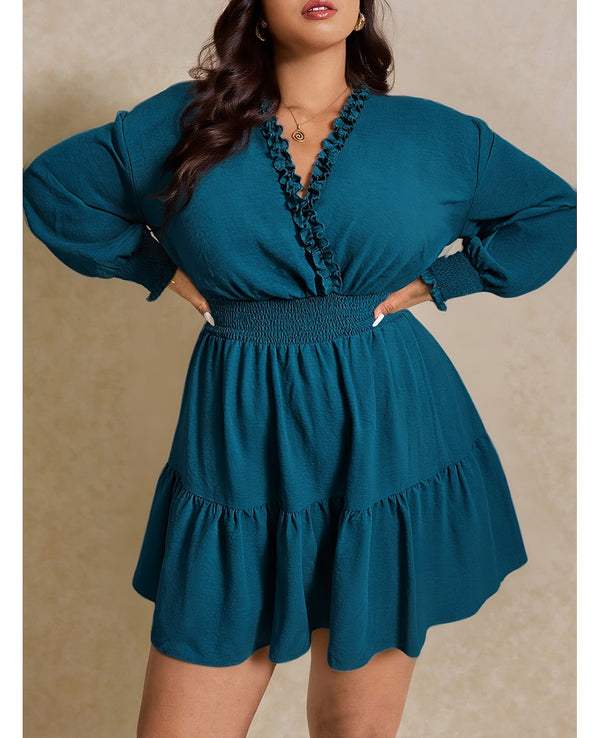
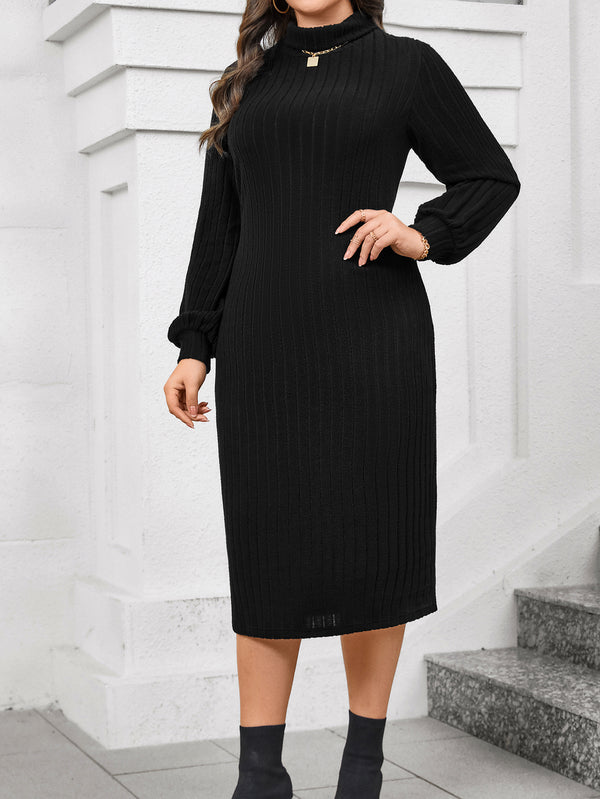
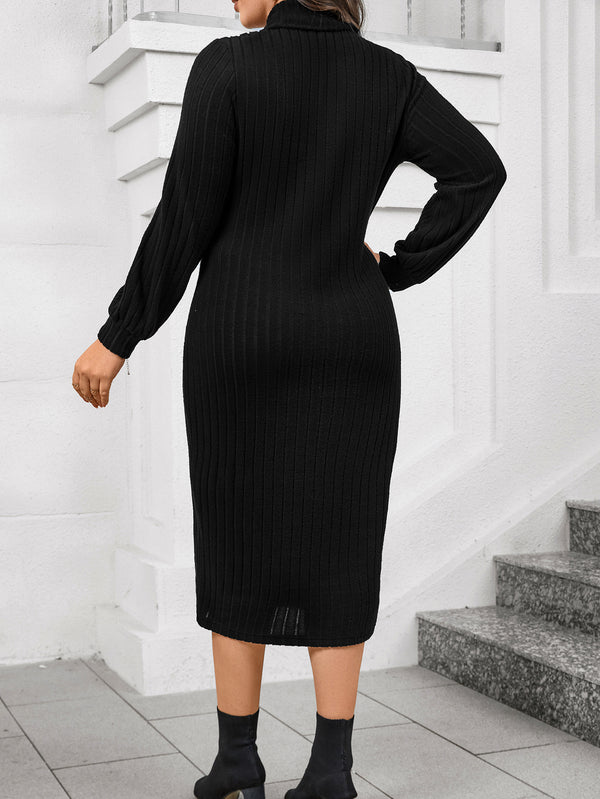
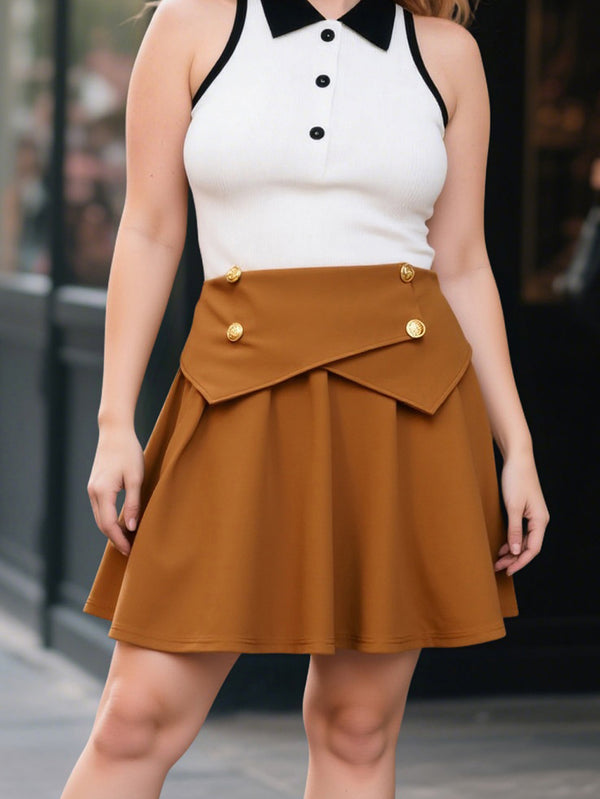
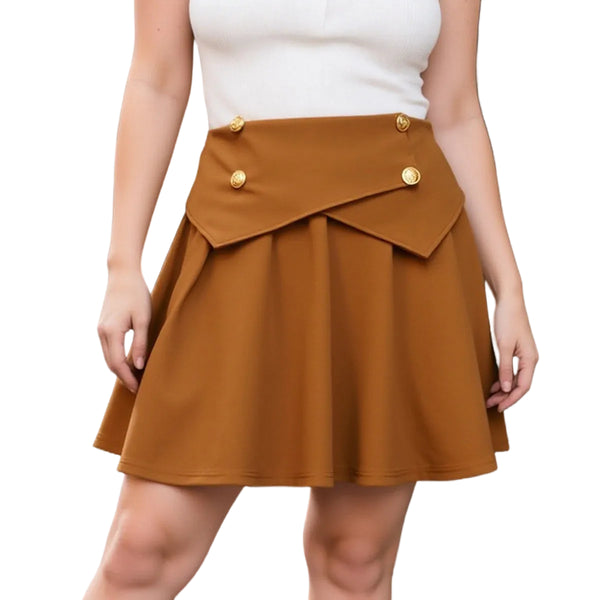
Walking into a job interview is a moment that belongs to you. The right clothes will not do the talking for you, but they will help you feel steady, capable, and unmistakably present. This guide to plus size interview outfits is built around one idea: your interview look is a first-impression strategy, not a costume. When you dress in a way that fits your body, reflects your industry, and feels comfortable, your confidence shows up before you say a word. Below we walk through a complete head-to-toe system for curvy women who want to make a polished, authentic entrance.
Why Your Interview Look Is a Confidence Strategy
Most advice about interview clothing treats it like a checklist of rules. But rules alone do not create presence. What creates presence is the quiet relief of knowing your outfit is working with you. When your waistband sits where it should, your shoulders are not fighting a seam, and your color makes your skin look alive, you stop thinking about your clothes and start thinking about the conversation. That shift is the entire point of a good interview outfit.
For plus size interview outfits, the strategy has three layers. First, fit that reads polished. Second, a silhouette that matches the company culture. Third, details that signal you paid attention. None of these layers is about changing your body or hiding it. They are about presenting the professional, capable person you already are. Confidence is not something you add with a garment. It is something you stop blocking when the garment fits.
Think of your interview look as preparation, the same way you prepare answers to common questions. You would not walk in without rehearsing a story about a challenge you overcame. Do not walk in without rehearsing how your clothes will move, sit, and photograph. The goal is to feel so comfortable in your skin and your outfit that the room meets the real you.
Studies on first impressions consistently show that people form judgments within seconds, long before a single qualification is discussed. That is not a reason to fear the room. It is a reason to give yourself a head start. When your outfit is settled, the first impression you make is one of composure, and composure buys you the minutes you need to demonstrate skill. A reliable interview wardrobe removes decision fatigue on the morning that matters most, so your energy goes to the conversation instead of the mirror.
A simple preparation ritual helps. Lay the full look out the night before, including shoes, bag, and any accessories. Try the complete outfit on once, sit in it, and check it from the front and back in a full-length mirror. Note anything that rides up, gaps, or itches, then adjust. This ten-minute rehearsal is the difference between arriving flustered and arriving unshakable.
Start From How You Want to Be Remembered
Before you open a closet, name the impression you want to leave. Do you want to be remembered as organized, creative, calm, or decisive? Let that word guide your palette and shape. A creative role can carry a richer color or an unexpected texture. A corporate role benefits from clean lines and a restrained palette. The outfit is a supporting actor in the story of you.
Start With Fit: Tailoring That Reads Polished
Fit is the single biggest difference between an outfit that looks expensive and one that looks unfinished. On a curvy body, fit does even more work because it defines where the eye rests. You do not need a smaller size. You need the right size with the right adjustments.
A good tailor is worth more than any single garment. Bring your interview pieces in and ask for small changes: shorten a hem so it breaks at the right point on your shoe, take in a waist so a blazer closes without pulling, narrow a sleeve so your hands are visible when you gesture. These changes cost little and change everything about how polished you appear.
Look for structure at the shoulders and a gentle taper through the waist. Structured shoulders create a clean line across the top of your body. A slight waist definition keeps the look intentional rather than boxy. Avoid anything that bunches at the center button or creates a visible pull across the bust or hips. Pulling reads as discomfort, and you want the room to read ease.
The Shoulder Line Sets the Tone
Your shoulders are the frame of your whole silhouette. A well-set shoulder makes every other piece look deliberate. If a jacket shoulder collapses or rolls forward, the entire outfit loses authority. When you try pieces on, stand, sit, and reach. The shoulder should stay put. That stability is what makes plus size interview outfits look professional on camera and in person.
Fabric choice supports the shoulder line. A jacket with a touch of structure, such as a woven blend with a small percentage of elastane, holds its shape through a long day without becoming stiff. Avoid overly thin or clingy fabrics that reveal every seam underneath. The right fabric skims the body, defines the shoulder, and moves with you rather than against you.
Lengths That Flatter Through Confidence
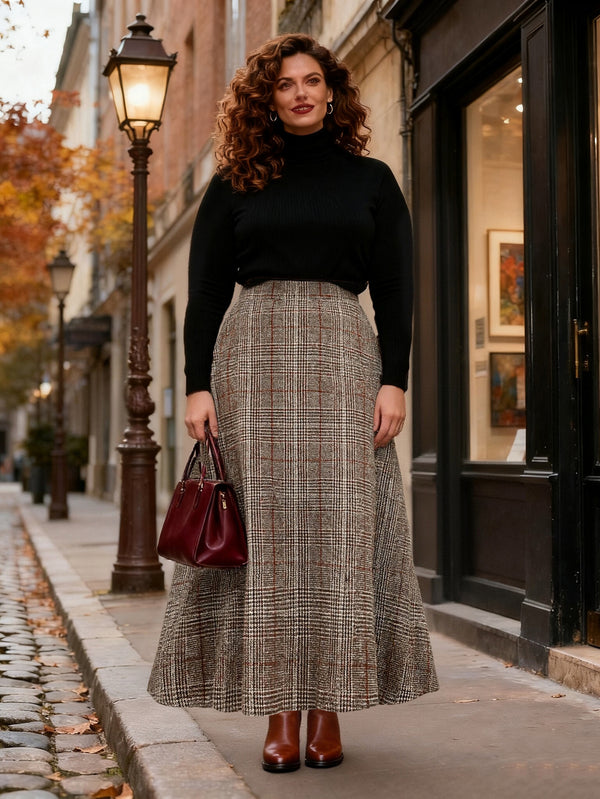
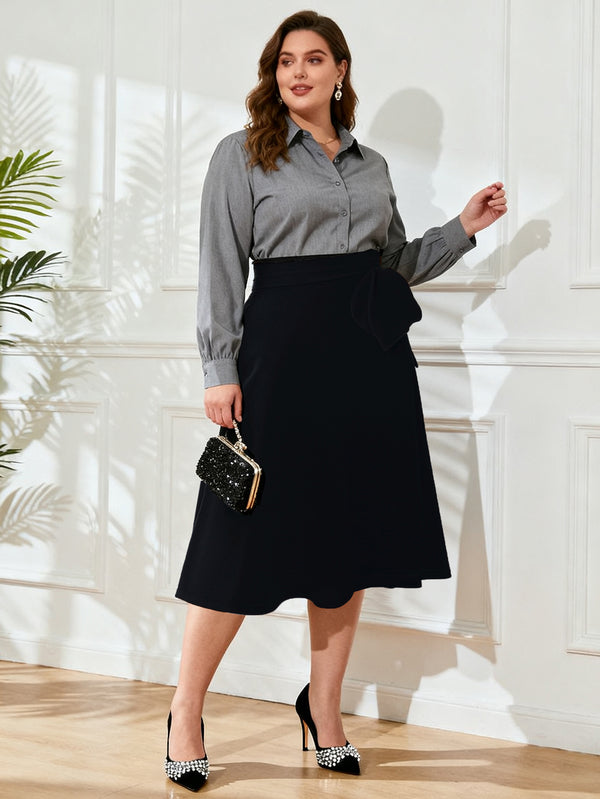
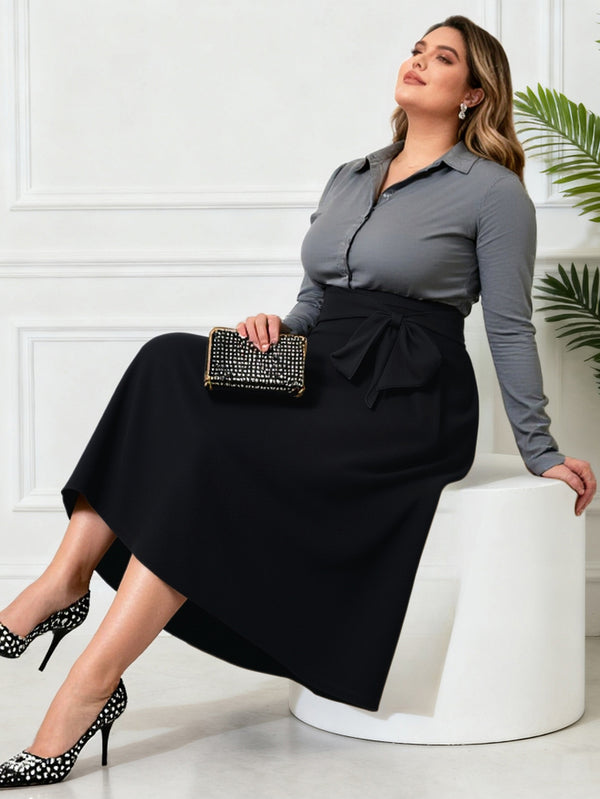
Skirt and trouser lengths change how tall and composed you appear. A pencil skirt just below the knee is a classic interview choice. Wide-leg trousers that graze the top of your shoe elongate the leg. The aim is not to look smaller. The aim is to look composed, so your confidence carries the moment.
When trying lengths, consider your own proportions rather than a rule book. A midi length can feel modern and authoritative, while a full-length trouser can feel grounded and calm. The best length is the one that makes you stand taller because you feel right in it. Trust that feeling. Confidence is the most flattering thing you will wear, and the right length is simply the one that lets it show.
Industry Variations: Corporate, Creative, and Remote-Camera
One look does not fit every room. The smartest plus size interview outfits flex to the setting. Here is how to adjust.
Corporate and Finance
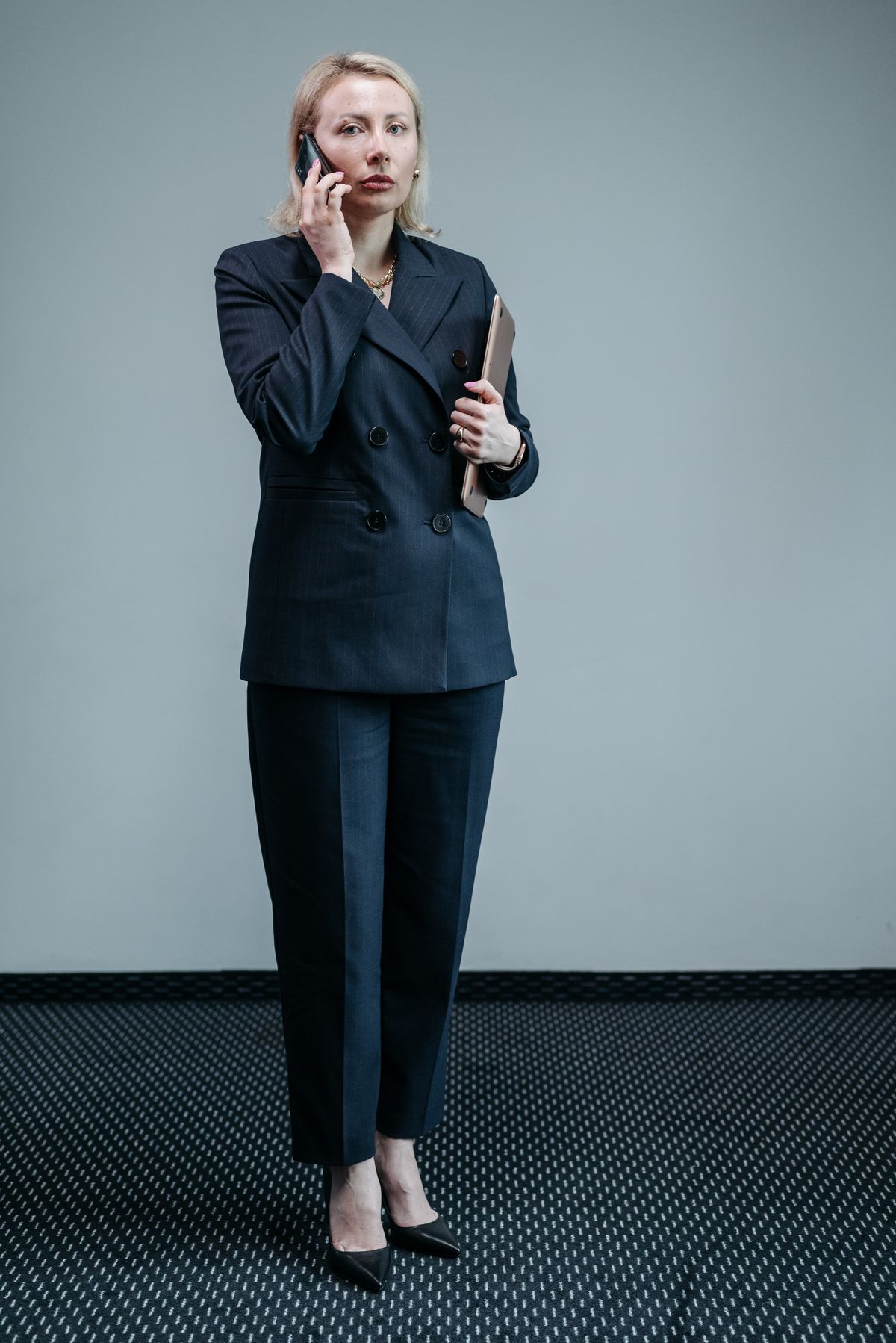
For banks, law firms, and corporate offices, choose a tailored blazer, a polished blouse, and straight or slightly tapered trousers. Neutral colors like charcoal, navy, and ivory read serious. Keep accessories minimal and metallic. The message is precision and reliability.
A monochrome base, such as a navy blazer over a navy or ivory top with charcoal trousers, looks deliberate and calm. Add a single point of interest with a silk scarf or a quiet pin. In these settings, restraint is the statement. Interviewers read it as respect for the role and for the people across the table.
Creative and Startup
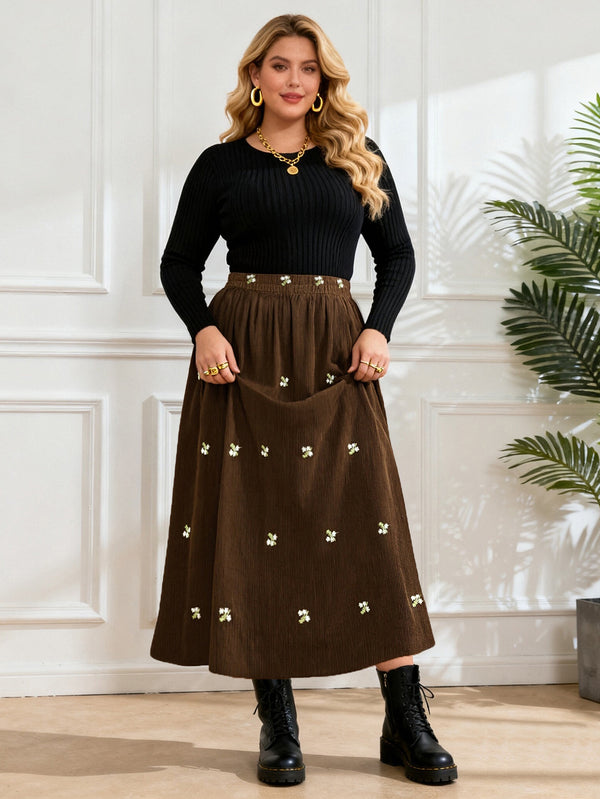
Creative roles welcome more personality. You can introduce a deeper color, a textured knit, or a statement accessory. A well-fitted blazer over a colored top, with dark jeans or tailored pants, signals that you understand the culture while still looking sharp. Comfort and individuality are assets here.
The trick is to show taste, not costume. Choose one element that expresses you, such as a signature color or an interesting texture, and let the rest of the look stay clean. A creative panel can tell the difference between someone who understands the brand and someone who dressed for a different industry. Aim to look like a peer who happens to be interviewing.
Remote and Camera Interviews
On video, solid colors photograph better than busy patterns. Position your neckline so it frames your face. A structured top with a small collar or a simple knit reads cleanly through a lens. Avoid high-contrast stripes that shimmer on screen. Test your look on camera before the call so nothing surprises you.
Lighting changes everything on screen. Sit facing a soft window light or a ring light placed at eye level, and notice how your outfit reads. A matte fabric controls glare better than something shiny. Keep your upper body the focus, since that is what the camera captures, and make sure your neckline is modest and secure so you are not adjusting it mid-answer.
Color Choices That Command the Room
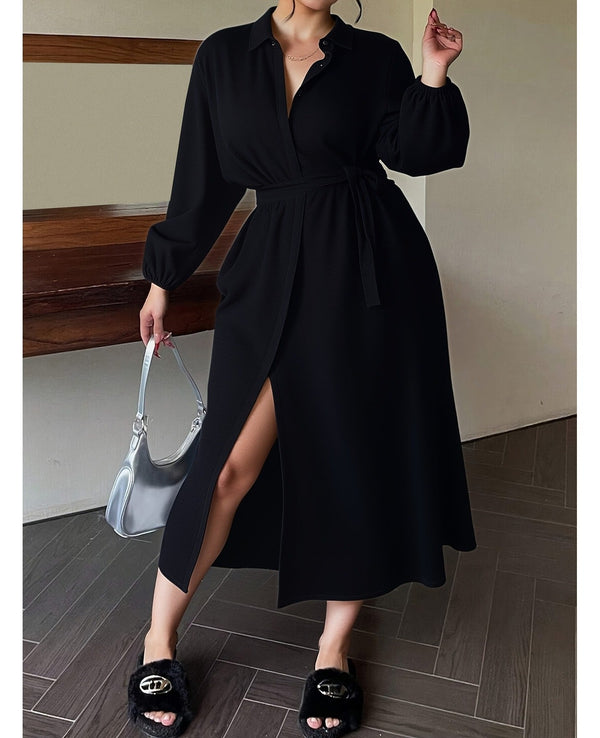
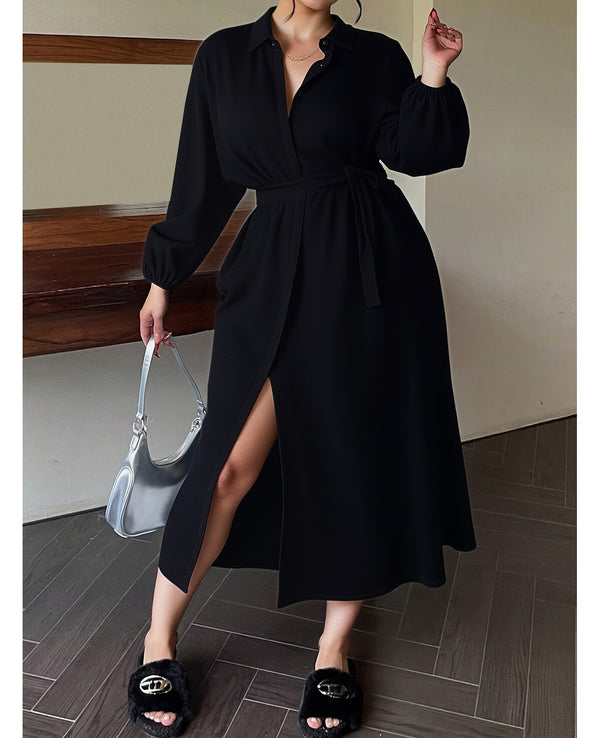
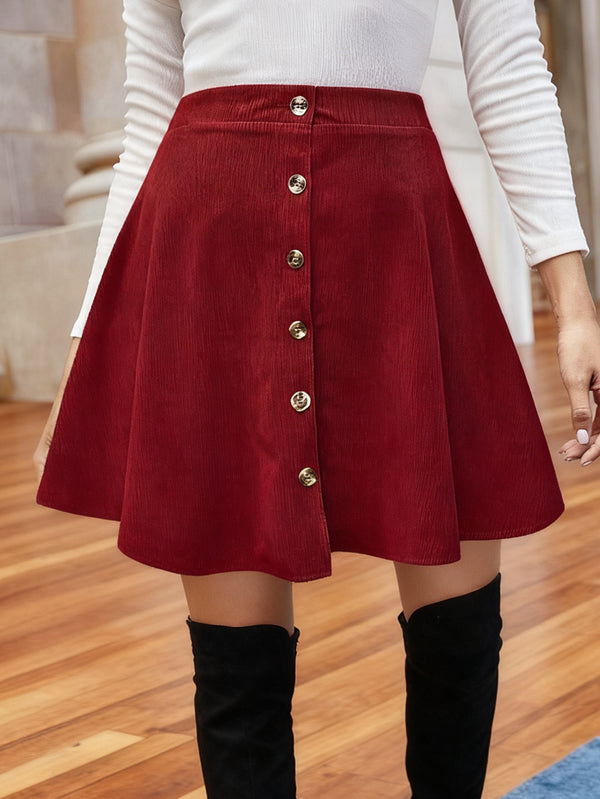
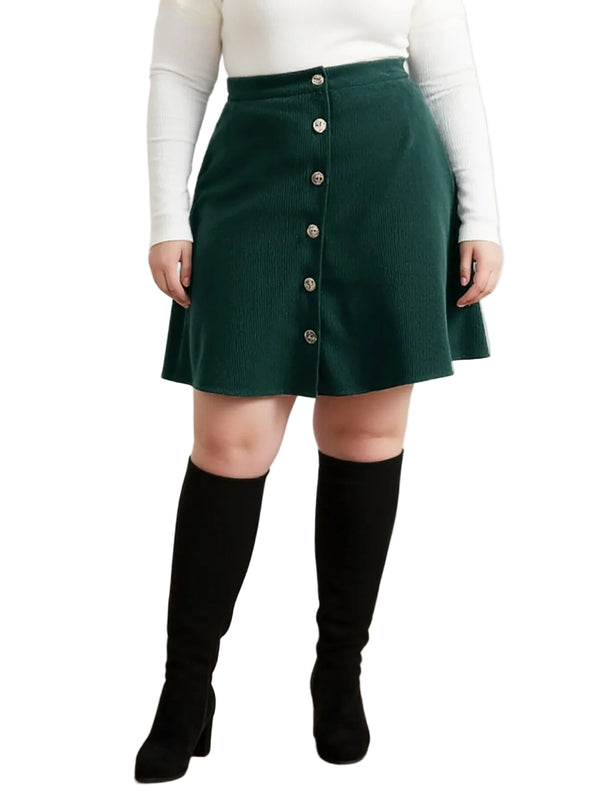
Color is the fastest way to set a mood. Navy and charcoal are safe and authoritative. Deep jewel tones like emerald, burgundy, and sapphire bring warmth to many skin tones and feel confident without shouting. Ivory and soft white read clean and prepared.
For plus size interview outfits, choose colors that make your skin look bright rather than muted. Hold fabrics near your face in natural light. If a color makes you look tired, skip it, no matter how on-trend. The right color gives you an awake, engaged look that interviewers notice even when they cannot name why.
Build a Two-Color Base
A reliable formula is a darker bottom with a lighter or colored top. This draws the eye upward toward your face, where the connection happens. It also creates a long, clean line that reads polished. Add one accent, such as a scarf or earrings, to bring the look together.
Prints and Patterns With Purpose
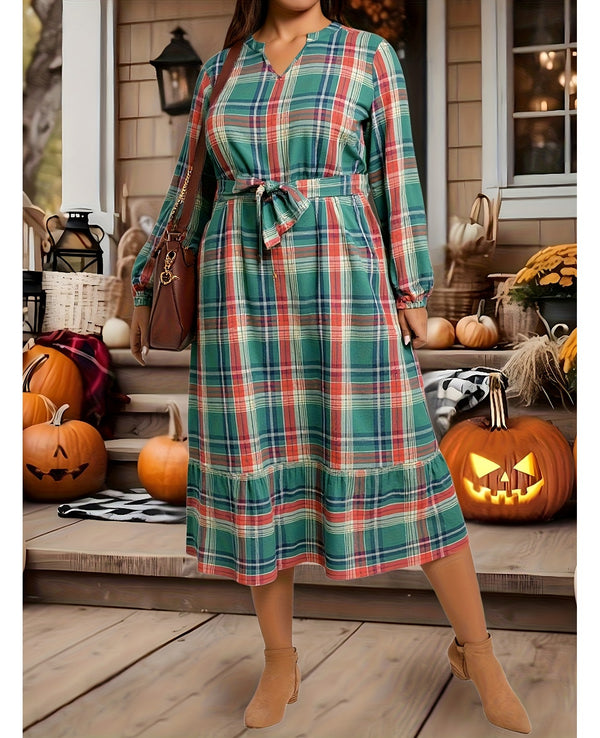
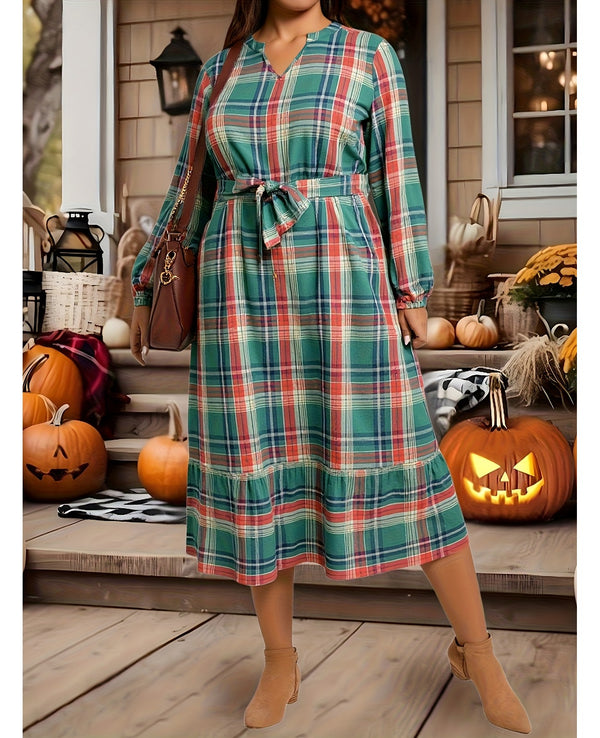
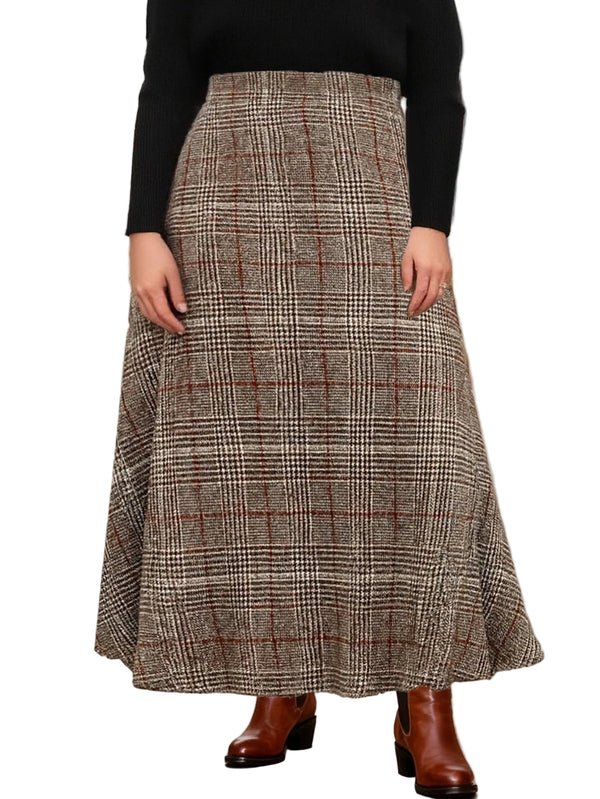
Prints are not off limits, but they need a plan. A small, even pattern in colors close to each other reads as texture rather than noise. A large, high-contrast print can dominate a small interview room or a webcam frame. If you love pattern, place it where you want attention and keep the rest of the look solid. The pattern becomes a confident choice instead of a distraction.
Comfortable Tailored Pieces You Can Actually Move In
An interview is physical. You sit, stand, shake hands, and reach for a pen. Your clothes should move with you without constant adjusting. Choose fabrics with a little stretch so you can breathe and shift without fear of pulling.
A pair of well-cut trousers from our plus size pants collection gives you a foundation that stays neat through a long day. Pair them with a breathable blouse from our plus size tops collection, and you have a base you can rebuild around different blazers and shoes. Comfort is not the enemy of polish. It is what lets polish last.
Consider a knit blazer instead of a rigid one if you run warm or fidget. Knit blazers hold shape but give with your body. A stretch-woven trouser bends when you sit and springs back when you stand. These small choices keep you from tugging at your clothes, which protects your focus.
Dress for the Weather and the Walk
If you will walk outside, plan for it. A wool blend wrinkles less than a thin rayon. Closed, low heels or polished flats let you arrive composed. Comfortable shoes mean you are not wincing on the way in, and that ease shows in how you carry yourself.
Build a Small Interview Capsule
You do not need a huge wardrobe to be ready for anything. Two pairs of trousers, three tops, one blazer, and one skirt give you several complete looks. Shop by the pieces that mix well so each item earns its place. This capsule approach saves money, reduces stress, and means you always have a confident option ready. When your basics fit beautifully, every interview becomes a matter of choosing, not scrambling.
What to Avoid on Interview Day
Avoid anything that demands your attention during the meeting. Clothes that are too tight restrict breathing and make you shift. Pieces that are too loose can look unfinished on camera. Skip strong fragumes in a closed room, and skip anything with a hem that trips you.
Also avoid novelty that overshadows you. A single expressive piece is a signature. Three expressive pieces are a distraction. The interview is about your competence and character, so let one detail speak for your style and let the rest support it quietly.
Finally, avoid last-minute new purchases you have not worn. New shoes blister. New fabric itches. New cuts surprise you. Wear pieces you have lived in at least once so there are no unknowns on the day that matters.
Fit Pitfalls to Skip
Watch for gaping buttons, a zipper that will not stay, and sleeves that swallow your hands. These small issues read as careless on a day when detail matters. A quick try-on the night before catches them, and a tiny repair kit in your bag covers the rest.
Grooming and Scent Boundaries
Grooming is part of the outfit. Clean, intentional hair, tidy nails, and a light makeup look you recognize in the mirror all support a polished impression. Go easy on fragrance, since many offices are scent-free and a strong perfume can distract or discomfort an interviewer. The goal is to be remembered for your answers, with your presentation quietly reinforcing that you are prepared.
Accessories That Complete the First Impression
Accessories are where personality meets professionalism. A structured bag says organized. A simple watch says punctual. One pair of earrings that catch the light says you enjoyed getting ready. Keep the set cohesive so the story is clear.
Choose one focal point. If your earrings are bold, keep your necklace quiet. If your scarf carries color, let your jewelry be neutral. This balance makes plus size interview outfits feel intentional rather than busy, and intention is what people remember as polish.
Shoes and Grooming Details
Shoes should be clean and in good repair. Scuffs read as rushed. Nails tidy, hair intentional, and a light makeup look that you feel like yourself in all complete the picture. The details are not about perfection. They are about showing the role matters to you.
A Bag That Carries the Story
Your bag is part of the first impression, so choose one that is structured, clean, and large enough for your documents without bulging. A worn strap or a stained liner can undercut an otherwise sharp look. Pick a bag in a neutral that works with every outfit in your capsule, and keep it organized so you are not fishing for your resume while someone waits. Calm, prepared movement is its own kind of confidence.
Frequently Asked Questions
What should I wear to a remote video interview as a plus size candidate?
Choose solid colors that photograph well, a neckline that frames your face, and a structured top. Test your look on camera in the same lighting you will use. Comfortable tailored pieces help you forget the clothes and focus on the conversation, which is exactly what plus size interview outfits should do on screen.
How do I make a plus size interview outfit look expensive without spending a lot?
Fit and fabric do the heavy lifting. A tailored waist, clean hems, and wrinkle-resistant fabric read as polished. Add one quality accessory and keep the color story simple. You do not need many pieces, just pieces that fit and work together.
Can I show personality in a conservative corporate interview?
Yes, through one controlled choice. A deep jewel tone, a distinctive but quiet accessory, or a textured knit under a blazer lets your style show without breaking the dress code. The rest of the look stays classic so your competence leads.
Should I prioritize comfort or polish for a long interview day?
Choose both by planning ahead. Stretch-woven trousers, breathable tops, and broken-in shoes give comfort that still looks sharp. When you are not adjusting your clothes, your confidence stays visible from the first handshake to the last question.