Tenues de Pilates et de Barre Grande Taille : Le Guide de Style du Studio pour les Femmes Rondes
Aug 20, 2026

Trouver la bonne tenue de Pilates et de barre grande taille est une question de confort, de confiance et de liberté de mouvement sur le tapis et à la barre. Les entraînements en studio à faible impact sont un excellent moyen de renforcer la force, la mobilité et un véritable sentiment d'aisance dans votre corps, et les vêtements que vous choisissez doivent soutenir cela, sans jamais le restreindre. Ce guide explique exactement quoi porter pour les cours de Pilates, de barre et de Reformer, avec des conseils pratiques et positifs pour les femmes rondes qui veulent se sentir bien en bougeant. Votre corps est déjà parfait tel qu'il est, et tout vêtement ici est entièrement facultatif ; vous êtes libre de bouger dans ce qui vous fait vous sentir vous-même.
Pourquoi le Pilates et la barre grande taille sont une joie pour tous les corps
Il y a quelque chose de discrètement puissant à entrer dans un studio, à dérouler un tapis et à réaliser que la seule chose qui compte est la façon dont votre corps se sent en ce moment. Les cours de Pilates et de barre grande taille sont basés sur des mouvements contrôlés et intentionnels plutôt que sur des exercices cardiovasculaires intenses et à fort impact. Cela les rend accessibles, durables et vraiment agréables pour les personnes de toutes tailles. Vous n'êtes pas mesurée par rapport à une horloge ou une distance ; vous apprenez comment vos muscles fonctionnent, comment votre respiration vous soutient et à quel point vous êtes déjà forte.
Le mouvement est pour la joie et la force, pas pour la punition
La culture du fitness a passé des décennies à dire aux corps plus grands de rétrécir, mais le mouvement en studio raconte une histoire différente. Le Pilates et la barre célèbrent ce que votre corps peut faire : la lente brûlure d'une position maintenue, l'équilibre d'un étirement sur une jambe, l'engagement profond du tronc qui vient d'une respiration intentionnelle. Lorsque vous vous présentez dans un studio, vous êtes là pour l'expérience du mouvement, pour la façon dont un bon cours vous laisse les épaules détendues et l'esprit clair. Les vêtements sont une note secondaire. Votre présence sur le tapis est le but, et elle est suffisante telle qu'elle est.
Vous n'avez pas besoin de mériter le repos, et vous n'avez pas besoin de vous excuser de prendre de la place sur un Reformer. Chaque corps dans cette pièce est là pour se sentir plus fort, et votre corps a sa place autant que celui de n'importe qui d'autre. Portez ce que vous voulez, bougez à votre propre rythme, et laissez le travail parler de lui-même.
Ce qui distingue les entraînements en studio de la salle de sport
Contrairement à un bootcamp ou à une séance de tapis roulant, le Pilates et la barre demandent précision et amplitude de mouvement. Vous vous tordez, vous vous étirez, vous vous tenez en équilibre sur un pied, vous vous penchez au niveau des hanches. Cela signifie que votre tenue doit rester en place, respirer avec vous et permettre à un instructeur de voir votre alignement. Nous allons parler des tissus et des coupes dans un instant, mais le titre est le suivant : les vêtements de studio doivent donner l'impression d'une seconde peau qui se veut agréable, et non d'un costume dans lequel vous devez jouer un rôle.
Construire une routine que vous attendez avec impatience
La magie du travail en studio à faible impact est qu'il est durable. Une course peut vous laisser endolori pendant des jours ; un cours de Pilates ou de barre bien enseigné vous laisse énergisé et en redemande, ce qui signifie que vous revenez, et la régularité est ce qui change la façon dont votre corps se sent au fil du temps. Beaucoup de femmes rondes trouvent que deux ou trois séances en studio par semaine, associées à des marches qu'elles apprécient, développent une réelle force sans l'épuisement que les programmes à fort impact apportent souvent. La tenue soutient l'habitude, mais l'habitude est la vraie victoire, et vous pouvez la construire à un rythme qui respecte votre vie et votre énergie.

Ce qui rend une tenue de studio différente de celle de la salle de sport
On suppose souvent que n'importe quel vêtement de sport fera l'affaire, mais une garde-robe de studio a sa propre logique. Les vêtements de sport à fort impact sont conçus pour gérer la transpiration lors de la course ou du HIIT, avec de la compression et une évacuation agressive. Les vêtements de studio sont plus doux. Ils privilégient une coupe ajustée mais non restrictive, une flexibilité discrète et des tissus qui ne crissent pas ou ne glissent pas sur un Reformer. Le but est de se sentir soutenu pendant que l'on bouge lentement et délibérément, et non d'être ballotté à grande vitesse.
Ajusté, mais jamais compressif
Une préoccupation courante est que « près du corps » signifie « serré ». Ce n'est pas forcément le cas. Les meilleures pièces de Pilates grande taille épousent le corps afin qu'un instructeur puisse vérifier votre posture, mais elles le font avec douceur et une taille indulgente. Vous voulez oublier que vous les portez. Recherchez un tissu extensible dans les quatre sens qui reprend sa forme, une large ceinture qui se place où vous le souhaitez, et des ouvertures de jambe qui ne s'enfoncent pas. La compression a sa place, mais pour le travail en studio, le confort l'emporte.
Détails discrets et adaptés au tapis
Les lits Reformer et les tapis adhérents ne pardonnent pas les fermetures éclair volumineuses, les coutures qui grattent et les accessoires qui s'accrochent. Les tenues de studio brillent lorsqu'elles sont minimalistes : coutures plates, peu ou pas de métal, et panneaux lisses. Vous voulez aussi quelque chose qui ne remonte pas au milieu d'une planche ou ne baille pas lorsque vous vous penchez en avant. La bonne pièce disparaît presque, ce qui est exactement ce que vous voulez lorsque vous vous concentrez sur un mouvement lent et contrôlé.
Chaussettes antidérapantes : l'indispensable du studio que vous utiliserez vraiment
Si vous ne retenez qu'une seule chose de ce guide, que ce soient les chaussettes antidérapantes. La plupart des studios les exigent, et pour de bonnes raisons. Elles vous empêchent de glisser sur un Reformer ou un sol de barre poli, et elles protègent vos pieds dans un espace partagé. Pour les femmes rondes qui peuvent se sentir bancales en équilibre, ce petit supplément d'adhérence est un stimulant de confiance, et non un gadget.
Pourquoi l'antidérapant est plus important que vous ne le pensez
Le travail à la barre se fait sur un rebord étroit, souvent sur une jambe, souvent avec une chaussette à semelle fendue souple. Les exercices de Pilates Reformer poussent contre un chariot coulissant. Dans les deux cas, une chaussette glissante signifie un pied glissant et un écartement des orteils pour se rattraper. Des picots adhérents ou une bande de silicone sur la semelle vous donnent une sensation de stabilité et de sécurité, vous permettant de vous concentrer sur l'exercice plutôt que sur le sol. C'est une petite amélioration qui change tout le cours.
Trouver une coupe large et confortable
De nombreuses chaussettes adhérentes sont étroites, ce qui est frustrant si vous avez un pied large ou un cou-de-pied haut. Recherchez des marques qui proposent des tailles étendues ou un tricot ample avec un revers doux qui ne rentre pas dans votre cheville. Une chaussette trop serrée vous distraira ; une chaussette bien ajustée sera comme un câlin pour vos pieds. Emportez deux paires pour toujours avoir une paire de rechange propre, et laissez-les aérer entre les cours.
Reformer vs Tapis vs Barre : que porter pour chaque cours
Tous les cours en studio ne se déroulent pas de la même manière, et un peu de planification vous évitera des premières cinq minutes embarrassantes. Voici une simple ventilation pour que vous puissiez arriver préparée et détendue.
Pilates Reformer
Le Reformer est un cadre ressemblant à un lit avec des ressorts, des sangles et un chariot mobile. Vous vous allongerez, vous vous agenouillerez et vous appuierez vos pieds dans des boucles en cuir. Portez des bas ajustés qui n'accrocheront pas les ressorts, et évitez les longs bijoux. Les chaussettes antidérapantes sont essentielles ici car vos pieds sont le moteur du travail. Un legging court ou un collant midi permet de garder le tissu dégagé de l'équipement, et un haut ajusté mais doux signifie que les sangles ne s'emmêleront pas dans un tissu ample.
Pilates sur tapis
Les cours sur tapis se déroulent au sol et se font souvent pieds nus ou avec des chaussettes antidérapantes. Vous avez plus de liberté quant à la longueur : une tunique plus longue ou un combo short-cycliste et t-shirt conviennent tous deux. L'essentiel est un tissu qui ne s'accumulera pas sous votre dos lorsque vous vous allongez. Choisissez quelque chose dans lequel vous pouvez faire un roll-up sans avoir à l'ajuster toutes les trente secondes. Le tapis est le cadre le plus tolérant, alors portez ce qui vous met à l'aise.
Barre
La barre combine des postures inspirées du ballet avec de petits mouvements répétitifs. Vous passerez du temps à une barre fixe et au sol. Les bas ajustés permettent à votre instructeur de voir le suivi des genoux, et un haut de soutien vous maintient à l'aise pendant les planches et le travail des fessiers. Les chaussettes antidérapantes sont la norme. De nombreuses adeptes de la barre aiment un collant court avec un haut légèrement plus long qui couvre la taille lorsqu'elles se penchent, ce qui est purement un choix de confort, jamais une exigence.

Leggings grande taille qui bougent avec vous
Une paire de leggings fiable est la colonne vertébrale de toute garde-robe de studio, et le marché des grandes tailles s'est considérablement amélioré ces dernières années. La bonne paire garde sa forme, respire pendant un cours lent et ne se sent pas du tout. Si vous constituez votre collection, commencez par notre sélection de leggings grande taille, qui rassemble des options taillées et stylées en pensant aux vrais corps.
Ce qu'il faut rechercher dans un legging de studio
Privilégiez une taille haute et large qui reste en place lorsque vous vous penchez en avant, et un tissu extensible dans les quatre sens qui ne devient pas transparent lorsque vous vous accroupissez ou vous étirez. Une finition mate subtile donne un aspect élégant et ne montrera pas le moindre pli sous l'éclairage du studio. Pensez à une longueur 7/8 ou intégrale pour le travail sur Reformer et à un capri pour les séances sur tapis plus chaudes. Le meilleur test est simple : enfilez-les, faites dix squats lents devant un miroir et observez si vous les ajustez. Si c'est le cas, ce ne sont pas les bons.
Anti-squat et opaque, toujours
« Anti-squat » n'est pas une phrase marketing réservée aux petites tailles. Les personnes rondes méritent opacité et confiance, surtout dans un cours où l'on passe beaucoup de temps la tête en bas ou penché. Tenez le tissu à la lumière avant d'acheter, et choisissez des tons plus foncés pour vos premières paires si cela vous aide à vous sentir en sécurité. Le confort est la seule métrique qui compte, et vous avez le droit de définir ce que la sécurité signifie pour votre propre corps.
Bas, couches et votre transition du studio à la ville
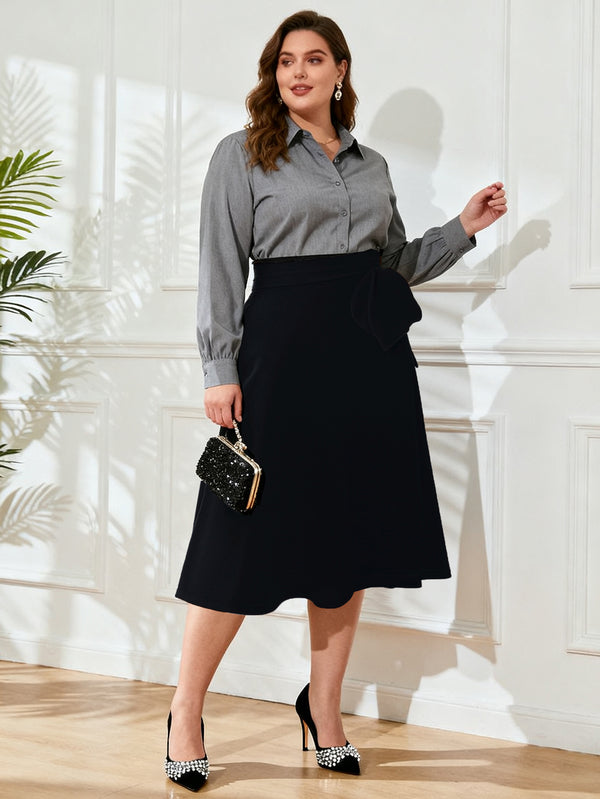
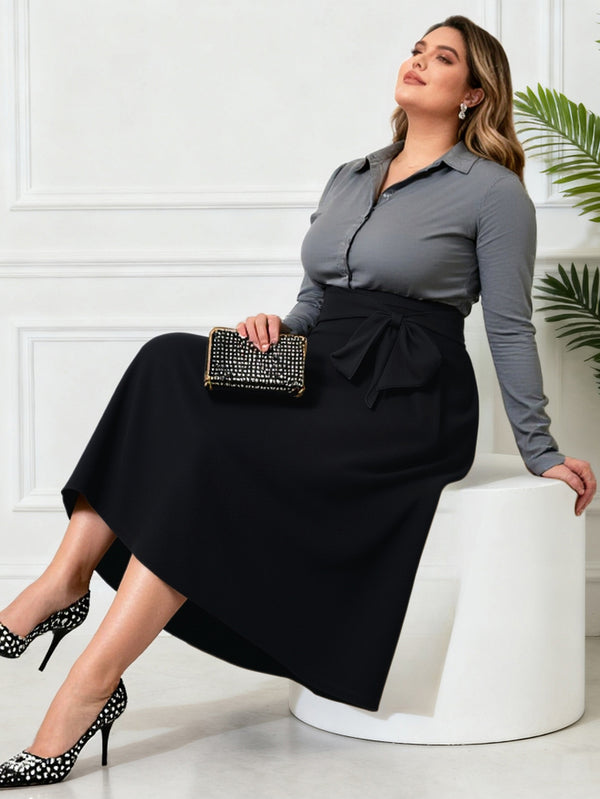
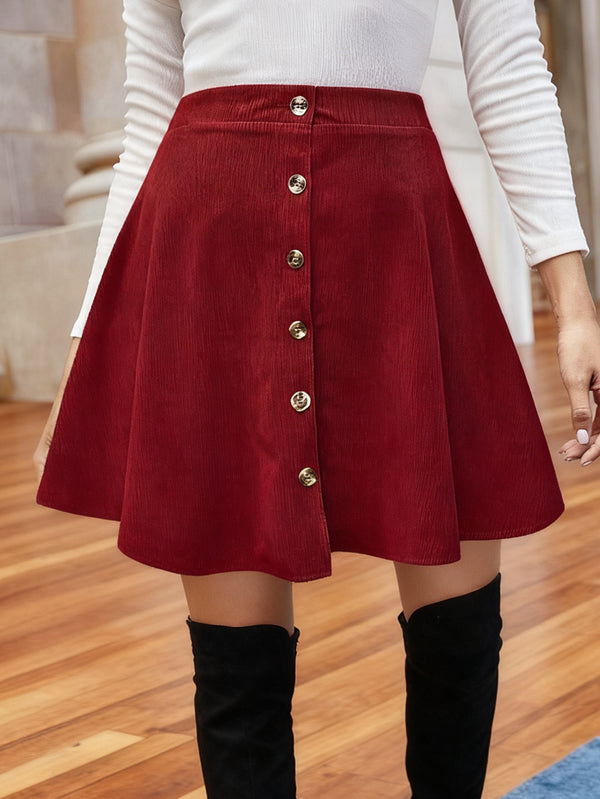
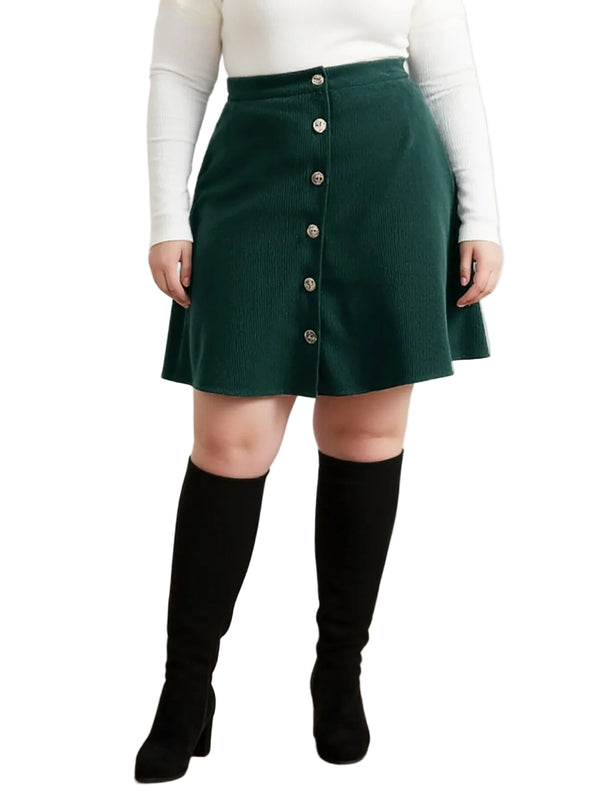
L'un des plaisirs discrets de la vie en studio est la transition après le cours : un rapide changement de couches et vous êtes dans un café, un marché ou en promenade avec des amis. Une garde-robe capsule bien pensée signifie que vous ne vous sentirez jamais coincée dans des vêtements de sport que vous n'avez pas choisi de continuer à porter. Pour une plus large gamme de formes et de longueurs, notre collection de bas grande taille est un endroit utile pour explorer des pantalons, des options à jambes larges et des jupes qui s'accordent à merveille avec un haut de studio.
Superposition pour la chaleur et la confiance
Les studios sont frais, et une épaule nue peut sembler exposée si vous n'êtes pas d'humeur. Un tricot long et ouvert, une chemise oversize douce portée déboutonnée, ou une veste courte drapée sur les épaules vous offre une couverture que vous pouvez ajouter ou retirer. Ces couches sont pour votre confort, et non pour cacher quoi que ce soit. Si vous aimez l'apparence d'une couche, portez-la ; si vous préférez être juste avec votre haut, c'est tout aussi juste.
Du bar au brunch sans se changer complètement
Une excellente astuce de transition est une pièce qui fonctionne dans les deux contextes. Un collant monochrome élégant avec une basket structurée et une veste en jean ou utilitaire donne une impression d'intention, et non de tenue de gym. Remplacez les chaussettes antidérapantes par un mocassin ou une chaussure plate, ajoutez un sac bandoulière, et vous avez un look. Le but n'est pas de paraître impeccable pour qui que ce soit ; c'est de traverser votre journée sans une course frénétique dans les vestiaires, à votre guise.
Tissus, coupe et construction anti-frottement
La différence entre un cours que l'on aime et un cours que l'on endure se résume souvent au tissu. Le mouvement en studio est rapproché, répété et parfois transpirant dans de petites zones, de sorte que le textile contre votre peau est plus important que le logo sur la ceinture.
Respirant, antidérapant et doux pour la peau
Recherchez des mélanges qui évacuent doucement la transpiration et sèchent rapidement sans laisser de sensation moite : une base en nylon ou en polyester avec une touche d'élasthanne est fiable, et beaucoup préfèrent une finition brossée et douce pour la douceur. Évitez tout ce qui est enduit ou rigide, car cela grincera sur un Reformer et irritera lorsque vous bougerez. Un tissu léger et respirant vous garde confortable pendant une combustion lente sans emprisonner la chaleur contre la peau.
Construction sans coutures et anti-frottements
Les frottements gâchent un bon cours, et ils sont évitables avec la bonne conception. Les coutures plates ou collées reposent à plat contre la peau, et les tricots sans couture éliminent les frottements à l'intérieur des cuisses que les séances plus longues peuvent provoquer. Faites attention au gousset : un gousset doublé et respirant ajoute confort et durabilité. Pour les corps courbes, une taille légèrement plus haute empêche souvent la ceinture de rouler, ce qui est un petit détail qui paie à chaque cours.
Une coupe qui suit votre corps, pas un modèle
Les tailles sont incohérentes d'une marque à l'autre, alors utilisez les mesures qui comptent : tour de taille, hanches et entrejambe, pas le numéro sur l'étiquette. Une bonne pièce de studio épouse la courbe de vos hanches et de vos cuisses sans tirer, et elle reprend sa forme après un étirement au lieu de bâiller au niveau du genou. Lorsque la coupe est bonne, vous ne pensez plus du tout à vos vêtements, et ce calme mental est là où se déroule le véritable entraînement.
Entretenir vos pièces de studio pour qu'elles durent
Les tricots doux et sans couture récompensent un entretien délicat. Lavez-les à l'envers sur un cycle froid, évitez l'adoucissant qui peut obstruer les fibres absorbantes, et étendez-les à plat ou suspendez-les pour les faire sécher plutôt que de les faire cuire dans un sèche-linge chaud. Un petit sac en maille empêche les chaussettes antidérapantes et les tailles délicates de s'accrocher. Bien traités, une bonne paire de leggings de studio vous accompagnera pendant de nombreux cours, ce qui est meilleur pour votre portefeuille et pour la planète. Achetez moins, choisissez bien, et portez-les avec la confiance qu'ils ont été faits pour bouger avec un corps réel, changeant et puissant.
Foire aux questions
Ai-je besoin de vêtements spéciaux pour le Pilates et la barre grande taille, ou puis-je porter des vêtements de sport ordinaires ?
Vous pouvez tout à fait commencer avec ce que vous possédez. Le seul article qui vaut la peine d'être acheté tôt est une paire de chaussettes antidérapantes, car de nombreux studios les exigent et elles rendent l'équilibre plus sûr. Au-delà de cela, n'importe quel bas et haut ajustés et confortables fonctionneront pour vos premiers cours. Les pièces de studio spécialisées éliminent simplement les petits désagréments comme le tissu qui glisse et les coutures qui s'accrochent.
Les chaussettes antidérapantes sont-elles vraiment nécessaires, ou pieds nus, c'est bon ?
Pour l'hygiène et la sécurité, la plupart des studios demandent des chaussettes antidérapantes plutôt que des pieds nus. Elles vous protègent dans un espace partagé et vous empêchent de glisser sur un Reformer ou un sol de barre. Si vous pratiquez à la maison sur un tapis, pieds nus, c'est bien, mais une paire de chaussettes adhérentes aide toujours à la traction pendant les exercices d'équilibre.
Que dois-je porter à mon tout premier cours de Reformer si je suis nerveuse ?
Choisissez des bas ajustés qui n'accrocheront pas les ressorts, un haut confortable et de soutien, et des chaussettes antidérapantes. Arrivez quelques minutes en avance pour que l'instructeur puisse vous montrer l'équipement, et dites-lui que c'est votre première fois. Portez ce qui vous met à l'aise ; le cours est conçu pour vous accueillir tel que vous êtes, et chaque corps dans cette pièce est là pour bouger, pas pour être jugé.
Comment éviter que ma tenue ne remonte ou ne descende pendant le cours ?
Une ceinture large et haute et un tissu extensible dans les quatre sens sont vos meilleurs alliés. Avant le cours, faites quelques squats et flexions avant pour vérifier la coupe, et prenez une taille au-dessus si la ceinture serre, car une bande légèrement plus lâche reste souvent mieux en place qu'une bande trop serrée. La bonne pièce devient quelque chose que vous oubliez que vous portez, ce qui est exactement le but.