If you've ever stood in front of your closet holding two nearly identical-looking pairs of black stretchy pants and wondered which one actually belongs with your outfit, you are not alone. The leggings versus tights debate is one of the most common styling questions in plus-size fashion — the differences are subtle but the consequences of choosing the wrong one can range from mildly uncomfortable to a full-blown wardrobe malfunction.
For plus-size women, understanding the distinction between leggings and tights isn't just a matter of semantics. It affects how your outfit fits, how confident you feel, and whether your look reads as polished or accidental. This guide breaks down everything you need to know, from fabric science to outfit formulas, so you never second-guess your hosiery choices again.
1. The Fundamental Difference: Opacity and Coverage
The single most important distinction between leggings and tights comes down to one word: opacity. Leggings are designed to be fully opaque — when you put them on, no skin shows through, regardless of how much the fabric stretches. Tights, by contrast, are semi-sheer to sheer by design. Even "opaque tights" (typically rated at 40 denier or above) will show some light through the fabric when stretched over curves, which is why they are almost always worn under something else rather than as standalone bottoms.
This opacity difference is structural, not just aesthetic. Leggings use a heavier knit construction with thicker yarns that block light transmission. Most plus-size leggings are made from cotton-spandex or polyester-spandex blends weighing 200-300 gsm (grams per square meter). Tights use fine-gauge knitting with nylon and elastane, typically weighing 15-60 denier, which creates that characteristic sheer finish. For plus-size bodies, this distinction matters even more because fabric stretches further across wider surface areas, meaning a tight that looks opaque on the package may become noticeably sheer when worn.

2. Fabric and Construction: What Each Is Actually Made Of
Leggings and tights may look similar folded in a drawer, but their construction tells a completely different story. Leggings are built like pants — they have a defined waistband, often with an elastic encased inside, and seams that run down the inner and outer leg. Quality plus-size leggings typically feature a wide, non-roll waistband, flatlock stitching to prevent chafing, and sometimes a gusseted crotch for durability and comfort. The fabric composition usually ranges from 85-95% cotton or polyester with 5-15% spandex or elastane for stretch and recovery.
Tights, on the other hand, are knitted as a single tube with minimal seaming. They rely on the elasticity of nylon and elastane fibers to conform to the body rather than cut-and-sew construction. Most tights have a simple turned-over waistband, a reinforced toe, and sometimes a cotton gusset — The denier system used to classify tights (with lower numbers meaning sheerer fabric) doesn't apply to leggings at all, which is why a pair of "200 denier tights" is really just thick hosiery, not a legging.
3. Purpose, Warmth, and When to Wear Each
Understanding the intended purpose of each garment eliminates about 90% of styling confusion. Leggings are designed as casual, athletic, or athleisure bottoms meant to be seen and worn as the primary lower-half garment, often paired with tops that hit at the hip or slightly below. You wear leggings to yoga class, to brunch, on travel days, and anywhere comfort is the priority without sacrificing coverage.
Tights are designed as an under-layer — they are hosiery, not pants. Their primary functions are to provide warmth under skirts and dresses, create a smooth silhouette, and add a polished finish to an outfit. Even fashion tights with patterns or bold colors are still meant to be worn with a skirt, dress, or long tunic that provides adequate coverage.
For warmth, the comparison isn't as straightforward as you might assume. While leggings are generally warmer because of their thicker fabric, a lightweight cotton-spandex summer legging may offer less insulation than fleece-lined winter tights rated at 200 denier or higher. For cold-weather dressing, the smartest approach for plus-size women is layering: fleece-lined tights under a dress with tall boots create a warm combination because layers trap body heat. Leggings in brushed thermal fabrics or ponte knit are excellent for casual cold-weather looks with oversized sweaters and boots. In warmer months, lightweight cotton leggings offer breathability, while sheer tights in 10-20 denier add a polished finish to summer dresses without extra warmth. The key seasonal insight: if you can see skin through the fabric, it's a tight and needs a covering layer — regardless of the temperature outside.
4. Plus-Size Fit Considerations: What to Look For
Finding well-fitting leggings and tights as a plus-size woman requires paying attention to details that straight-size shoppers can often ignore. For leggings, the non-negotiables are a wide waistband (at least 2 inches) that doesn't fold over or roll down, a gusseted crotch to prevent the dreaded mid-thigh ride-down, and enough recovery in the fabric that the knees don't bag out after an hour of wear. Look for leggings specifically labeled as "plus size" rather than simply sizing up in straight sizes, because the pattern grading — how the garment is scaled up — differs significantly between the two.
For tights, the most important measurement is hip circumference, not height. Most plus-size tights are sized by a height-weight chart, but a better approach is to check the actual hip measurement range on the package and choose accordingly. Tights that are too small will slide down constantly because the fabric is over-stretched; tights that are too large will bunch at the ankles and waist. A useful trick is to buy tights one size up from what the chart recommends — this gives you more opaque coverage, a more comfortable waistband, and longer wear without runs. Additionally, look for tights with a comfort waistband (a wider, non-digging elastic) and reinforced toes to extend the life of your hosiery.

5. Common Mistakes and How to Avoid Them
The most frequent mistake plus-size women make with leggings and tights is treating them as interchangeable. Wearing tights as pants — meaning with a top that doesn't cover the rear and upper thighs — is the number one styling error. Even thick opaque tights lack the structural integrity and seam finishing to function as standalone bottoms, and the result almost always looks unintentional. A good rule of thumb: if you wouldn't wear the outfit with just pantyhose, don't wear it with tights either.
Another common mistake is choosing the wrong underwear. With leggings, seamless, full-coverage underwear in a fabric that matches your skin tone prevents visible panty lines. Thongs can work but are not necessary — a well-designed seamless brief is often more comfortable and equally invisible. With tights, many women wonder whether to wear underwear at all. The answer is yes — wearing underwear under tights is both hygienic and practical. Choose a smooth, seamless style to avoid lines showing through the sheerer fabric.
The third common pitfall is ignoring fabric care. Leggings and tights both degrade faster when exposed to high heat. Always wash them in cold water on a gentle cycle or by hand, and never put them in the dryer — the heat breaks down elastane fibers, causing sagging, loss of recovery, and premature transparency. Air-drying flat preserves both the fit and the lifespan of your leggings and tights.
6. Outfit Formulas for Both: How to Style Leggings and Tights
Having a few go-to outfit formulas eliminates decision fatigue and ensures you always look put-together. Here are reliable combinations for both leggings and tights, designed with plus-size proportions in mind.
Leggings Outfit Formula 1 — Casual Weekend: Black high-waisted leggings + oversized cotton button-down shirt (half-tucked) + white sneakers + crossbody bag. The half-tuck defines your waist, the oversized shirt provides coverage, and the sneakers keep the look intentional.
Leggings Outfit Formula 2 — Athleisure: Dark charcoal leggings + matching zip-up jacket + fitted tank + sleek trainers. Monochromatic dressing elongates the silhouette and reads as a coordinated set rather than gym clothes.
Leggings Outfit Formula 3 — Elevated Casual: Ponte-knit leggings + longline blazer + silk camisole + ankle boots. Ponte fabric has more structure than standard leggings and reads as a slim trouser, making this formula appropriate for casual offices and dinner outings.
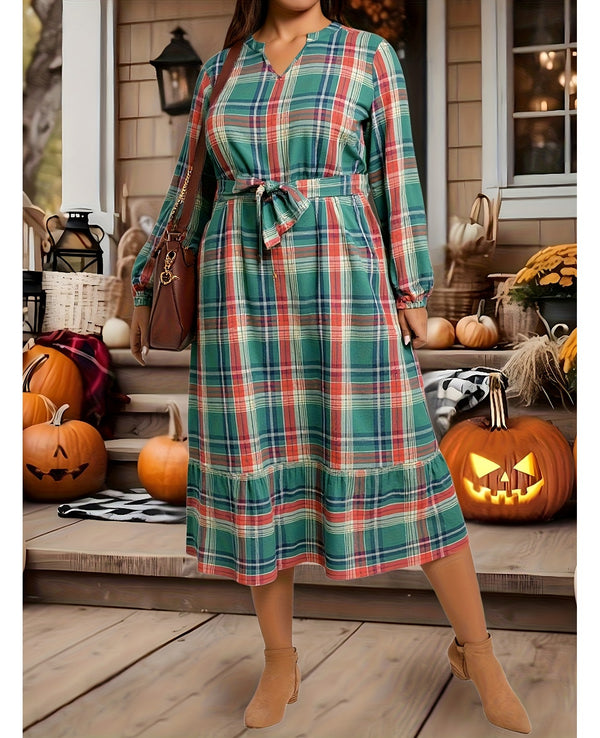
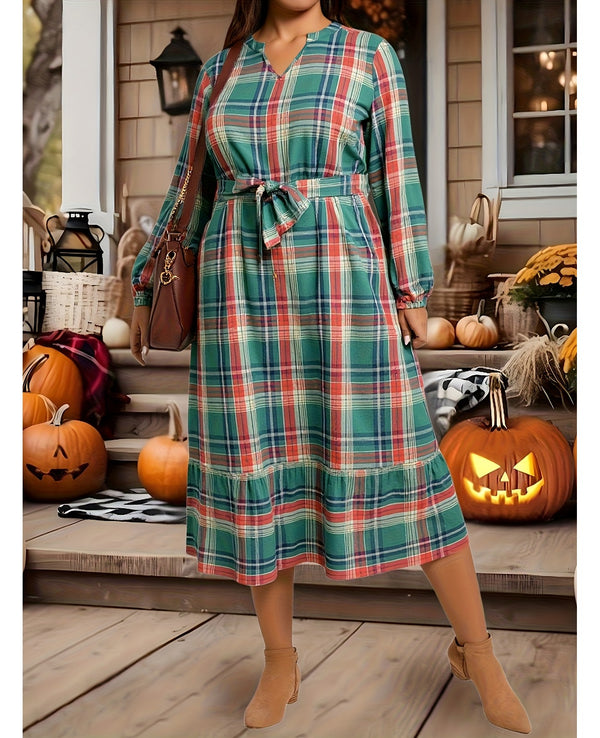
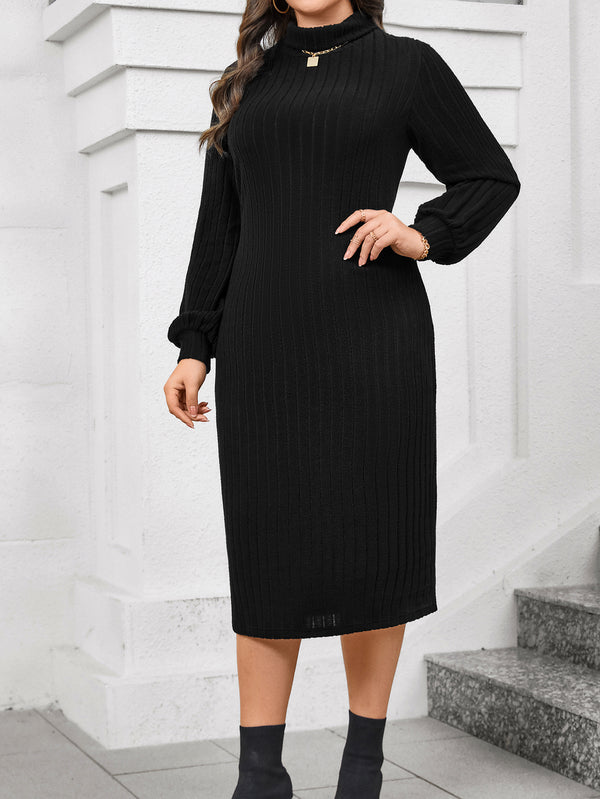
Tights Outfit Formula 1 — Classic Winter: 80-denier opaque black tights + midi sweater dress + knee-high boots + wool coat. This is the quintessential cold-weather look that works for almost any occasion.
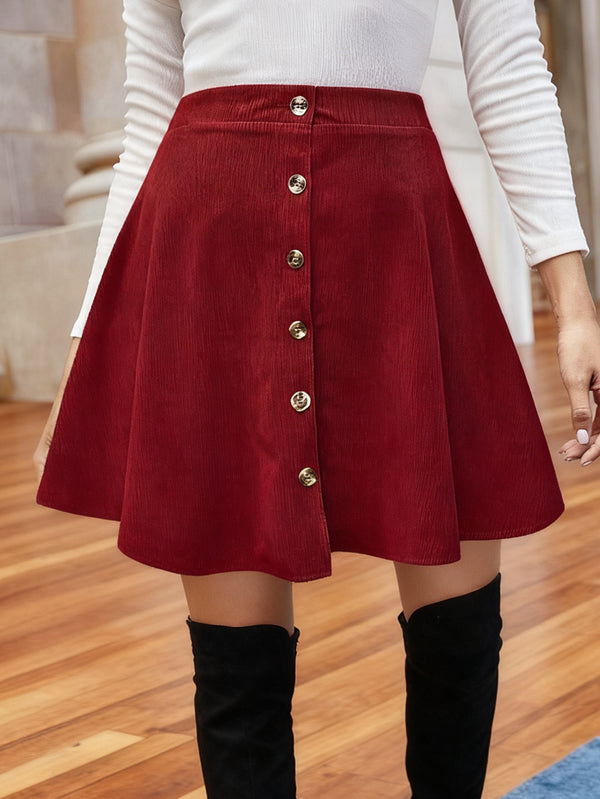
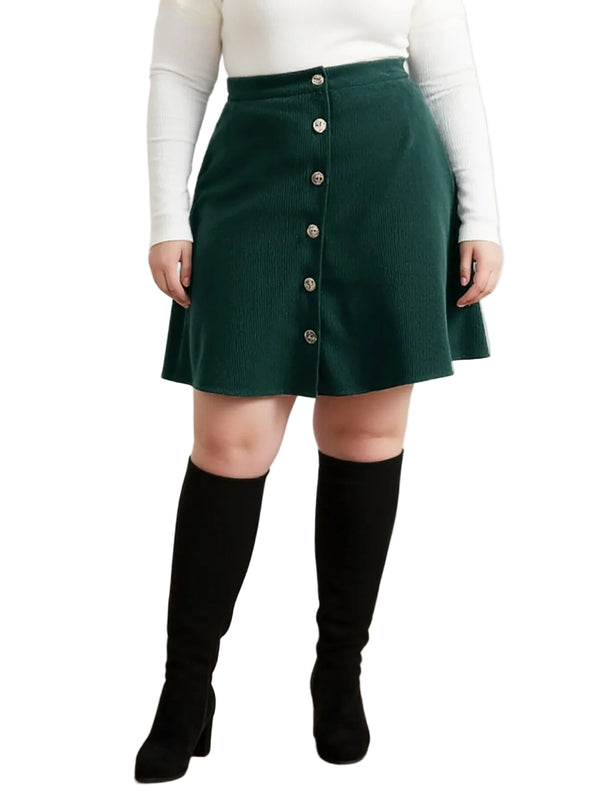
Tights Outfit Formula 2 — Transitional: 40-denier semi-opaque tights + A-line mini skirt + tucked-in turtleneck + loafers. The slightly sheer tight adds polish without adding visual weight, and the A-line skirt is universally flattering on plus-size figures.
Tights Outfit Formula 3 — Evening: Sheer black tights (15-20 denier) + velvet mini dress + pointed-toe heels + statement earrings. Sheer tights with an elegant dress create a leg-lengthening effect, especially when your tights and shoes are the same color.
Frequently Asked Questions
Can I wear leggings to work in an office setting?
Leggings can work in a business-casual office when styled as pants — meaning your top or tunic must fully cover your rear and upper thighs, and the leggings should be thick, structured, and in a dark neutral like black, charcoal, or deep navy. Ponte-knit leggings are the best choice because they have the structure of a slim trouser. Pair them with a long blazer, silk blouse, and loafers or low heels. If your office has a formal dress code, stick with traditional trousers and save leggings for weekends.
How do I stop my tights from rolling down at the waist?
Tights roll down for two main reasons: they are too small for your hip measurement, or the waistband lacks sufficient structure. Size up one size from the package recommendation — this gives the fabric enough ease to stretch comfortably without the constant downward pull. Look for tights labeled with "comfort waistband" or "stay-put waistband" which have a wider, more substantial elastic. For extra security, you can layer a pair of lightweight shaping shorts over your tights; the shorts grip the tights and prevent any rolling or sliding.
Are fleece-lined leggings the same as thermal tights?
No, they serve different purposes despite looking similar. Fleece-lined leggings are leggings with a soft, brushed interior — they are fully opaque, have a structured waistband, and are designed to be worn as pants. Thermal tights are hosiery with a brushed or fleece interior, but they are still tights: they have a sheerer finish, minimal seaming, and are meant to be worn under skirts or dresses. If you want warmth without a covering layer, choose fleece-lined leggings. If you want warmth under a dress, choose thermal tights.
What shoes work best with leggings versus tights?
With leggings, the most flattering shoe choices create a continuous visual line: ankle boots that meet the legging hem, sleek sneakers for casual looks, or ballet flats for warmer weather. Avoid chunky ankle-strap shoes that cut the leg line at its narrowest point. With tights, the most elongating option is to match your shoe color to your tights color — black tights with black pumps, nude tights with nude heels. Ballet flats, loafers, knee-high boots, and pointed-toe heels all work beautifully. The one combination to avoid is tights with open-toed shoes, which creates a confusing seasonal mismatch.
At the end of the day, both leggings and tights deserve a place in every plus-size wardrobe. The trick isn't choosing one over the other — it's knowing exactly when and how to wear each so that your outfit feels effortless, intentional, and completely you. Explore our plus-size leggings collection for opaque, high-waisted styles designed with curves in mind, or browse our curated tights selection for everything from sheer everyday hosiery to fleece-lined winter essentials.