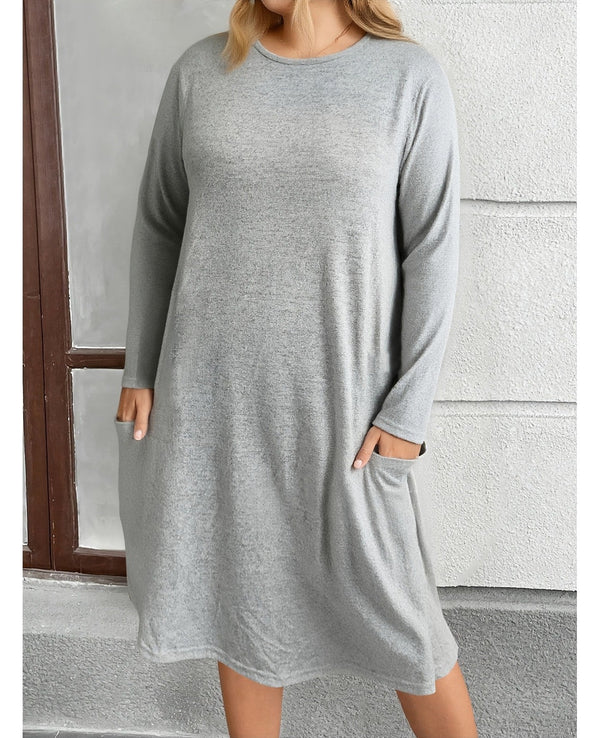
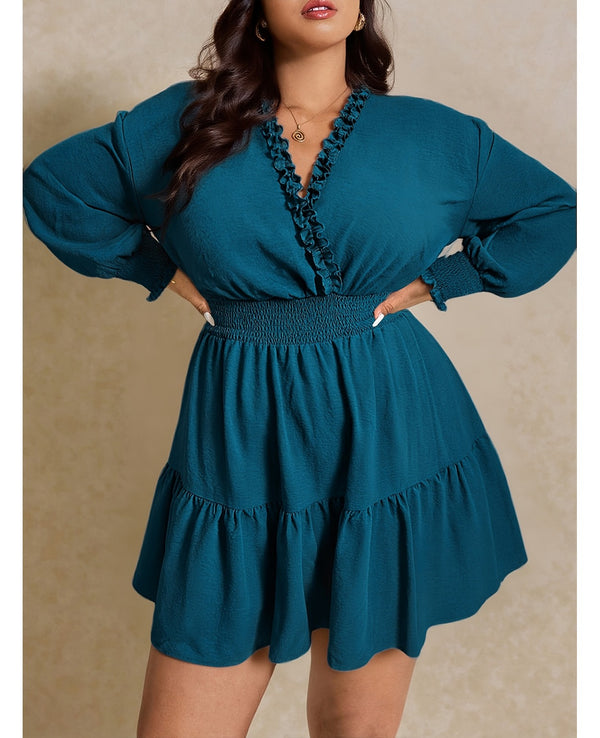
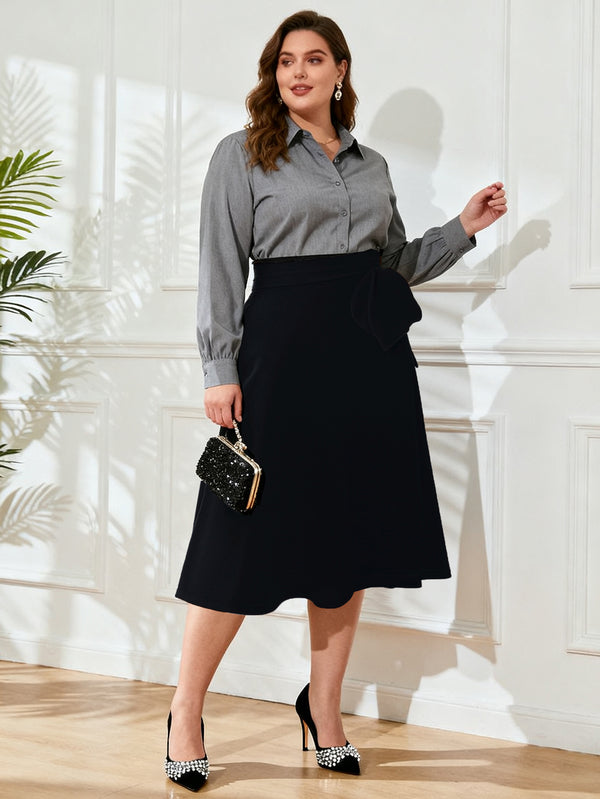
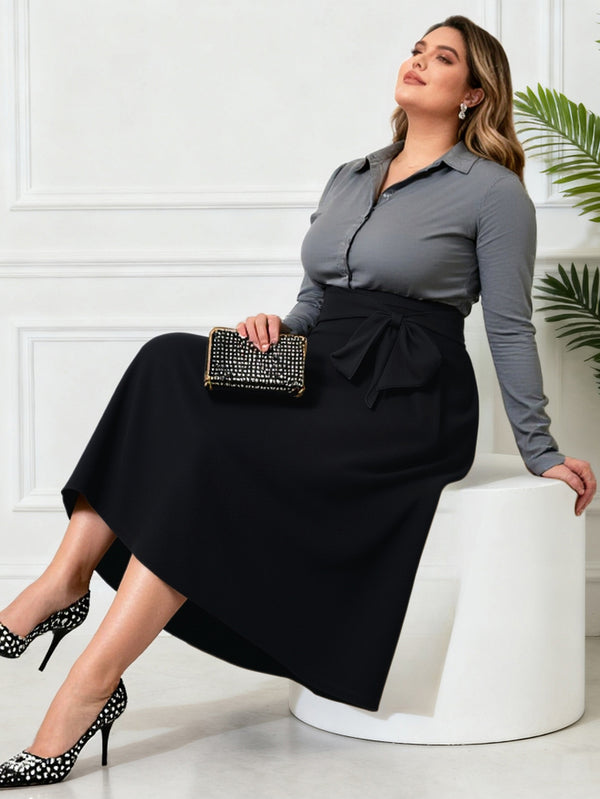
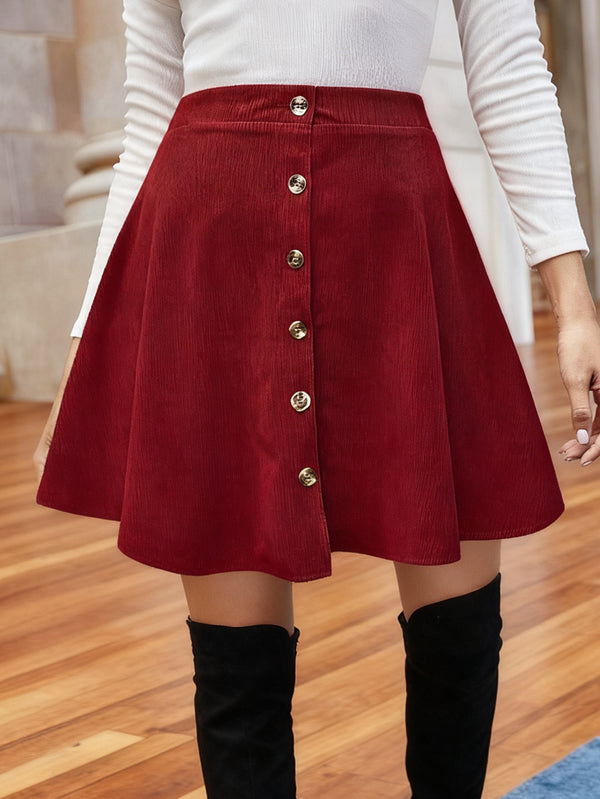
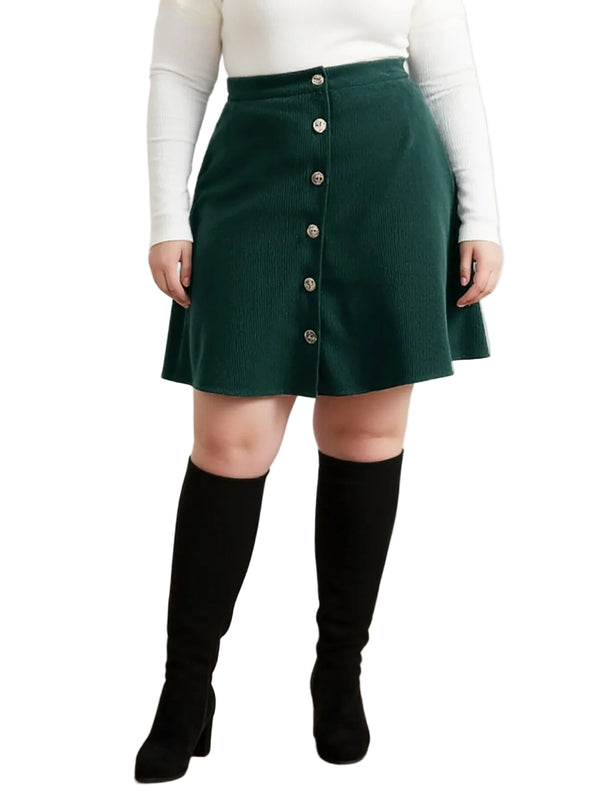
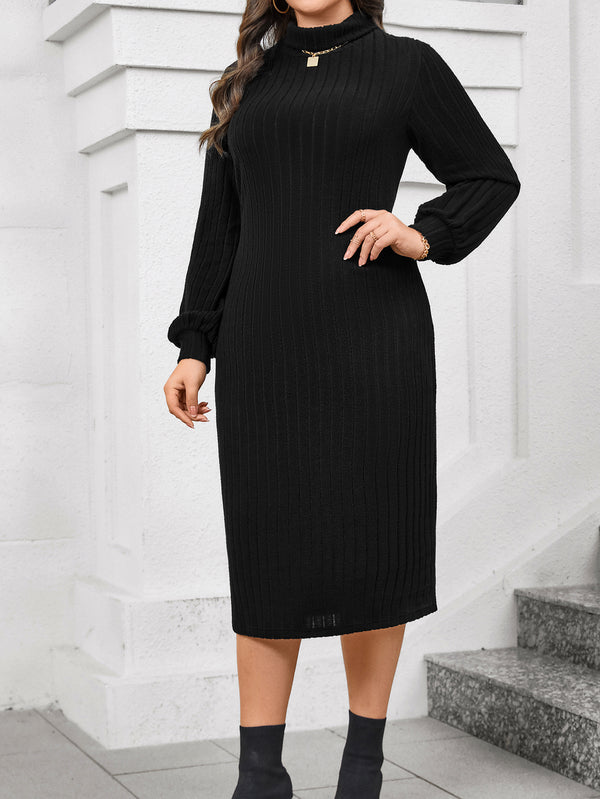
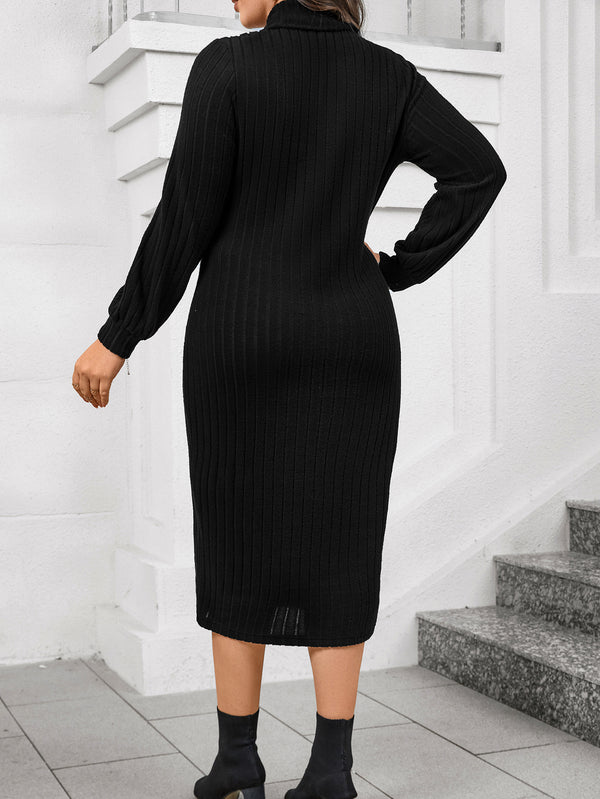
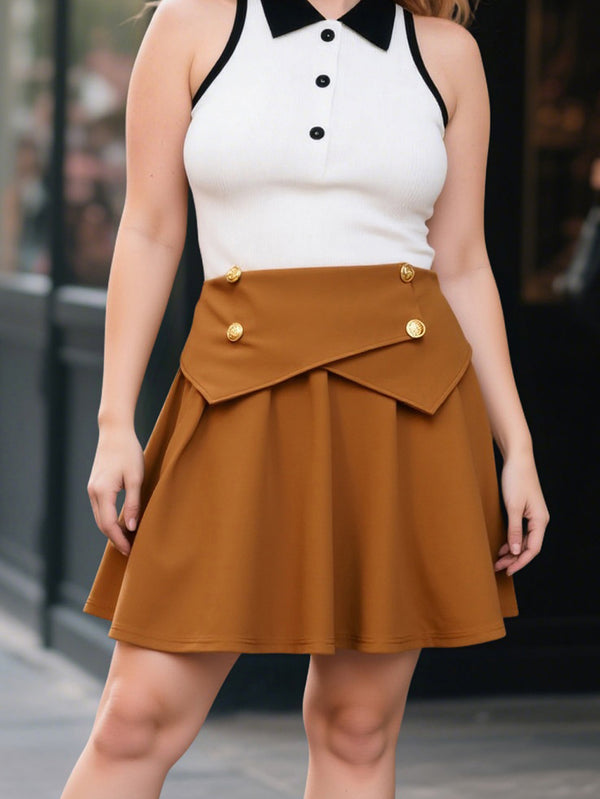
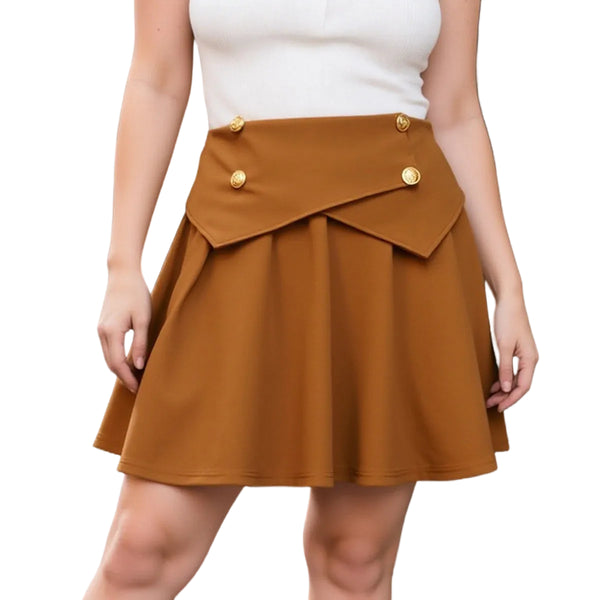
If homecoming season is creeping up on the calendar, you are in good company hunting for plus size homecoming dresses that actually fit a real, curvy body and feel amazing on the dance floor. Unlike a formal prom gown or a wedding guest look, homecoming leans shorter, lighter, and far more forgiving on dress code. This guide walks you through silhouettes, fabrics, sizing, support, and a realistic countdown so you can shop with confidence. Whether you are a student picking your own look or a mom helping someone you love, the goal is simple: find a dress that moves with you, not against you. Our favorite plus size homecoming dresses this year balance school dress codes with real personal style, so you never have to choose between following the rules and feeling great. Start early, measure honestly, and the whole process gets a lot calmer.
How Homecoming Dress Codes Differ From Prom
Homecoming and prom get lumped together in a lot of advice, but the two events ask for very different dresses. Prom is the senior-year finale: long gowns, full formality, and a red-carpet mood. Homecoming is the early-season dance, often held in a school gym or cafeteria, and the vibe is friendlier and more relaxed. Knowing where homecoming sits on the formality scale helps you spend your money on the right kind of dress instead of over-buying a gown you will wear once.
Why homecoming dresses run more relaxed
Most homecoming dances welcome shorter hemlines and lighter fabrics. You are not expected to sweep the floor; you are expected to dance, take photos, and enjoy a casual-celebration atmosphere. That freedom is good news for curvy shoppers, because shorter cuts are easier to tailor, faster to ship, and far more reusable for other events like birthday dinners or winter formals. A dress you can wear again is a dress worth buying, and homecoming's relaxed code makes that reuse realistic.
The hemline rules schools actually enforce
Every school writes its own handbook line, but a common rule is that the hem must reach roughly fingertip length or mid-thigh when standing naturally. Typical homecoming hemlines land between 15 and 22 inches from the waist, which usually sits a few inches above the knee. Measure yourself in the mirror, arms relaxed at your sides, and check where your fingertips fall before you commit to a mini cut.
Straps, backs, and neckline boundaries
Some schools still require straps and ban backless or plunging styles. A dress with thicker straps, a halter, or a modest scoop back keeps you inside the rules while still feeling dressy. If the handbook is unclear, email the activities office before you buy; a returned dress costs more than a two-minute question.
Silhouettes That Genuinely Work on Curvy Shapes
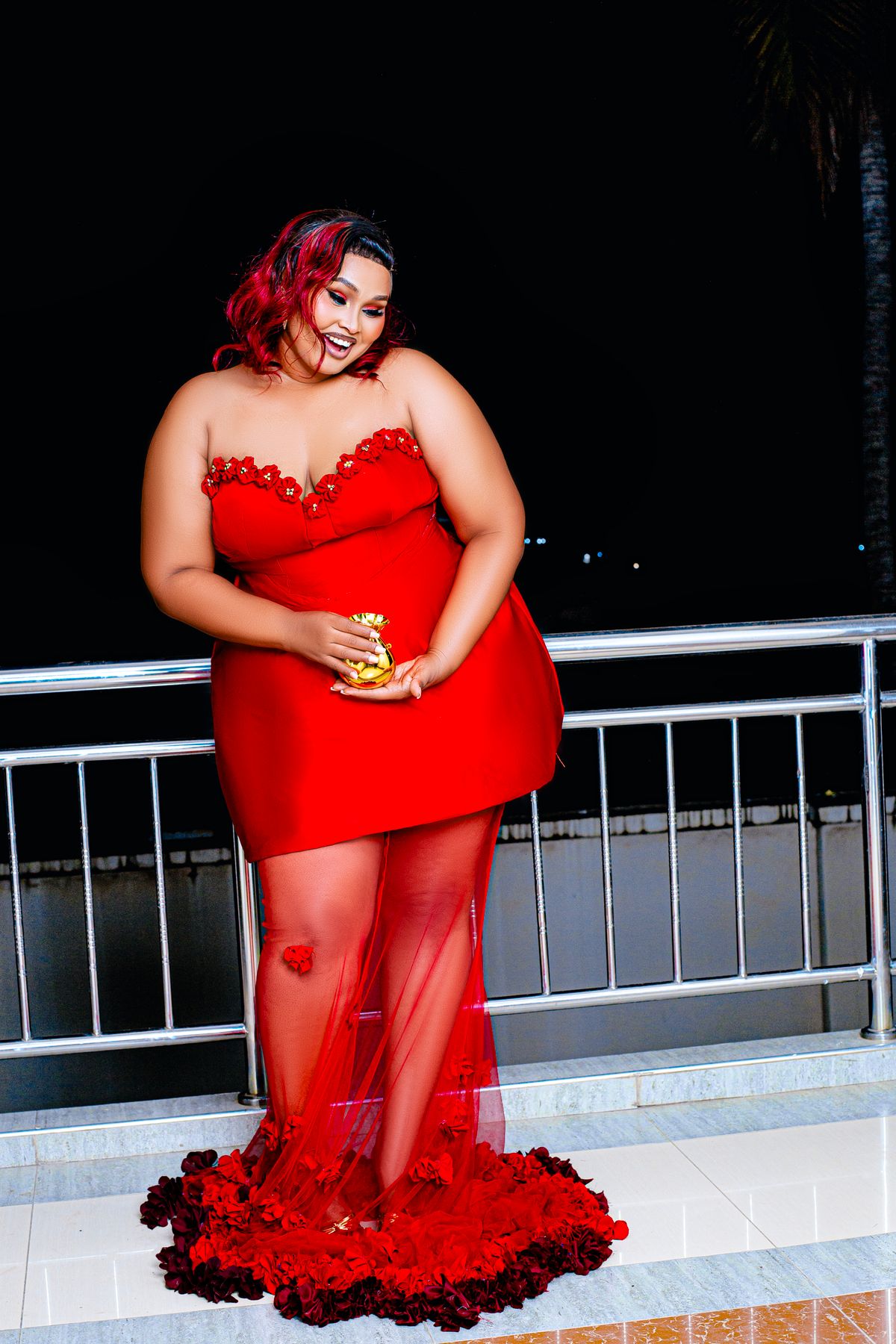
The word "flattering" gets overused, so let us reframe this: the right silhouette is the one that lets you breathe, move, and feel like yourself. Different curvy body shapes settle into different cuts, and the best homecoming look is the one you stop thinking about once you are on the floor. When you shop for plus size homecoming dresses, start with your body shape rather than a trend, because the cut that suits your friend may fight your frame, and the reverse is just as true.
A-line for balance and easy movement
An A-line skirt flares gently from the waist and skims the hips without clinging. It is the safest pick for pear and hourglass shapes because it balances proportions and hides nothing you did not choose to show. Look for a structured bodice so the flare reads intentional rather than tent-like.
Fit-and-flare to define the waist
Fit-and-flare hugs the bust and waist, then releases into a fuller skirt. It celebrates an hourglass figure and gives apple shapes a clear waistline. The defined seam at the natural waist is doing real work, so size the bodice to your true measurements rather than guessing down.
Bodycon when you want to own the room
Bodycon is unapologetic, and many curvy women rock it beautifully when the fabric has recovery. The trick is spandex content: aim for at least 5 percent spandex in a knit bodycon so the dress springs back instead of bagging at the seat by midnight. Pair it with smoothing underwear only if that is your preference.
Empire waist for gentle comfort up top
An empire cut drops the waistline just under the bust, which relieves pressure on a fuller tummy and suits apple and rectangle shapes. It also shortens the visual torso, a nice bonus for taller dancers who struggle with where standard dresses end.
Wrap dresses for an adjustable fit
A wrap style lets you control how snug the bodice feels, which is forgiving when brands grade plus sizes inconsistently. The crossover front frames the neckline and the tie sits wherever you like. Just secure the inner button or snap so the wrap stays put through a fast song.
Tiered skirts for playful volume
Tiers add movement and a youthful feel without adding weight. On a curvy frame, keep tiers starting below the hip so they flounce rather than add bulk at the widest point. Tulle or chiffon tiers read festive under gym lighting without looking like a wedding cake.
Fabric Behavior Under Gym and Venue Lighting
Where you dance changes how a fabric looks, because harsh overhead lights and flash photography expose things soft bedroom lighting hides. Picking the right cloth is as important as picking the cut. A fabric that looks fine in a product photo can turn unforgiving under a gym's fluorescent panels, so weigh the cloth as carefully as the color when you compare options side by side.
Satin and its lighting double edge
Satin photographs like a dream and catches every spotlight, but its sheen also reveals every seam, dart, and underwire line. If you love satin, choose a lined version and accept that you may want shapewear for a smooth base. Matte satin is kinder than high-shine charmeuse for everyday body confidence.
Crepe as the reliable workhorse
Crepe has a subtle texture that hides imperfections and breathes well through a warm gym. It drapes cleanly, resists wrinkles in a backpack, and rarely shows panty lines. When in doubt for a first homecoming, crepe is the dependable choice. It also travels well if the dance is at another school, since you can fold it in a garment bag and steam out any creases in a bathroom ten minutes before photos.
Tulle for volume without weight
Tulle brings ballerina lightness and reads beautifully under colored venue lights. A tulle overlay on a lined knit base gives you volume while the lining keeps things opaque. Too many scratchy layers, though, can itch; check that the top layer is soft bridal-grade tulle.
Sequins and velvet for autumn evenings
Sequined bodices catch light like jewelry and are forgiving on the torso, though they can weigh a dress down if used head to toe. Velvet feels luxe and warm for an October dance but shows lint and creases, so steam it before you leave. Both suit the cooler homecoming window better than summer cottons.
Which fabrics reveal every seam
Satin, silk, and thin polyester charmeuse are the usual suspects that broadcast every internal seam and underwire. If a dress is made in those fabrics, a quality lining is non-negotiable. Crepe, jersey, and heavier knits are far more forgiving and friendlier to a dance-floor confidence.
Sizing, Measuring, and Buying Plus Online
Plus grading is inconsistent across brands, which is why measuring your own body beats trusting a single size label. Take measurements in your everyday underwear, keep the tape level, and write the numbers down before you open any size chart. Finding well-fitting plus size homecoming dresses online starts with honest measurements, because the size printed on the tag tells you almost nothing about how the bodice will actually close across a real curvy frame.
Bust, waist, and hip measurement
Measure the bust at the fullest point, the waist at its natural narrowest, and the hips at the widest part about 7 to 9 inches below the waist. Do not suck in or pull tight; the tape should sit like a comfortable hug. These three numbers are your real size, whatever the tag says.
Understanding hollow to hem
Hollow to hem is the distance from the base of your throat (the hollow) to where you want the hem. It tells a brand how long the dress should be for your height. Stand straight, measure down the front, and compare to the listed length; this single number prevents most too-short or too-long surprises.
Why plus grading is inconsistent online
One brand's 2X can be another's 18, and waist ease varies wildly. Some labels simply scale a straight-size block outward, which skews the bust and shoulder proportions on a genuinely curvy body. Read recent reviews from shoppers with similar measurements and trust their photos over the model shot.
Reading size charts without guessing
Open the chart, find your largest measurement, and size to that, then note where the dress will be looser. If your bust and waist span two sizes, the safer move is often the larger size with a quick tailor nip at the waist. A dress that zips but strains is never worth the risk.
Ordering two sizes when in doubt
When a brand offers free returns, ordering two sizes is smart insurance. Keep the one that fits the bodice cleanly and return the rest within the window. This removes the panic of a single shipment arriving the week of the dance with no backup plan. Try both on at home with your actual shoes and the bra you intend to wear, because the dress that looks right on the hanger can behave very differently once you sit, spin, and reach for a photo.
Bust Support, Sleeves, and Strap Options
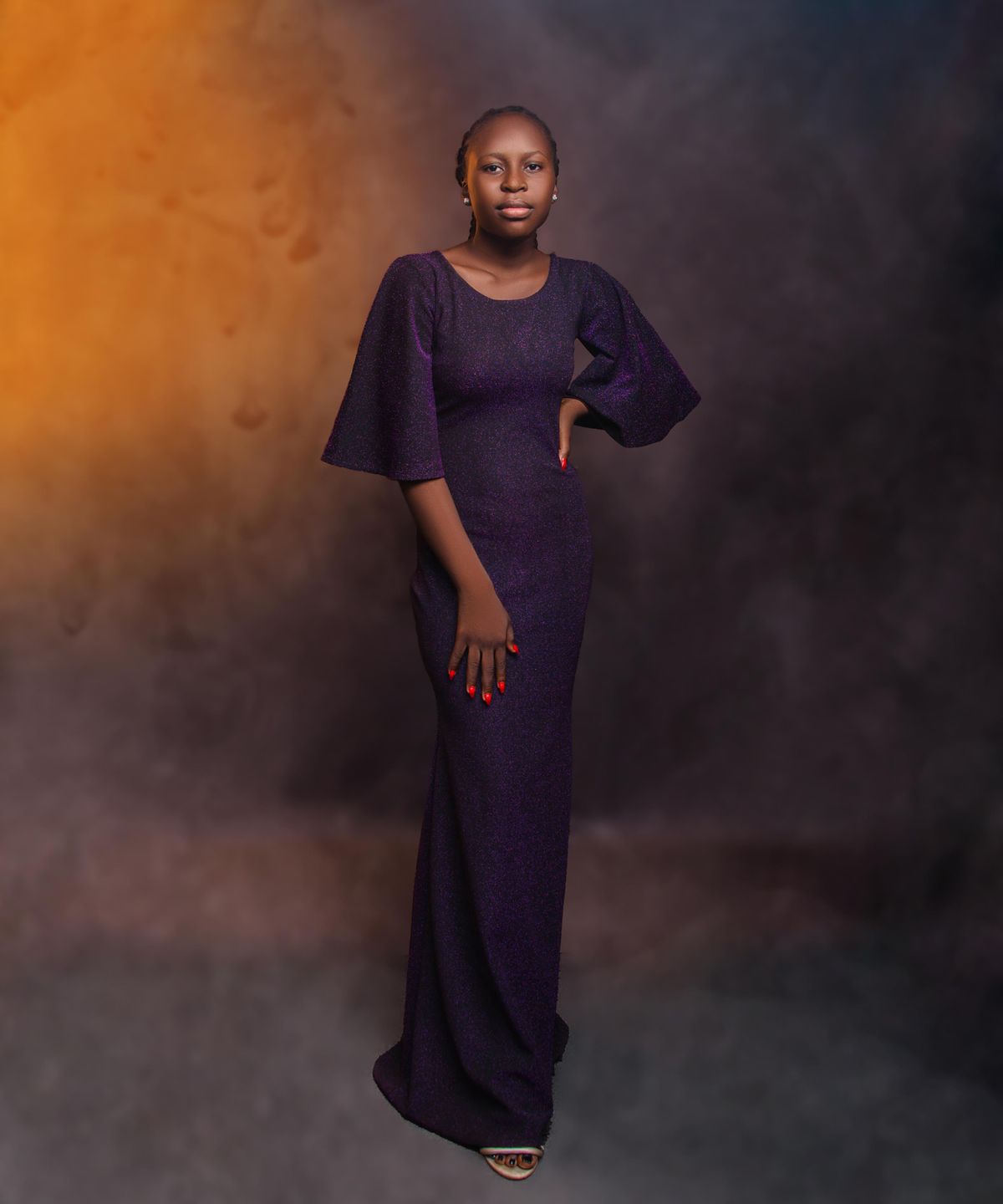
Comfort up top makes or breaks a dance night. The right support and coverage let you move without constant adjusting, and dressy options exist for every comfort level. Think of support as the foundation of the whole look; when the bodice feels secure, you stand taller and smile more in every photo, and you stop worrying about a strap slipping mid-song.
Built-in cups versus separate support
Many plus homecoming dresses include light boning and soft cups, which is enough for smaller busts or padded bras. If you need real lift, plan on a supportive strapless or convertible bra and confirm the dress straps or neckline will hide the edges. Do not assume built-ins will do the heavy lifting for a G cup.
Sleeve options that still feel dressy
Cap sleeves, flutter sleeves, and three-quarter lengths offer arm coverage while keeping the look celebratory. Sheer mesh sleeves are especially pretty under lights and read formal rather than covered-up. You do not have to bare your arms to look ready to dance.
Strap choices and staying secure
Wider straps distribute weight and stay put better than thin spaghetti during fast songs. A halter or racerback can replace a bra's job for some shapes. Where the school allows, a strappy open back adds interest without breaking length rules.
Hem Length, Comfort Engineering, and Dancing All Night
A homecoming dress has one job after photos: survive hours of dancing. Small engineering details decide whether you are comfortable or counting the minutes. The difference between a forgettable rental and a favorite memory is often a little stretch and a thoughtful lining you never see but feel all night long.
Hem length for taller curvy figures
If you are over about 5 feet 8 inches, standard plus lengths may stop higher on the thigh than you like. Seek brands that list hollow-to-hem above 40 inches or offer tall variations, and budget a little for letting down a hem if the seams allow it.
Hem length for shorter curvy figures
Shorter dancers often find standard hems drift toward the knee. A 15 to 18 inch waist-to-hem mini keeps you inside school rules while still reading as a dress, not a tunic. Petite plus sections, when available, save you a tailoring trip.
Stretch content and the lining test
Check the fabric blend: knits with 5 to 10 percent spandex move with you, while rigid woven bodices need precise fit. A proper lining prevents chafing and stops the dress from going sheer when a flash hits. Always do a seated test at home before the event.
Shapewear as a personal choice
Shapewear is optional, full stop. Some dancers love the secure feeling; others are happier without it. If you choose it, pick breathable, non-roll shorts and skip anything that restricts your breathing during a workout-level dance set. Your comfort is the only valid reason to wear it.
Layering, Shoes, Budget, and Your Countdown
The finishing touches and the timeline are where calm shoppers pull ahead. A small plan removes the last-minute scramble that ruins otherwise great dresses. Budgeting for plus size homecoming dresses does not mean sacrificing fit; it means spending where the dress touches your body and saving where it merely decorates, so the money follows comfort first.
Tights, hosiery, and cool evenings
October homecomings get chilly, and our plus size dress collection pairs well with opaque tights or fleece-lined hosiery for warmth that still looks polished. A sheer black tight keeps legs covered without heavy boots, and you can peel a layer if the gym heats up.
Shoes and heel height for a gym floor
Gym floors are unforgiving, so a 2 to 3 inch block heel or a cushioned wedge beats a 4 inch stiletto. You will stand and dance for hours, and stability matters more than drama. Break shoes in during the week before so blisters do not crash the party.
Budget versus splurge and tailoring
A sensible homecoming budget lands around 60 to 150 dollars for the dress, with 20 to 40 dollars reserved for tailoring. Spend the splurge on fit and fabric, not on a label. A 70 dollar crepe dress taken in at the waist outshines a 200 dollar satin that gaps. For longer options, browse our plus size maxi dresses collection for inspiration you can adapt.
Your week-by-week countdown checklist
Working back from the dance: at 6 weeks, order two sizes of your top picks. At 4 weeks, choose and return extras. At 3 weeks, book a tailor. At 2 weeks, confirm shoes and tights. At 1 week, steam the dress and do a full dress rehearsal at home. Two days out, pack a small repair kit with safety pins and double-sided tape.
Frequently Asked Questions
Quick answers to the questions curvy homecoming shoppers ask most often.
What length is acceptable for a plus size homecoming dress?
Most schools accept hemlines around fingertip or mid-thigh length, typically 15 to 22 inches from the waist. Check your handbook, then measure yourself in a mirror before buying a mini cut.
How do I buy plus size homecoming dresses online when sizing is inconsistent?
Measure bust, waist, and hip, then size to your largest number and read reviews from similar bodies. Ordering two sizes with free returns is the safest way to avoid a too-tight bodice the week of the dance.
Which fabric is most forgiving under harsh dance lighting?
Crepe and heavier knits hide seams and lines best, while satin and charmeuse show every detail. Choose a lined crepe if you want confidence under gym lights and flash photos.
Do I need shapewear with a curvy homecoming dress?
No. Shapewear is a personal preference, not a requirement. If it makes you feel secure, choose breathable non-roll styles; if not, skip it and focus on a dress with the right stretch and lining.