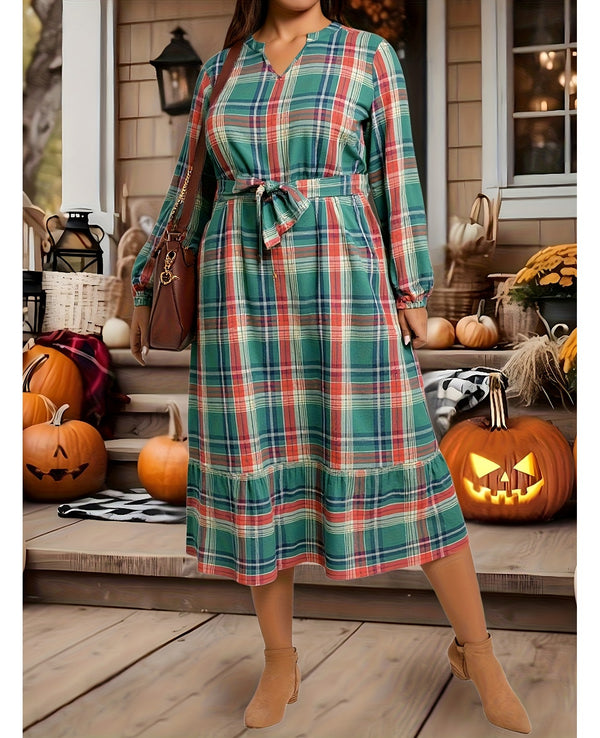
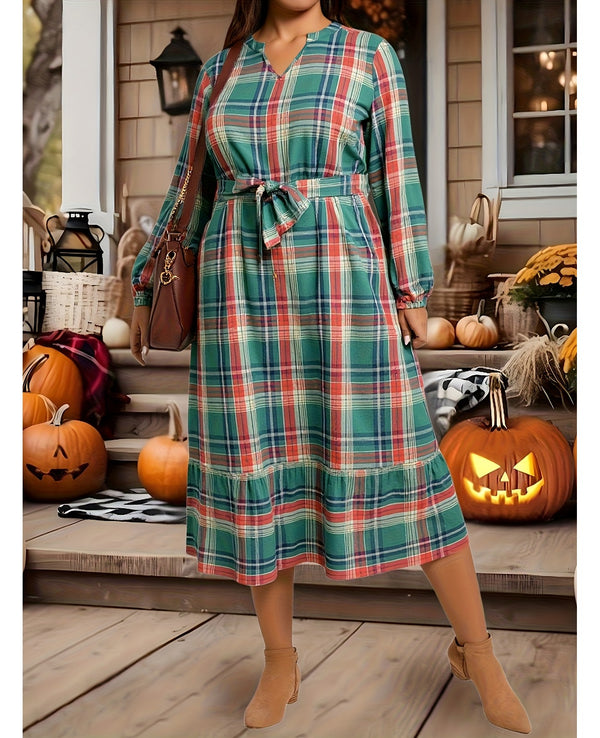
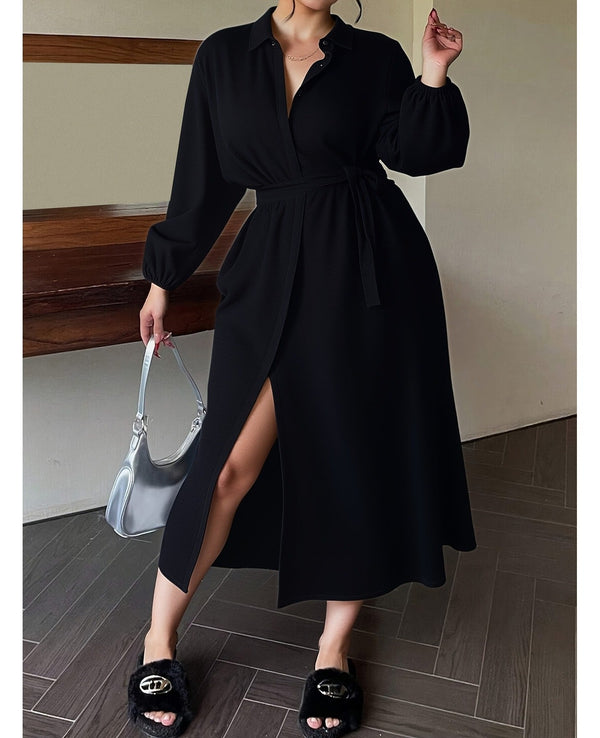
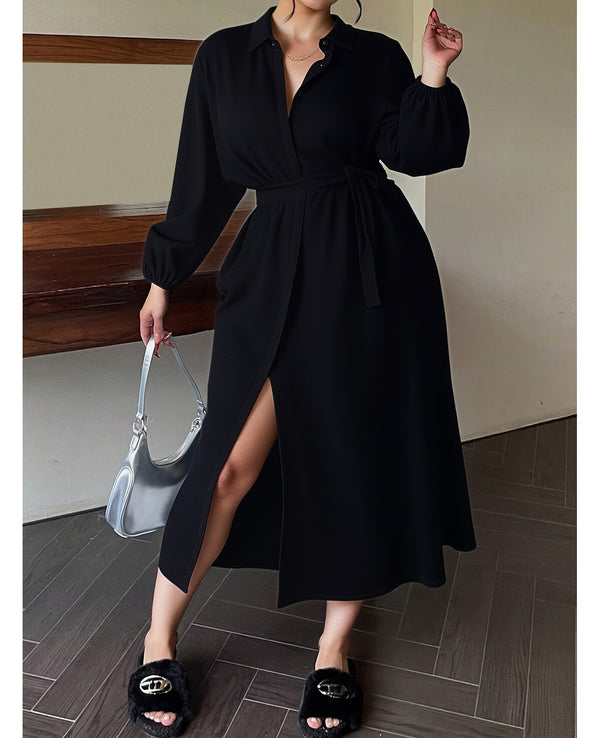
Plus size slip dress outfits with flannel are ideal for early fall because each layer can change as the temperature does. A satin or matte slip dress supplies movement; a tee or turtleneck adds coverage and warmth; brushed plaid flannel makes the outfit casual and practical. Sneakers, loafers, and ankle boots take the same dress through a market morning, a relaxed office, or dinner. The combination works best when straps, bust, lining, shirt room, and shoe choice support your body instead of forcing you to manage the clothes all day.
Slip dresses are sometimes presented as delicate garments for one narrow body type, but the silhouette belongs to anyone who enjoys it. You can wear the dress close to the body, choose a soft skim, or size for a looser column. You can layer underneath, over it, or both. Flannel does not have to hide the dress or the body; it adds texture, warmth, and a grounded fall mood. This guide focuses on fit and repeatable styling rather than rules about making curves disappear.
Choose a slip dress that layers without pulling
Begin at the bust and armholes. Straps should sit securely without cutting, and the neckline should remain where you want it when you reach forward. If the dress has a side zipper, check that it closes smoothly over every layer you plan to add. Adjustable straps can help with neckline and length, but they cannot fix a bodice that is too narrow. Sit, bend, and raise your arms to see whether the dress shifts dramatically.
Fabric determines how the dress moves. Satin reflects light and slides easily over a tee, while matte crepe feels quieter and may offer more texture. A bias cut follows the body's curves and can change length across the hip; a straight cut hangs differently. Neither is automatically better. Check the front, side, and back during movement, and make sure the lining has enough room for your stride.
Length matters with fall shoes. A midi hem shows ankle boots, loafers, tights, and sneakers clearly. Maxi lengths provide drama and warmth but need enough clearance for wet pavement and stairs. A side slit can improve movement; check its height while seated. You choose how much leg to show. Shorts, a slip, or tights underneath can add comfort without changing the outfit's visible intent.
Browse the plus size dress collection with bust room, finished length, strap adjustment, fabric, and care needs in mind. Compare measurements with a dress you already wear comfortably. A size label cannot predict how a bias cut or lining will respond to your body; garment details and a full movement test can.
Select flannel that works as a real layer
A flannel shirt needs enough upper-arm, shoulder, and back room to sit over the dress and any base layer. Reach forward as if driving or carrying a bag. If the shirt pulls across the back or the sleeves bind, size up or try a roomier cut. Oversized is a style choice, not a requirement; a closer shirt can work when it still moves and buttons without tension.
Plaid scale and color set the mood. Burgundy and cream feel classic beside black satin. Rust and navy warm an olive dress. Charcoal and cream make deep navy feel modern. Large checks read boldly, while smaller plaids create quieter texture. There is no need to avoid a large pattern on a larger body. Choose the scale you enjoy and make sure the colors connect with at least one layer or shoe.
Wear the shirt open, button a few center buttons, tie it at the waist, or use it like a lightweight jacket. An open flannel shows the dress silhouette and provides an easy vertical frame. A waist tie creates a focal point but should not compress your stomach or distort the satin. When tying, use a loose secure knot and check that the shirt tails do not catch on the dress as you walk.
Brushed cotton feels cozy but can grip satin or create static. Test the fabrics together. A smoother flannel may slide more easily, while a matte dress may cooperate with heavier texture. Check care labels before laundering the pieces together; dyes and shrinkage can differ. The best layer is not simply the softest one in the store but the shirt that remains comfortable and keeps its intended shape over your outfit.
Build an easy market or weekend outfit
An olive slip dress over an ivory fitted tee creates a comfortable daytime base. Tie a rust-and-navy plaid flannel at the waist and add cream sneakers. The tee makes the neckline casual, the flannel brings fall texture, and the sneakers support walking. Check that the tied sleeves do not squeeze or loosen with movement. If you prefer less definition, wear the flannel open instead.

For a cooler morning, add opaque brown or burgundy tights. Make sure the dress lining glides over them and the sneaker has enough room for the extra layer. A cropped denim jacket can go over the flannel if the sleeves are not crowded, but three upper layers may become bulky. Often a warmer coat over a tee, dress, and one flannel is more comfortable than stacking several fitted jackets.
A crossbody bag keeps hands free at a market or museum, but choose a strap that does not pull the flannel collar or roughen satin. If the bag repeatedly rubs one spot, shorten the strap or place it over the shirt rather than the dress. Small practical adjustments protect the fabric and keep the layers where you intended them.
On a casual travel day, leave the flannel open over the dress and tee, then wear supportive sneakers and a soft jacket. The slip dress offers ease at the waist, but the fabric must remain comfortable after hours of sitting. Test the back seam and any zipper against a chair. Pack the flannel in an outer pocket when the temperature rises so you can adjust without changing the foundation.
For a neighborhood lunch, try a chocolate slip dress over a striped cream tee with an olive-and-navy flannel worn open. Add brown sneakers or flat boots and a compact shoulder bag. Keep the stripe subtle if you want the plaid to lead, or let both patterns show by repeating one color across them. Pattern mixing is successful when you enjoy the relationship and the fabrics move together, not when it follows a formula about body size.
Make flannel and a slip dress work for polished settings
A deep navy slip dress over a thin camel turtleneck can feel polished without becoming formal. Add a charcoal-and-cream plaid flannel worn open, burgundy tights, and dark brown loafers. The turtleneck provides a smooth base, the flannel adds texture, and the tights connect the dress to the shoes. Choose a fine knit that does not bunch under the straps or make the neckline feel crowded.

For a casual office, choose a flannel with a restrained plaid and a hem that looks intentional worn open. Steam or press according to the care label so the collar and cuffs sit neatly. A structured tote and simple earrings can sharpen the outfit. If your workplace is more formal, replace the flannel during meetings with a blazer and use it for the commute or after-work plans.
Loafers, pointed flats, and low ankle boots all support a polished version. Ensure the shoe interior will not snag tights and that the sole works on wet walkways. A block heel is optional. The outfit should let you walk, stand, and sit naturally. If you change your stride to protect the dress or tolerate the shoe, the styling system needs adjustment.
For dinner, wear a black slip dress over a cream long-sleeve tee with burgundy plaid flannel and brown boots. Roll the sleeves only if the cuff remains comfortable. Add one polished element such as a satin bag, metal earring, or smooth leather boot. The contrast between satin and brushed cotton creates interest without requiring extra decoration.
A monochrome base can make plaid feel especially intentional. Wear a navy slip dress over a navy fine-knit top with navy tights, then add a rust-and-cream flannel and brown loafers. The repeated navy creates continuity without trying to erase your shape. Check the navy pieces in daylight because undertones vary; if they are not identical, let the variation read as texture instead of chasing a perfect match.
Adapt the outfit for weather, tights, and outerwear
In mild October weather, the flannel can serve as the outer layer. In cooler conditions, add a trench, wool coat, or roomy utility jacket. Check sleeve space over the flannel and base layer. If the coat binds at the upper arm, it will pull the entire outfit upward. Raglan sleeves or a more generous armhole can improve movement without changing the look.
Tights extend a slip dress into colder weeks. Navy, burgundy, brown, and charcoal all work, depending on the dress and plaid. Use the size chart and choose a waistband that remains comfortable beneath the dress and any base layer. Semi-opaque tights keep the outfit lighter; opaque or thermal styles add warmth. Test the shoe again because thicker hosiery changes fit.
A slip underneath may sound redundant, but it can help an unlined dress glide over tights or protect skin from a rough seam. Choose a neckline and length that stay hidden during movement. If the dress already has a smooth roomy lining, another layer may add unnecessary heat. Use supporting pieces only when they solve a real problem.
Rain requires attention to the hem. A midi dress is easier to keep above puddles than a maxi, and boots with grip may replace loafers. Protect satin according to its care instructions and avoid improvised treatments that could stain. Carry a compact umbrella and use a coat long enough to shield the upper dress. Weather planning is part of styling because it lets the clothes remain wearable instead of precious.
When the day starts cold and becomes mild, use the flannel as the adjustable layer rather than choosing the heaviest dress. A breathable tee, medium-weight slip dress, open shirt, and coat offer several temperature settings. Remove the coat indoors, tie the shirt at the waist later, or place it in a bag without changing the dress. Verify that every stage still has the coverage and pocket access you want before leaving home.
A scarf can add warmth without hiding the relationship between flannel and dress. Choose a smooth weave that does not roughen satin straps and a length that stays clear of bag hardware. Gloves and a soft hat add removable warmth on the commute. If indoor heating is strong, these accessories are easier to store than a second heavy knit layer trapped underneath the dress.
Create repeatable formulas and care for the fabrics
Build three formulas. Weekend: olive slip dress, ivory tee, tied rust plaid flannel, cream sneakers. Polished casual: navy slip dress, camel turtleneck, charcoal plaid flannel, burgundy tights, brown loafers. City evening: black slip dress, cream long-sleeve tee, burgundy flannel, brown ankle boots. Change one item at a time after each formula proves comfortable.
Notice which layering position works best. An under-tee keeps straps and neckline visible; an open shirt frames the dress; a waist tie adds shape; a buttoned shirt turns the dress into a skirt-like lower layer. None is the correct method for every body. Use your movement, temperature, and preferred silhouette to decide. If a tie loosens or buttons pull, choose another configuration instead of blaming the body.
Satin and flannel often need different care. Read both labels, wash separately when instructed, and protect satin from rough zippers or hooks. Air-dry or press only at safe temperatures. Store the dress so straps do not stretch and the surface is not crushed by hardware. Fold or hang flannel according to its weight, and reshape collars and cuffs before drying when the instructions permit.
Keep a small repair kit with a spare button, safety pin, and stain cloth that is safe for the fabric. It will not solve every problem, but it can prevent a loose flannel button or tiny strap issue from ending the day. Test any cleaning product at home first; satin can mark easily.
Use belts only when they solve a styling or fit goal you actually have. A soft belt over the flannel can create shape, while a narrow belt beneath an open shirt can secure the dress visually. Neither is necessary, and both need a seated comfort test. Jewelry should also clear the satin neckline and flannel threads so clasps do not catch. One smooth earring or pendant can provide polish without adding another maintenance problem.
Before buying another slip dress, identify what your current one cannot do. Perhaps you need a matte daytime fabric, a longer lining, adjustable straps, or a color that works with more flannel shirts. Explore Moon Wood's plus size casual dresses with those gaps in mind. Purposeful comparison prevents a beautiful duplicate from becoming another piece that requires the same compromises.
FAQ
Can plus size women wear slip dresses?
Yes. Slip dresses can skim, follow, or fall loosely over a plus-size body. Focus on bust room, strap placement, armholes, lining, and movement rather than a rule about body shape. Layer a tee, turtleneck, flannel, tights, or jacket according to comfort and weather, not to hide your body.
What flannel color works with a black slip dress?
Burgundy and cream is a warm classic, while charcoal and white feels cooler and more minimal. Olive, navy, rust, or brown plaid can also work. Choose a pattern containing one color you already wear in shoes, tights, or outerwear so the outfit feels connected without requiring an exact match.
How do I stop a slip dress from clinging to tights?
A roomy smooth lining or compatible slip can reduce friction. Avoid over-drying fabrics, and use an anti-static product only when both care labels allow it. Test the outfit while walking and sitting. If the dress remains restrictive, try a different fabric or cut rather than adding more layers.
Which shoes work with a slip dress and flannel in fall?
Sneakers make the combination practical and casual, loafers add a preppy polish, and ankle boots provide warmth and weather protection. Match the shoe to the hem length and your plans. Check traction, toe room, and any rough edge that could damage tights or the dress.