Why Goth Leg Warmers Belong in Every Dark Wardrobe
Goth leg warmers are one of the fastest ways to shift an entire outfit into a different register. Pull a pair of black knitted leg warmers over tights and a plain skirt and the look suddenly reads as intentional, moody and a little theatrical, without buying a single new dress. That is the quiet power of this accessory: it sits at the ankle and calf, where the eye travels last, yet it changes silhouette, texture and temperature all at once. For plus-size women who already love dark, layered dressing, they are a practical upgrade rather than a costume.
The trend has been building for several seasons. Alt-fashion runways, K-pop street style and dark-academia mood boards all lean on the same trick: long ribbed knits that slouch down the calf and pool over a boot. Many brands now cut them with real stretch so the cuff fits a fuller calf instead of pinching. If you have ever pulled on a one-size leg warmer that rolled down within five minutes, you already understand why the fit matters more than the motif printed on it.
What separates alt-fashion leg warmers from plain ones
A plain leg warmer is a functional tube. A goth or lolita leg warmer is a design decision. The difference shows up in three places: the yarn (denser, often with a slight sheen or a visible cable), the finish (picot edges, ruffled cuffs, ribbon slots, open heels) and the motif (skulls, stars, stripes, spiderweb lace, crosses). Those details are what let a dark knit read as gothic rather than as gym wear from an earlier decade.
They are also genuinely useful. Knitted leg warmers add a layer exactly where tights are thinnest and coldest, they protect the ankle from boot rubbing, and they let you wear a favourite summer skirt well into winter. Styling them is less about following rules and more about learning a few proportion tricks, which is exactly what the rest of this guide walks through, section by section, with fit numbers and outfit formulas you can copy straight across.
One more reason they deserve a place in your rotation: they are forgiving. Unlike a fitted boot or a structured trouser, a knit adapts to the shape of the leg it is on, so you are never negotiating with a rigid seam. A leg warmer that fits your calf properly is comfortable on the first wear and stays comfortable through a long day on your feet.
Choosing Your Motif: Skulls, Stars, Stripes and Lace
The motif does the storytelling, so pick it deliberately rather than grabbing whatever is nearest. A skull-and-crossbone intarsia reads punk and irreverent; a scatter of tiny stars reads softer and more romantic; vertical stripes read sporty and elongate the calf line; lace or openwork panels read sweet lolita. None of these are wrong, but they pull an outfit in different directions, and mixing two loud motifs in one look usually muddles both.
Scale matters as much as subject
A single large skull centred on the calf is a statement that wants a plain skirt and plain boots. A repeating pattern of small stars or dots is quieter and works with prints, plaid and textured tights. As a rough rule, the busier your skirt or tights, the smaller and calmer your leg-warmer motif should be. If you cannot decide, a fine repeating pattern is the safer investment because it will survive more outfit changes.
Texture does the heavy lifting
Dark knits live or die on texture, because at a distance black-on-black pattern can disappear. Look for cable knit, ribbing, waffle stitch, mock-cable panels or a matte-and-shiny yarn blend so the leg warmer still reads as an object rather than a shadow. A flat, thin black tube against black tights tends to vanish; a chunky ribbed one holds its shape and its presence, and it photographs far better too.
Trim and hardware
Small finishing touches change the whole mood. Ribbon ties, eyelets, tiny bows, faux-leather straps or a single metal ring turn a basic knit into something that belongs in a lolita coordinate. If you want a piece that works for a concert and a lecture, choose a plain knit with one subtle trim rather than three competing ones.
Motifs by season and mood
For autumn and winter, cables, snowflake repeats and deep charcoal yarns feel natural. For spring, openwork and lace panels in black or cream keep the gothic edge while letting more air through. If you want a year-round pair, a plain black rib with one contrasting stripe at the cuff covers the most ground and refuses to date.
Knit, Yarn and Length: Getting the Fit Right Over Tights
Fit is where most leg-warmer disappointment happens, and it almost always comes down to two numbers: calf circumference and length. A leg warmer should sit snug at the top without leaving a deep mark, and it should be long enough to cover the area you actually want warm. Measuring your calf at its widest point before you shop is the single most useful thing you can do.
Calf circumference and stretch
Look for a knit with generous two-way stretch and a relaxed, non-binding cuff. A ribbed top that follows your shape will stay up far better than a tight elastic band, which tends to roll. If you are between sizes, size up: a slightly loose knit can be scrunched and adjusted, while a tight one will only fight you all day and leave marks behind. Wool blends with a little elastane hold their shape best over time.
Length by outfit
- Ankle to mid-calf (short): the most wearable length, ideal over ankle boots and with shorter skirts. A good first pair.
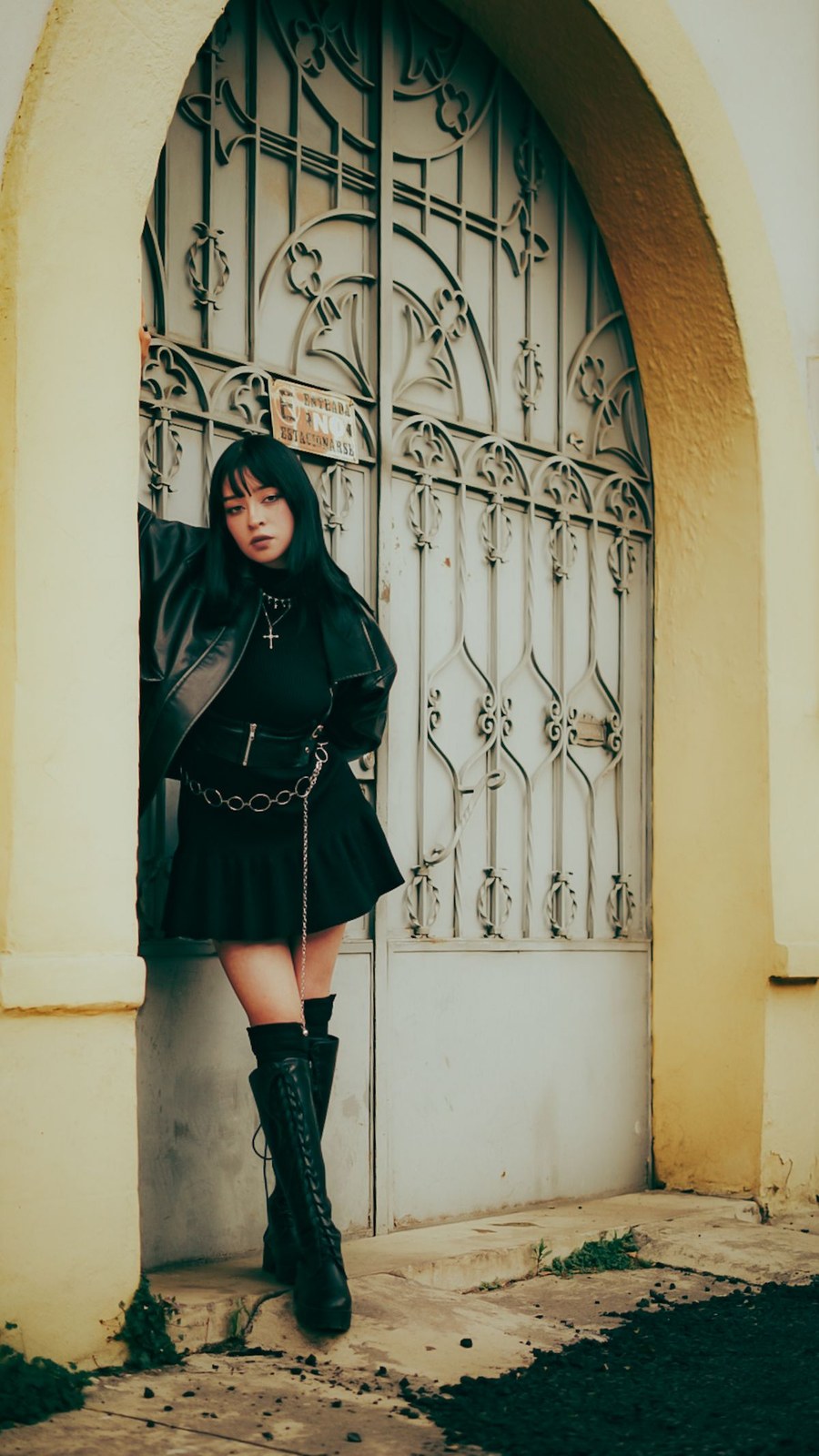
- Mid-calf to below the knee (long): the classic goth and dark-academia length. Best over knee-high boots or with tights and a mini skirt.
- Over-the-knee styles: dramatic and warm, but they demand a snug top band. Pair with shorter hems so the proportion stays balanced.
- Open-heel or thumb-loop styles: keep the foot free for sandals and flats, and stop the knit twisting around the ankle.
Where they sit on the leg changes everything
Sliding a leg warmer lower, so it pools softly over the boot, gives a relaxed and slightly grungy feel. Pulling it higher, so it sits tight under the knee, reads sharper and more formal. Try both in front of a mirror with the same outfit; the difference in proportion is surprisingly large, and it costs you nothing to experiment before you commit to a look.
How to measure without help
Wrap a soft tape measure around the widest part of your calf, keep it level and snug but not tight, and note the number. Compare it with the listed circumference on the product page. If your measurement sits at the top of the stated range, size up; if it sits in the middle, the standard size will usually sit nicely without stretching the ribbing.
Lolita Layering: Skirts, Petticoats and Ruffled Cuffs
Lolita fashion is built on a bell silhouette, and leg warmers have to cooperate with that shape rather than compete with it. The goal is volume at the hem that tapers neatly at the ankle, so the silhouette finishes cleanly instead of bulking up at the bottom.
Sweet lolita versus gothic lolita
For sweet lolita, choose cream, ivory or dusty-pink knits with ruffled or scalloped cuffs and pair them with printed tights and rounded-toe shoes. For gothic lolita, choose deep black, burgundy or charcoal with lace panels, crosses or ribbons, and anchor them with chunky platforms and a high-necked blouse. Both work, but the knit colour should either echo the dress or echo the shoes, never fight both at once.
Keeping the ankle line clean
If your petticoat already creates volume, keep the leg warmer slim at the ankle. A flared or ruffled cuff on top of a full skirt plus lace tights can tip into clutter. A fitted ribbed fan cuff with one small ruffle is usually the sweet spot: enough detail to be lolita, not enough to blur the line of the leg.
Tights first, always
Put your tights on before your leg warmers so the knit sits over a smooth surface. This stops the leg warmer from gripping a bare leg and rolling, and it protects delicate lace tights from friction. If your tights are patterned, choose a solid knit; if your tights are solid, you have room for stripes or openwork.
Blouses, headwear and the finishing touches
Because the legs are already busy, keep the upper body calm: a classic blouse with a rounded or high collar, a simple cardigan, and one hair accessory in the same colour family as the trim. Headbows and leg warmers in the same accent colour tie a coordinate together instantly and read as considered rather than assembled.
Boots, Platforms and Shoes: Making Them Work Outdoors
Leg warmers and boots are a partnership, and the height of each one decides whether the pairing looks deliberate. The cleanest results come from matching the leg-warmer length to the boot shaft so the knit slightly overlaps the top of the boot.
Matching knit length to boot height
- Ankle boots: short leg warmers that stop just above the boot cuff. Great for everyday wear.
- Mid-calf boots: long leg warmers scrunched down so the knit gathers exactly at the boot top.
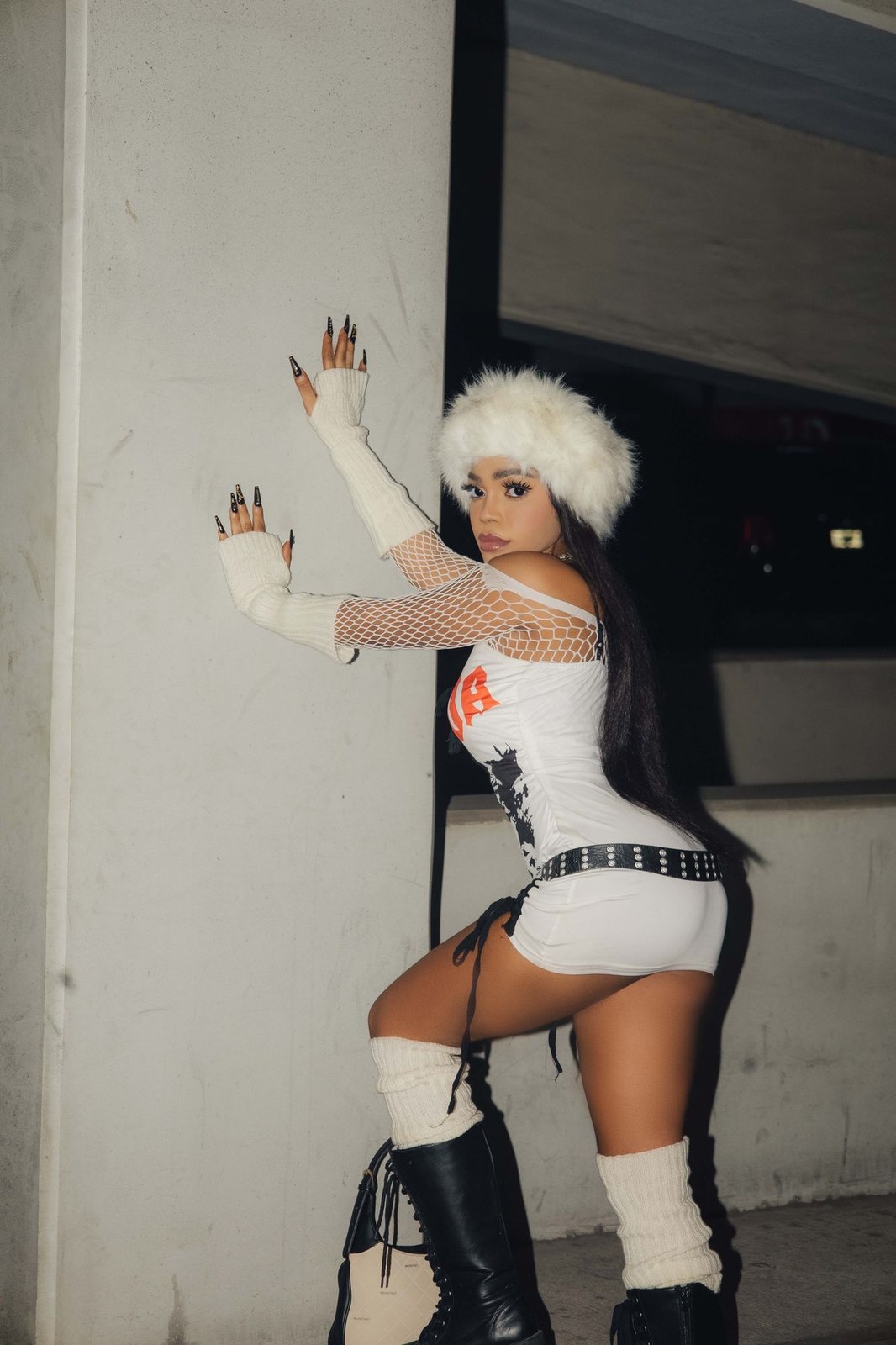
- Knee-high boots: tall knits worn over the boot, or shorter ones tucked just inside for warmth without bulk.
- Platforms and Mary Janes: open-heel or ankle-length knits so the shoe silhouette stays visible.
Stopping the slip
If your leg warmers slide down through the day, the cause is usually a smooth boot surface plus a slick yarn. A thin sock under the leg warmer adds grip, and a knit with a ribbed or elasticated top holds better than a smooth cuff. Tucking the bottom edge neatly over the boot rather than under it also reduces creep, and it looks tidier.
Weather and grip
Knitted leg warmers are warm, not waterproof. In rain or slush they will soak, so save the chunky pairs for dry cold days and choose a denser, tighter knit for damp weather. For icy pavements, add a boot with real tread rather than relying on the knit for traction.
Lining, socks and comfort
A thin merino or bamboo sock under a wool leg warmer keeps feet comfortable and adds another layer of warmth without crowding your boot. If your boots are tight, use a liner sock rather than a cushioned one so the fit stays comfortable through the day. A little room at the toe is a sign the boot is correctly sized.
Dark Academia, Class and Everyday Alt: Real Outfit Formulas
Part of the appeal of goth leg warmers is that they are not confined to events. With the right proportions they move comfortably between a lecture hall, an office with a relaxed dress code and a weekend coffee run. The trick is to let the knit be the single dramatic element in the outfit, then keep everything else quiet. If you want more stacked, scrunched options to play with, a pair of Y2K leg warmers covers the longer, slouchier end of the spectrum nicely.
Dark academia formula
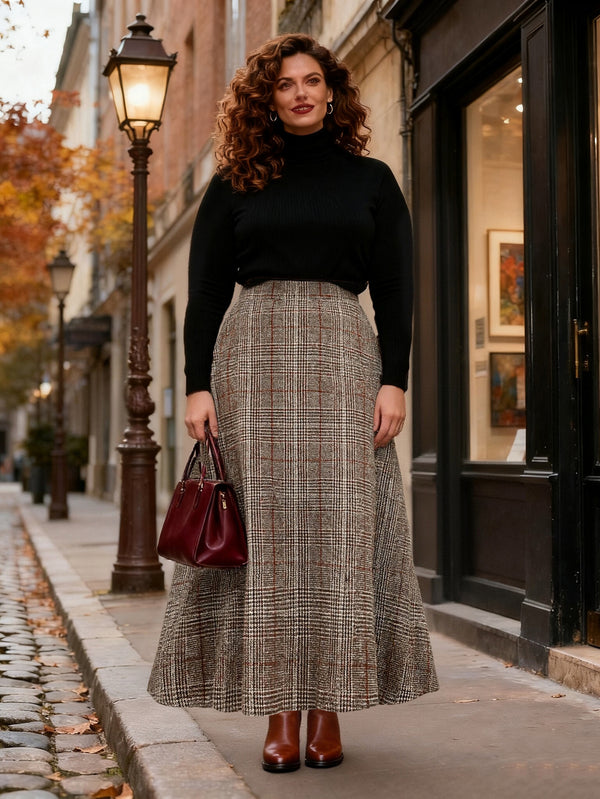
Plaid midi skirt, opaque black tights, fine-gauge black or charcoal leg warmers pulled neatly to mid-calf, loafers or lace-up boots, and a knit cardigan. The accessory here reads as a smart layering piece, not a costume. Keep the knit slim so it sits inside the line of the skirt.
Relaxed office formula
Wide-leg tailored trousers slightly cropped, ankle-length leg warmers in a deep neutral, and a chunky brogue or Chelsea boot. Because the trousers are wide, the knit at the ankle adds a soft contrast that reads polished rather than fussy. Choose a plain knit with no motif for this one.
Weekend and concert formula
Mini skirt or shorts over patterned tights, long scrunched leg warmers with a skull or star motif, platform boots and an oversized band tee or hoodie. This is where you can push the length, the motif and the slouch, because the rest of the outfit is deliberately simple.
One accent rule
Whatever the formula, keep to one loud accent. If the leg warmers are patterned, keep the tights plain and the skirt solid. If the skirt is printed, keep the knit plain. That single rule prevents most alt-layering outfits from feeling crowded, and it makes getting dressed in the morning much quicker.
Colour Pairings and Care: Keeping Black Knit Deep and Beautiful
Black knit is easy to style and surprisingly easy to ruin. A few habits keep your leg warmers looking new through a whole winter of wear, and they take less time than you might expect.
Colour pairings that work
- Black on black: use contrasting textures (ribbed knit over smooth tights, matte knit with a satin ribbon) so the layering still reads.
- Charcoal and cream: softer than pure black, lovely for dark academia and everyday wear.
- Black and burgundy or oxblood: a classic gothic pairing that adds depth without brightness.
- Black and silver or gunmetal: keep sparkle to hardware, trims and star motifs rather than the yarn itself.
- One accent colour: deep purple, forest green or blood red in a solid knit, worn against black tights, adds interest without noise.
Washing knitted leg warmers
Hand wash in cool water with a gentle wool or knit detergent, or use a mesh bag on a delicate cycle. Never wring them out; press the water out gently by rolling in a towel. Lay flat to dry and reshape while damp, since hanging wet knit will stretch it out of shape and distort the cuff.
Pilling, snags and storage
Pilling is normal on soft knits and is best handled with a fabric shaver or a fine comb rather than picking at it. Snags should be pulled back through from the inside with a blunt needle, never cut. Store leg warmers folded flat in a drawer, away from anything with hooks or zips, and consider a cotton dust bag for the delicate lolita pairs so lace and ribbons stay crisp. Pairing them with cozy knit socks keeps the whole ankle layer coordinated and adds warmth inside your boots.
Making them last for seasons
Rotate two or three pairs instead of wearing one to death, and give knits a full day to rest between wears so the fibres recover. A quick de-pill at the end of the season, a proper fold, and a cool hand wash will carry a good pair through several winters, which is far better value than replacing cheap knits every year.
FAQ: Goth Leg Warmers, Fit and Styling Answered
Can plus-size women wear goth leg warmers over thick tights?
Yes, and it is one of the most comfortable ways to wear them. Choose a knit with plenty of two-way stretch and a ribbed, non-binding top, then layer over a smooth opaque tight rather than a heavy cable tight. If you feel any pinching at the widest part of the calf, size up. Measure your calf before buying and check the listed circumference, which removes almost all of the guesswork.
How many times can I wear leg warmers before washing them?
With tights underneath, three to five wears is usually fine, since the knit is not touching skin directly. Wash sooner if they have been worn against bare legs, in damp weather or on a sweaty day. Always air them out for a few hours between wears and check the cuffs for any makeup transfer.
What is the difference between goth and lolita leg warmers?
Goth styling tends toward black, dense cable or rib knits, crosses, skulls and spikes, and is usually worn long and slouched over boots. Lolita styling leans on ruffled cuffs, ribbons, lace and softer colours such as cream or dusty pink, and is designed to finish a bell-shaped skirt neatly at the ankle. Plenty of pairs sit happily in both wardrobes, which is why a plain black ribbed knit with one ruffle is such a good first purchase.
How do I stop leg warmers rolling down during the day?
Layer them over tights or a thin sock, choose a ribbed or gently elasticated cuff rather than a smooth one, and avoid slippery synthetic boots where you can. Scrunching rather than over-stretching the knit also helps, because over-stretching is what makes a cuff slide down over an hour or two.
Ready to find your pair? Shop all thigh high socks — plus sizes, striped, fishnet and over-the-knee styles, all in one place.