Plus size tights with loafers can feel polished, comfortable, and completely personal when the outfit is built around real movement rather than a rule about hiding curves. This guide focuses on fall days as they actually happen: sitting, walking, changing temperatures, carrying a bag, and moving between casual and more finished settings. You will learn how to check fit, balance the silhouette, choose useful colors, and repeat the combination without treating your body as a problem to solve.
Start by browsing the live Moon Wood plus size tights collection at https://moonwoodwear.com/collections/plus-size-tights only as a source of options, not instructions. Notice fabric, shape, and color, then compare those details with garments and shoes you already trust. A successful opaque tights and loafers outfit should support your plans and your preferences. It does not need to make you look smaller, taller, or closer to somebody else's proportions.
Start with fit before styling the outfit
For this combination, the most useful checkpoints are waist comfort, smooth layering through the hip and thigh, dependable opacity at the knee, and enough toe room inside the loafer. Check them together because one garment changes how another feels. Stand, sit, bend, and walk for several minutes. A waistband or shoe that becomes distracting during movement will not improve because the colors are perfect. Comfortable fit is the foundation that lets every later styling choice look relaxed.
Use your first try-on as information. If fabric pulls, rolls, catches, or needs frequent adjustment, identify the specific interaction. Sometimes the answer is a different size, but it may also be a smoother base layer, a changed tuck, a different sock, or a shoe with more volume. Make one change at a time so you can tell what actually improves the outfit.
Fit language should describe clothing, not judge the person wearing it. A rise can be too short, a hem can limit stride, or a shoe can rub; your body is not wrong for revealing those facts. This approach makes shopping more efficient and keeps the focus on a garment's job. Keep what supports your day and release what asks for constant negotiation.
Before removing tags or packing for an event, recreate the hardest part of the day at home. Sit for twenty minutes, take stairs, carry the intended bag, and put on the outer layer. Look at the full outfit from several angles, but give physical comfort equal weight. The goal is an outfit that still feels like yours after the mirror moment is over.
Use proportion as a choice, not a correction
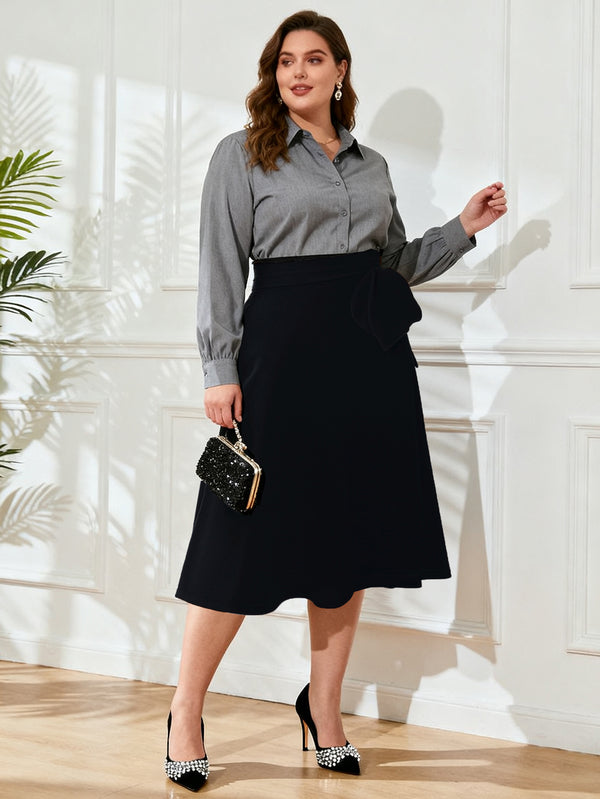
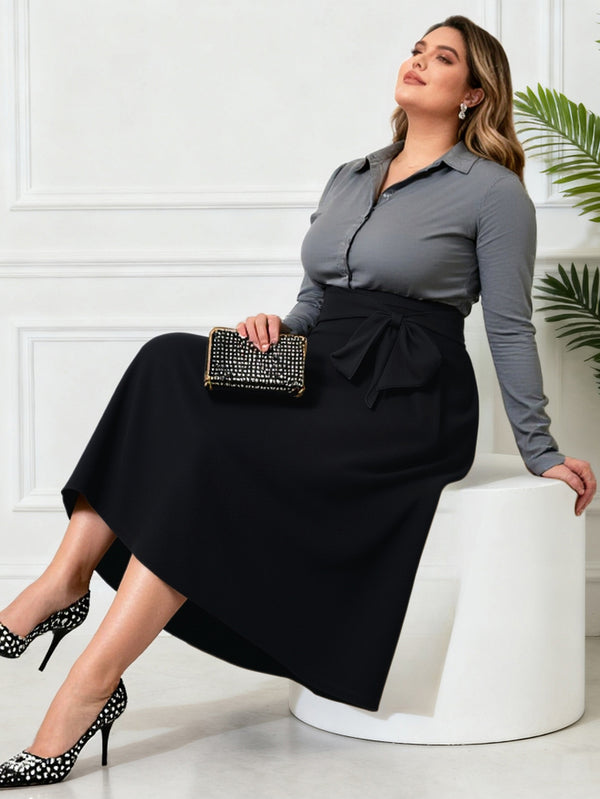
The key visual relationship is the visible line between skirt hem, tights, and the low vamp of the loafer. You can make that relationship continuous with similar dark values, or emphasize it with contrast. Neither choice is more flattering in a universal sense. Continuity often feels calm and polished; contrast feels graphic and expressive. Decide which mood serves the day, then let that decision guide the remaining pieces.
Volume also changes the balance. When one piece is relaxed or flowing, another piece with a clearer edge can give the outfit structure. That structure might come from a jacket shoulder, a defined shoe, a tuck, or a bag. You do not need to cinch every waist or narrow every line. One or two clear shapes are usually enough to make a layered outfit readable.
A useful fall palette includes burgundy, charcoal, espresso, forest green, camel, and cream. Begin with two neutrals and one color, then repeat the color once if the outfit needs connection. Texture can create depth without adding another hue. Knit, denim, leather, pleats, or brushed cotton all respond differently to light, so view the outfit indoors and outdoors before deciding that the palette is finished.

Four repeatable outfit formulas
Polished office
Try charcoal tights, black loafers, a rust A-line skirt, an ivory knit, and a navy blazer. Treat this as a flexible formula rather than a shopping list. Substitute a similar color, change the layer for the weather, and use the shoe you can genuinely walk in. What matters is the role each piece plays: a comfortable foundation, one clear silhouette, a practical outer layer, and a finishing element that supports the setting.
Test this formula with the bag, coat, and accessories you will actually use. A look can change once a crossbody cuts across the top or a heavy coat covers the waist. If the result feels crowded, remove one competing detail instead of rebuilding everything. If it feels too quiet, add texture or repeat one color rather than adding several unrelated statements.
Cafe weekend
Try black tights, oxblood loafers, a deep green pleated midi skirt, and a soft cardigan. Treat this as a flexible formula rather than a shopping list. Substitute a similar color, change the layer for the weather, and use the shoe you can genuinely walk in. What matters is the role each piece plays: a comfortable foundation, one clear silhouette, a practical outer layer, and a finishing element that supports the setting.
Test this formula with the bag, coat, and accessories you will actually use. A look can change once a crossbody cuts across the top or a heavy coat covers the waist. If the result feels crowded, remove one competing detail instead of rebuilding everything. If it feels too quiet, add texture or repeat one color rather than adding several unrelated statements.
Creative casual
Try burgundy tights, chunky loafers, a denim skirt, a striped sweater, and a relaxed coat. Treat this as a flexible formula rather than a shopping list. Substitute a similar color, change the layer for the weather, and use the shoe you can genuinely walk in. What matters is the role each piece plays: a comfortable foundation, one clear silhouette, a practical outer layer, and a finishing element that supports the setting.
Test this formula with the bag, coat, and accessories you will actually use. A look can change once a crossbody cuts across the top or a heavy coat covers the waist. If the result feels crowded, remove one competing detail instead of rebuilding everything. If it feels too quiet, add texture or repeat one color rather than adding several unrelated statements.
Dinner-ready
Try semi-opaque black tights, sleek loafers, a satin midi skirt, and a fitted knit with simple jewelry. Treat this as a flexible formula rather than a shopping list. Substitute a similar color, change the layer for the weather, and use the shoe you can genuinely walk in. What matters is the role each piece plays: a comfortable foundation, one clear silhouette, a practical outer layer, and a finishing element that supports the setting.
Test this formula with the bag, coat, and accessories you will actually use. A look can change once a crossbody cuts across the top or a heavy coat covers the waist. If the result feels crowded, remove one competing detail instead of rebuilding everything. If it feels too quiet, add texture or repeat one color rather than adding several unrelated statements.

Plan for movement, weather, and a full day
Fall outfits have to work across temperature changes. Build with removable layers and make sure the base still feels complete when the outer layer comes off. Check where fabrics overlap, especially at the waist, knee, ankle, and shoe. A small pressure point can become the only thing you notice after several hours, so address it during the try-on rather than hoping it disappears.
Walking changes every silhouette. Watch how hems swing, how cuffs meet shoes, and whether a bag pulls the outfit out of place. Movement is not a flaw in the photograph; it is the life of the clothing. Choose pieces that recover after sitting and that let you take a normal stride. A confident outfit should not require a careful, restricted version of your body.
Prepare for the least glamorous part of the plan. Think about wet pavement, crowded seating, stairs, security lines, or a long commute. Traction, pockets, breathable fabric, and an easy bathroom routine can matter as much as color. Practical preparation protects the mood of the outfit and gives you more attention for the people and places around you.
Shop your wardrobe before adding another piece
Lay out the pieces you already own, then use the Moon Wood plus size midi skirts collection at https://moonwoodwear.com/collections/plus-size-midi-skirts to compare shapes and colors only when a real gap appears. A gap is specific: you need a darker base, a longer hem, a softer waistband, or a layer that works in a certain temperature. Specific gaps lead to useful purchases; vague dissatisfaction often leads to duplicates.
Take quick photos of combinations that work and note the conditions: temperature, walking time, shoe, bag, and how long you sat. This record becomes a personal style guide built from evidence. It also helps you see that a favorite item can serve several settings with a different layer or accessory, which reduces pressure to create a completely new outfit for every plan.
When comparing two options, choose the one that supports more than one real occasion. Versatility does not mean every item must be neutral. A distinctive color or print can still be versatile when it works with several foundations you already own. The test is whether you can name three believable outfits, not whether the piece disappears into the closet.
Make the formula easier to repeat
Loafers expose more of the foot than boots, so the transition from hosiery to shoe becomes part of the outfit. A smooth toe seam, a secure heel, and enough shoe volume matter more than a trend label. Test the combination on stairs and during a ten-minute walk. If the tights pull at the toes or the loafer rubs at the heel, the look needs a practical adjustment before it needs another accessory.
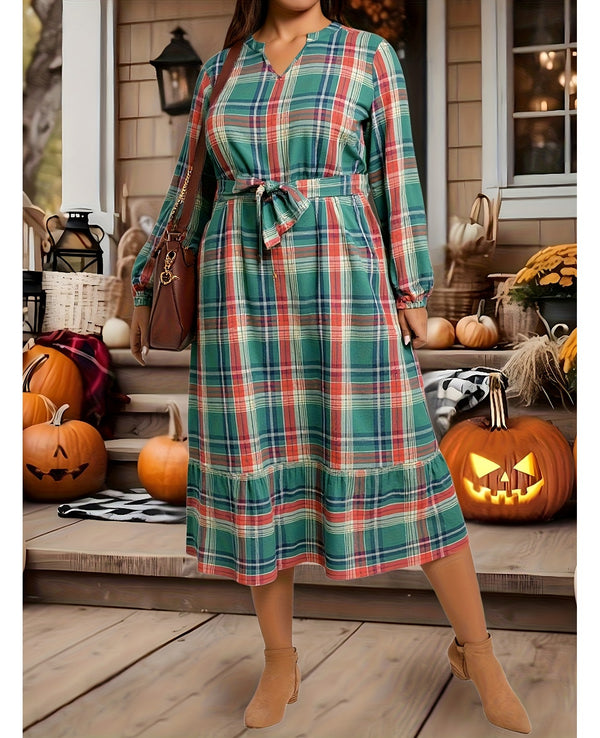
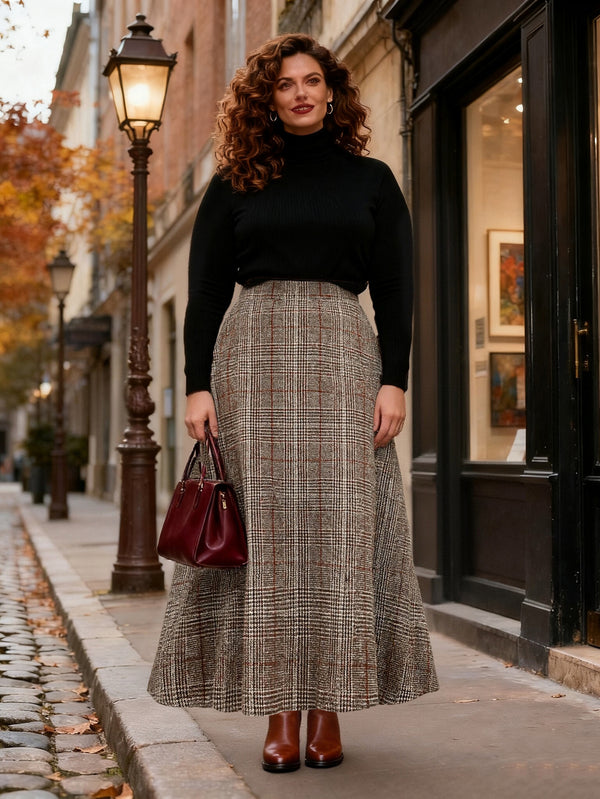
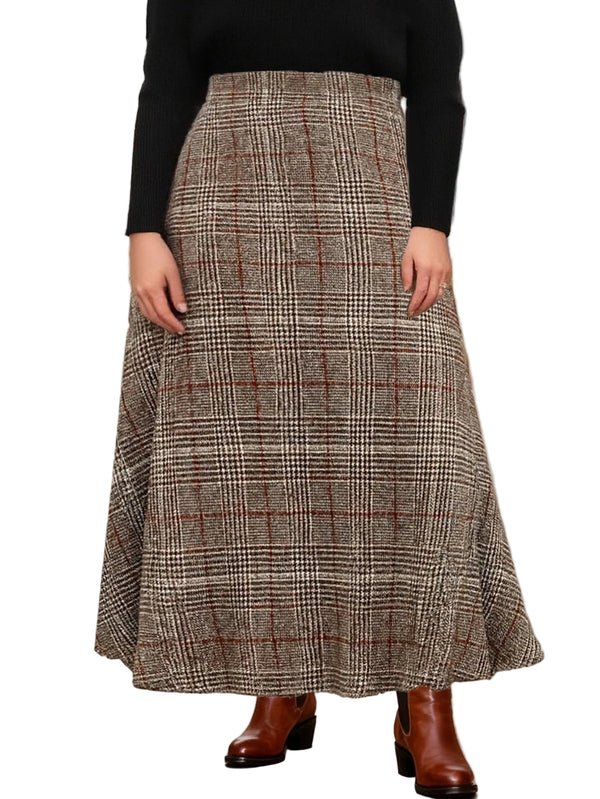
A plaid skirt already carries visual rhythm, so solid tights usually create the clearest base. Pull one quiet shade from the plaid for the hosiery, then let the loafer ground the darkest note. This does not have to be perfect color matching. The goal is a relationship that looks intentional from a normal viewing distance and still feels easy when the coat comes off indoors.
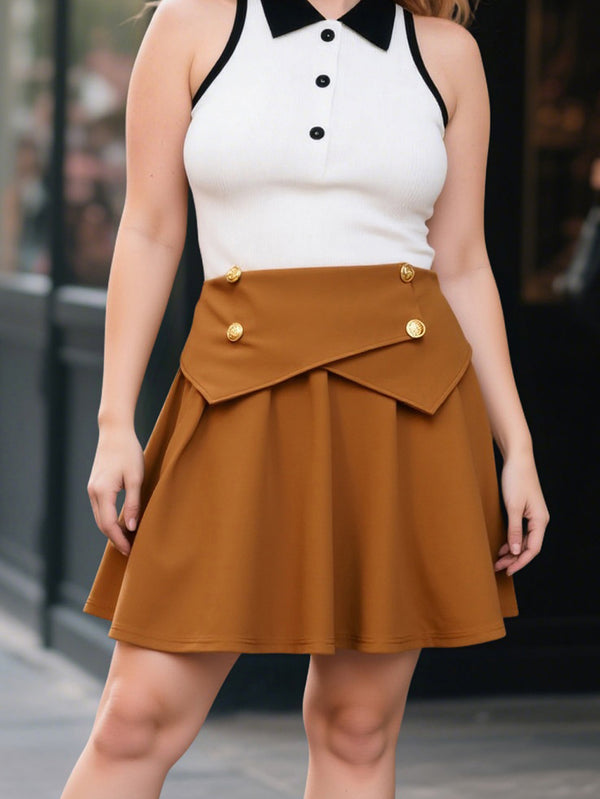
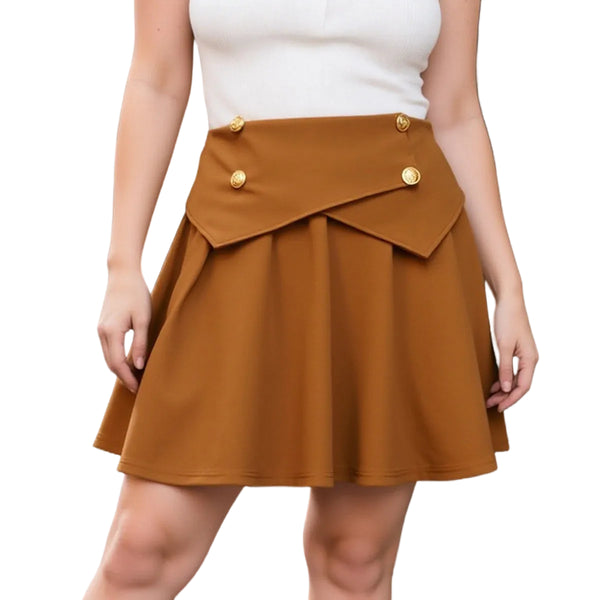
When a skirt has volume, a substantial loafer can balance the hem without making the leg look heavy. When the skirt is narrow or fluid, a slimmer loafer may feel calmer. These are options rather than rules. Photograph the full outfit at eye level, then compare how each shoe changes the overall line. Choose the version that supports your preferred mood and walking comfort.
For rainy fall days, protect the practical parts of the outfit first. Choose a loafer sole with traction, carry a dry pair of socks if needed, and make sure the tights do not stay damp against the skin. A longer coat can shield the skirt without hiding the outfit. Comfort planning is not separate from style; it is what lets the outfit keep looking composed after the weather changes.
If the waistband shows under a close-fitting knit, try a looser tuck, a shorter layer, or a skirt with a smoother front instead of blaming your body. Clothing should cooperate with the shape that is present. A small change in fabric or layering order often solves the visual issue while preserving breathing room and movement.
Keep a simple record of successful combinations: tights color, skirt length, loafer shape, temperature, and walking time. After a few wears, patterns emerge. You may learn that you prefer deep colors with pleats, a chunkier sole with longer hems, or a softer waistband for office days. That personal evidence is more useful than a universal list of flattering rules.
After wearing the outfit, make one short note about what worked and one about what you would change. Maybe the layer was too warm, the pocket placement was excellent, or the shoe needed a different sock. Small observations turn style into a repeatable skill. They also protect body confidence by locating the adjustment in the clothing and context rather than in self-criticism.
Care for each piece according to its label and store it in a way that preserves shape. Clean shoes before seasonal dirt settles, fold knits without stretching them, and keep coordinated items visible enough to remember. Maintenance is part of styling because a dependable item is easier to choose. The goal is a wardrobe that supports you repeatedly, not a perfect outfit used once.
A useful final rehearsal is to wear the outfit for an ordinary hour at home. Do a few normal tasks, sit in your usual chair, reach for something on a shelf, and walk on the surfaces you expect to encounter. Notice what stays in place without attention. Clothing that quietly supports those movements is more valuable than a combination that only works while standing still. If something needs adjustment, change the smallest relevant variable and test again.
Personal style becomes clearer when you separate preference from pressure. You may love contrast, soft volume, a defined waist, an uninterrupted line, or a deliberately oversized layer. None of those preferences must be justified by body size. Name what you enjoy and repeat it with intention. The resulting outfit will feel more coherent because it reflects a real point of view, and it will be easier to adapt when weather, schedule, or comfort needs change.
Finally, save the formula in language you will remember: name the foundation, layer, shoe, and occasion. A clear note turns today's successful experiment into a shortcut for another morning, while still leaving room to change color, texture, or accessories.
FAQ
Can plus size tights be worn comfortably with loafers all day?
Answer: Yes. Prioritize a smooth toe seam, enough shoe room, a secure heel, and a waistband that stays comfortable while sitting. Test the complete combination before a long day.
What tights color works best with black loafers?
Answer: Black is easy, but burgundy, charcoal, navy, and deep green also work. Repeat the color once in the skirt or top if you want a more connected palette.
Do loafers work better with mini or midi skirts?
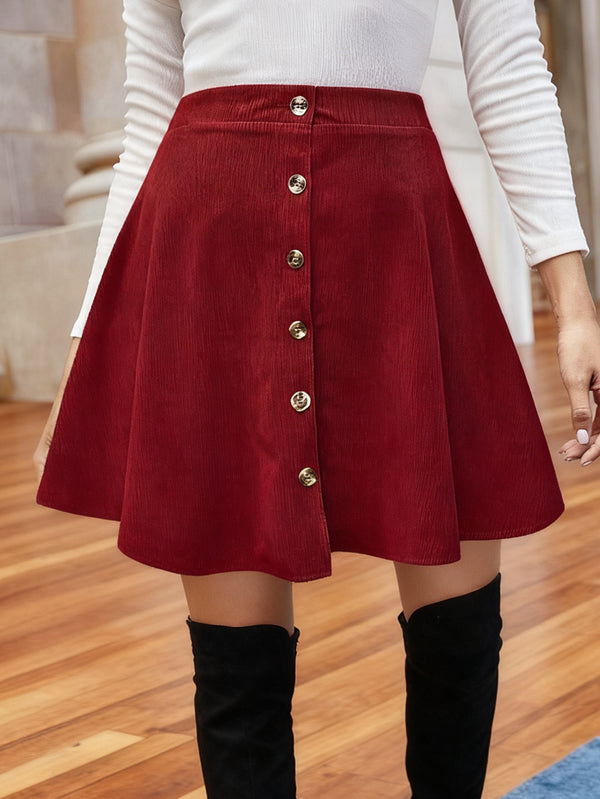
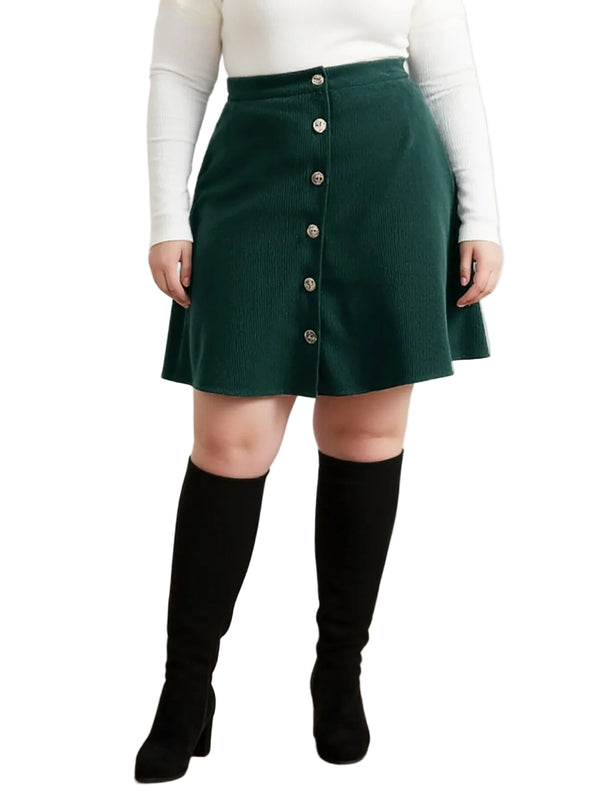
Answer: Both can work. A mini shows more of the tights, while a midi creates a shorter visible section. Choose the hem that supports your comfort, movement, and preferred balance.
How do I stop tights from bunching inside loafers?
Answer: Check that the foot is the correct length, smooth the fabric from toe to ankle before putting on the shoe, and avoid a loafer that compresses the toes.