Choosing between leg warmers and over the knee socks is really a question about what your legs need on a given day, and the honest answer is that it changes. This comparison of leg warmers vs over the knee socks works through warmth, coverage, how each piece sits on a wide calf and a full thigh, layering order, shoe and hem pairings, and cost per wear, so you can decide with real information instead of guesswork. Both are autumn staples here at Moon Wood and both earn their place in a plus size wardrobe. They simply do different jobs, and knowing which job you need is most of the decision.
What Leg Warmers and Over the Knee Socks Actually Are
Many shopping frustrations start with treating these two pieces as versions of the same thing. They are not. One is a tube you pull over the lower leg. The other is a full sock with a very long shaft that has to hold itself up. That single structural difference explains almost everything about how they feel, how they fit and when you reach for them.
Leg warmers, defined
Leg warmers are open at both ends. There is no heel, no toe and no foot, and nothing attaches them to anything else. You slide them up from the ankle and settle them wherever you like: mid calf, just below the knee, or above the knee in a longer, slouchier pair. Because both ends are open, sizing is remarkably forgiving. A good ribbed knit stretches around a wide calf without cutting in, and there is no heel cup to line up or toe seam to press against your nails. Classic 1980s aerobic styles are densely ribbed and elastic; the modern Y2K revival styles are longer, softer and designed to scrunch.
Over the knee socks, defined
Over the knee socks are full socks. They have a shaped heel, a closed toe and a long shaft that finishes above the knee, usually with a band of elasticised ribbing at the top to keep the sock from travelling down the leg. Because they have to stay up on a moving leg, the fit of that top band matters enormously, and it is exactly where plus size shoppers meet trouble when a brand only offers narrow, high-tension sizing.
The one structural difference that explains everything
Leg warmers transfer no tension to your foot. Over the knee socks do, because they are anchored at the heel and toe and then pulled upward along the whole leg. That is why leg warmers so often feel comfortable on the first try, while over the knee socks sometimes need a second size or a different band. It is also why leg warmers are the better choice for lounging indoors and over the knee socks are the better choice for walking to the car in thin shoes on a cold morning.
Warmth vs Coverage: Two Different Jobs
Most people assume leg warmers are simply the warmer option and leave it there. In practice warmth and coverage are separate questions, and each piece answers a different one. Understanding the split is what turns the leg warmers vs over the knee socks question from a coin toss into a decision.
Where leg warmers win on warmth
Leg warmers win on insulation per inch, because the knit is usually thicker. A chunky ribbed knit or a fluffy yarn traps a great deal of air against the calf, and trapped air is what actually keeps you warm. If your November complaint is that your shins feel cold, a thick leg warmer does more for you than a thin sock shaft ever will. They also warm a large surface area without adding any bulk inside your shoe, which matters when winter boots already feel snug across the foot.
Where over the knee socks win on coverage
Over the knee socks win on continuous coverage. There is no gap at the ankle, no exposed strip of skin between your hem and the top of the knit, and nothing to shift out of place as you walk. If you wear a midi skirt or a shorter dress and want the leg covered from toe to above the knee in one smooth line, a single pair of over the knee socks does something leg warmers simply cannot do alone.
The combination that beats both
Here is the answer most comparison guides skip: the warmest option is often to wear the two together. A thin over the knee sock underneath gives you full, gap-free coverage and a smooth surface, and a chunky leg warmer on top adds insulation exactly where the cold bites. The sock steadies the warmer, the warmer gives the sock a richer, cozier look, and the pair of them handle a genuinely cold day. This is the combination to reach for at outdoor markets, on the sidelines of a match, or on any long walk when the wind is doing its worst.

How Each Sits on Your Calf and Thigh
This is where plus size fit is won or lost. Both pieces cross the calf, which is often the widest part of the lower leg, and over the knee socks must additionally hold on above the knee, where the leg narrows again and the band has less surface to work with. Settle this part of the leg warmers vs over the knee socks question and the rest of the decision becomes much easier.
Leg warmers and the wide calf
Leg warmers are the more forgiving of the two because they exert no upward pull. A knit with good recovery hugs a wide calf without cutting into it, and because there is no top band under continuous tension, you avoid the deep red ring a tight sock top can leave behind. The trade-off is that a very soft, very loose knit can slide down over the course of a long walk. Look for ribbing at both the top and bottom cuffs; ribbing grips the leg without squeezing it.
Over the knee socks and the thigh anchor
Over the knee socks depend on a band of elasticised ribbing resting on the lower thigh. On a fuller thigh that band has to be wide enough and stretchy enough to hold without biting. A narrow band under high tension is the single most common cause of discomfort, and it is also the most common reason a pair of over the knee socks ends up at the back of a drawer. A wider, softer band spreads the same force over more surface area, which is why it stays comfortable for hours at a time.
Measuring for each
Take two measurements with a soft tape and write them down. First, the fullest part of your calf. Second, the circumference of your lower thigh about two inches above the knee. Compare those numbers to the size chart rather than guessing from your dress size or shoe size. For leg warmers the calf measurement matters most; for over the knee socks the thigh measurement decides whether the top will sit still. If you want a closer look at where each piece should land on the leg, our guide to over the knee socks walks through the landing points step by step.
Layering: What Goes Under, What Goes Over
Layering is where the comparison becomes genuinely practical, because the two pieces layer in opposite directions. Get the order right and both stay put; get it wrong and you spend the day tugging.
Layering leg warmers
Leg warmers sit best over something smooth. Tights, leggings, stirrup tights and slim trousers all give the knit a surface to grip, and they also prevent the prickle that some wool blends cause against bare skin. Worn with a skirt or dress, pull them on over your tights and let the knit rest against the fabric of your hem rather than over bare skin. They also layer beautifully with boots: a warmer worn over a tall boot shaft reads as a deliberate styling choice rather than an accident.
Layering over the knee socks
Over the knee socks are almost always the base layer. They go on first, against the skin or over a thin liner sock, and everything else goes on top. Because they have a heel and a toe they replace your usual socks rather than adding to them. In deep cold, wear a thin merino liner underneath; the gentle friction between the two layers actually helps the outer sock hold its position.
Layering the two together
When you wear both, order matters: sock first, warmer second. Pull the sock up above the knee, smooth every wrinkle at the calf and knee, then slide the leg warmer up over it and settle the top edge just below or just over the knee. If the warmer keeps creeping down, tuck its top edge under the folded edge of the sock rather than tugging it higher. That single trick keeps a slouchy knit in place for hours.
Shoes and Hems: Pairing Each One Correctly
The right pairing depends on how much of the shoe and how much of the leg you want to see. A few combinations look effortless; a few fight each other.
Boots
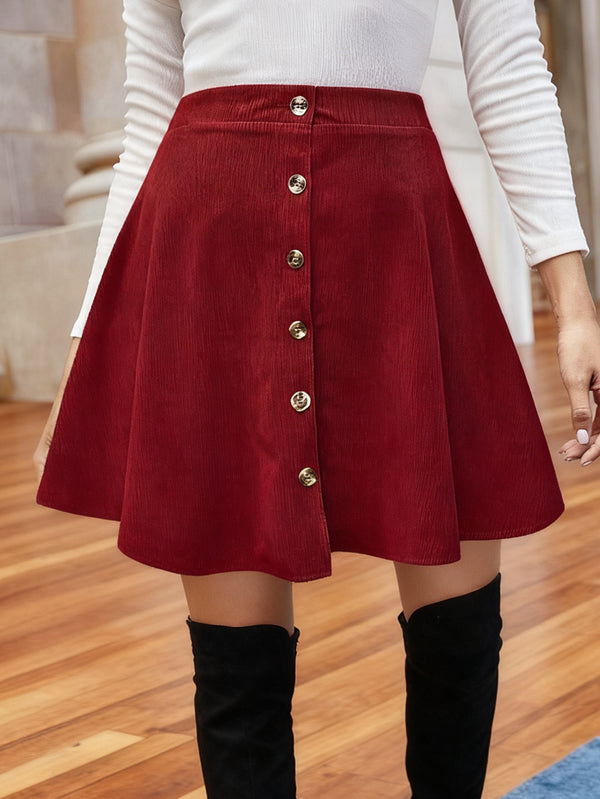
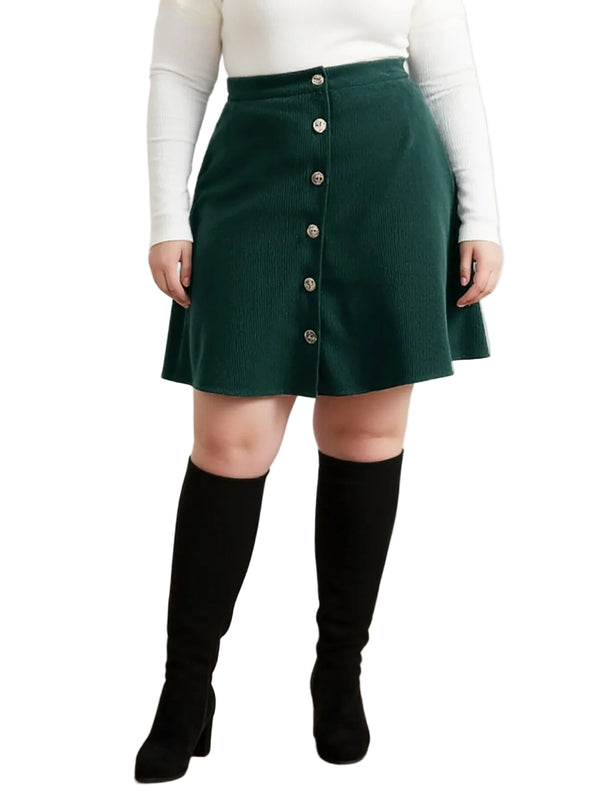
Leg warmers love boots. Tuck a ribbed warmer into an ankle boot for a clean, sporty line, or wear a long slouchy pair pulled over a knee high boot for the layered look that appears in every autumn street style roundup. Over the knee socks, by contrast, are at their best inside boots. They add warmth along the entire shaft and their top edge disappears beneath the boot opening, so you get the insulation without any visible band.
Flats, loafers and sneakers
With a low shoe, leg warmers are the easier choice, because they leave your foot entirely free and warm the ankle without crowding a small shoe. Over the knee socks with a flat need more attention to the top band, since the sock is fully on show and any tightness will read as a line across the thigh. If you want the visible-sock look with a loafer, choose a pair with a wide, flat band and a smooth knit.
Hem lengths
Mid calf hems and leg warmers fight each other, because the hem cuts the warmer in half and breaks its shape. Pair leg warmers instead with mini skirts, short dresses, leggings and shorts. Over the knee socks are more flexible around hems: they work under a midi skirt, under a shorter dress, and with a mini as long as you are happy for a strip of thigh to show above the sock top. For a fuller, cozier look with a shorter hem, the longer chunky pieces in our Y2K leg warmers collection reach higher and balance the leg line nicely.
Stretch, Fit and Wide Calf Comfort
Comfort comes down to fibre content and finishing far more than to the size on the label. Two pieces in the same size can behave completely differently on the same leg, and this is the part of the leg warmers vs over the knee socks comparison that determines whether you actually wear them or leave them in a drawer.
What to look for in the fibre
A blend with a meaningful percentage of elastane or spandex is what lets a knit stretch and then return to its original shape. All-cotton and all-acrylic knits feel lovely in the hand but tend to go baggy at the knee and cuff after a few wears. For over the knee socks, look for a knit that snaps back when you stretch it across your calf. For leg warmers, look for ribbing that closes up again when you release it.
Signs of a genuinely good fit
A good fit leaves no deep marks, stays put through a normal walk to the bus stop, and does not need pulling up more than once an hour. The top edge should feel snug but never biting, and you should be able to slide one finger underneath it comfortably.
Common fit mistakes
The most common mistake is sizing down to try to stop slipping, which is backwards: a tight band rolls down under tension and slides more, not less. The second is choosing a warmer so long that it bunches heavily at the ankle, when a small bunch is stylish but a large one is uncomfortable inside a shoe. The third is wearing either piece over a rough wool legging, which creates friction and starts a slow slide that lasts all day.
Cost Per Wear and a Decision Guide
Cost per wear is the honest way to compare two pieces you intend to keep for years. Divide the price by the number of times you realistically expect to wear the piece in a single season, then look at what that number buys you in comfort.
Doing the math
A pair of leg warmers often costs a little less upfront and gets worn constantly through autumn, because it works with leggings, boots and casual outfits and needs no careful fitting. Over the knee socks tend to cost a little more, but they replace a pair of socks entirely and get worn daily through winter, which can push their cost per wear lower than you would expect. The piece that wins is the one that matches the outfits already hanging in your closet, not simply the one with the smaller price tag.
Quick decision guide
| Your priority | Choose | Why it works |
|---|---|---|
| Maximum warmth over leggings and boots | Leg warmers | Thicker knit, no upward tension, very forgiving on a wide calf |
| Full leg coverage under a skirt or dress | Over the knee socks | Continuous toe-to-thigh coverage with no ankle gap |
| The easiest fit on a wide calf | Leg warmers | Open at both ends, so there is no band to cut in |
| Wearing with flats, loafers or sneakers | Leg warmers | Leaves the foot free and does not crowd a small shoe |
| Wearing inside tall boots | Over the knee socks | The top edge disappears under the boot opening |
| The coldest days of the season | Both, layered | Sock for coverage plus warmer for insulation |
If you still cannot decide
Start with leg warmers if your priority is cozy warmth over leggings and boots. Start with over the knee socks if your priority is full coverage under skirts and dresses. Then add the other next season, because most people end up owning both. They solve different problems on different days, and a fall wardrobe with only one of them always feels one option short.
Leg Warmers vs Over the Knee Socks FAQ
Can I wear leg warmers and over the knee socks at the same time?
Yes, and together they make the warmest combination available. Put the sock on first so it sits smoothly against the leg, then pull the leg warmer over it. Keep the warmer's top edge just below or just above the knee rather than pulling it very high, and tuck that edge under the fold of the sock top if it starts to slip.
Which one stays up better on a fuller thigh?
Leg warmers do not need to hold on the thigh at all, which makes them the simpler choice. Over the knee socks rely on a wide, softly elasticised band, and a band that is wide with moderate tension holds far better than a narrow band pulled tight.
Are leg warmers or over the knee socks warmer?
Leg warmers are usually warmer per inch because the knit is thicker, but over the knee socks cover more of the leg. For cold shins and calves, leg warmers win. For a fully covered leg under a skirt, over the knee socks win.
How do I stop over the knee socks from sliding down during the day?
Measure your calf and thigh and choose the correct size instead of sizing down, wear them over smooth tights or leggings rather than rough wool, and smooth out every wrinkle at the knee before you start walking. Wrinkles are what begin a slow slide. If you have already tried both and still feel torn, go back to the decision table above: the leg warmers vs over the knee socks choice usually becomes obvious once you name the single outfit you wear most often in autumn.
Ready to find your pair? Shop all thigh high socks — plus sizes, striped, fishnet and over-the-knee styles, all in one place.