What Are Plus Size Bootcut Jeans?
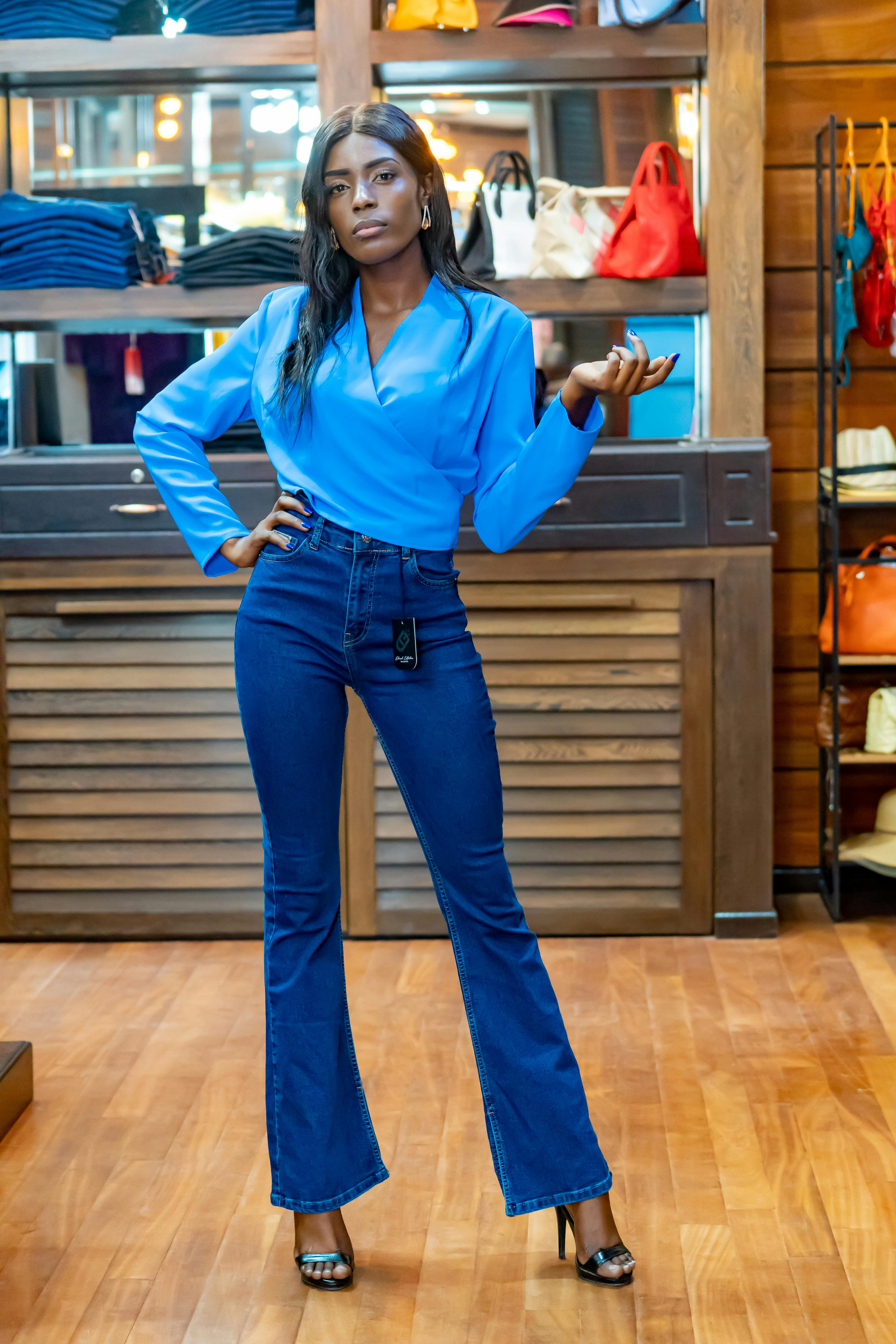
Plus size bootcut jeans are a timeless denim style defined by a subtle, gradual flare that begins right at the knee and continues down to the hem. Unlike a straight-leg cut that holds the same width from hip to ankle, or a dramatic flare that widens sharply below the knee, the bootcut offers just enough spread to skim the calf and balance the natural curves of a plus-size figure without overwhelming the frame. The name comes from the way the slightly flared hem was originally designed to sit comfortably over cowboy boots, but today it is just as happy worn with ankle booties, heels, or clean sneakers. For Moon Wood's community, the bootcut is a quiet wardrobe hero: it celebrates the body as it is, adds a touch of movement at the ankle, and reads as polished whether you are heading into the office, running weekend errands, or meeting friends for dinner. If you are building a capsule of plus size pants, the bootcut deserves a permanent spot.
The beauty of the bootcut is its restraint. It does not try to transform your shape; it works with it. The gentle flare draws the eye downward, creating a long, unbroken vertical line from the hip through the thigh and out to the hem. That line is what makes the leg look longer and the overall silhouette feel balanced. In a world of extreme trends, from ultra-wide palazzos one season to spray-on skinnies the next, the bootcut stays steady. It is the jean you reach for when you want to feel put together and comfortable at the same time, and it flatters a remarkable range of body types precisely because it is built around proportion rather than restriction.
Why the Knee Is the Magic Point
The flare in a true bootcut starts at the knee, not the thigh and not the ankle. This placement matters more than it sounds. Beginning the flare at the knee mirrors the natural narrowing of the leg at that joint, so the eye reads the wider hem as a continuation of your own lines rather than as an added shape. When the flare starts too high, closer to the hip, the jean tips into wide-leg or trouser territory. When it starts too low, you get a flare or bell-bottom. The bootcut's "knee start" is what keeps it reading as everyday denim rather than a statement piece, which is exactly why it pairs so easily with the rest of your closet.
How Bootcut Differs From a Straight Leg
A straight-leg jean holds the same circumference from the knee to the ankle. On curvier bodies, a strict straight leg can sometimes feel a little stiff through the calf. The bootcut solves this by adding just an inch or two of room at the hem, which lets the fabric move with you and prevents the pulling sensation when you sit or bend. The difference is small on paper but meaningful in wear: the bootcut feels freer, breathes better, and avoids the vacuum-sealed feeling some straight cuts create once they stretch out through the day.
Bootcut vs. Wide-Leg, Flare, and Boyfriend
It is easy to confuse the bootcut with its denim cousins, so let us set the record straight. The wide-leg jean opens gradually from the hip or thigh and keeps widening all the way down, creating a dramatic, flowing column of fabric. The flare, sometimes called a bell-bottom when extreme, begins its widening below the knee and opens into a pronounced bell. The boyfriend jean is intentionally relaxed and borrowed-from-the-boys loose through the hip and thigh, often cuffed at the ankle. The bootcut, by contrast, is fitted through the hip and thigh, stays close to the leg above the knee, and then opens only slightly from the knee down. Each of these cuts has its moment, but the bootcut is the one that quietly does the most work for an everyday wardrobe.
Wide-Leg vs. Bootcut
Wide-leg jeans are glorious for breezy summer days and statement outfits, but they can overwhelm a shorter torso or read too casual for some workplaces. The bootcut keeps the volume contained, so you get the lengthening benefit of a wider hem without the full drape. Think of wide-leg as the bold cousin and bootcut as the dependable sibling who shows up for everything.
Flare vs. Bootcut
A flare jean is essentially a bootcut turned up to eleven. Where the bootcut opens by an inch or two, the flare can open by six inches or more, creating a retro, fashion-forward silhouette. Bootcut is the safer daily choice; the flare is for when you want the drama. Both celebrate curves, but the bootcut does it with a whisper rather than a shout.
Boyfriend vs. Bootcut
The boyfriend cut is all about ease and a slightly slouchy attitude. It skims rather than shapes. The bootcut, even in a relaxed fabrication, still honors the waist-to-hip curve and then tapers before flaring. If you love the comfort of boyfriend jeans but miss a little definition, the bootcut gives you both: ease through the thigh with a hem that flatters.
Denim Construction: Rigid vs. Stretch
Understanding how your denim is built is the difference between jeans you love for years and jeans you donate after three wears. Denim falls on a spectrum from rigid, 100 percent cotton that holds its shape like armor, to soft, stretch-blended fabrics that move with every step. For plus-size bodies, the middle of that spectrum is usually the sweet spot.
The Value of a Touch of Elastane
A small percentage of elastane, typically one to three percent, transformed modern denim. That tiny amount of stretch lets the jean hug the hip and thigh without feeling restrictive and, crucially, lets it recover its shape instead of bagging out by lunchtime. For curves, a touch of elastane means the denim follows your body instead of fighting it. You get the structure of denim with the comfort of a knit. Look for blends like 98 percent cotton and two percent elastane, or 93 percent cotton with a touch of both polyester and elastane for extra recovery.
Rigid Denim and Why Some Still Love It
Rigid, 100 percent cotton denim has a devoted following because it molds to the wearer over time, creating a personalized fade and a crisp line. The trade-off is break-in: rigid denim can feel stiff at first and offers no give, which some find less forgiving across the stomach and thighs. If you choose rigid, size for comfort from day one rather than expecting it to stretch to fit, and give it a few wears to soften against your shape.
Reading the Fabric Label
Before you buy, flip the tag and read the blend. More elastane means more comfort and recovery but also a slightly softer, less "classic denim" hand. Less elastane means more structure and a longer break-in. For an everyday pair of plus size bootcut jeans, aim for one to three percent elastane so the knee and thigh keep their shape through repeated wear while still feeling easy.
Rise Options: High vs. Mid Rise
Rise is simply the distance from the crotch seam to the top of the waistband, and it determines where the jean sits on your torso. For plus-size bodies, rise is one of the most important fit decisions you can make, because it changes how your waist, stomach, and hips are supported and how long your legs appear.
High Rise and Where It Sits
A high-rise jean typically sits at or just above the natural waist, around the narrowest part of the torso for many women. On a curvy figure, a high rise smooths and supports the midsection, keeps the waistband from rolling down, and visually extends the leg by starting the pant higher. It is the most popular rise at Moon Wood because it pairs beautifully with tucked-in tops and creates that coveted long-leg line. A high rise also tends to feel more secure through the day, which many of our customers tell us boosts confidence.
Mid Rise for Everyday Ease
A mid-rise jean sits a couple of inches below the navel. It is a comfortable choice for those who find a high rise too snug at the waist or who prefer a lower, more relaxed placement. Mid rise still offers good coverage and works well with longer tunics that skim the hip. The key is making sure the waistband lands where you feel supported, not where it digs or gaps.
Matching Rise to Your Torso
There is no single correct rise; it is about your proportions and preferences. If you have a shorter torso, a high rise can make the leg look dramatically longer. If you have a longer torso, a mid rise may feel more balanced. Try both and notice which one keeps the waistband put when you sit, bend, and reach. The right rise should disappear from your mind the moment you put it on.
Inseam and the "Break" Over Boots, Flats, and Heels
Inseam is the inner-leg measurement from the crotch to the hem, and it decides how your jean meets your shoe. The way the fabric folds where it meets the foot is called the "break," and getting it right is what makes bootcut jeans look intentional rather than too long or too short.
What "Break" Means
The break is the gentle crease or fold that forms when the hem of your jean meets the top of your shoe. A full break stacks a little fabric at the ankle; a half break barely touches; a no-break hem floats just above the shoe. With a bootcut, you generally want at least a slight break so the flare drapes cleanly over the footwear instead of stopping short and chopping the leg.
Bootcut With Boots
This is the cut's namesake pairing. When worn with ankle boots or taller shaft boots, the bootcut's flare should skim the top of the boot without pooling. For ankle booties, choose an inseam that lets the hem just cover the boot opening, which creates a seamless line. With taller boots, the flare should fall flush over the shaft so there is no gap of bare leg showing.
Bootcut With Flats
With flats or loafers, the hem should brush the top of the foot with a small break. Too long and it drags; too short and it cuts the leg awkwardly. A half to full break keeps the line flowing and maintains the leg-lengthening effect even without height from a heel.
Bootcut With Heels
Heels pair wonderfully with bootcut jeans because the added height lengthens the leg and the flare drapes elegantly to the floor. When wearing heels, you can go slightly longer in inseam for a more dramatic sweep. The combination of a heel and a bootcut flare is one of the most flattering, confident looks in the denim playbook.
How Bootcut Balances Wider Hips and Thighs
One of the reasons plus size bootcut jeans are so loved is the way they create balance. Rather than clinging uniformly or hiding the body, the cut uses proportion to make the whole figure feel harmonious.
The Optical Leg-Lengthening Effect
Because the bootcut is fitted through the hip and thigh and then flares gently from the knee, it builds a long vertical line that draws the eye downward. The flare at the hem gives the ankle a bit of volume, which makes the thigh above it appear more in proportion. This is classic visual balance: when the bottom of the leg has a touch of width, the top feels balanced rather than oversized. The result is a longer, more streamlined appearance that works for nearly every curve.
Proportion, Not Concealment
It is worth saying plainly: the goal here is not to hide or minimize any part of your body. The bootcut is about celebrating your shape and letting thoughtful proportion do the styling work. When a jean fits well at the waist, supports the hip, and flares just so at the knee, you feel assembled and at ease. That feeling is the real win, and it is why so many of our customers call bootcut their most-worn pair.
Wash Choices: Dark Rinse, Medium, and Black
The wash, or color treatment, of your denim sets the tone of the whole outfit. Each wash carries its own personality, and having one of each in your rotation covers almost every occasion.
Dark Rinse
A dark indigo rinse is the most versatile and polished option. Its deep, uniform color reads almost like tailored trousers, making it ideal for the office or an evening out. Dark washes also have a subtle slimming quality in the best sense: the eye reads one continuous dark field, which lengthens the line. They show fading less quickly and look sharp with both boots and heels.
Medium Wash
A medium wash is the relaxed weekend classic. With a touch of fading at the thigh and knee, it feels casual and friendly and pairs beautifully with tees, sweaters, and sneakers. Medium wash denim is the backbone of easy, everyday style and photographs with a soft, lived-in warmth.
Black Denim
Black bootcut jeans are the quiet power player of any wardrobe. They go with everything, read as sleek, and transition from day to night without missing a beat. Quality black denim can fade to a nice charcoal over time, so wash it inside-out and cold to preserve the depth of color for as long as possible.
Pairing Your Bootcut: Booties, Heels, and Sneakers
One of the joys of the bootcut is its chameleon quality. The same pair of jeans can anchor completely different looks depending on the shoe.
Ankle Booties
Ankle booties are the natural partner for a bootcut. The flare meets the boot top cleanly, and a slight heel on the bootie extends the leg. Choose booties in a color close to your jean for a long, uninterrupted line, or go for a contrasting tone when you want the shoe to be a deliberate accent.
Heels
Heels and bootcut jeans are a match made for dinners, dates, and days when you want to feel elevated. The flare sweeps to the floor and the added height makes the whole silhouette longer and more graceful. A pointed toe further extends the line, while a block heel keeps things comfortable for hours.
Sneakers
Do not overlook sneakers. A clean white sneaker beneath a bootcut gives off an effortless, modern ease that works for travel, school pickup, and casual Fridays. With sneakers you may want a slightly shorter inseam so the hem grazes the shoe without puddling, keeping the look crisp. For more everyday plus size bottoms beyond denim, our collections are built with the same curve-loving fit in mind.
Denim Care: Keeping the Shape You Love
Great jeans are an investment, and a little care keeps them looking new for years. Denim actually prefers neglect to over-washing, and a few simple habits protect both the color and the shape.
Wash Inside-Out
Turning jeans inside-out before washing protects the outer surface from abrasion and fading, keeping the color rich. Use cold water and a gentle cycle, and skip the harsh detergents. Cold water also helps the elastane recover and prevents the fibers from breaking down prematurely.
Avoid Bagging at the Knee
Knee bagging happens when stretch denim is worn many times between washes and the fibers lose memory. To slow it, avoid wearing the same pair day after day, letting the elastane rest and spring back. When you do wash, the cold cycle and inside-out habit help the fabric reset. A tiny bit of elastane goes a long way toward recovery, which is why we recommend that small percentage in the blend.
Air-Dry for Longevity
The dryer is the enemy of denim shape. High heat breaks down elastane and can shrink the waist. Instead, smooth the jeans flat or hang them by the waistband to air-dry. They will hold their fit longer, keep their color, and feel better against the skin. A little patience with drying pays off in months of extra wear.
Frequently Asked Questions
Are bootcut jeans still in style for 2026?
Absolutely. While trends cycle, the bootcut has settled into the role of a dependable everyday staple rather than a passing fad. Its balanced proportions and versatility keep it relevant season after season, and many women find it becomes the most worn pair in the drawer precisely because it works for so many occasions.
What shoes work best with plus size bootcut jeans?
Ankle booties, heels, and clean sneakers all pair beautifully. Booties and heels emphasize the leg-lengthening flare, while sneakers give a relaxed, modern feel. The key is matching your inseam to the shoe so the hem breaks nicely rather than dragging or stopping short.
How should bootcut jeans fit through the thigh?
They should skim the thigh with gentle contact, never digging in or gaping. A small amount of elastane lets the denim follow your curve and recover its shape. If the waistband rolls or the thigh feels squeezed, try the next size or a different rise rather than accepting discomfort.
How often should I wash my denim?
Aim to wash only every few wears, or when there is visible soil or odor. Spot-clean between washes, turn inside-out, use cold water, and air-dry. This protects both the color and the stretch, keeping your bootcut looking and feeling its best for far longer.