Let's start with the part most guides skip: plus size shapewear is a styling tool, not a requirement. You choose it the way you choose a slip or a good pair of tights — because it solves one specific problem with one specific outfit. It smooths the seam line of a thin knit dress. It keeps a slip dress from clinging and catching on itself. It gives you one less thing to think about at a five-hour event. That is the entire job description.
What follows: every garment type and what it is built for, what light, medium, and firm compression really do, the fabric details that decide whether you are comfortable at hour six, why sizing down causes almost every complaint we hear, and the health notes nobody prints on a hangtag.
What Shapewear Actually Does — And Why It Is Optional
It solves fabric problems, not body problems
A smoothing layer works on textiles, not on you. Thin jersey, single-layer ponte, satin, and stretch crepe read every ridge underneath them — a knicker seam, a waistband edge, an elastic hem. A smooth base removes those interruptions so fabric drapes in one continuous line. It also cuts friction, which is why a shaping short under a dress is the difference between walking all evening and stopping to rearrange things.
Notice what is not on that list: making a garment fit that does not fit. If a dress pulls across your hip, no foundation garment will rescue it — that is a size or cut problem, and the dress is what needs to change.
The passage nobody writes: you do not need this
Nobody needs shapewear. Not for a wedding, not for a photo, not to be taken seriously in a room. It is not a prerequisite for a fitted dress, and skipping it is not laziness. Plenty of women in our fit sessions try a smoothing layer once, decide they prefer the feeling of nothing, and never look back.
So the honest rule is: wear it because you want to, skip it because you want to. Both are complete answers. The only bad version is wearing something uncomfortable because you believe you are obligated to. Decide per outfit, not per body, and this stays firmly in the tool category.
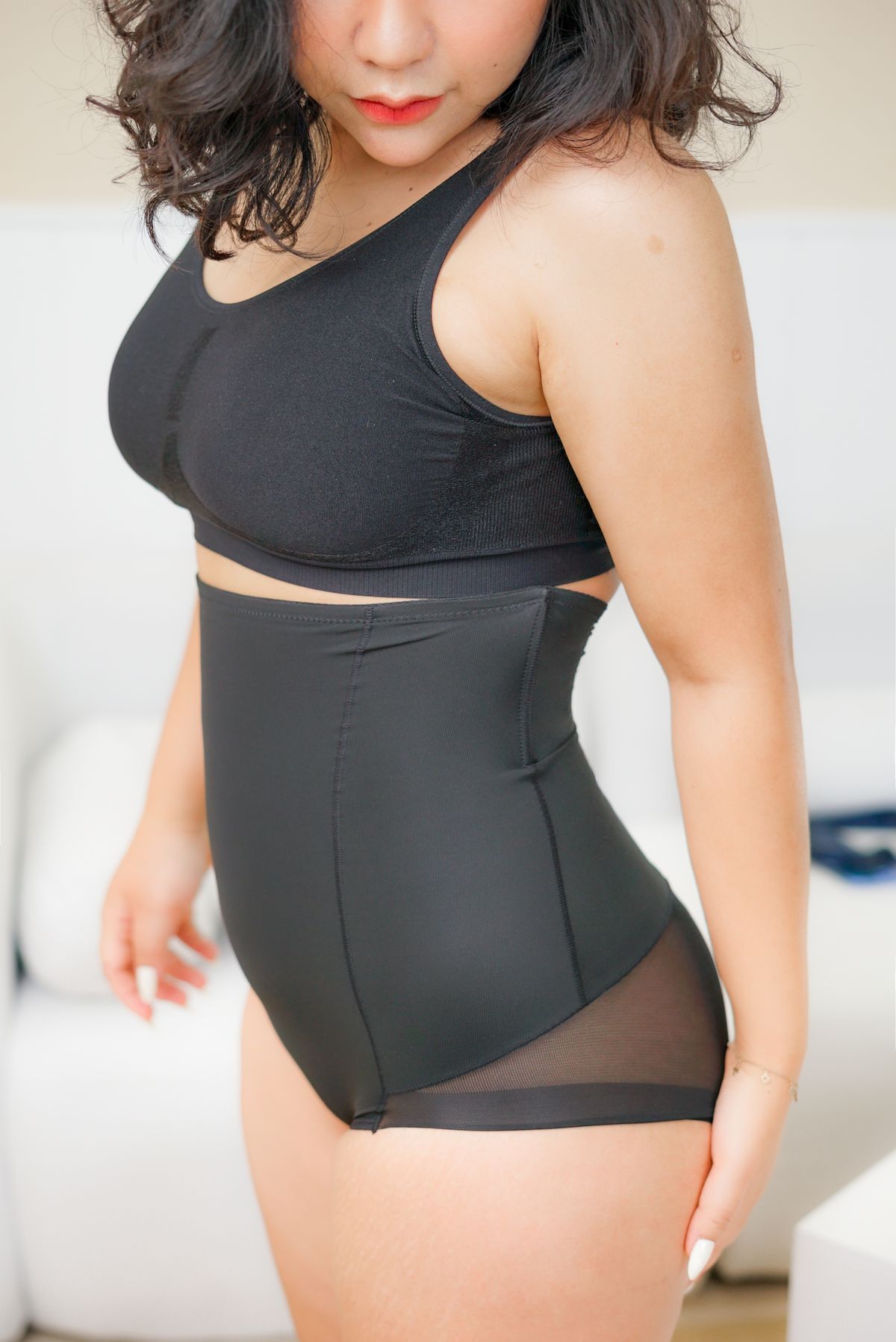
The Full Garment Taxonomy: Which Shape Does What
Shaping shorts and bike-short styles
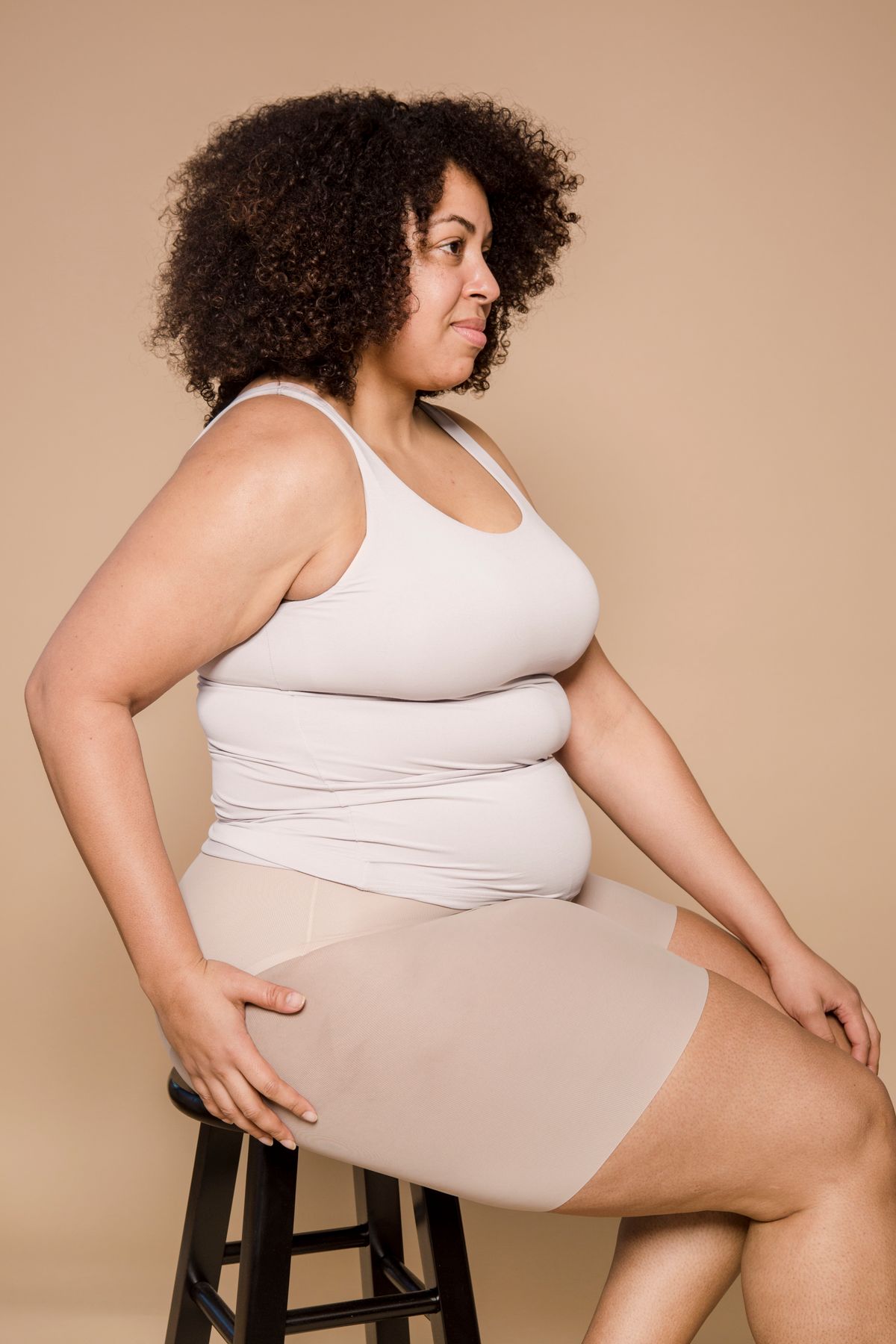
The most useful piece for most people. A mid-thigh short in smooth knit stops thigh-on-thigh friction, removes knicker lines, and sits invisibly under almost any dress or skirt. Look for an inseam of at least 20–23 cm (8–9 in) so the leg cannot creep upward, and a flat leg opening rather than a gripping one. If you own nothing else, own this.
High-waist briefs
A brief ending at or just above the natural waist, giving a smooth line from mid-torso to upper thigh. The advantage over shorts is bulk: nothing around the leg, so it disappears under a narrow skirt. The trade-off is friction — briefs do nothing for thigh contact. Rise matters enormously: a brief stopping at the widest part of your midsection instead of above it will fold every time you sit.
Waist-only bands
A wide elastic band, roughly 15–25 cm tall, worn at the midsection with no leg or bust component. It is the most breathable option and the easiest for bathroom access. Best for an even surface under a fitted knit or a waistband that would otherwise show a step. Narrow bands roll relentlessly, so ignore anything under 15 cm.
Shaping camis and long-line tops
Genuinely underrated. A smoothing camisole creates a clean line from bust to hip under a thin blouse, stops a bra band reading through a single-layer top, and adds no waistband anywhere. Long-line versions reaching the hip stay put; short ones ride up. If you dislike anything compressive around the middle, this is often the piece that works when nothing else does.
Shaping bodysuits: open-bust versus built-in bra
A shaping bodysuit gives the smoothest torso line because it has no waistband to fold. The choice is bust construction. Open-bust versions leave the chest free so you wear your own well-fitting bra — almost always the better call above a D cup, because a built-in shelf rarely matches a band and cup you already fitted properly. Built-in bra versions are simpler and lower-bulk under a strapless dress, but the support ceiling is real.
Worth naming clearly: this is a foundation garment, not a fashion piece. If you want a bodysuit visible as part of the outfit — tucked into wide-leg trousers, worn under a blazer — look at our plus size bodysuits built as outerwear-ready tops instead. Same silhouette, completely different construction and stretch.
Slips, shaping dresses, and choosing a length
A full slip with light compression is the most comfortable event option there is: no static, no lined dress twisting as you walk, one smooth layer gripping nowhere. Shaping dresses go further with panelling built in. Both share one advantage — no leg bands and no waistband, so nothing can roll or cut in over a long night.
Length is a friction-and-hemline decision, not a strength decision. Mid-thigh covers most dresses; longer thigh-length suits a midi or maxi with a slit. Knee-length works under long dresses, but check the hem edge — a thick band at the knee shows through anything close-fitting, and the knee is a hinge, so a tight band there migrates fastest.
Shaping tights and control-top hosiery
The most seasonally practical option, because it does two jobs at once: warmth plus a smooth line, with no separate garment. Control-top hosiery uses a denser knit panel from waist to upper thigh with sheer or opaque legs below. The make-or-break detail is the waistband — wide, flat, and not a thin elasticised cord — plus a gusset wide enough that the crotch seam sits where it should. Our plus size tights sized for real hip and thigh measurements are cut to that proportion, which is why they do not slide down by lunchtime.
Compression Levels, Explained Honestly
Light compression: the everyday level
Light compression is a smooth second skin. It reduces friction, removes seam lines, and holds a fabric surface even. It should be almost unnoticeable to wear — you can eat a full meal, breathe normally, and forget it exists. Fabric here typically runs 8–15% elastane. Buy this level first; for most people it is the only level they end up wearing.
Medium compression: the event workhorse
Medium adds a firmer, more stable surface and keeps fabric in one plane through a long day of sitting and standing. Expect roughly 15–22% elastane, often with targeted power mesh panels. You feel it going on and stop noticing within twenty minutes. It is a reasonable eight-hour garment if it fits. If you are still aware of it at hour three, the size is wrong — not your tolerance for it.
Firm compression: a short-event garment, not an all-day one
Firm compression, above roughly 25% elastane with heavy bonded panels, creates a very stable base under structured fabrics. Be clear-eyed: this is a three-to-four-hour garment. It restricts how far your midsection can expand, which affects digestion and full breaths. Ceremony plus dinner, yes. A ten-hour workday, a flight, or a day you plan to eat properly, no. Anyone calling firm compression comfortable indefinitely is selling something. When a label just says "sculpting", ignore the marketing word and read the elastane percentage.
Fabric and Construction: The Details That Decide Comfort
Power mesh and where the panels sit
Power mesh is a fine, strong, open-knit fabric giving stability with airflow. Good construction places it as panels in specific spots, with softer knit elsewhere. Bad construction wraps you in stiff mesh from ribs to knee, which is where the sweaty, cannot-bend-over feeling comes from. Hold the garment to the light: you want distinct zones, not one uniform slab.
What elastane percentages actually feel like
Around 8–12% feels like a soft t-shirt with recovery: forgiving, barely there. At 15–20% you feel a definite hug and the fabric holds its shape when you set it down. At 25% and above it is genuinely resistant — you pull to get it on and you feel it all day. Nylon content sets the hand-feel: more nylon means silkier and more slip, which is what you want under satin.
Seams: bonded, flat-lock, and show-through
Seams cause most visible lines through thin fabric. Bonded seams are heat-fused with no stitching for a completely flat edge — best under jersey and satin, though they eventually delaminate. Flat-lock stitching lies almost flush and is far more durable, the right compromise for frequent wear. Overlocked seams with a raised ridge read through anything single-layer. Hems follow the same logic: laser-cut or bonded hems disappear, thick elastic bands do not.
Grippers, gussets, and breathability
Silicone grippers stop a garment migrating and they work — but a thin, hard gripper line irritates skin over hours. Wide, matte, dotted silicone across 2–3 cm is far kinder than a narrow rubbery strip. On gussets, look for a cotton-blend panel and real width; a narrow synthetic gusset traps moisture, and moisture plus friction is how chafing and inflamed follicles start. If you sweat easily, prioritise the gusset above every other feature.
Sizing: Why Sizing Down Causes Almost Every Complaint
The rolling waistband, the number one complaint
Nine times in ten a rolling waistband has one of three causes. The band is too narrow — under about 5 cm it has no surface area and folds at the first bend. The rise is wrong — the band landed on the widest part of your torso instead of above it, so your own shape pushes it down. The garment is a size too small — the fabric is at maximum stretch with no give left, and takes the only escape route available, which is downward.
The fix for all three is identical: a wider band, a high rise that clears your widest point, and the size your measurements actually say. Sizing down never adds smoothing — it adds rolling.
Thigh bands that cut in, and legs that ride up
A thigh band leaving a deep groove is too tight for your thigh circumference, full stop. Sometimes the answer is a size up; sometimes a wider, seamless leg opening, or a longer inseam that puts the band at a narrower point. Riding up is the mirror image — the inseam is too short for your thigh length, so the leg walks upward. Measure your thigh at its fullest point and buy to that number, even if it pushes you past your dress size.
True to size or up? And what to do with three different columns
Sizing is where plus size shapewear goes wrong most often. Buy true to size in light compression. In medium or firm, if you are between sizes, take the larger one — firmer fabric has less forgiveness built in. When your bust, waist, and hip land in three different columns, which is completely normal, size to the largest measurement on any one-piece garment, because that point fails first. Better yet, sidestep it: a shaping short plus your own bra lets each part fit independently.
Getting it on without a wrestling match
Roll the garment down on itself into a doughnut, step in, then unroll upward in stages rather than dragging it in one pull. For bodysuits, hips first, then arms, then fasten. Dry skin helps, so dress before moisturiser and makeup. One practical shopping filter: check for gusset snaps. A bodysuit or slip without them means fully undressing in a public bathroom — at a wedding, reason enough to choose separates.
Comfort and Health: What Too-Tight Really Does
Digestion, reflux, and breathing
Sustained pressure on the midsection has real effects. It can push stomach contents upward and trigger reflux or heartburn after eating, and it can slow digestion and cause bloating. It also limits how far your diaphragm drops, so breaths get shallower — which is why people report light-headedness in firm compression at a long, warm event. This does not make plus size shapewear dangerous. It means firm compression belongs in short windows, not at a meal you intend to enjoy.
Numbness, tingling, and skin
Tingling or numbness in the outer thigh is nerve compression from a band pressing where it should not, and it is a clear signal to size up or change garments. On skin, tight synthetic fabric plus heat plus friction causes chafing and inflamed hair follicles, especially along thigh bands and the gusset. A breathable gusset, a size that fits, and washing between wears prevents nearly all of it.
Red flags: take it off
- Numbness or pins and needles anywhere, especially the thighs
- You cannot take a full, deep breath without effort
- Sharp pain, cramping, or nausea after eating
- Dizziness or light-headedness, particularly standing in a warm room
- Skin that stays deeply indented long after you undress
Any of these means it comes off and does not go back on. Here is the framing that matters most: if it hurts, it is the wrong garment or the wrong size — it is not the wrong body. Discomfort is data about a product, never a verdict on you. If you are pregnant, post-surgical, or managing a circulatory or digestive condition, talk to your clinician before wearing anything compressive.
Outfit Pairings and Care: What Goes Under What
Knit and bodycon dresses
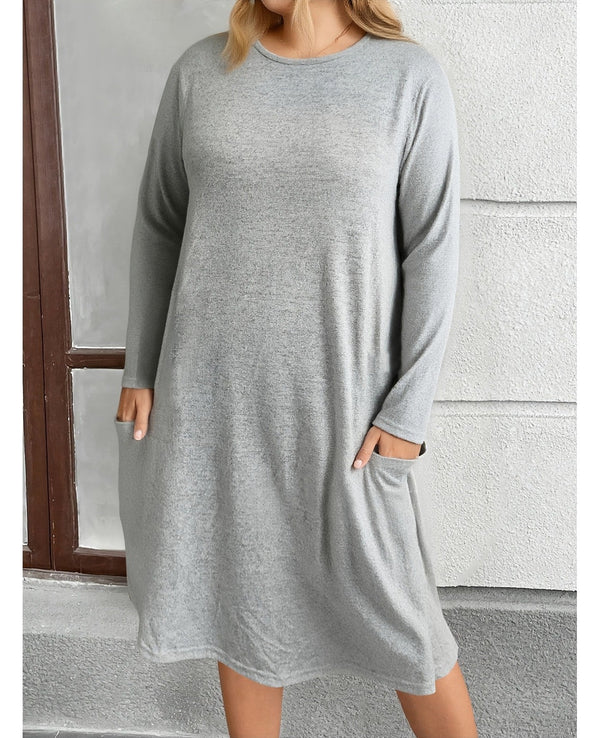
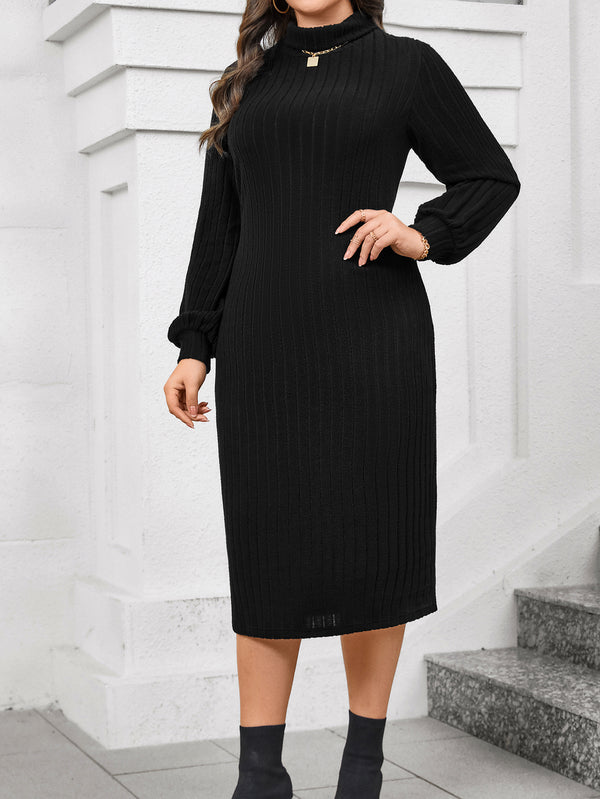
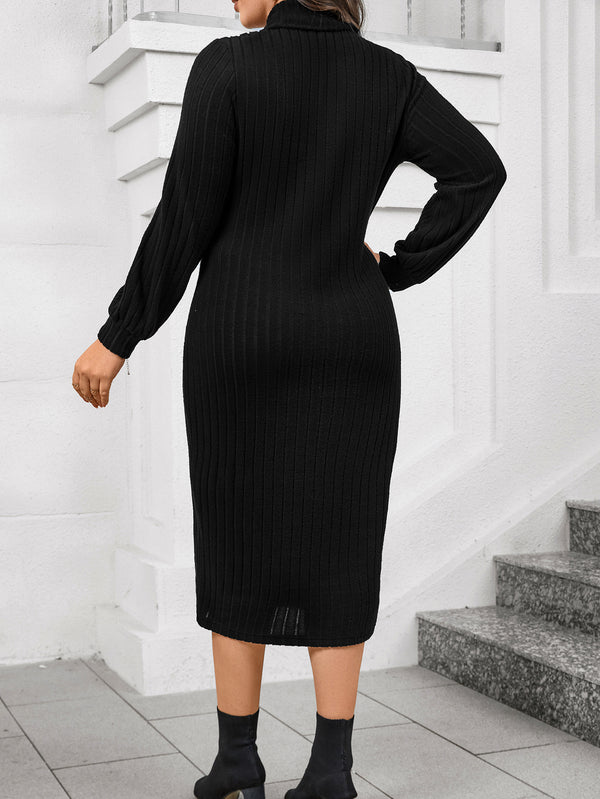
Thin jersey and bodycon knits are the clearest case for a smoothing layer, because single-layer knit shows every edge beneath it. A light-compression shaping short or high-waist brief with a bonded hem gives an uninterrupted surface. Skip anything with a thick hem band, which creates the exact line you were avoiding.
Slip dresses and satin skirts
Satin and bias-cut silk do not need compression — they need slip. The goal is a slick, static-free surface so fabric skims instead of grabbing. A nylon-rich light slip, or a smooth short with high nylon content, is ideal. Firm compression backfires here, because heavy mesh texture telegraphs through a thin, shiny weave.
White trousers, wide-leg pants, and jumpsuits
Under white or pale trousers the only job is eliminating visible edges, so choose a seamless short matched to your skin tone in the lightest weight. Wide-leg trousers usually need nothing at all, since fabric never touches you below the hip — a smooth brief is plenty. With jumpsuits, remember there is no bathroom shortcut: separates or a snap gusset, or you undress completely.
Weddings and long events
For anything past four hours, choose medium compression at most, insist on a snap gusset, and rehearse — wear the full outfit for two hours at home, sitting, standing, and eating. Most event-day misery gets discovered on the day when it could have been found on the sofa a week earlier. A light slip plus your own well-fitting bra beats a firm bodysuit for nearly every wedding guest.
Outfits that need nothing at all
Plenty of clothes already do the work. Lined dresses, ponte and scuba knits, structured wovens, denim, corduroy, pleated skirts, anything oversized, and any lined trouser need no help whatsoever. Layered outfits generally do not either. If you are reaching for a smoothing layer out of habit rather than a fabric reason, skip it once and see whether you notice. Usually you will not.
Care and longevity: when the elastane is done
Elastane is destroyed by heat, chlorine, and fabric softener. Hand-wash cool with gentle detergent, or machine-wash cold in a mesh bag. Never use fabric softener — it coats and breaks down the fibre. Never tumble dry and never wring; press the water out in a towel and air-dry flat. Expect twelve to eighteen months of regular wear. It is finished when the fabric stops springing back, the waistband stays stretched, or it rolls when it never used to. That is dead elastane — replace it rather than fighting it.
Plus Size Shapewear FAQ
Should I size down in plus size shapewear for more smoothing?
No, and this is the single most common mistake. A size too small has no stretch left, so it rolls at the waist, digs at the thighs, rides up, and becomes unwearable within an hour. Fabric already at maximum stretch cannot hold anything smooth — it just moves. Buy the size your measurements indicate, and size up in medium or firm compression if you are between sizes.
Can I wear shapewear every day?
Light compression, yes, as comfortably as a fitted camisole. Medium is fine for a working day if it genuinely fits. Firm compression is not an everyday garment — keep it to three or four hours for a specific event, because sustained heavy pressure affects digestion and full breathing. And no rule says a daily habit is required; most people are happiest with light compression for a few outfits and nothing the rest of the time.
Why does my waistband keep rolling down?
Three likely causes, often together: the band is too narrow to stay put (look for 5 cm plus), the rise is too low to clear the widest part of your torso, or the garment is a size too small. Choose a wider band and a genuinely high rise in your true size and the problem usually disappears. Silicone gripper detailing helps, but it cannot rescue a garment that is simply too tight.
Do I actually need shapewear as a plus size woman?
Not even slightly. It is a styling tool for specific fabrics, in the same category as a slip — useful when a thin knit shows seam lines or when you want less friction on a long day, and unnecessary otherwise. Your body does not require a foundation garment to wear a fitted dress. Wear it when it makes your day easier, skip it when it does not, and let comfort cast the deciding vote.