Plus size flared pants outfits offer a strong fall silhouette without asking you to squeeze into an uncomfortable fit. A true flare follows the hip and thigh, then opens below the knee, creating movement that looks especially good with boots, knits, and tailored jackets. The point is not to use the shape to make your legs appear thinner or longer. It is to enjoy the rhythm of the cut and build an outfit that works for your body, your schedule, and the weather. This guide covers rise, fabric, hem, layers, footwear, color, and dependable formulas for work and weekends.
Know the difference between flare, bootcut, and wide leg
These terms are often mixed together, but the shape affects both styling and fit. A flared pant is relatively close through the hip and thigh, then widens noticeably from the knee. A bootcut opens more subtly, creating enough room for a boot without a dramatic bell. A wide-leg pant falls with width from the hip or upper thigh. None is inherently better for a plus-size body; they simply create different lines and require different hem and shoe decisions.
Look at the side seam and knee placement when trying a flare. If the narrowest point sits too high or low relative to your knee, the pant may buckle or lose its intended shape. Petite and tall versions can help, but inseam length is only part of the equation. The distance from waist to knee matters too. Walk and sit to see whether the fabric returns smoothly or clings in a way you do not enjoy.
The amount of flare sets the mood. A gentle kick flare feels polished and easy for work. A full bell shape brings a more expressive seventies influence. Cropped flares spotlight shoes and can work in early fall, while full-length flares create drama and warmth. Choose the version you want to see in the mirror rather than the one a body-shape chart assigns to you.
The plus size pants collection is a useful place to compare rises, fabrics, and leg shapes. Check the garment measurements whenever they are available. The word “stretch” does not reveal how much a fabric expands or whether it recovers, so reviews and fiber content can provide helpful context.
Fit the rise, waistband, hip, and thigh before the hem
A flare cannot hang correctly if the upper block is fighting your body. Start with the rise. A high rise can feel secure and define the waistband, but it should not press into the ribs when you sit. A mid rise may suit a shorter torso or anyone who prefers less abdominal coverage. A contour waistband can follow curves more closely, while an elastic-back waist adds flexibility. Bend, sit, and take a deep breath before deciding.
Through the hip and thigh, decide how much definition you want. Some flares are designed to fit close; others skim. Pull lines toward the zipper, pocket gaping, and a waistband that dips sharply can indicate that more room or a different cut would help. Extra wrinkles do not always mean the pant is too large. They can show that the rise shape or thigh curve does not match your body.
Check pockets and closures. Front pockets should lie reasonably flat while still being usable. A side zipper can create a clean front, but it may be harder for some mobility needs. A pull-on ponte flare is easy to wear, although the waistband must have enough structure to stay up. Belt loops are useful if your waist and hip measurements fall into different sizes, but tailoring the back waist can offer a cleaner long-term solution.
Fit the largest or least alterable area comfortably, then consider adjustments. Hemming is common; reshaping a complex rise is not. If you need more room in the thigh, sizing up and tailoring the waist may be more successful than asking stretch fabric to stay under constant tension. Your pants should support a full stride without twisting around the leg.
Set the hem for the shoes you actually wear
Full-length flares depend on hem placement. With your intended shoes on, the front can skim the top of the foot while the back stays safely above the ground. Too short and the flare may appear to float; too long and the hem can drag, collect moisture, or catch under your heel. Because even a small heel changes the line, decide whether the pants are primarily for flats, sneakers, or heeled boots before altering them.
If you want one pair to work with several shoes, choose similar sole heights. A low block heel and a supportive platform sneaker may share nearly the same effective height. Another option is to keep a full-length pair for boots and a cropped pair for flats. That is often more practical than trying to make one hem serve every possible outfit.
Cropped flares should look deliberate. A length that ends above the ankle bone or at the narrow lower calf makes space for loafers, ankle boots, and socks. In colder weather, connect the exposed area with tights or a close-fitting sock. Avoid a sock that bunches exactly where the pant begins to flare, because it can interfere with the drape.
Walk on stairs and sit before finalizing a hem. The pant rises when your knee bends, revealing more shoe and sock. If your commute involves wet pavement, leave a little extra clearance. A skilled tailor can mark both legs separately, which is useful because bodies and posture are not always perfectly symmetrical.
Pair tops with flares without following rigid balance rules
A close-fitting knit makes the flare silhouette easy to read, but it is only one option. A tucked blouse, cropped jacket, fitted cardigan, or smooth bodysuit all create definition near the waistband. If you enjoy volume, an oversized sweater can also work. Let it end near the waistband, use a partial tuck, or allow it to fall long and create an intentionally relaxed column. You do not have to minimize fabric everywhere just because the pant leg is expressive.
Think about the visual break rather than a prescribed body ratio. A top ending at the high hip reveals the transition from thigh to flare. A longer blazer creates a vertical frame and can feel elegant. A cropped bomber emphasizes the rise. Try each with your arms relaxed and then in motion. The outfit should still look like you when you are not holding a carefully arranged pose.
For autumn, ribbed knits, fine merino, jersey, and fluid blouses layer well beneath jackets. Heavy cable texture can be beautiful, but check whether it bunches under a coat. If the pants have a pronounced texture such as corduroy, a smoother top keeps the fabrics distinct. Ponte flares can take a more tactile sweater or brushed blazer.
Browse plus size tops for fall layering with your preferred neckline and sleeve shape in mind. A V neck opens the chest area, a crew neck feels classic, and a mock neck strengthens the long fall line. Choose based on comfort and expression, not a promise to flatter every body in the same way.
Use jackets and coats to extend the silhouette
A cropped jacket makes high-rise flares the clear focus. Try a waist-length blazer, bomber, or denim jacket when you want a defined upper shape. Make sure the jacket hem does not grip or ride up while seated. A slightly boxy cut can create clean contrast with the fitted thigh and wide lower leg.
A hip-length blazer is ideal for work because it introduces tailoring while leaving the flare visible. Single-breasted styles create a simple vertical opening; double-breasted styles add stronger structure. Wear the blazer open if that feels easy, or button it when you want a complete suited effect. The correct choice is the one that lets you breathe and move comfortably.

Long coats can look dramatic over flares. A straight wool coat, belted trench, or relaxed duster creates movement around the wider hem. Check that the coat and pant do not compete at the ankle; enough length and space keeps them from tangling. On rainy days, a shorter weatherproof jacket may protect the upper body while making it easier to keep the pant hem dry.
Layering should remain adjustable. A breathable top, removable jacket, and outer coat are often more useful than one very heavy layer. If several pieces have strong shoulders, large collars, or bold hardware, simplify one of them. The flared pant already provides a clear design feature, so the rest of the outfit can support it without disappearing.
Choose footwear that fits beneath the flare
Boots are a classic choice because the pant leg can fall over the shaft. A block-heel ankle boot supports the long line and offers stability. A pointed toe may peek out beneath a full-length hem, while an almond or square toe feels substantial. Make sure the shaft is slim enough not to catch the fabric, especially when you stand after sitting.
Loafers work well with cropped flares or a carefully hemmed full length. They give tailored pants an office-ready finish and let patterned socks become part of the outfit. Sneakers make flares casual and comfortable. A platform or slightly thicker sole can keep a long hem off the ground, but the shoe should still flex naturally and feel secure.
Heels are optional. The flare shape does not require added height, and a flat shoe can look intentional when the hem is set correctly. If you enjoy heels, choose a height and base you can walk in comfortably. A broad heel is less likely to disappear beneath the pant or catch the hem than a very narrow heel.
Before leaving home, view the outfit from the side and back. Confirm that the hem clears the floor and that the fabric falls without getting trapped on the shoe. Take several steps at normal speed. This practical test matters more than how the pants look while standing perfectly still.
Build fall palettes and textures around the flare
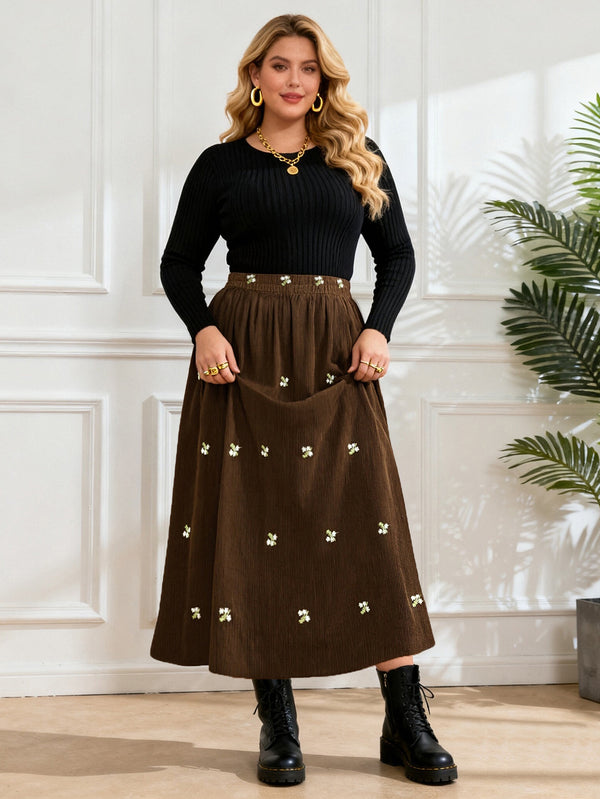
Navy flares with a rust knit and camel coat create a warm, polished fall combination. Black ponte flares with ivory and camel feel professional. Chocolate corduroy flares with teal, cream, or mustard offer texture and color for weekends. Burgundy pants can work with blush, charcoal, or navy. Olive pairs naturally with cream and deep plum.
A tonal outfit emphasizes silhouette. Try navy pants, a slightly lighter blue knit, and a camel accessory, or combine black flares with charcoal and silver. Vary the texture so the outfit has depth. Ribbed knit, smooth ponte, suede, and leather each reflect light differently even when the colors are close.
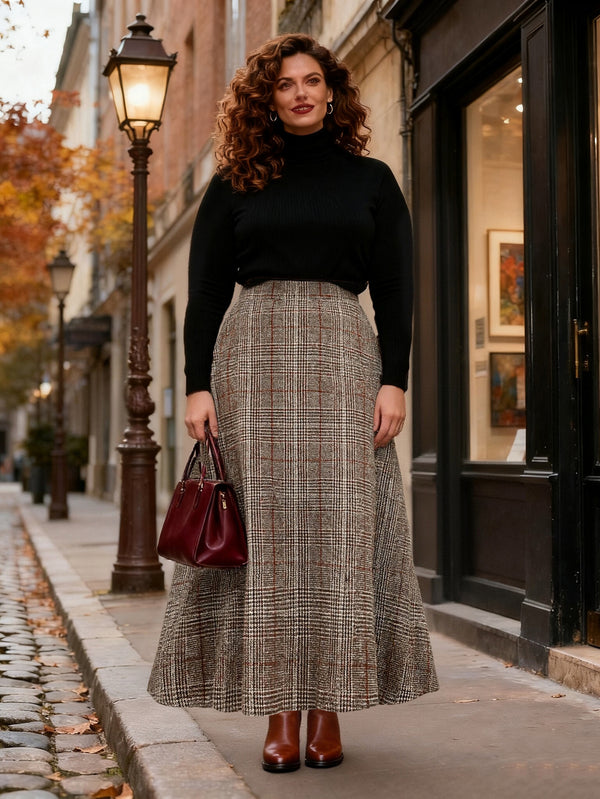
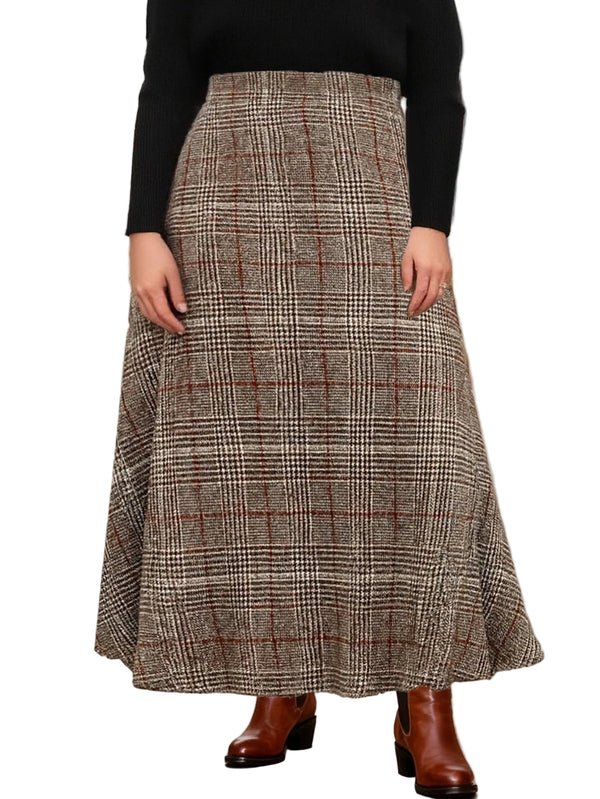
Patterns can sit above or below the waist. A striped knit with solid flares feels energetic. Plaid flares make a stronger statement and pair easily with a top that repeats one stripe color. If the pants are patterned, examine how the print aligns at seams and stretches across the hip. You deserve a garment whose construction looks considered in your size.
Do not overlook the effect of the waistband and belt. A tonal belt keeps attention on the long pant line, while a contrasting belt creates a clear focal point. If belt buckles press while seated, skip the belt and let the waistband stand on its own. Jewelry, a scarf, or a bag can provide the same sense of completion without adding pressure at your middle.
Accessories can echo the era of the flare or move it elsewhere. A structured bag and minimal jewelry make the pants modern. A soft suede bag and large hoop earrings lean into a seventies mood. A sporty crossbody and sneakers make the silhouette feel current and casual. Choose one direction for the day, then add only what helps.
Try three dependable flared-pants formulas
For a polished workday, wear black ponte flares with an ivory blouse, cropped camel blazer, and pointed flats or low boots. The stretch fabric supports sitting, while the blazer adds structure. Keep the hem just clear of the shoe and add a tote that fits your daily essentials. If the office is cold, layer a thin camisole rather than a bulky sweater beneath the blouse.
For a fall city day, combine navy flares with a fitted rust sweater, camel coat, and brown ankle boots. Add a crossbody bag and simple gold-toned jewelry. The navy and rust create rich contrast, while the coat repeats the warmth of the boots. This formula works for lunch, shopping, or a casual meeting.
For a relaxed weekend, pair chocolate corduroy flares with a teal knit and cream sneakers. The textures feel seasonal, and the sneakers keep the outfit practical for walking. A small crossbody leaves your hands free at a market or museum. If the morning is chilly, add a short quilted jacket in cream or olive.

Once a formula works, repeat it with a single change. Swap the top color, change the jacket length, or move from boots to sneakers with a compatible hem. Repetition is not a lack of creativity. It is how a wardrobe becomes easier to use, and it gives you a reliable base for the days when getting dressed needs to be quick.
FAQ
Can plus size women wear dramatic flared pants?
Absolutely. A dramatic flare is a design choice, not a privilege reserved for one size. Focus on the knee placement, upper fit, hem, and your comfort. Pair the pants with a fitted top if you want the flare emphasized, or with a relaxed layer if that feels more like your style.
How long should full-length flared pants be?
With the intended shoes on, the front can skim the shoe while the back stays above the floor. The exact clearance depends on weather and how much you walk. Mark the hem while standing naturally, then test stairs and a normal stride before the final alteration.
What fabric is most comfortable for office flares?
Ponte is popular because it stretches, recovers, and usually resists wrinkling. A stretch twill or soft suiting blend can also work. Check that the waistband remains comfortable while seated and that the knees recover after bending. Breathability and lining matter if the office runs warm.
How do I keep flared pants from dragging in rain?
Choose a slightly shorter hem for wet-season wear, use shoes with a modest sole, and avoid switching to much flatter footwear than the pair used for hemming. For a sudden shower, temporarily lift the hem while walking through puddles and let damp fabric dry fully before storing it.