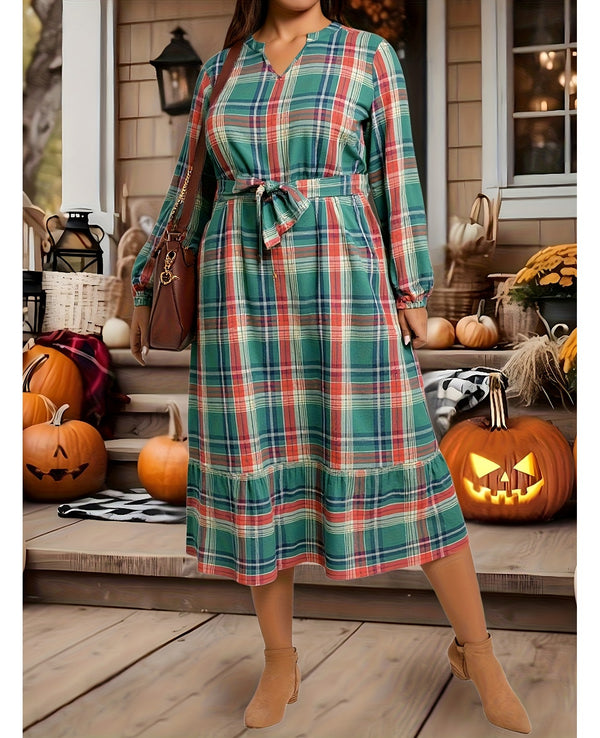
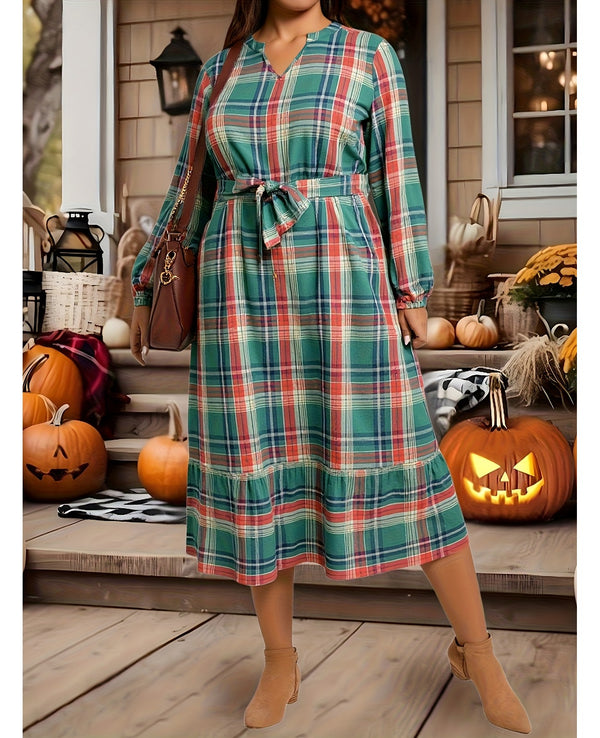
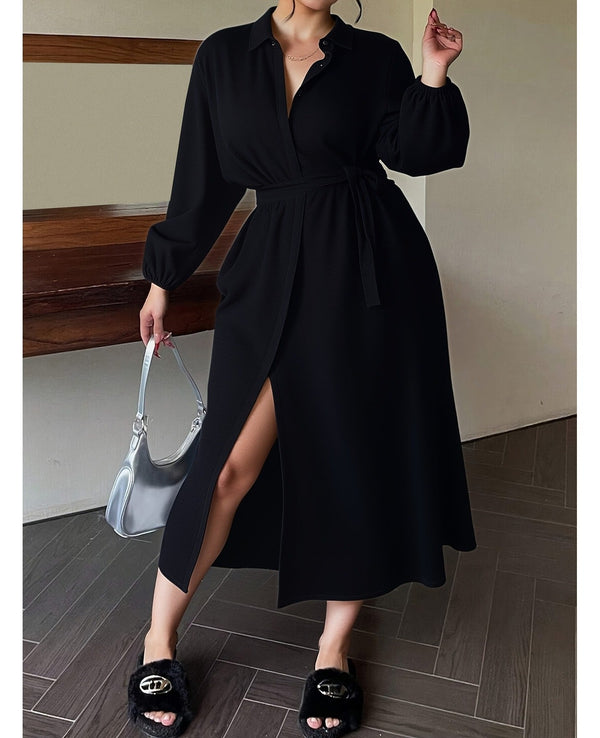
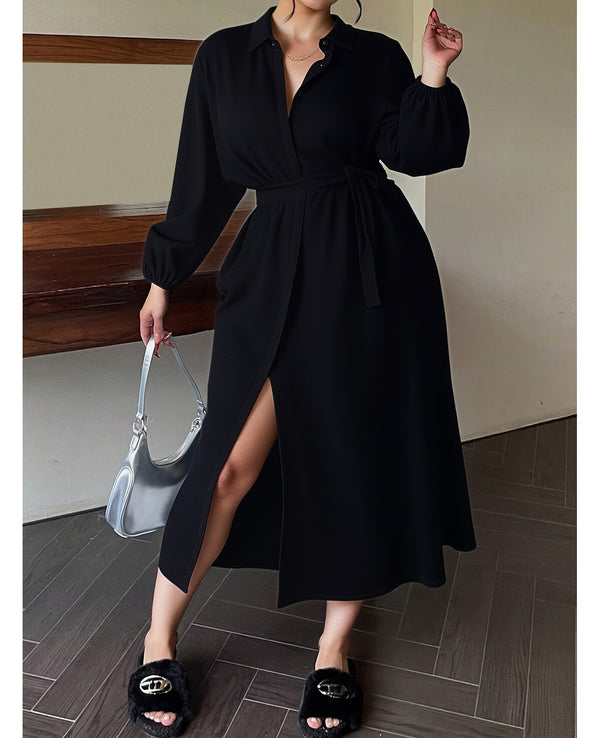
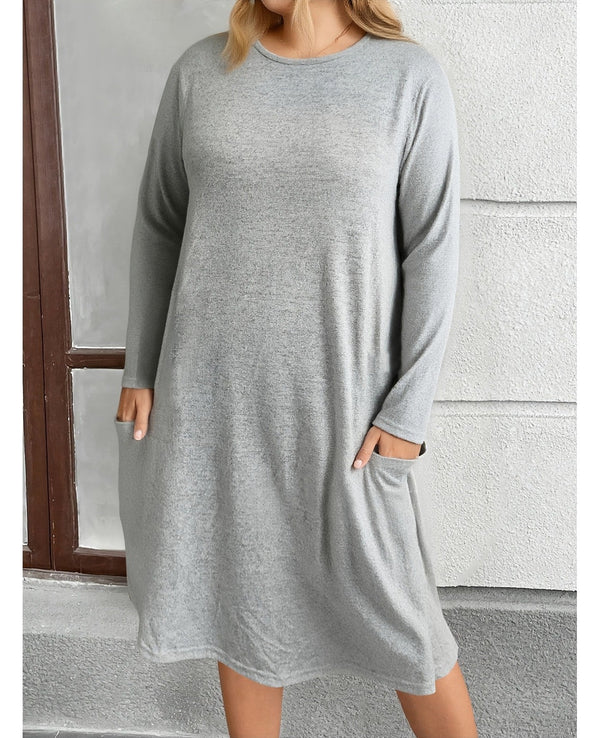
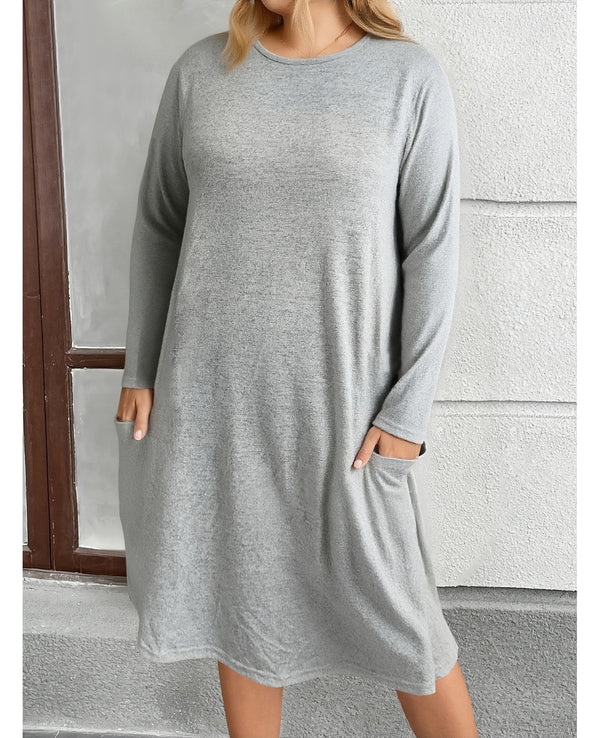
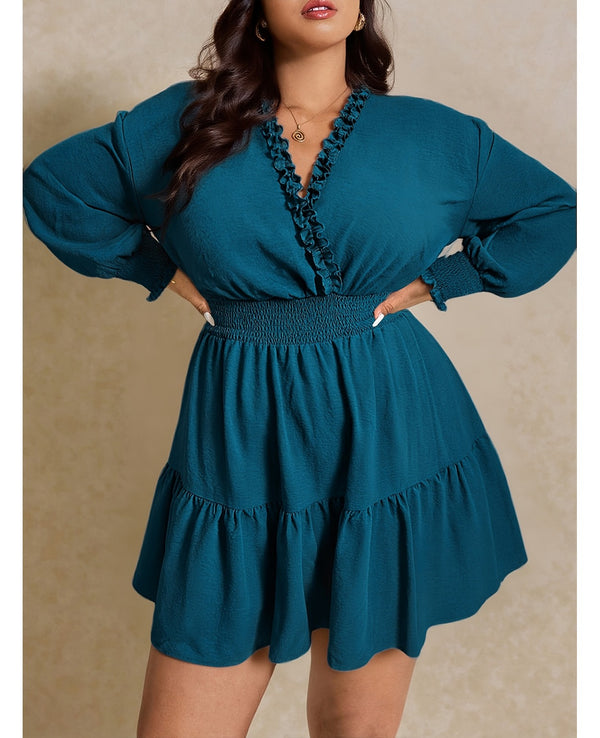
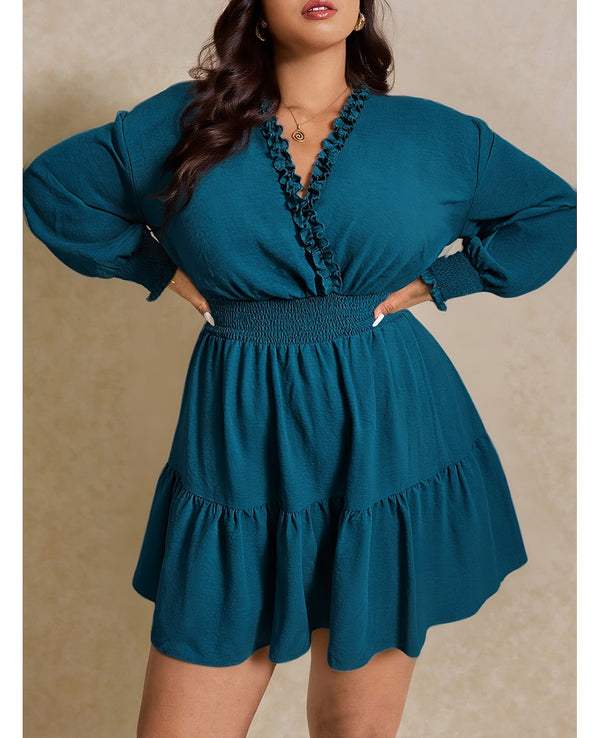
Welcome to Your Go-To Plus Size Size Guide
This plus size size guide is here to take the stress out of online shopping. If you have ever stared at a size chart and felt unsure about which number to pick, you are in the right place. Finding clothes that fit well is not about changing your body; it is about understanding your measurements and learning how different brands translate them into sizes. A reliable plus size size guide gives you the confidence to order once and love what arrives.
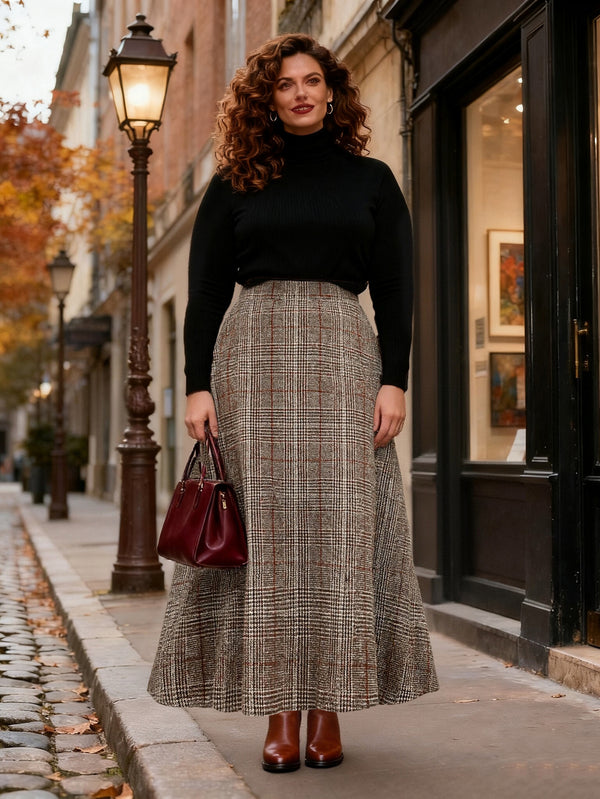
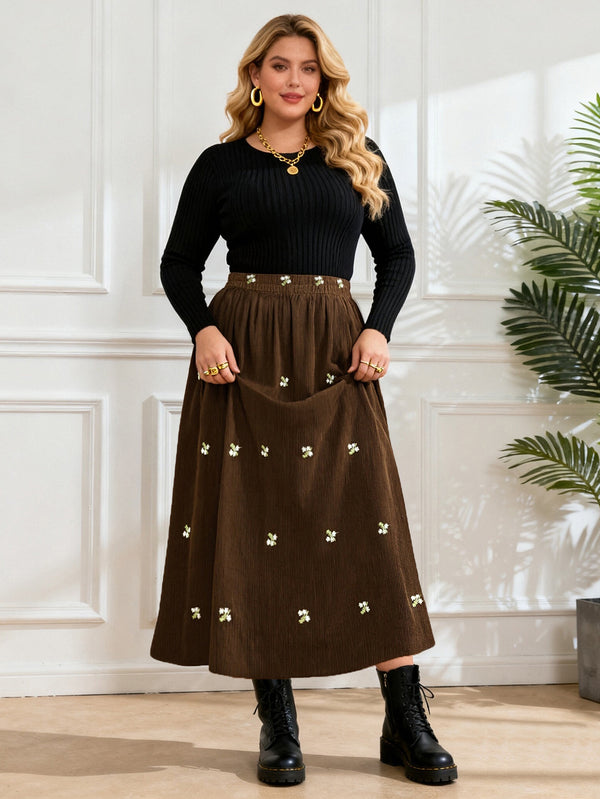
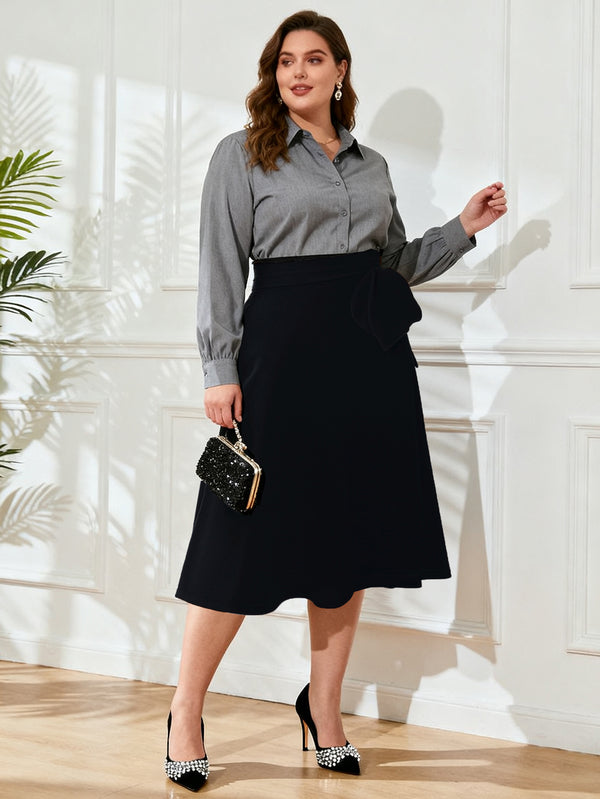
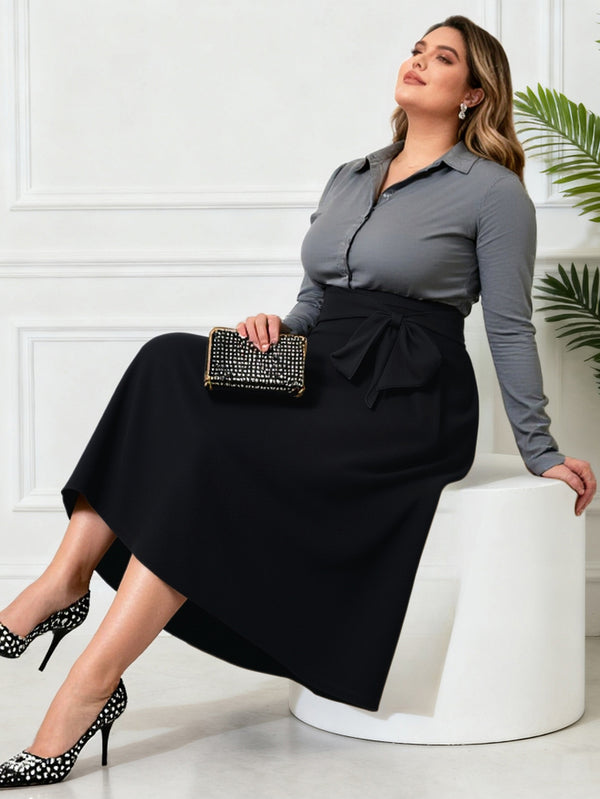
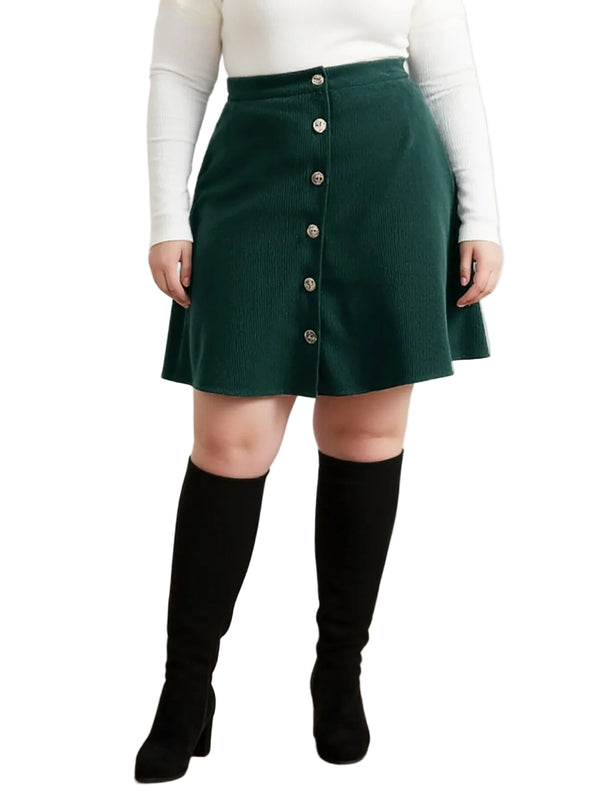
We built this guide for plus-size women who want practical, judgment-free advice. You will learn how to measure yourself accurately, how to read size charts, what to do when you fall between sizes, and how fabric stretch changes the way a garment sits on your frame. We will also walk through fit by garment type, from leggings to dresses, tops, hosiery denier, and sock sizing, so you can shop our plus size tops and plus size bottoms with total peace of mind.
How to Measure Your Body Like a Pro
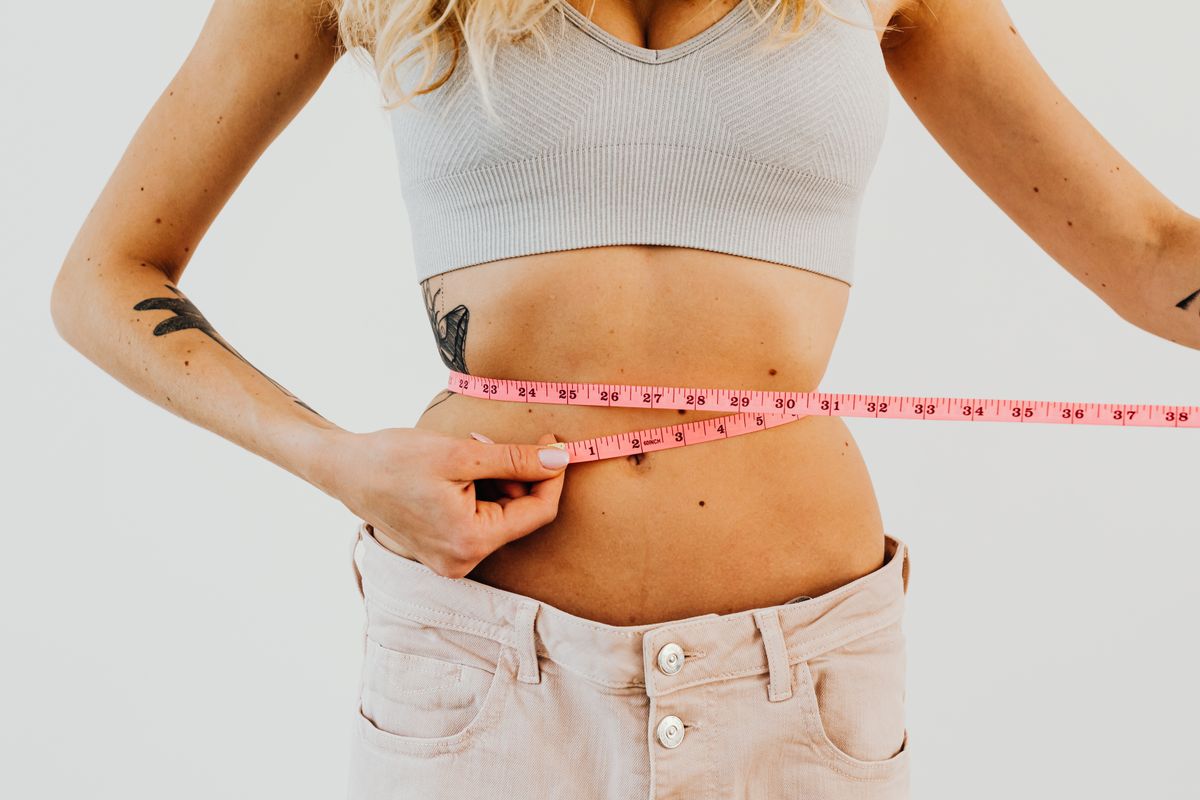
Accurate measurements are the foundation of any good fit. Before you compare yourself to a chart, you need to know your own numbers. Grab a soft measuring tape, wear fitted clothing or none at all, and stand naturally. Do not pull the tape tight; it should rest gently against the skin without squeezing. Measure in front of a mirror so the tape stays level all the way around.
What You Will Need Before You Start
A flexible fabric tape measure is essential because rigid metal ones bend and lie. Keep a notepad or your phone handy to record each number the moment you measure it. Wear the undergarments you plan to wear under the finished outfit, since a supportive bra changes your bust line. Ask a friend to help with hard-to-reach spots, or use a mirror to keep the tape straight on your back.
Bust, Waist, and Hip Measurements
Measure the bust at the fullest point, usually across the nipple line, keeping the tape parallel to the floor. Your natural waist is the narrowest part of your torso, often just above the navel; bend sideways to find it. The hips are measured around the widest part of the seat, about seven to nine inches below the waist. Write each number down and label it clearly so you never mix them up later.
Inseam, Thigh, and Shoulder
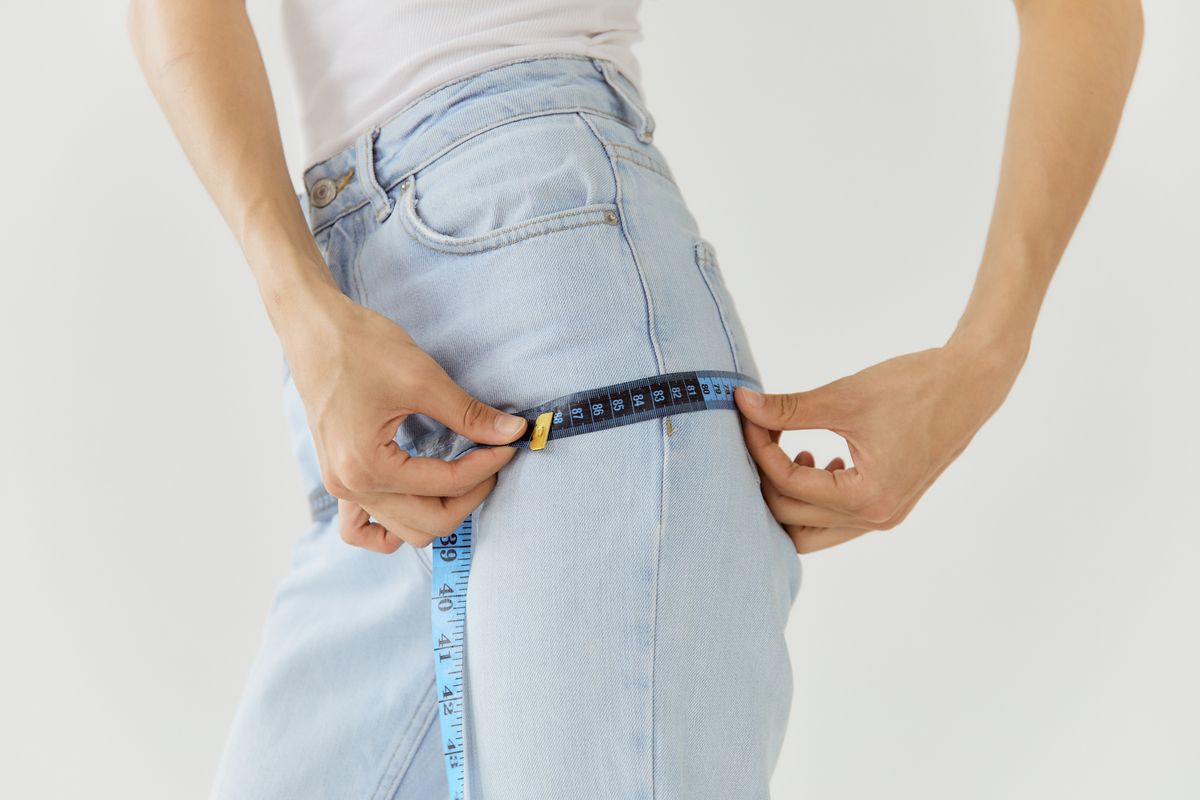
The inseam runs from the crotch seam down to the ankle; measure a pair of pants that already fit you well for the easiest result. Thigh measurement helps with leggings and tailored trousers, taken around the fullest part. Shoulder width, from one shoulder point to the other, guides how structured tops and dresses will sit across your back. These extra numbers turn a vague guess into a precise plan.
A common mistake is measuring over bulky clothing, which adds false inches and pushes you into a larger size than you truly need. Another is holding your breath or pulling your stomach in, which distorts the waist and bust readings. Stand relaxed, breathe normally, and let the tape rest where it wants. If a number surprises you, measure twice; consistency matters more than the exact figure, and a small habit of re-checking keeps your sizing notes accurate as your body naturally shifts through the year.
How to Read Plus Size Charts Without the Guesswork
A size chart is only useful if you know how to interpret it. Many shoppers assume their usual number carries across every store, but that assumption is where fit problems begin. Treat each brand as its own small world with its own ruler. This section of our plus size size guide shows you what to look for before you add anything to your cart.
Why Sizes Differ Between Brands
Two labels can call the same body a 2X or an 18, and both can be correct by their own internal grading. Manufacturing origins, target customers, and styling all shift the numbers. One brand may cut for a curvier bust, another for a straighter waist. Reading the chart itself, rather than trusting the tag you wore last season, is the single biggest upgrade to your shopping accuracy.
Where Each Brand Measures
Some brands measure the garment flat and double it, while others measure the body the clothing is made to fit. A flat measurement can look smaller than your body number because fabric has ease built in. Look for a note that says body measurement or garment measurement, and choose your size against the matching column. When in doubt, the body measurement column is the safer comparison to your tape results.
Decoding the Numbers and Ranges
Charts usually show a range, such as waist 38 to 41 inches for a given size. If your number lands in the middle, that size is your anchor. If it sits at the very top of one range and the bottom of the next, you are between sizes and our next section will help you decide. Always check whether the chart uses inches, centimeters, or both, and convert carefully so a unit mix-up does not send you the wrong way.
The Between-Sizes Strategy That Actually Works
Falling between two sizes is completely normal and not a sign that anything is wrong with your body. Size scales are stepped, but bodies are continuous, so the gap has to land somewhere. The trick is to decide based on the garment and the fabric rather than on a fixed rule. Use this part of the routine to make a calm, informed choice every time.
When to Size Up
Choose the larger size when a garment has little stretch, a structured weave, or sits close to a part of you that moves a lot, like the hips and thighs. Trousers, woven shirts, and fitted sleeved tops benefit from a touch more room because tight clothing restricts movement and pulls at seams. Sizing up also helps when you plan to layer underneath, since an extra layer changes your real measurement.
When to Size Down
Reach for the smaller size when the fabric is very stretchy, like recovery knit or spandex blends, and the style is meant to hug the body. A snug legging that relies on four-way stretch will bag and slide if it is too big. Knit dresses with negative ease are designed to stretch to your shape, so the smaller size often reads as the intended fit. Always balance this against how comfortable you want the final wear to feel.
The Ease and Tolerance Rule
Ease is the difference between your body and the garment. Positive ease means the clothes are larger than you; negative ease means they stretch to fit. Most plus-size comfort styles use positive ease of one to three inches at the bust and hip. Knowing this helps you predict fit: a listed measurement close to your own means a fitted look, while a larger listed measurement means a relaxed one. Tolerance is the small manufacturing variation, so avoid buying a size that only just fits.
Vanity sizing adds another wrinkle, because some brands label larger garments with smaller numbers to flatter the shopper. That is why your drawer may hold three different sizes that all fit the same body. Ignore the tag ego and trust the tape and the chart. A calm, measurement-first habit beats any label, and it spares you the loop of ordering, returning, and reordering the same style in search of a fit you could have predicted from the start with a few minutes of honest measuring.
Understanding Fabric Stretch and Drape
The same size in two different fabrics can feel like two different garments. Stretch and drape decide whether clothing moves with you or fights you. Once you learn to read fiber content, you can predict fit from the label alone, which is a quiet superpower for any plus-size wardrobe.
Reading Stretch Percentages
Look for elastane, spandex, or Lycra in the fiber list; even two to five percent adds meaningful give. Four-way stretch moves both across and lengthwise, ideal for activewear and leggings. Two-way stretch moves mainly across the width, common in jersey tees. The more stretch a fabric has, the more forgiving the size, so you can sometimes choose the smaller option with confidence.
Drape vs. Structure
Drape describes how fabric falls under its own weight. Soft rayon and viscose drape and skim the body, while cotton poplin and denim hold a structured shape. A fluid drape flatters by moving, not by masking; it simply follows your lines. Structured fabric needs more precise sizing because it will not bend to fit you. Match the fabric personality to the comfort you want from the day.
Fabric Care and Fit Over Time
Natural fibers like cotton can relax slightly with wear, while heat from a dryer shrinks synthetics and weakens elastic. Wash stretch pieces in cool water and lay them flat to keep their shape. A garment that fits perfectly on day one should still fit on day thirty if you care for it well. Building this habit protects the fit you worked hard to find using your plus size size guide.
Fit by Garment Type: Leggings, Dresses, Tops, and Hosiery
Different garments ask for different sizing logic. What works for a flowing dress may fail for compression leggings. This section breaks down the most common categories so you can apply the right rule to the right piece. Our plus size tops and plus size bottoms collections are built with these fit notes in mind.
Leggings and Active Bottoms
Leggings rely on stretch and recovery, so pick a size that feels supportive without cutting in. If the waistband rolls or the fabric goes sheer when you squat, you need the next size up. Squat-proof thickness matters more than a smaller number. For everyday comfort, choose the size that stays put through a full range of movement and keeps you feeling secure.
Dresses and Jumpsuits
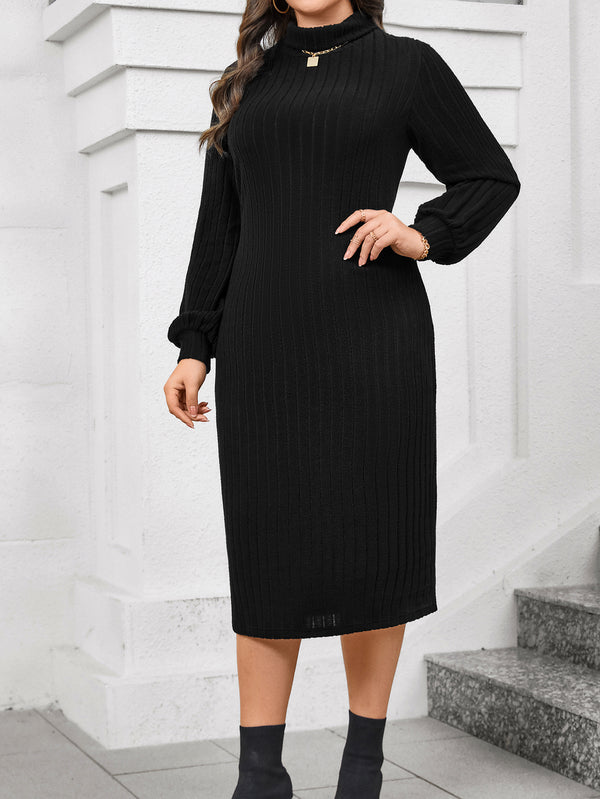
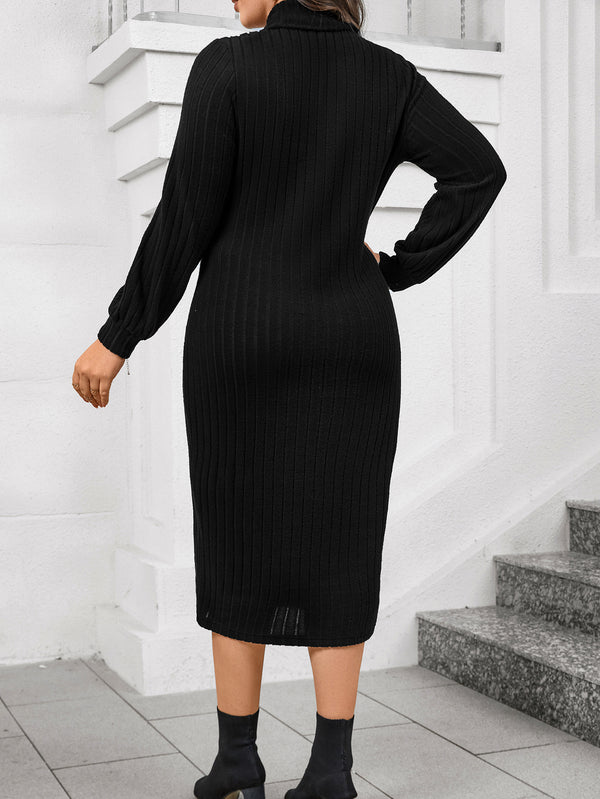
Dresses need room across the bust and hips at once, so check both columns on the chart. Fit-and-flare styles forgive a wider hip, while sheath dresses demand closer matching. Jumpsuits add the inseam variable, so verify leg length as well as torso. When the bust and hip point to different sizes, size to the larger and consider a subtle alteration at the smaller zone.
Tops and Knitwear
Sleeve circumference and shoulder width govern how a top feels more than the bust alone. Boxy knits can go either way, while fitted tees should match your bust range. Raglan and dolman sleeves give extra ease through the arm, a welcome feature for many plus-size shoppers. Always note whether a top is meant to be cropped, tucked, or worn long, because that changes the ideal size too.
Hosiery Denier and Sock Sizing
Denier measures hosiery thickness: lower numbers like 10 to 20 denier are sheerer and run more easily, while 40 to 80 denier are opaque and sturdier. Plus-size hosiery is graded by height and weight rather than dress size, so use the brand chart for that pairing. Socks size by foot length and sometimes calf circumference; compression and comfort bands vary, so read the range and choose the size that matches your measurements rather than your shoe number alone.
When you shop across categories, keep a short note of which size worked in each garment type, because leggings and woven trousers rarely share a size. A simple phone list of your best-fit sizes by category turns future carts into quick, confident checkouts. The goal of any fit routine is less time guessing and more time enjoying clothes that already match the body you measured today, so the energy goes to styling rather than to returns.
A Body-Positive Reframe: Sizes Are Just Labels
It is easy to feel like a number on a tag says something about your worth. It does not. A size is a manufacturing code, nothing more, and it changes from brand to brand and decade to decade. The most freeing step in dressing well is letting go of the idea that the number has power over you.
The Number Does Not Define You
Your value was never printed on a clothing label, and no chart can measure your humor, kindness, or strength. When a size feels off, it is the garment that is wrong, not your body. Reframing the tag as a reference point rather than a verdict takes the sting out of shopping and turns it back into the simple act of finding clothes you enjoy wearing.
Fit Is a Feeling, Not a Figure
The right outfit is the one that lets you move, breathe, and forget you are wearing it. Comfort is the real signal of good fit, far more than a digit on the inside seam. When clothing feels good, you stand taller and relax, and that ease reads as confidence to everyone around you. Chase the feeling, and the size takes care of itself.
Building a Wardrobe That Celebrates You
Shop for the body you have today, not a future version of it. Choose colors, textures, and shapes that make you smile when you pass a mirror. A wardrobe built on self-respect grows more joyful every season, because each piece was chosen with care instead of apology. You deserve clothing that meets you where you are and lifts you up while you wear it.
Frequently Asked Questions About Plus Size Fit
These are the questions we hear most often from shoppers using our plus size size guide. Each answer is meant to give you a clear, practical next step rather than another number to worry about.
What if my measurements put me between two sizes?
Start with the garment type and fabric. For stiff, woven, or structured pieces, choose the larger size so you can move freely. For high-stretch knits and leggings, the smaller size often gives the intended supportive fit. When you are truly stuck, size to the larger measurement between bust and hip and adjust the smaller zone with a simple alteration.
How often should I re-measure my body?
Re-measure every few months or after any change in routine, because bodies shift with seasons, training, and life. Keep your current numbers in your phone so you never guess from memory. A five-minute check saves the cost and disappointment of a wrong-size order, and it keeps your plus size size guide working accurately for you.
Do plus size size charts match regular size charts?
Not always. Plus-size grading sometimes uses a different body block with more room through the bust, waist, and hip, so the same number can mean different things. Always read the specific chart on the product page instead of assuming your usual tag transfers. The chart in front of you is the only one that counts for that garment.
Why do my leggings go sheer when I bend?
Sheerness usually means the fabric is too thin or the size is too small for the stretch required. Move up a size or pick a higher denier and a squat-proof claim. A proper fit keeps the knit dense and opaque through every movement, so you can squat, stretch, and sit without a second thought about coverage.