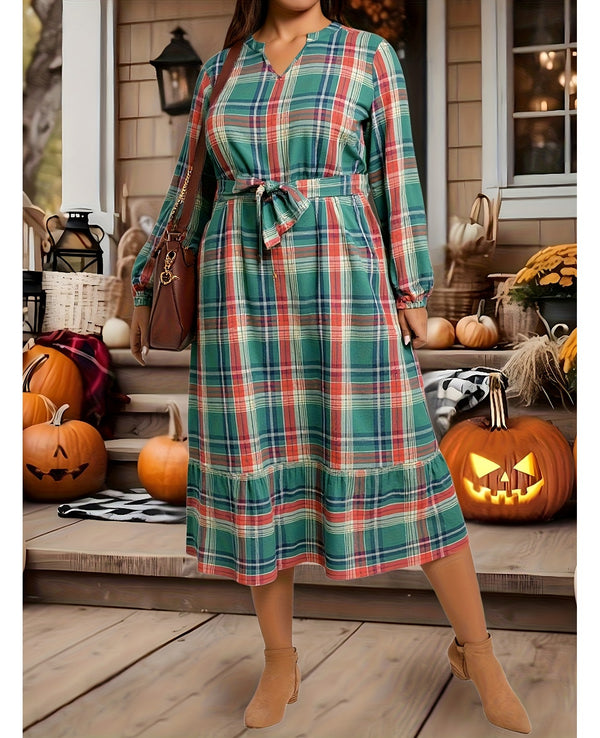
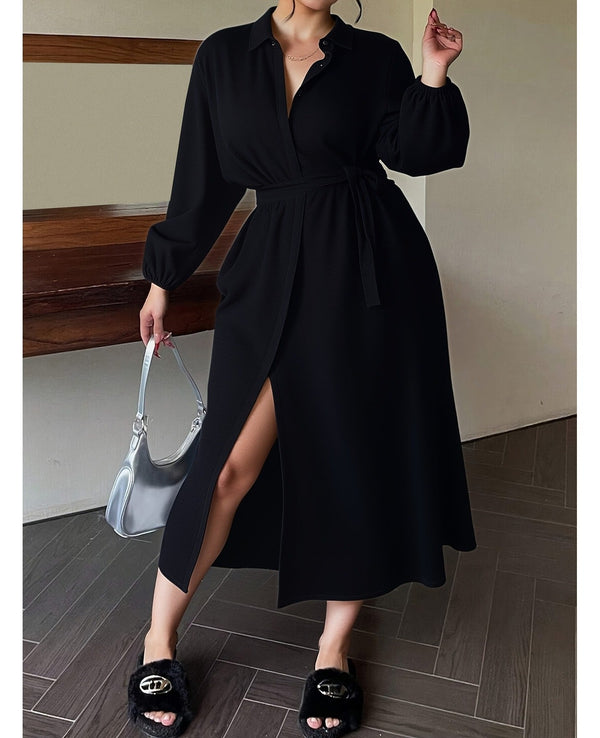
Plus size denim dress outfits are especially useful in fall because one dependable piece can handle warm afternoons, crisp mornings, office hours, and relaxed weekends. Denim has enough structure to create a clear silhouette, yet a well-cut dress can still move easily when you sit, walk, or add a layer. The goal is not to make your body look smaller. It is to choose a dress that feels good, then build an outfit that supports your plans, your temperature, and your personal style. This guide covers fit, layers, shoes, tights, color, and practical outfit formulas so you can wear a denim dress with confidence all season.
Start with a denim dress that fits your real life
The best starting point is a dress that works before any styling tricks are added. Check the shoulder seam, armhole, bust, waist, and hip while standing and sitting. A shirt dress should button without pulling lines across the bust or stomach. A softly shaped A-line dress should skim rather than grip, and a straight dress needs enough room for a natural stride. If a style fits your shoulders but feels loose at the waist, a removable self belt can add definition without forcing an hourglass shape. If belts feel distracting or uncomfortable, leave the line open and let the denim provide structure.
Fabric weight changes how the dress behaves. Rigid denim gives a crisp, architectural look, but it may need more ease through the hips and upper arms. Stretch denim feels flexible and can be comfortable for commuting, travel, and long seated days. Very lightweight chambray layers beautifully, although it may read more like a shirt fabric than classic denim. For early fall, medium-weight denim is a versatile middle ground: substantial enough for boots and jackets, but not so heavy that every outfit feels wintery.
Length is a practical choice, not a rule about height or body type. A knee-length dress shows more of your footwear and works well with tights. Midi lengths create a long column and offer coverage on windy days. Maxi denim dresses can feel dramatic, so check that the hem clears stairs and does not catch under your heel. Raise your arms, sit down, and take several full steps when trying a dress. Those small movements reveal whether you need a different size, more stretch, or a tiny alteration.
Browse the plus size dress collection with your preferred neckline, sleeve shape, and length in mind. The label on a size chart is only a reference. Your useful size is the one that lets the garment move with you and leaves room for the fall layers you actually want to wear.
Use light base layers when the temperature keeps changing
A denim dress becomes far more adaptable when you treat it as the middle layer rather than the entire outfit. On a cool morning that will warm up later, begin with a thin cotton tee, smooth tank, or moisture-friendly camisole. It adds comfort under sturdy seams and gives you an easy option if you wear the dress partly unbuttoned like a long overshirt. Choose a base that lies flat at the shoulder and underarm so it does not bunch when the denim sleeve moves.
For a clearer fall look, layer a fine-gauge turtleneck under a sleeveless or short-sleeve denim dress. Cream brightens dark indigo, rust warms medium blue, and black makes a washed-blue dress feel sharper. The neckline should feel comfortable before you add the dress; if the knit already feels tight, another layer will not improve it. A mock neck gives much of the same visual effect with less fabric around the throat. Smooth the base layer down before buttoning the dress, then move your arms and sit to check that nothing pulls.
Proportion matters most when several hems meet. With a midi denim dress, a close-fitting base layer keeps the line simple. With a shorter dress, a slightly relaxed long sleeve can feel playful, especially when the cuffs extend beyond the denim sleeve. You do not need to hide your middle or balance your body according to a formula. Instead, decide where you want visual focus. A contrasting collar draws attention upward; a tonal base creates a continuous line; a patterned sleeve adds energy around the face and hands.

Keep indoor comfort in mind. Heated offices and shops can make a chunky sweater under denim feel bulky within minutes. Fine knits, breathable tees, and removable scarves give you more control. If you love thick texture, wear it as a cardigan or jacket that can come off without changing the foundation of the outfit.
Add jackets without losing the shape you like
The right jacket depends on the mood you want, not on a need to disguise your body. A cropped bomber creates a defined break near the waist and gives a denim dress a sporty, current feeling. A hip-length cardigan softens the structure and works for casual offices. A blazer adds polish, while a field jacket or chore coat keeps the outfit practical. Try the jacket open and closed. An open front makes a vertical frame; a closed front offers warmth and a different silhouette. Both can be flattering because comfort and intention matter more than a single proportion rule.
Pay attention to sleeve space. Denim sleeves already have bulk, so a fitted jacket may pinch at the upper arm even when the body fits. Raglan sleeves, dropped shoulders, or a little stretch make layering easier. If you plan to wear a coat over everything, avoid stacking several tight armholes. A sleeveless denim dress under a knit and coat may be more comfortable than a long-sleeve denim dress under the same layers.
Color can connect separate pieces. Burgundy, forest green, camel, and deep plum all sit naturally beside indigo. Black creates a graphic finish, while cream keeps the outfit light. If your denim is faded or washed, richer outer layers give it autumn depth. If the dress is very dark, a lighter jacket makes the construction details easier to see. You can repeat one jacket color in a bag, earring, sock, or shoe, but exact matching is not required.
When a jacket and dress both have strong details, let one lead. A denim dress with contrast stitching, patch pockets, and a tie belt already offers plenty of visual information. Pair it with a simple bomber or clean blazer. A minimal denim shift can carry a plaid coat, quilted jacket, or textured cardigan. This keeps the outfit readable without making it feel cautious.
Choose tights and socks for comfort, warmth, and movement
Tights turn a denim dress into a reliable cool-weather outfit, especially when the hem sits at or above the knee. Opaque black tights create a clean base for loafers and boots. Chocolate, navy, burgundy, or charcoal can feel softer while still providing coverage. Match is optional: navy tights under indigo can look tonal, but a contrasting pair can make the outfit feel more expressive. The best color is the one that supports the shoes and mood you want.
Fit determines whether tights stay in your rotation. Measure according to the brand chart and consider height, hip, and thigh information rather than relying only on a general clothing size. A waistband should rest without rolling sharply or restricting your breath. The gusset should reach the body without excessive pulling, and the legs should have enough length to avoid constant downward tension. If you are between sizes, review the fabric stretch and the maker's guidance rather than assuming smaller will provide more control.
For more styling options, explore plus size tights designed for comfortable layering. Sheer tights make denim feel dressier, while opaque pairs add warmth and visual weight. Patterned tights can work beautifully under a simple denim dress; choose a pattern scale you enjoy and let the rest of the outfit stay relatively calm. Socks are another useful layer. A ribbed sock peeking above an ankle boot adds texture, and a knee-high sock under a tall boot can reduce rubbing.
Comfort details matter on long days. Smooth the fabric from toe to waist rather than pulling hard from the top. Carry a small backup pair if you are wearing a sheer style to an event. If tights feel irritating, try tall socks with boots, soft leggings under a longer dress, or bare legs with a warm coat during mild weather. Style should adapt to your sensory and mobility needs, not demand that you tolerate discomfort.
Match footwear to the hem and the day ahead
Ankle boots are a natural partner for denim dresses because they echo the fabric's practical character. A close-fitting shaft leaves a small break below a midi hem, while a sturdier lug sole makes the outfit casual. Brown leather warms blue denim; black feels crisp; burgundy adds color without becoming difficult to repeat. Check the boot opening against your ankle and calf, especially if tights, socks, or swelling change the fit during the day.
Tall boots create a smooth fall line and reduce the amount of exposed leg between shoe and hem. They can be especially comfortable in windy weather. Look for stretch panels, adjustable features, and calf measurements that reflect your body. A knee-high boot should let you bend your knee and sit without digging into the back of the leg. A small block heel can add lift, but a flat boot is equally polished when the toe and shaft suit the dress.
Loafers make a denim dress feel office-ready without removing its ease. Wear them with opaque tights for a continuous base or with visible socks for a bookish, playful effect. Clean sneakers make the same dress work for errands, travel, or a museum day. If the dress is long, confirm that the hem does not drag when you switch from heeled boots to flat shoes. That one check prevents an otherwise good outfit from becoming annoying.
Think about the actual surfaces you will cross. A beautiful shoe that slips on wet leaves or hurts after ten minutes is not the right finishing piece for that day. Insoles, wider toe boxes, and stable soles are style tools because they help you move naturally. When your stride is comfortable, the whole outfit looks more at ease.
Build fall color stories beyond basic blue
Blue denim is flexible enough to support nearly any fall palette. For a warm look, combine dark indigo with rust, camel, cream, and chocolate. For a cool look, try berry, charcoal, silver, and black. Forest green and burgundy feel seasonal without relying on novelty prints. If you prefer brighter color, cobalt, tomato red, or golden yellow can sit confidently beside denim because blue behaves almost like a neutral.
Use color placement to direct attention where you want it. A bright turtleneck brings focus toward the face. Colored tights energize the lower half. A saturated jacket creates a strong outer frame, while a vivid bag offers a smaller accent. There is no requirement to keep color away from any part of a plus-size body. Choose placement based on what makes you happy and what helps the outfit feel intentional.
Texture adds depth when your palette is quiet. Pair smooth denim with ribbed knitwear, brushed wool, suede, or pebbled leather. Repeating texture can also be effective: a dark denim dress with a denim-toned bag creates a modern near-monochrome outfit. To prevent an all-blue look from feeling flat, vary the wash and surface. Deep indigo, faded blue, and a soft navy knit are close enough to connect but different enough to show dimension.
Hardware matters too. Gold-toned buttons and jewelry warm dark denim; silver-toned details emphasize its cool side. You do not need every metal to match. Pick one repeated element if you want cohesion, then let functional hardware remain functional. Fall outfits feel personal when they look assembled over time, not purchased as a rigid set.
Try three repeatable denim dress outfit formulas
For work, start with a dark denim midi shirt dress, add a cream mock neck, tall brown boots, and a structured tote. Keep the belt comfortably tied or leave the dress slightly relaxed. Add a blazer if your workplace is formal, or a soft cardigan if the office runs cold. The dark wash reads polished, while the knit prevents the dress from feeling too rigid. This formula is easy to adjust with black boots, burgundy knitwear, or a scarf.
For a weekend, combine a knee-length denim dress with a cropped bomber, opaque tights, and loafers or sneakers. Add a crossbody bag so your hands stay free. The sporty jacket changes the mood of the dress, and the tights keep the outfit practical in cooler air. If the day warms, carry the jacket and let the denim dress remain the complete look.

For dinner, choose a fitted or softly shaped dark denim dress, sheer tights, heeled ankle boots, and one expressive accessory. A sculptural earring, bright bag, or rich lipstick can shift denim into evening territory. You do not need to replace every casual element. The contrast between familiar denim and a refined accessory is what makes the outfit interesting.
Photograph formulas you enjoy and note how they felt after several hours. Did the sleeve bind? Did the hem work with stairs? Could you remove a layer easily? Those observations are more useful than chasing a theoretically perfect outfit. Over time, they help you build a small group of combinations that you can repeat without boredom.
FAQ
Can a plus size denim dress work in a business-casual office?
Yes, especially in a dark or even wash with tidy seams and a comfortable midi or knee length. Add a fine-knit layer, blazer or cardigan, and polished loafers or boots. Check your workplace guidelines, then choose accessories that match its level of formality. The outfit can still feel personal through color, jewelry, and your preferred silhouette.
What jacket length works best over a denim dress?
There is no universal best length. A cropped jacket highlights the waist area and shows more of the dress. A hip-length blazer creates a structured frame, and a long coat makes a strong vertical line. Try each while seated and walking. The best option keeps your arms comfortable and supports the proportion you enjoy seeing.
Should tights match the shoes with a denim dress?
They can, but they do not have to. Matching black tights and black shoes creates continuity, which can make styling fast. Contrasting burgundy, navy, or patterned tights adds personality. If several colors are present, repeat one elsewhere in the outfit or keep the remaining pieces simple so the combination looks deliberate.
How do I stop a button-front denim dress from gaping?
Begin with enough room through the bust and stomach, because pulling is often a fit issue rather than a styling issue. A tailor can add hidden snaps between buttons, and fashion tape can be a short-term solution. A smooth base layer also provides security. If the dress repeatedly strains, sizing up and tailoring another area may feel better.